“Quando criei meu Clube do Livro, não foi em um café em Londres, mas na Prisão Feminina de Downview. Uma das detentas me disse algo que nunca esqueci: ‘Se eu tivesse lido mais quando era jovem, talvez não estivesse aqui agora.’”
— Dua Lipa sobre a fundação do seu Clube do Livro.
Le congé maternité devrait durer un an, rémunéré. Les femmes ne devraient pas avoir à choisir entre se rétablir, créer un lien avec leur bébé et gagner leur vie.
La gente rica colecciona relojes lujosos.
Yo colecciono modelos mentales útiles: reglas generales atemporales que simplifican las decisiones.
Los 12 modelos mentales más poderosos (y peligrosos) que he encontrado:
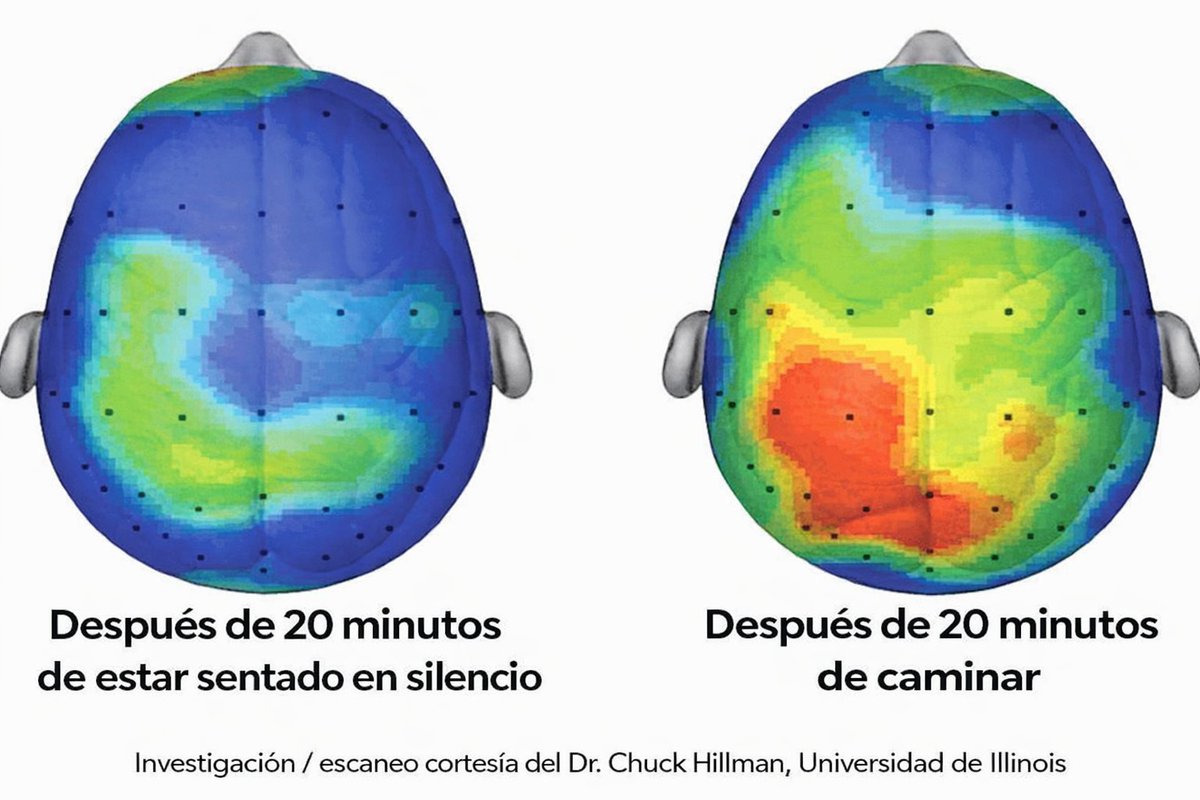
1. El poder de caminar
“Practice any art… no matter how well or badly, not to get money and fame, but to experience becoming, to find out what's inside you, to make your soul grow.”
- McKellen reciting Vonnegut
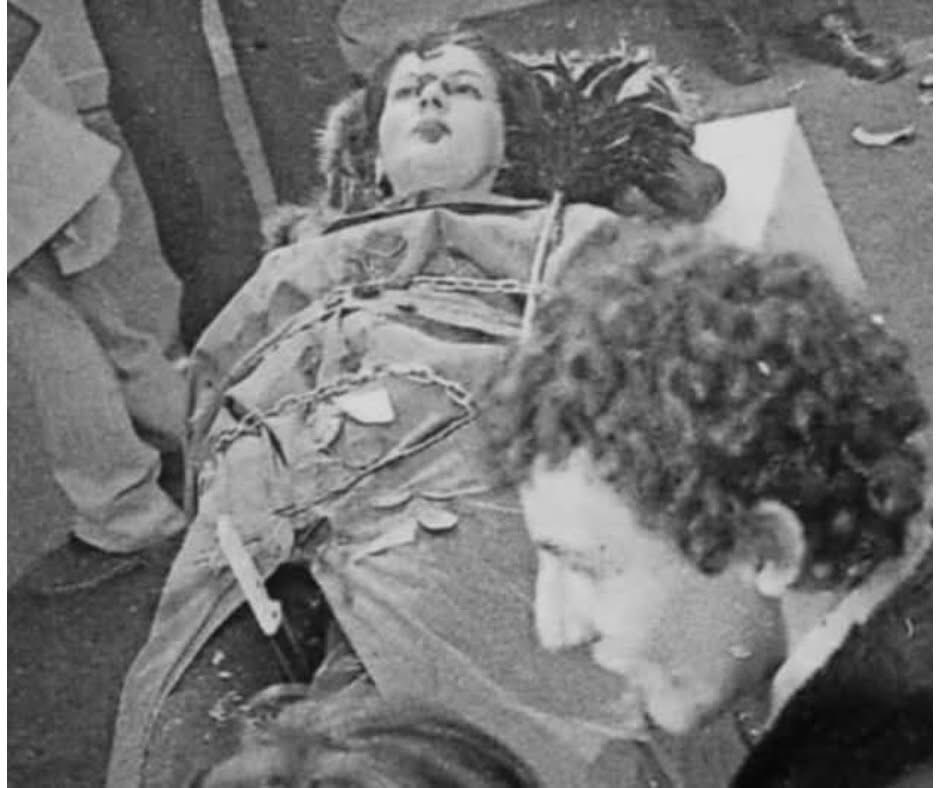
In 1974, in a gallery in Naples, Italy, performance artist Marina Abramović did something no one was prepared for. She stood completely still. Silent. Motionless. Beside her, on a table, were 72 objects. Some were harmless—a rose, perfume, bread. Others were dangerous—scissors, chains, a scalpel… and a loaded gun. A sign read:
“You may use any object on me. I will not resist. I take full responsibility.”
For six hours, she became an object. At first, the crowd was gentle. Someone placed a flower in her hand. Someone kissed her cheek. Then something changed. Her clothes were cut. Her skin was scratched by thorns. Blood appeared. People stopped seeing her as a human being. One person cut her neck just to watch the blood flow. Another took the gun, placed it in her hand, and pointed it at her own head. Others intervened to prevent it from going any further. Marina did not react. She did not cry. She did not move. She allowed the crowd to decide how far it would go.
When the six hours ended, she stepped forward. Alive. Bleeding. Human again. And that was the moment the crowd collapsed. People ran away. Avoided her gaze. Unable to face what they had done.
The performance was called Rhythm 0. It was never repeated—not because it failed, but because it proved something terrifying: when responsibility is removed… when permission is given… ordinary people are capable of extraordinary cruelty. And all it takes is silence.
Source:
Marina Abramović: The Artist Is Present by Marina Abramović
Your brain doesn't age because of time. It ages because of repetition. The more predictable your days become, the faster your neurons quiet down. Your brain builds neural pathways based on experience. New experiences create new connections. Repetition strengthens old ones. But when you repeat the same patterns for years, your brain stops building. That's why time feels faster as you age. Your brain stops encoding new memories. It just references old ones. A year at 40 feels shorter than a year at 10, because at 10, everything was new. At 40, everything is familiar. But neuroplasticity doesn't stop. You can still grow new neurons. You can still learn. You can still change. You just have to break the loop. Your brain will wake up. And time will slow down again.