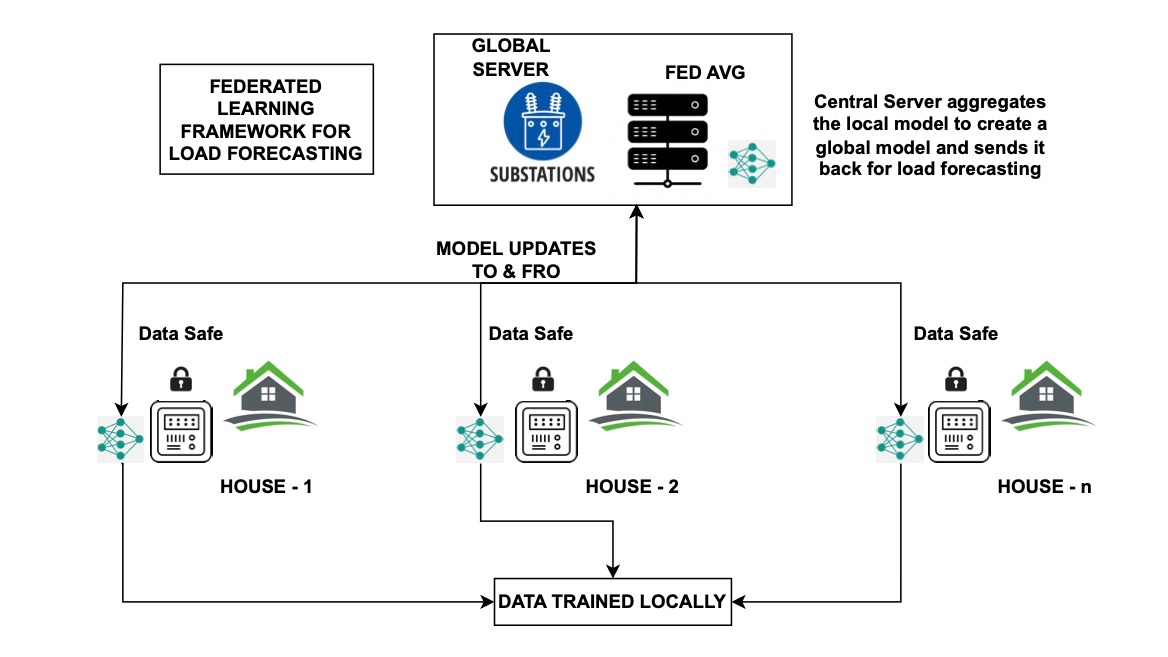
In this paper, @tcddublin researchers explore lightweight federated learning for distributed load forecasting — using an Arduino UNO R4 WiFi for model training and inference: https://t.co/2CcQHNDbdc
Mid-haircut, you see perfection in the mirror—peak reward! You could exploit it by stopping the barber, but you explore, letting them continue. Final cut’s good, but not as soul-soothing as that mid-cut vibe. Anyone else? 💇♂️#HaircutStruggles
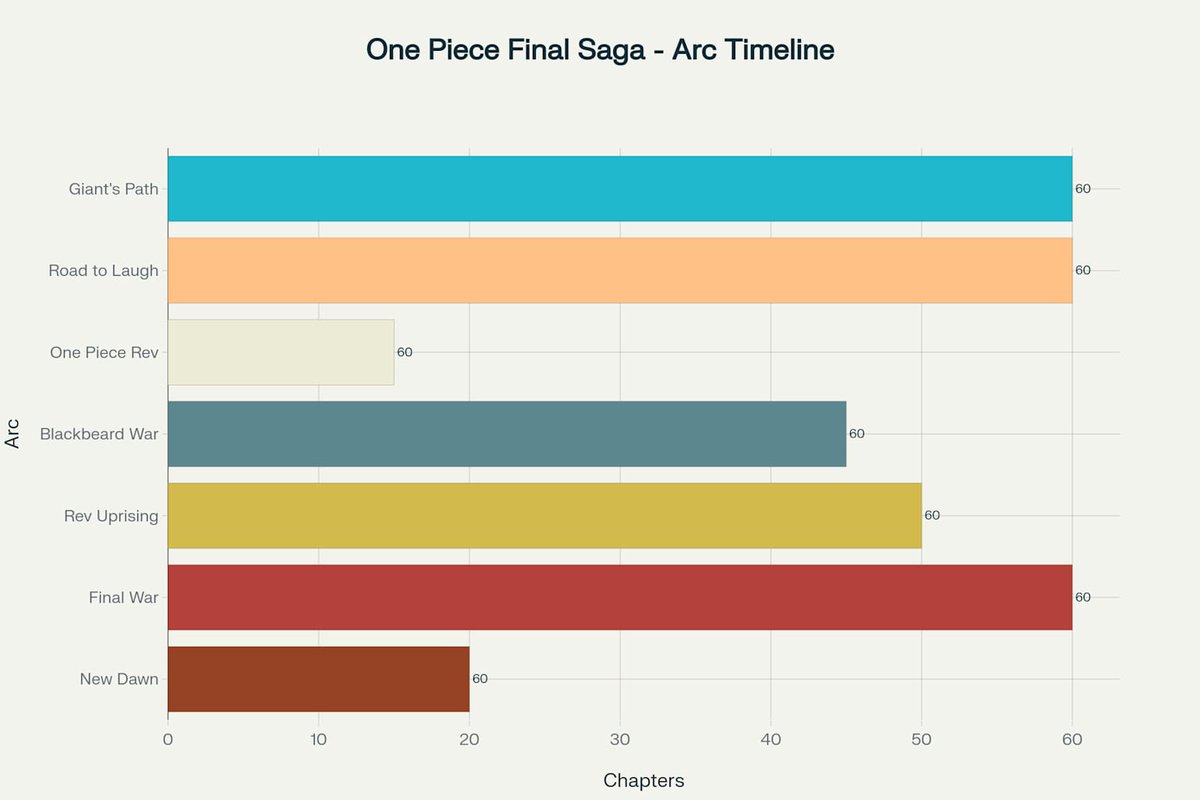
@perplexity_ai Labs predicts @OnePieceAnime to approximately span across 310 chapters, with 7 more arcs - an estimated time of 8.1 years (if it follow the previous break trend).
Each arc's cover shows some inherent biases of the models.
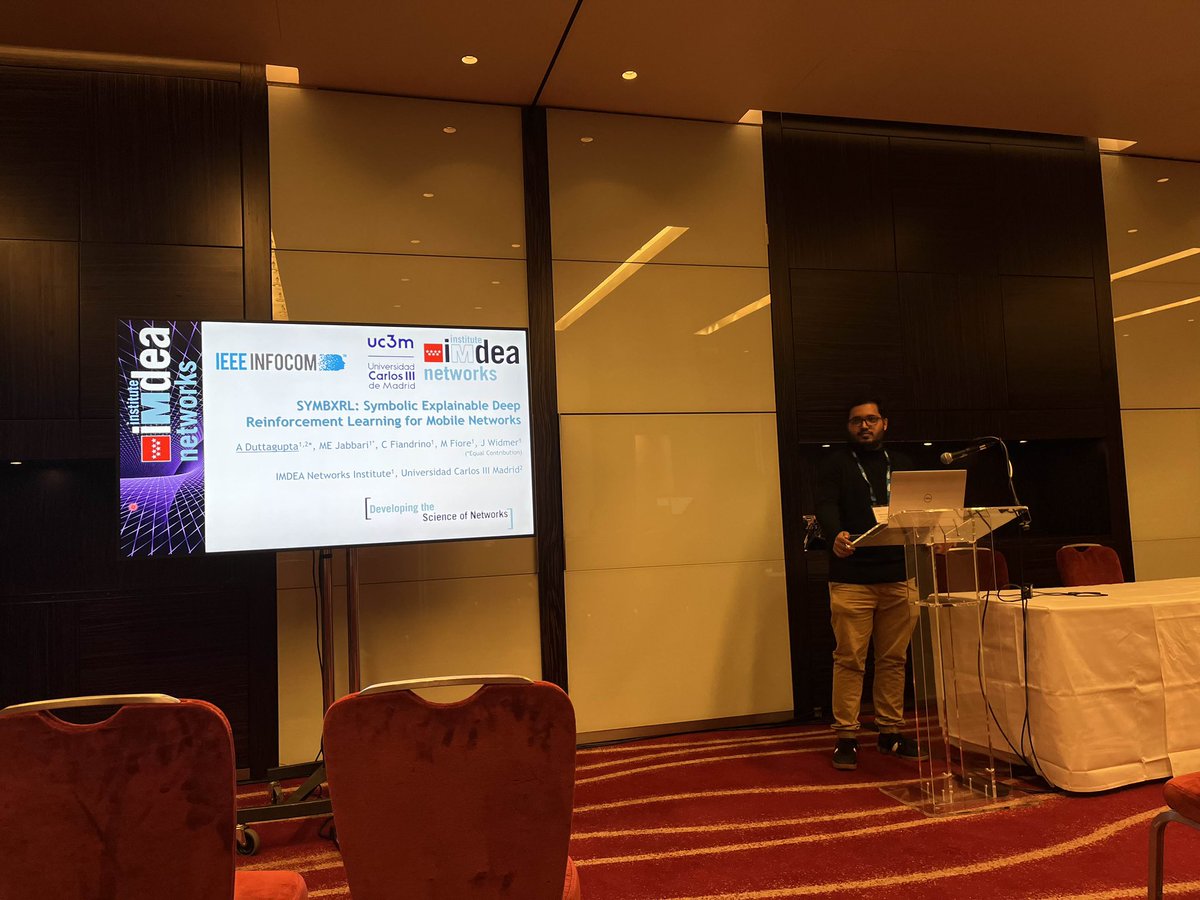
Last week, we presented SymbXRL at IEEE INFOCOM 25 in London! 🎉
A new tool using Symbolic AI + Knowledge Graphs to explain DRL agents, flag suboptimal actions, & enable operator control.
w/ @MohammadErfanJ , advised by @marc0_fi0re & @ClaFiandrino
📄 https://t.co/8AIekWBJ6z
📆 #NetworksWeeklySeminar ➡️ Next Thursday, April 3, at 13:00
🗣️ Abhishek Duttagupta, PhD Student at IMDEA Networks
🔹 SYMBXRL: Symbolic Explainable Deep Reinforcement Learning for Mobile Networks
Learn more on our website 👉 https://t.co/OleTFqeoKi
Check out our new work SYMBXRL: Symbolic Explainable Deep Reinforcement Learning for Mobile Networks, accepted for presentation in IEEE Infocom 2025.
Pre-print available: https://t.co/4S8wL9lk95
https://t.co/UXdTiVS4tI
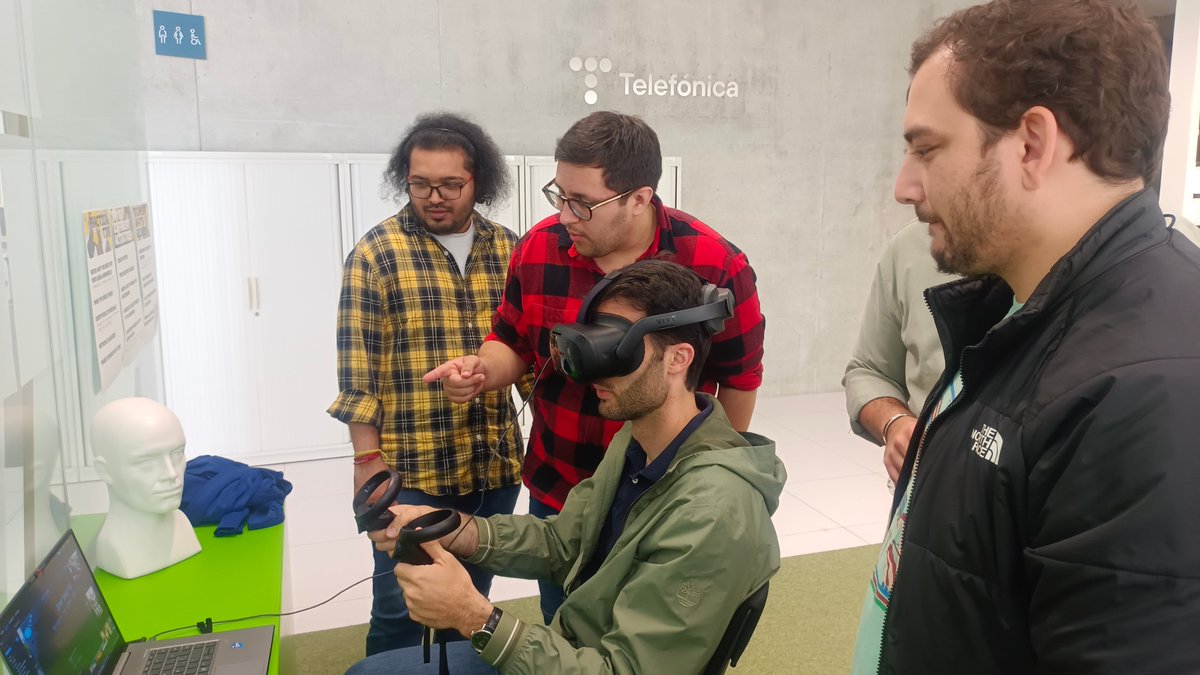
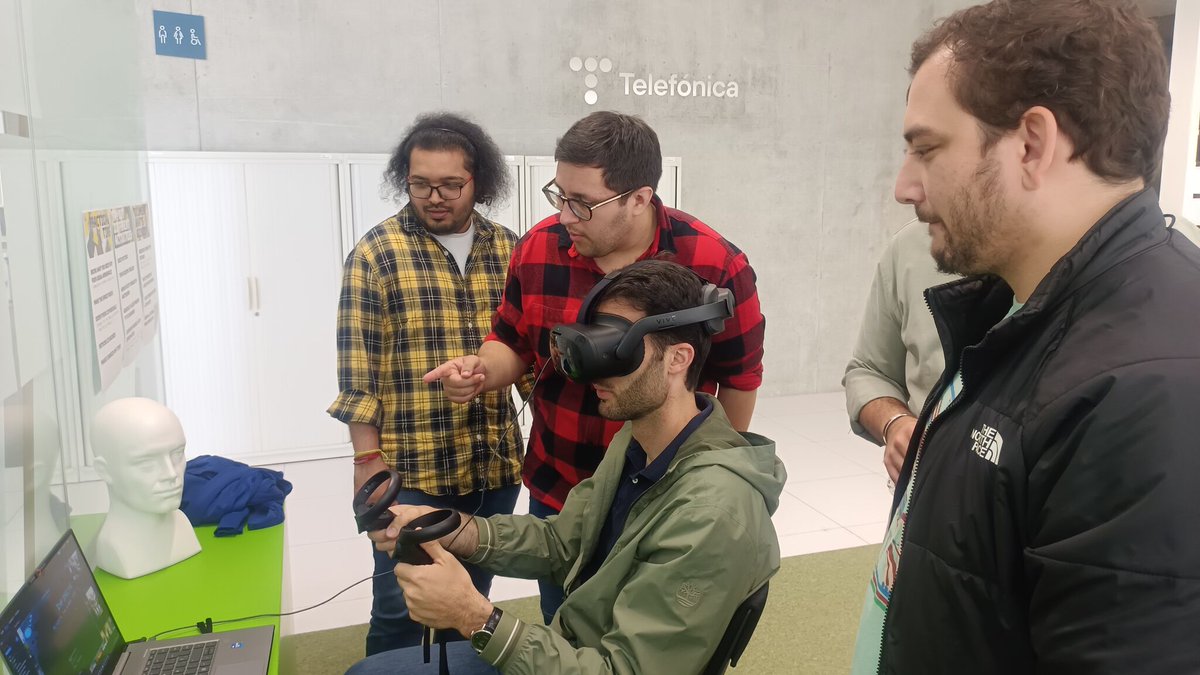
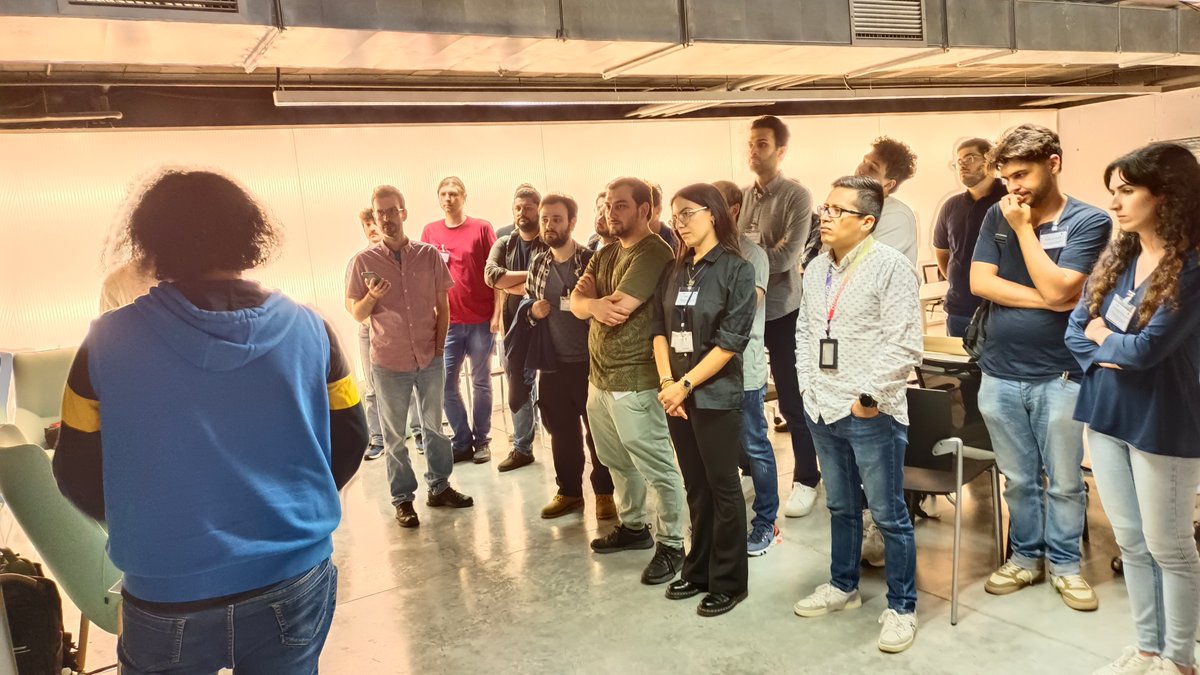
Yesterday, we hosted +40 visitors from the International Student Workshop of #TelecoRenta and CTTC at our premises in Barcelona. Special shoutout to my PhD students @anlopez1294 and George Koutroumpas for their excellent presentations! #EICPathfinder@symbiotik_viz@TEFresearch
Some of the participants of @TelecoRenta’s International Student Workshop shared today their research projects.
The session provided a good networking opportunity and a chance to establish bridges for possible future collaborations.
#TelecoRenta@iCERCA#CTTC
Los participantes del International Student Workshop de #TelecoRenta han visitado hoy Telefónica Innovación Digital. Los ha acompañado el Dr. @iarapakis , co-director de @TEFresearch y Head del Human-Artificial intelligence Lab
@TelecoRenta@iCERCA#CTTC
Just dropped a 4 hour lecture on "Large Language Models": https://t.co/KI5CJ6OksI
0:00 Basics of language models
2:30 Word2vec
16:27 Transfer Learning
19:23 BERT
1:00:39 T5
1:31:14 GPT1-3
1:53:05 ChatGPT
2:20:03 LLMs as Deep RL
2:53:00 Policy Gradient
3:32:50 Train your own LLM
We're announcing TacticAI: an AI assistant capable of offering insights to football experts on corner kicks. ⚽
Developed with @LFC, it can help teams sample alternative player setups to evaluate possible outcomes, and achieves state-of-the-art results. 🧵 https://t.co/hvNgh9GEtc
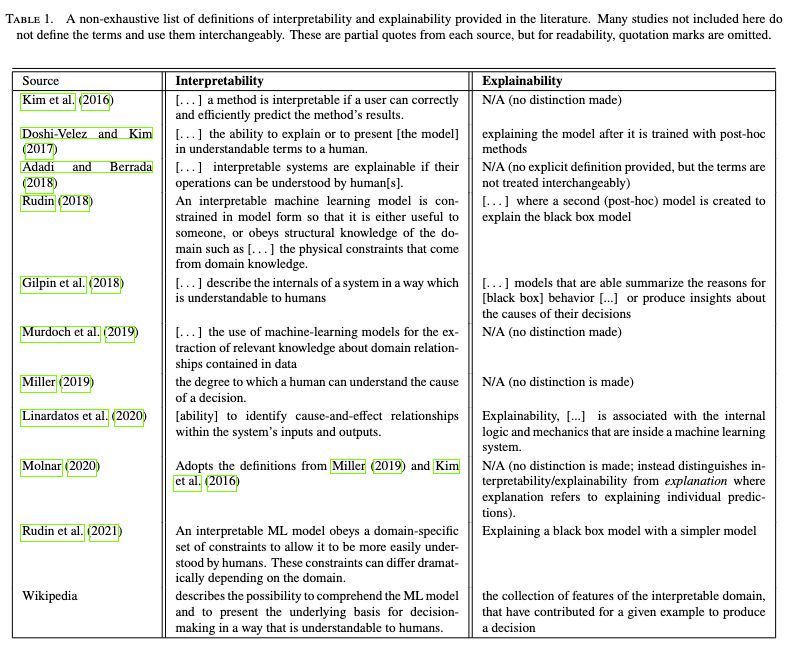
How do researchers define interpretability and explainability?
An overview:
https://t.co/bNjKv8F44g
Summary: No consensus
My opinion: It's already the Wild West, no one will stick to any definition. Most pragmatic is to treat them interchangeably.
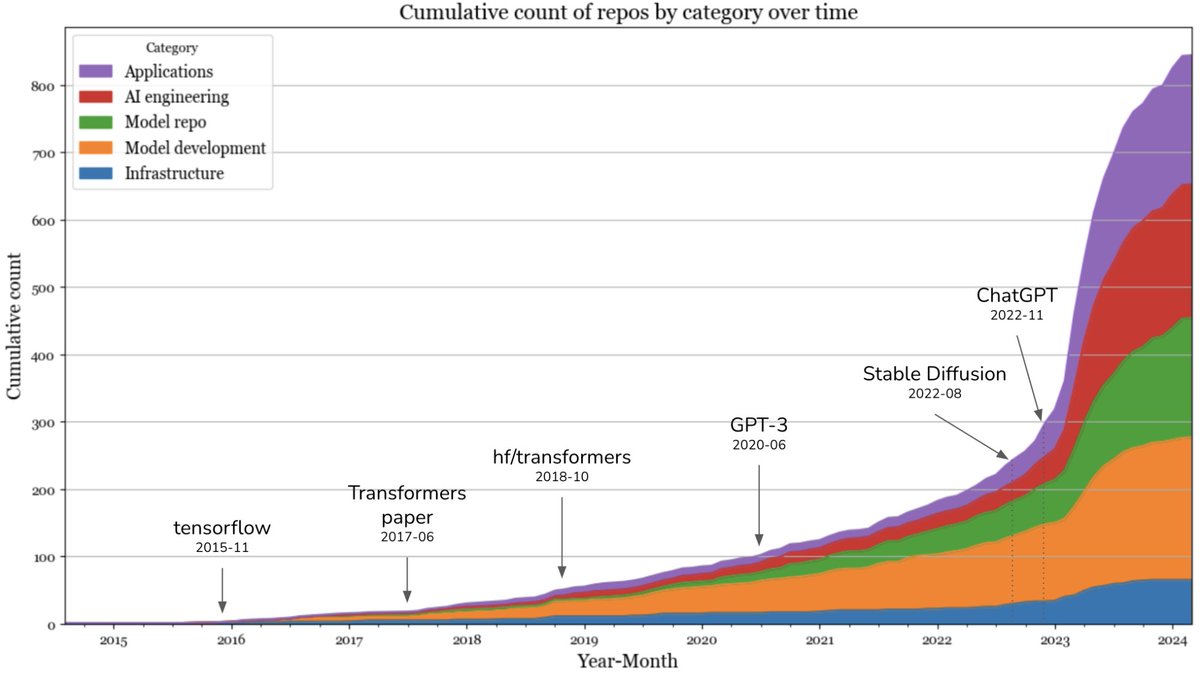
I went through the most popular AI repos on GitHub, categorized them, and studied their growth trajectories. Here are some of the learnings:
1. There are 845 generative AI repos with at least 500 stars on GitHub. They are built with contributions from over 20,000 developers, making almost a million commits.
2. I divided the AI stack into four layers: application, application development, model development, and infrastructure. The application and application development layers have seen the most growth in 2023. The infrastructure layer remains more or less the same. Some categories that have seen the most growth include AI interface, inference optimization, and prompt engineering.
3. The landscape exploded in late 2022 but seems to have calmed down since September 2023.
4. While big companies still dominate the landscape, there’s a rise in massively popular software hosted by individuals. Several have speculated that there will soon be billion-dollar one-person companies.
5. The Chinese’s open source ecosystem is rapidly growing. 6 out of 20 GitHub accounts with the most popular AI repos originate in China, with two from Tsinghua University and two from Shanghai AI Lab.













![USB's tweet photo. SIA: Symbolic Interpretability for Anticipatory Deep Reinforcement Learning in Network Control
MohammadErfan Jabbari, Abhishek Duttagupta, Claudio Fiandrino, Leonardo Bonati, Salvatore D'Oro, Michele Polese, Marco Fiore, …
https://t.co/p8i3ETETuG [𝚌𝚜.𝙽𝙸 𝚌𝚜.𝙰𝙸] https://t.co/kVyDWcd8Ty](https://pbs.twimg.com/media/G_48H6dXMAA8Nns.png)