Why do some patients with #FTD unexpectedly become visually artistic? What can this teach us about neural mechanisms underlying human creativity? Check out our new @JAMANeuro paper https://t.co/P2iFXcNnTU @brucemillerucsf@UCSFmac@GBHI_Fellows#creativity 🧠🎨🧵
Our new paper exploring the link between atrophy in #FTD, recently evolved genes, and cryptically spliced genes is finally out in @Brain1878!
https://t.co/AZYVVpwUUO
Many thanks to co-authors at @UCSFmac, in particular @flpsw, @brucemillerucsf, @AditFriedberg, and Bill Seeley
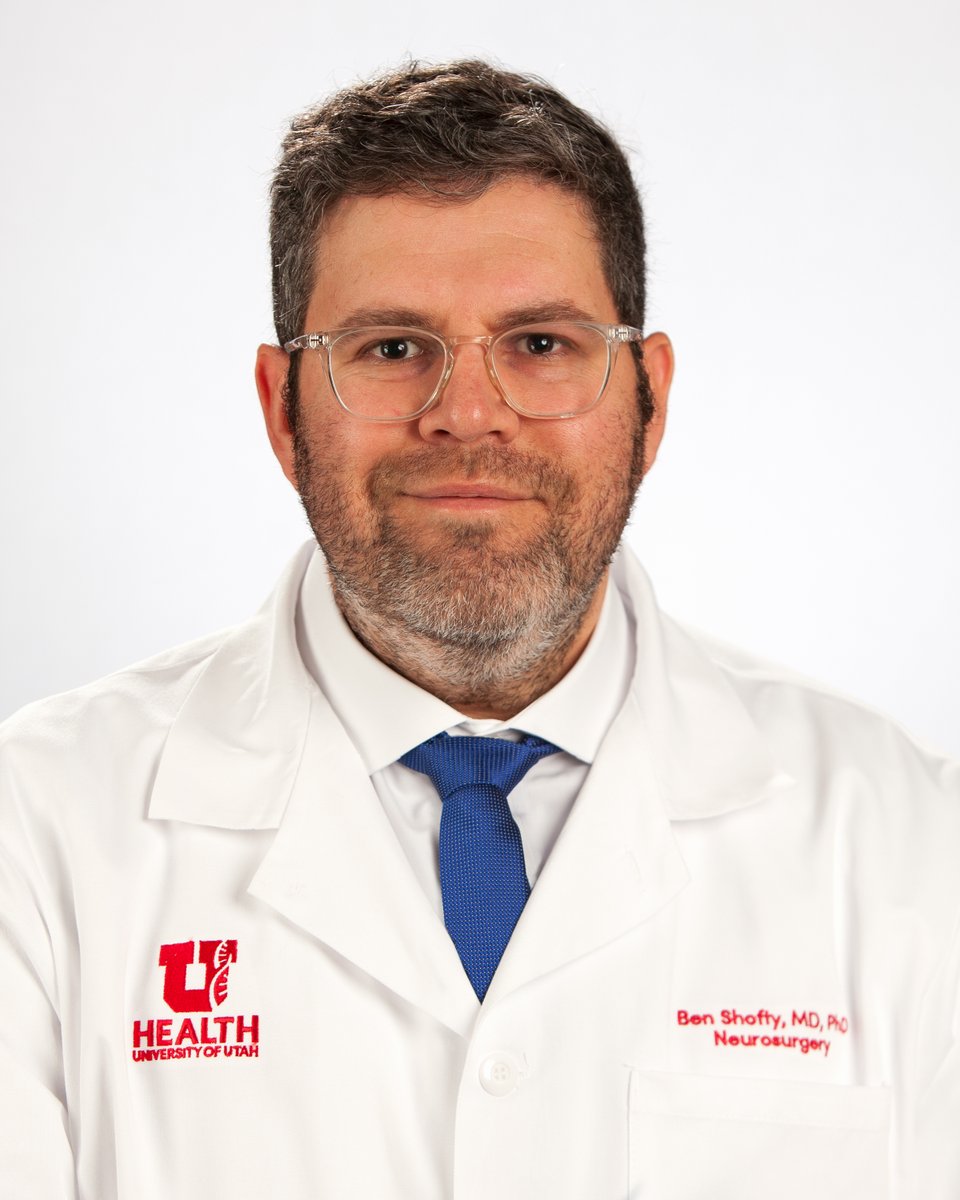
This Wednesday @BShofty will present findings on the connection between creativity and the brain's default network @ColumbiaPsych
Dr. Shofty studies the effects of stimulation during awake craniotomies to better preserve creativity and cognition
Watch at https://t.co/gsWiuU7zJK
"Interfering with DMN activity through direct cortical stimulation...caused a decrease in #creativity, specifically reducing the originality of the alternate uses, without affecting creative fluency or mind wandering". Welcome to the future @BShofty &team https://t.co/0X4C6BOqgd
So what is the brain network rebalance underlying the unexpected emergence of visual #creativity in #FTD?
What can we learn from it about human creativity?
This story is beautifully told by @samjscience@washingtonpost
https://t.co/uXE4tZ0AQI
@UCSFmac@UCSFHospitals