The Socioemotional Neuropsychology Research Group, led by Dr. Kate Rankin, professor & neuropsychologist @ UCSF Dept of Neurology's Fein Memory and Aging Center
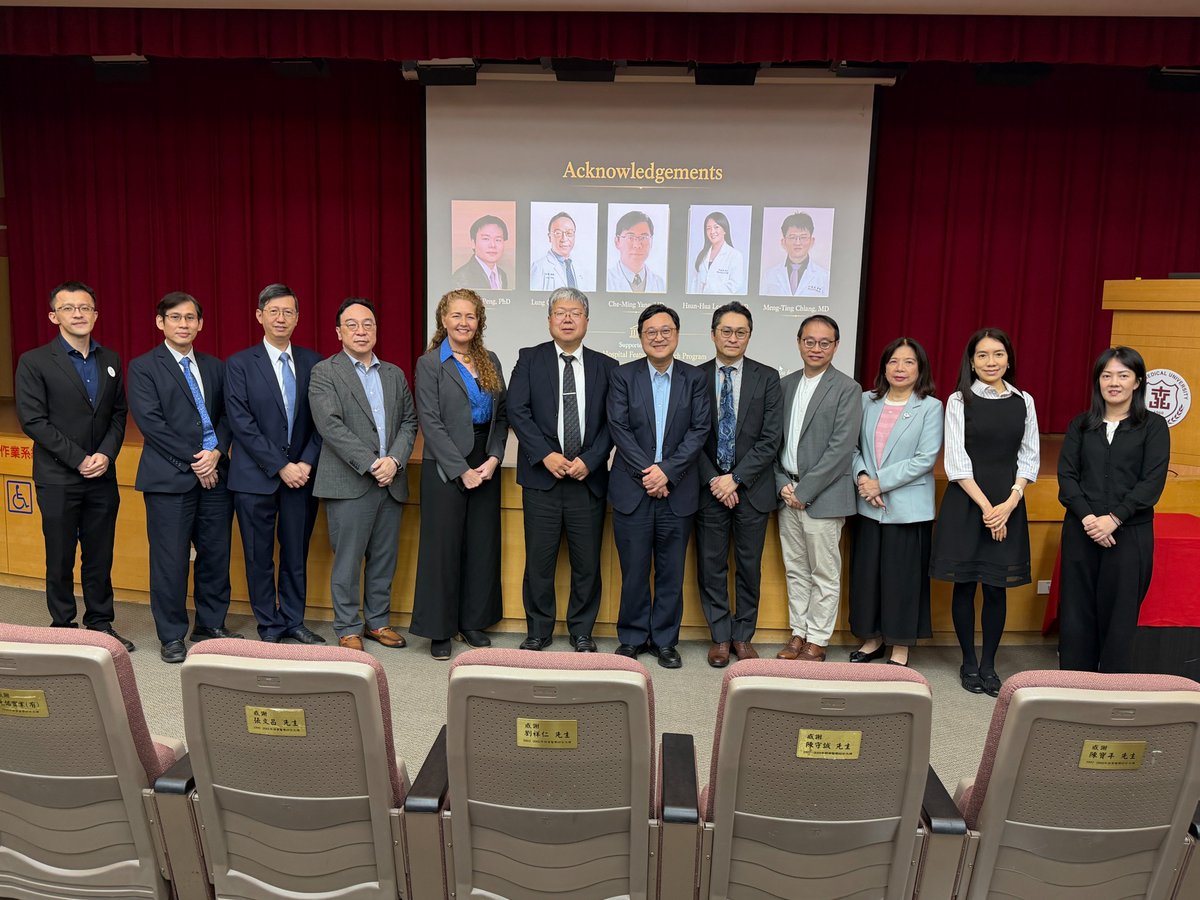
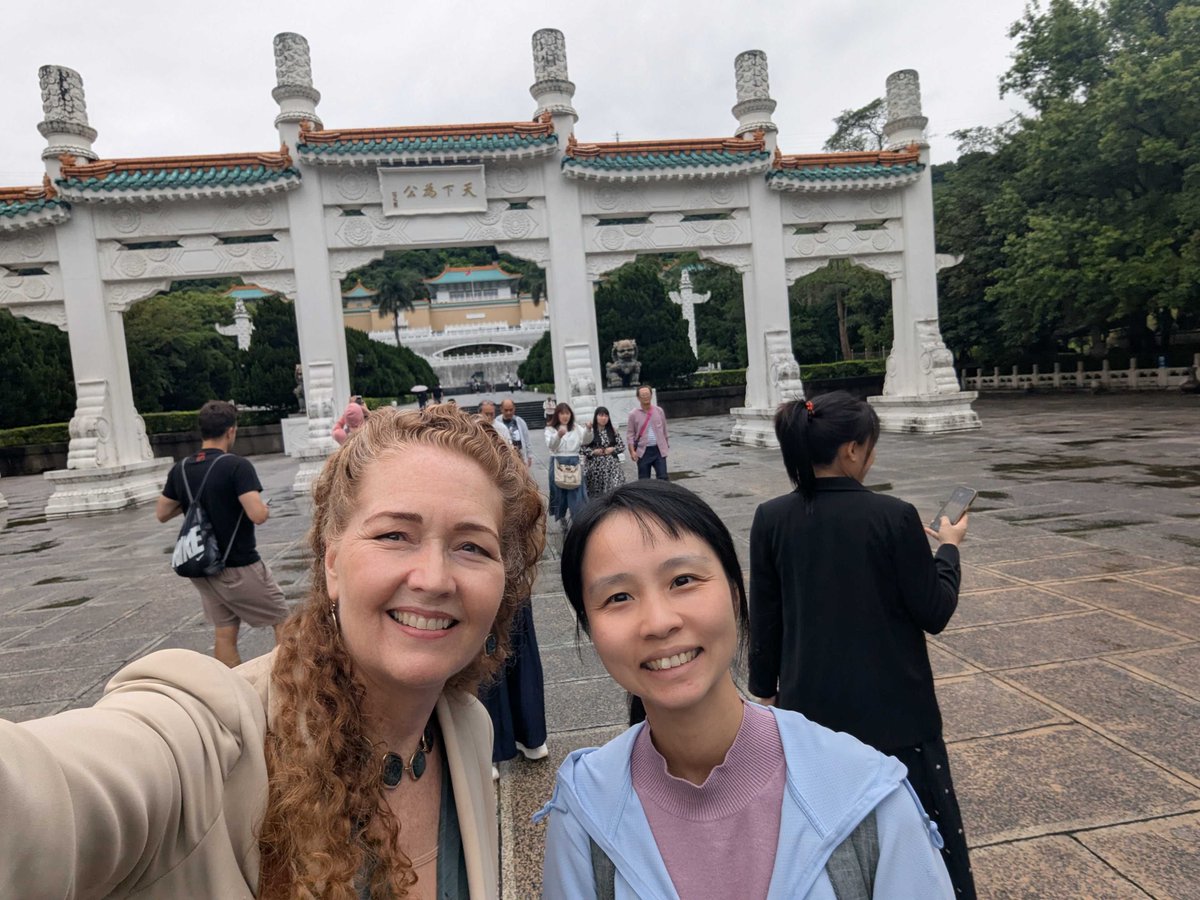
I was so grateful to my hosts at the Taiwan Neurological Society for inviting me to be a plenary speaker at their fantastic Annual Meeting this past weekend. Thanks also to Profs. Chaur-Jong Hu, Tu-Hsueh Yeh, and Chen-Tai Hong at the Taipei Medical University for the chance to speak at their 3rd Annual AD/PD Symposium, and to Profs. Yu-Wen Cheng and Ta-Fu Chen for the opportunity to review cases with the neurology residents at National Taiwan University Hospital. Taiwan is a beautiful country🇹🇼, I am so glad to have had the chance to meet you all!
@TaipeiMedicalU #TNS #NTUH
🧠Your research belongs at #AS4SAN2026.
The Annual Meeting for Social & Affective Neuroscience is coming to Brisbane this July and #abstract submissions are NOW OPEN.
⏰ Deadline: May 15, 2026
All career stages welcome. Don't miss your chance. 👇
https://t.co/OgHhHzNVfB
Our colleague Manizhe Eslami Amirabadi just had a new article published in @FrontNeurol: "Additive effect of patient anosognosia and theory of mind deficit on dementia caregiver distress."
This paper shows that anosognosia (unawareness of illness) and theory of mind deficits (inability to imagine what others are thinking) can occur in any dementia syndrome, even at the earliest stages, and that each of these symptoms can independently cause increased caregiver distress. We also found that when a patient has both symptoms together, this is particularly devastating for caregivers' well-being. This makes it crucial to screen for both problems when evaluating an individual for any midlife cognitive or behavioral concerns.💡🧠
📖Learn more here: https://t.co/fQwBYulmsm
@UCSFmac
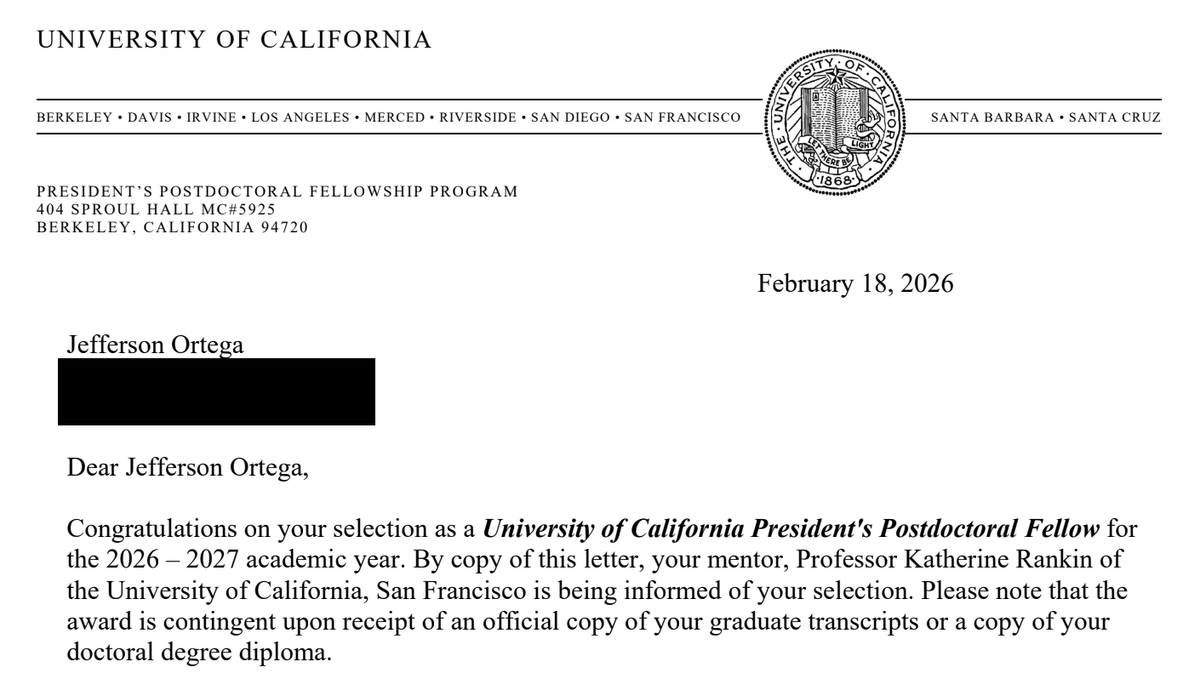
Excited to share that I've been awarded the UC President's Postdoctoral Fellowship @UC_PPFP! I'll be continuing my research on emotion perception and context integration in frontotemporal dementia at UCSF's Memory and Aging Center (@UCSFmac) with the @Rankin_Lab!
How do we choose music for others, especially for those with dementia who cannot always express their preferences? Ethical playlist curation honors the lived experiences of individuals, recognizing that music��s effects🎶 are deeply personal, relational, and culturally embedded. This recent paper by lab members Aaron Colverson @acolverson1 and Bailey McEachen poses a framework guided by the concept of musical humility. It sees playlist creation as an ongoing, collaborative process, asking not only what works, but for whom, in what contexts, and why.
🎵Learn more about this here: https://t.co/jdPdlOXXvT
@UCSFmac
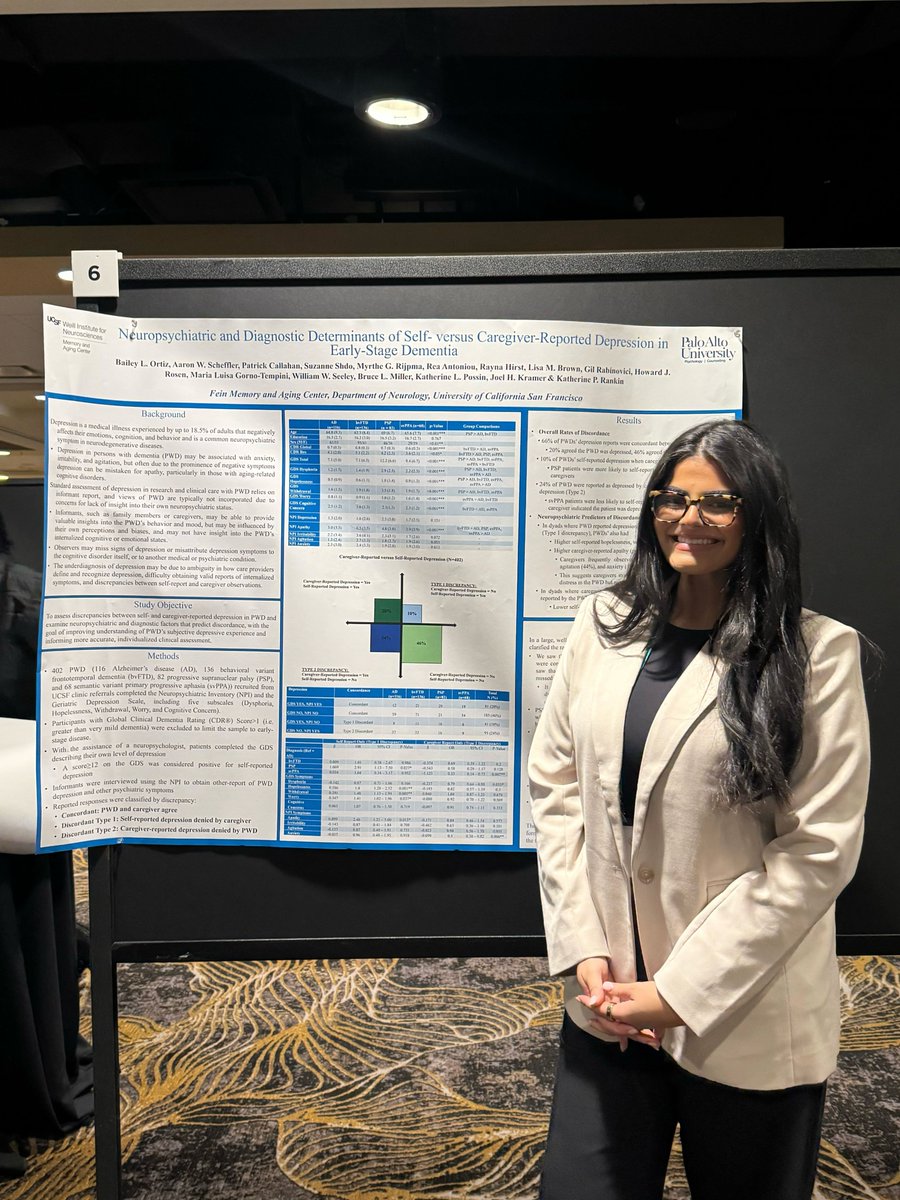
Lab member Bailey Ortiz just published a new paper in Journal of Alzheimer's Disease @journal_ad: "Unveiling discrepancies in depression detection among persons with dementia: A comparative analysis of caregiver and self-report"🎉����🍾✨
Our study found that in over one-third of individuals with early-stage dementia, patients and their caregivers disagree on whether the patient is depressed. Notably, caregivers especially overlook the patient's more internalized depression symptoms like hopelessness, and mistakenly assume depression is simply apathy. This study highlights the importance of integrating both self- and caregiver-reports about the patient's mood to ensure depression is detected and treated right when it appears.
➡️Read here: https://t.co/WDeGTGhz8K
@UCSFmac @AlzNorCalNorNev
We are pleased to share our Behind the Paper piece on our recent Communications Medicine publication🎉:
Before We Measure It, We Must First See It: Recognizing Right Temporal FTD
Right temporal frontotemporal dementia has long resisted neat classification. In this Behind the Paper article, we describe how a multinational expert working group came together to define this complex and often elusive syndrome — and why precise clinical recognition is essential for advancing biomarker and mechanistic research.
This work represents a global consensus effort to harmonize terminology and improve recognition of right temporal FTD across cultures and healthcare systems.
📌Read the full story here: https://t.co/IDxSACLjWH
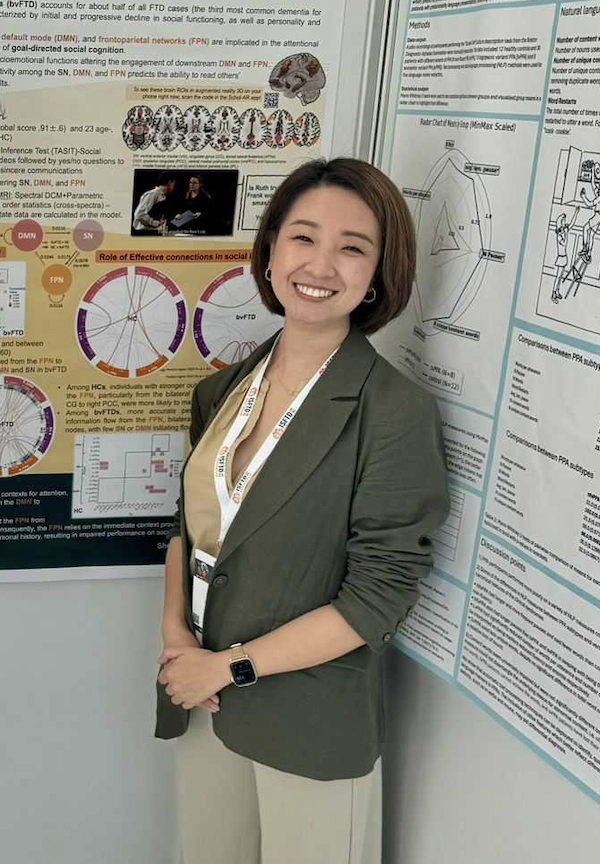
We are THRILLED to share that lab member @UCSFmac Dr. Yu (Sherry) Chen has been awarded an NIH K99/R00 Pathway to Independence Award from @NIHAging ! 🎉
Her project will map how cerebellar-cortical networks influence social cognition and disease progression in @FTD, advancing new network-based models of neurodegeneration.
Huge congratulations, @Sherry_YuChen! So well deserved! 👏
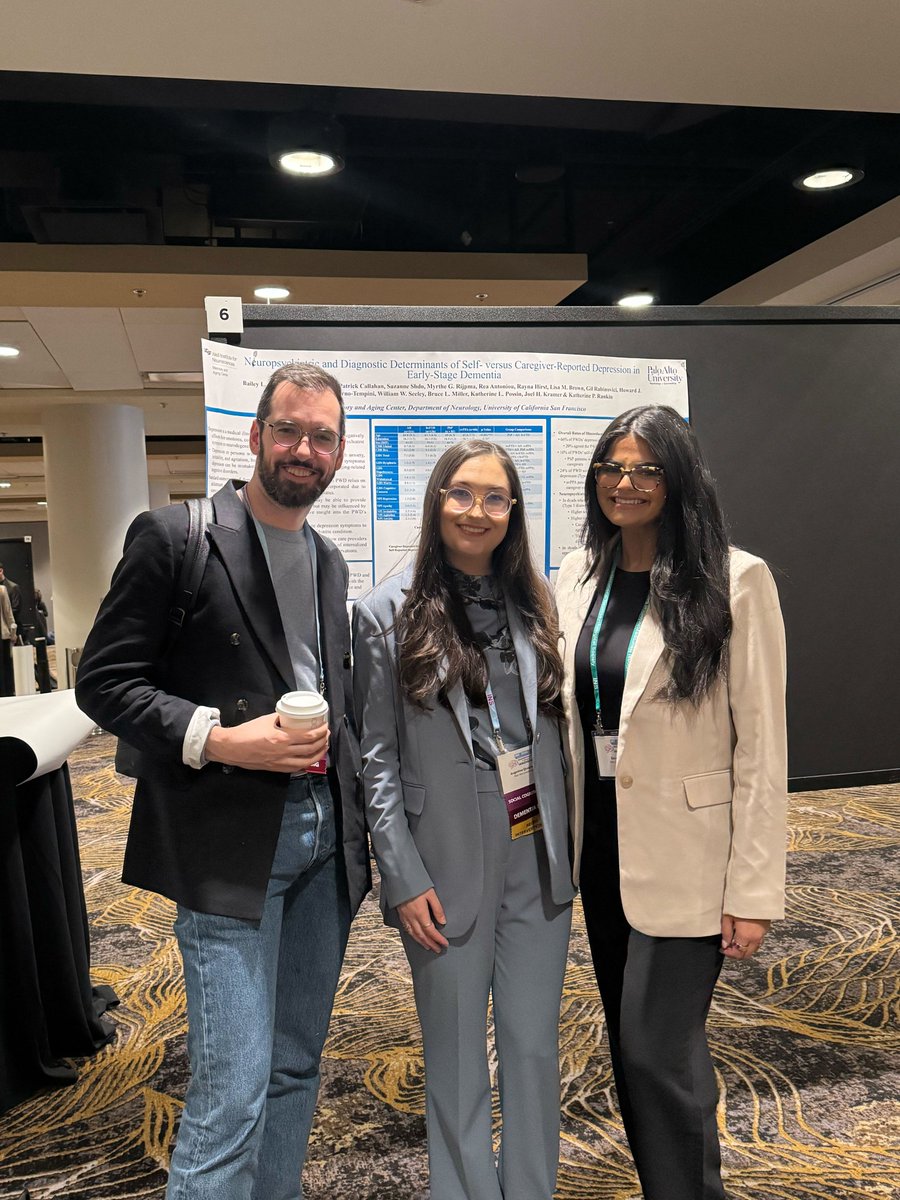
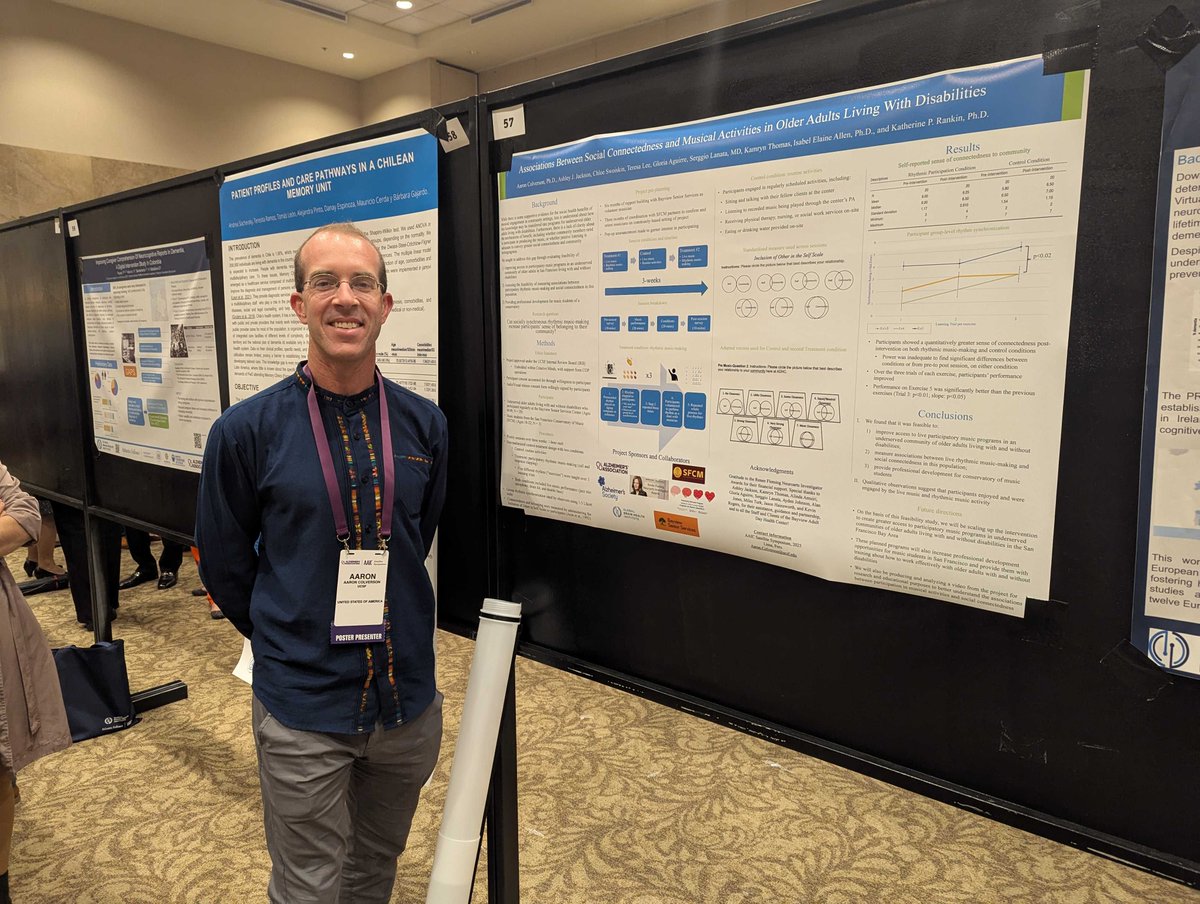
Congrats🎉 to Rankin Lab member Bailey Ortiz for presenting a poster on approaches to more accurately identify depression in persons with dementia (PWD) last week at #INS2026inPhiladelphia!
@INSneuro@UCSFmac
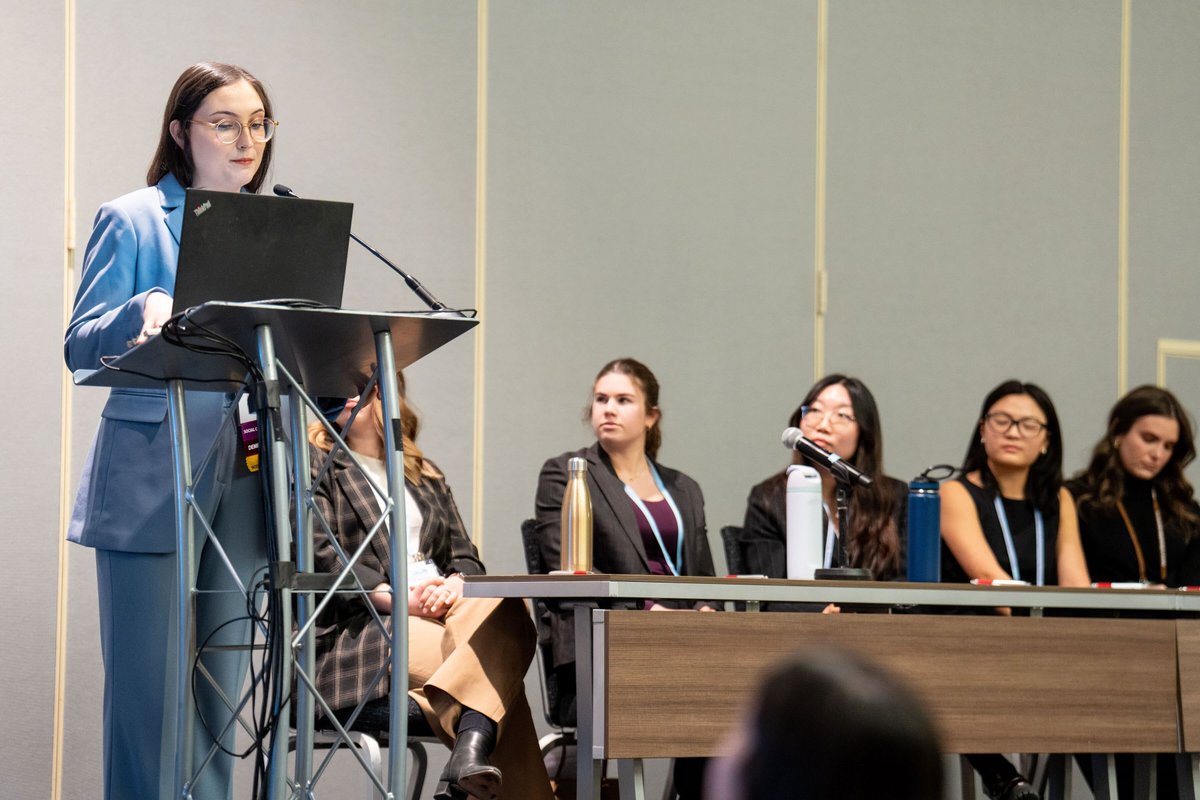
PAU student and lab member Angie Quagletti gave an amazing talk last week at #INS2026inPhiladelphia highlighting her research on social cognition profiles in early-stage behavioral variant versus typical early onset Alzheimer’s👏
@INSneuro@UCSFmac@AlzNorCalNorNev
The latest research from the International Working Group on clinical recognition of frontotemporal dementia with right temporal predominance has just been published with @SpringerNature in @CommsMedicine! Read it here: https://t.co/hk86ESQf0v
@UCSFmac@alzassociation@AFTDHope
"The Connected Cerebellum: Mapping Social and Cognitive Networks in Neurodegeneration"
by
Sherry Chen, MD, PhD
UC San Francisco
Memory and Aging Center Grand Rounds
Monday, Oct. 13, 10-11am PT
register 👉 https://t.co/j6Ea2hnWGK
@Rankin_Lab
📢We are excited to share Fulbright scholar @lktraChatz88354's innovative paper on the predictive value of social cognition testing for 1-year follow-up functional outcomes in bvFTD, recently published in the Journal of Neurology!☀️
https://t.co/WwIl0mcDZC
#bvFTD#Neuroimaging
🎶 “I decided to give my father a voice—through music.”
Atlantic Fellow @idilozkan explores the emotional world of dementia through original compositions like "Fragments of Memories" and "Passage to Ghostland."
More via @Being_Patient_: https://t.co/ty2EjQ7x28
What if dementia could tell its own story?
"Fragments of Memories" is a new work by Atlantic Fellow İdil Özkan that blends music, theater, and AI to explore dementia from the inside out. Premieres June 18 in San Francisco with a post-show panel.
🎟️https://t.co/z8GvbywE2p
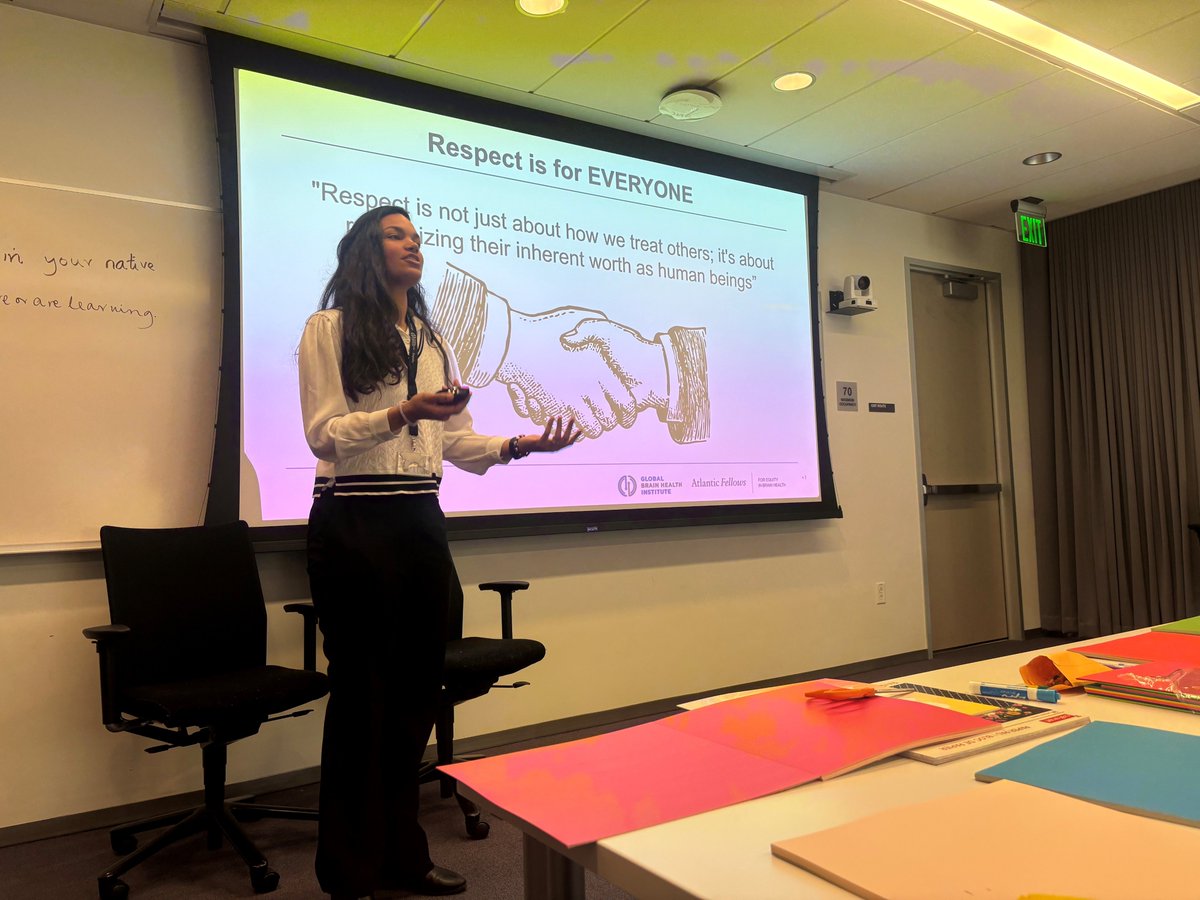
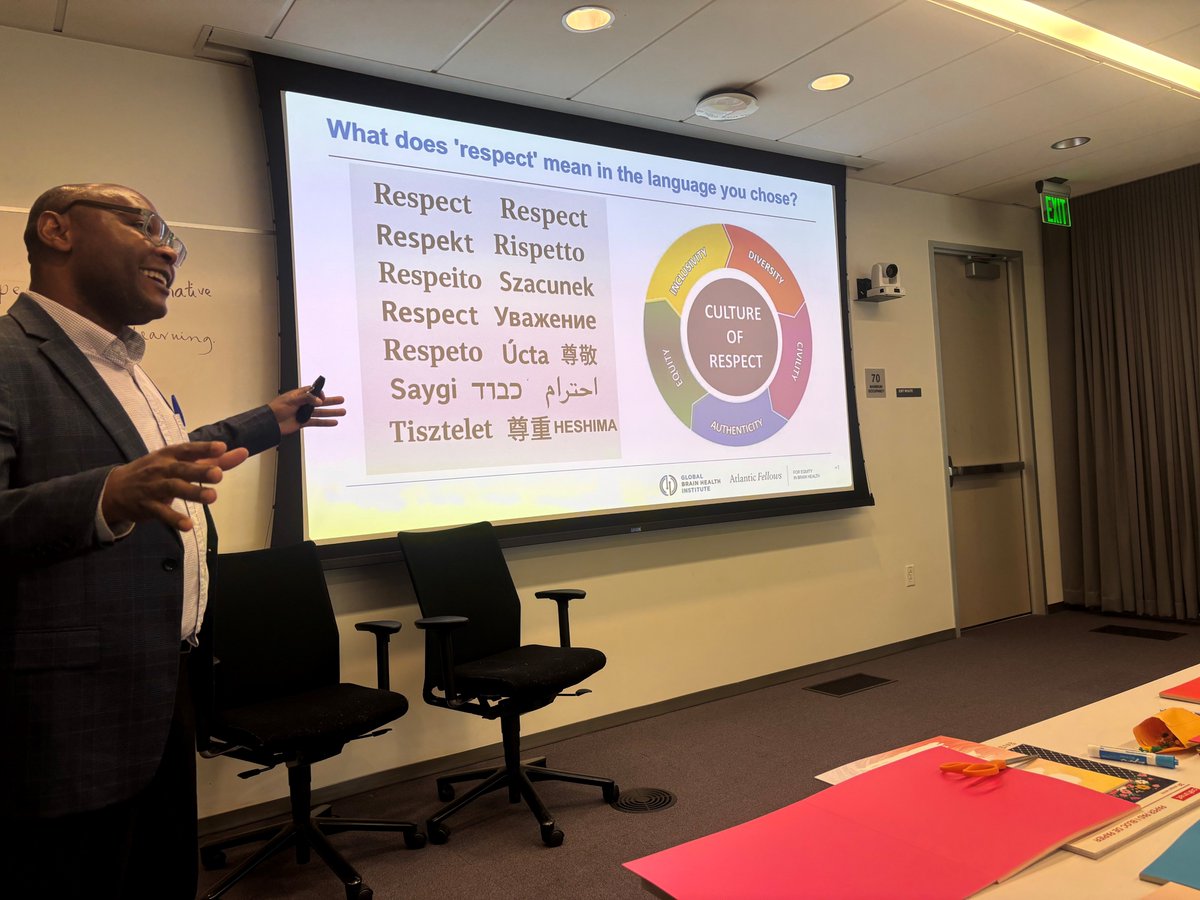
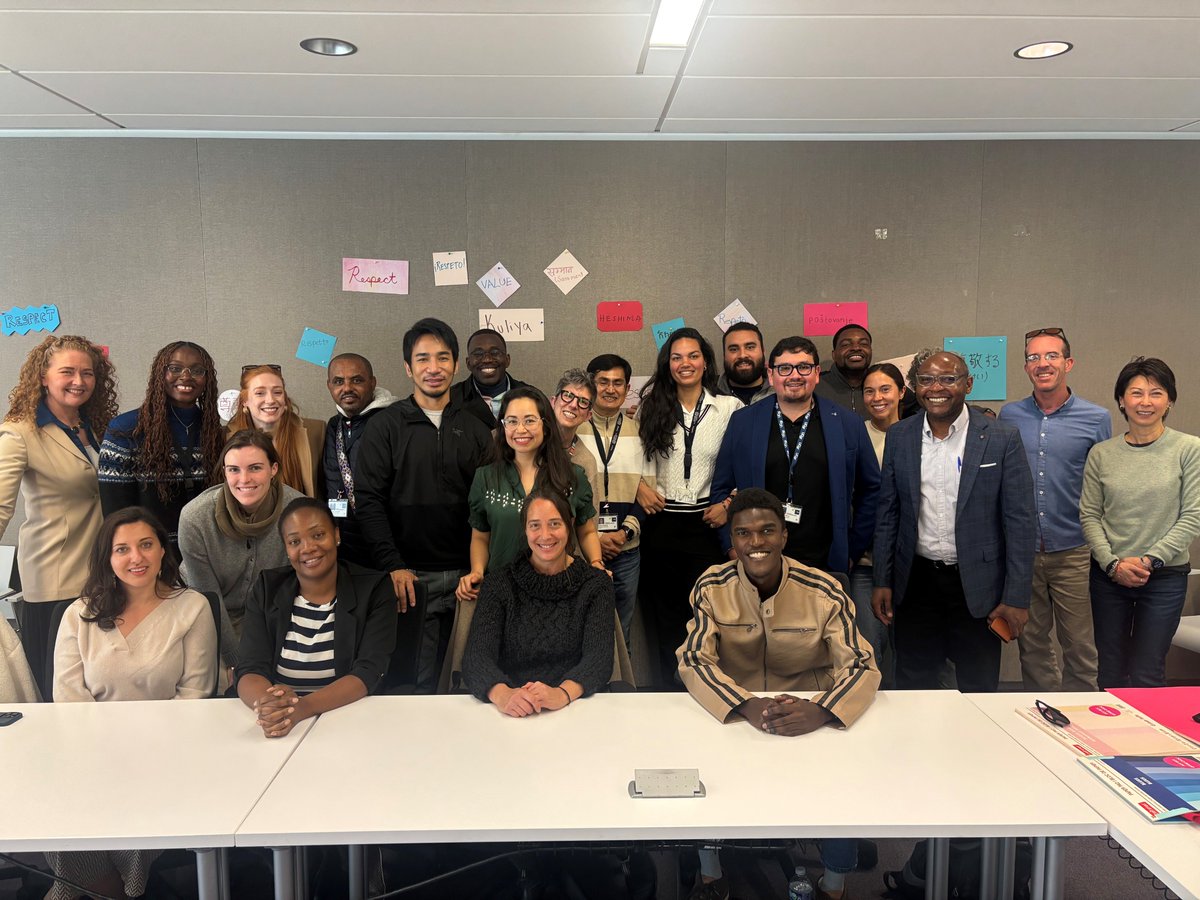
Respecting others—especially across cultures—can change us, and even change our brains. 🧠🌍
#AtlanticFellows Carlos Orellana Díaz, Carolina Bidó & @DamasMlaki, w/ guest Kate Rankin, led a salon on #Respect@UCSFmac exploring its role in leadership & brain health equity.
Rankin Lab had a strong presence in New Orleans last week at #INS2025 where members gave engaging talks and presented wonderful posters relating to social cognitive performance in aging and neurodegenerative diseases!
@INSneuro@UCSFmac
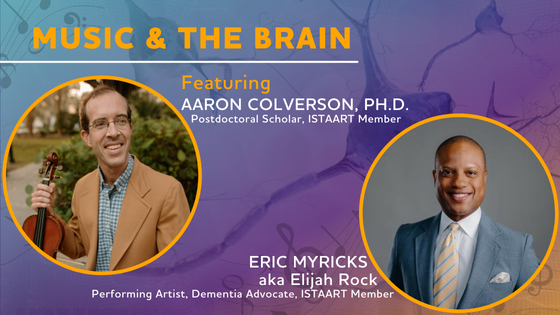
@acolverson1 and @ElijahRock gave an incredible Alzheimer's Association talk yesterday on music and the brain in which they discussed research on music and dementia🎶 @alzassociation@ISTAART