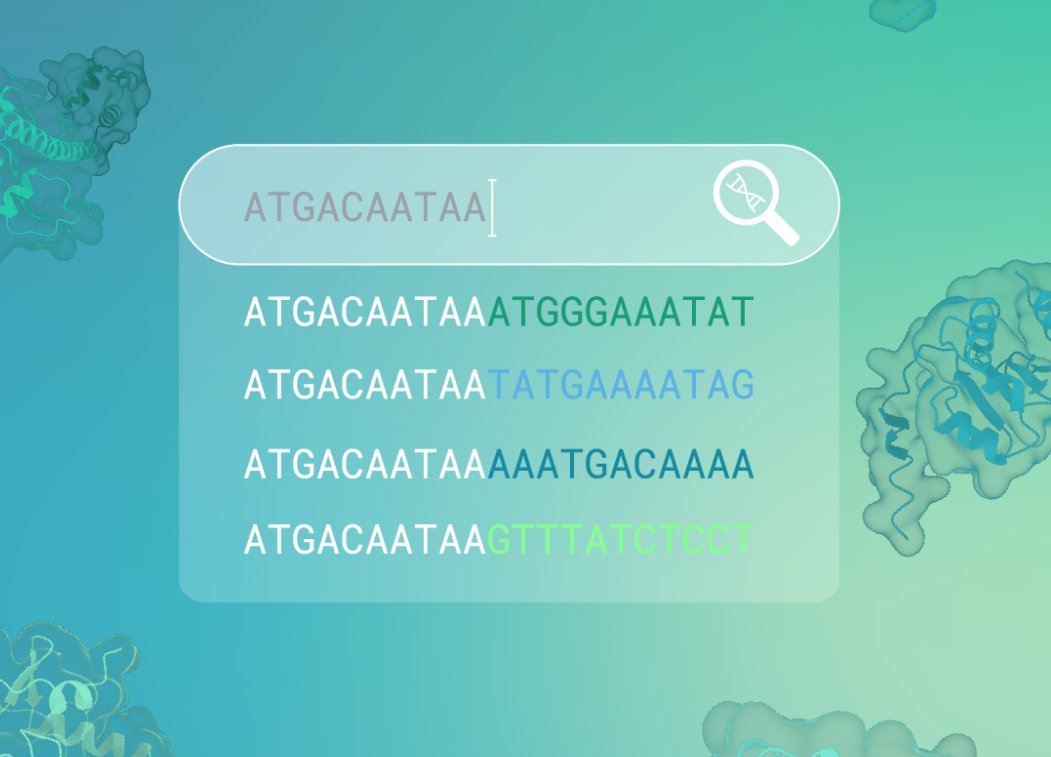
What if we could autocomplete DNA based on function?
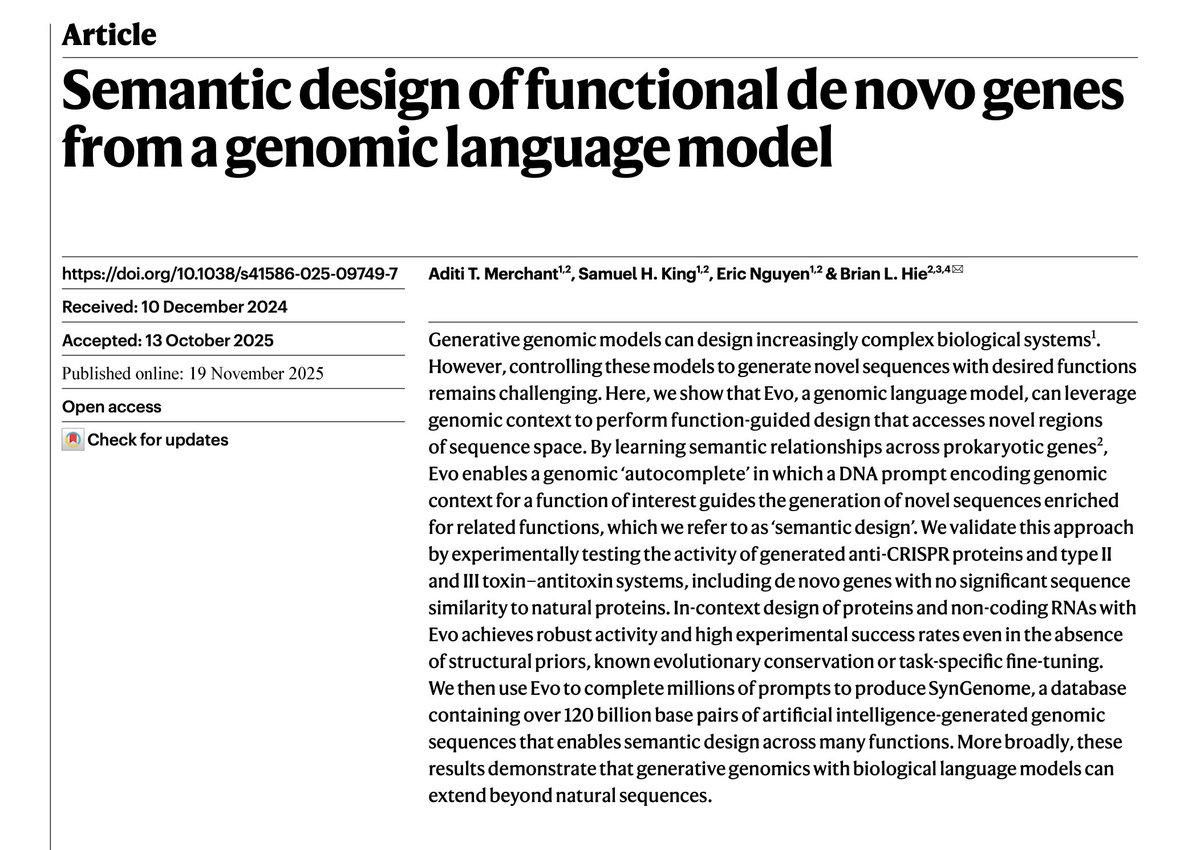
Today in @Nature, we share semantic design—a strategy for function-guided design with genomic language models that leverages genomic context to create de novo genes with desired functions.🧵
https://t.co/P5qVJB3qIY
Evo 2 is out! Huge congrats to @garykbrixi and the rest of the team, was a blast working on some of the design tasks! The future of genome language models looks bright!
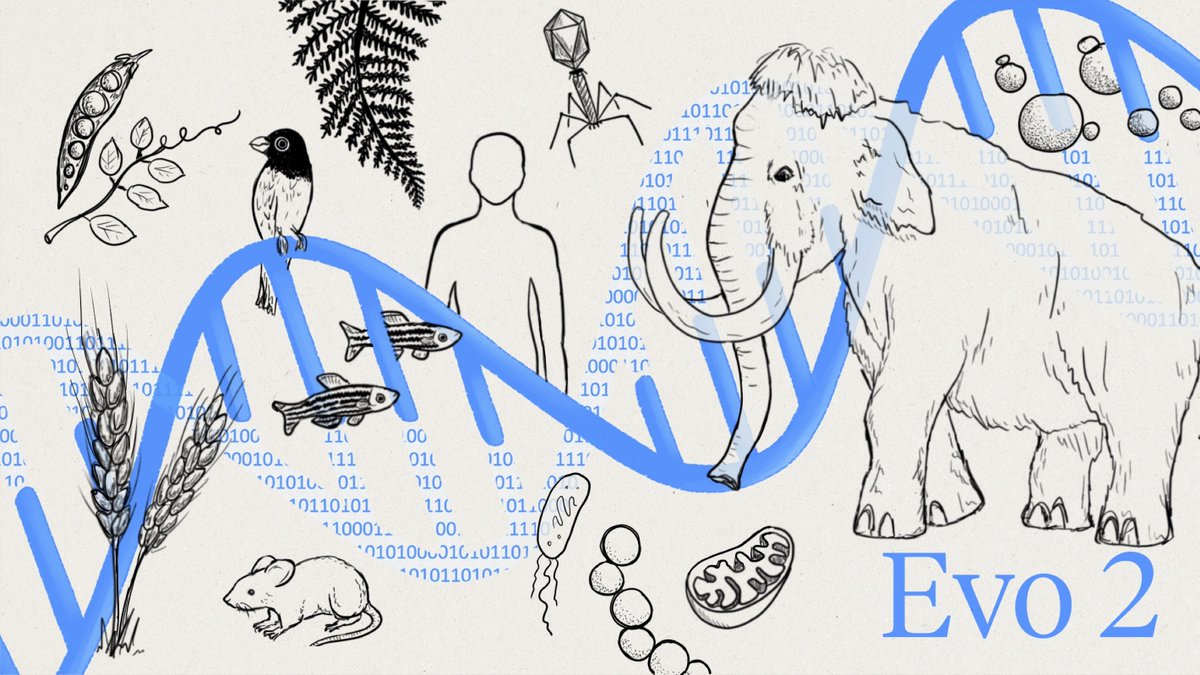
Evo 2 is out in Nature today, showing that genome language models can predict and design across the full complexity of life, from phages to eukaryotes.
A few surprises from the project, including how ignoring trillions of nucleotides was key to getting a good model. 🧵
Semantic design, our method leveraging contextual relationships between genes for function-guided biological sequence design, is now out in @Nature!
This work was led fearlessly by @aditimerch, who inspires all of us in the lab every day. She carried out this immense project with mind-blowing speed, while graciously supporting numerous other projects and being a genuinely brilliant and kind presence.
Please read more about the work in her thread below!👇
Published today in @Nature, @aditimerch & researchers from the @BrianHie lab report that the large-scale genomic model, Evo, is capable of using surrounding genomic context to produce novel, functional genes, enabling an emergent approach they've termed 'semantic design'.
Today in @Nature, in work led by @aditimerch, we report the ability to prompt Evo to generate functional de novo genes.
You shall know a gene by the company it keeps! 1/n
Check out this amazing work by the incredible @aditimerch and team!! Prompting DNA language models a la guilt-by-association lets you design things that function with low seq id
Context can steer Evo to generate multi-gene interactions (toxins and anti-toxins, anti-CRISPRs) that function in the lab.
Many of the functional sequences have very low sequence similarity to any natural gene. Read the thread and paper
Congratulations @aditimerch!
This was all possible because of the support of my incredible PI @BrianHie and my amazing labmates @samuelhking and @exnx. I’m forever grateful to be surrounded by people who inspire me to be a better scientist.
To learn more, check out the paper: https://t.co/P5qVJB3qIY
What if we could autocomplete DNA based on function?
Today in @Nature, we share semantic design—a strategy for function-guided design with genomic language models that leverages genomic context to create de novo genes with desired functions.🧵
https://t.co/P5qVJB3qIY
Together, this work suggests that genomic sequence models can meaningfully generalize beyond characterized natural evolution. Looking forward, we hope that semantic design can serve as a starting point for function-guided design and optimization of genes across biology.
De novo antibody design with experimental success rates that require testing only tens of candidates! Such an inspiring success from the incredibly hardworking Germinal team— huge congrats!
The ability to design antibodies against any protein of interest has major implications for medicine, biotech, and basic science.
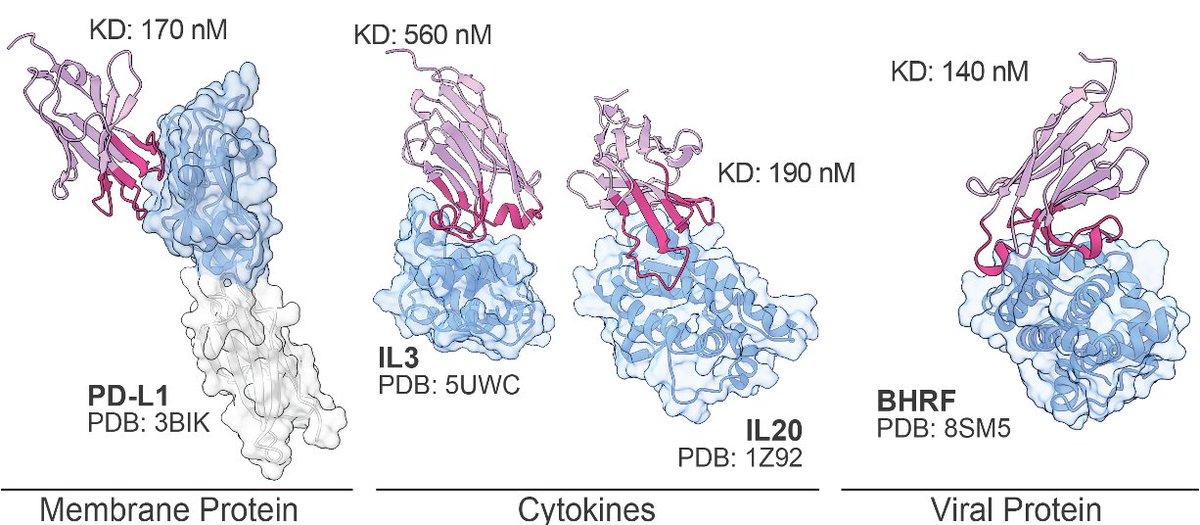
Today, we introduce Germinal, a pipeline for epitope-targeted de novo antibody design achieving 4–22% success rates with efficient experimental validation.