BREAKING: in London, Piccadilly Circus is being taken over for a second night in a row by Islamists, as British families attempt to celebrate Christmas.
How does any country tolerate this?
We are thrilled to announce that Health Canada has officially approved AGAMREE® (vamorolone), the first and only approved medicine for Duchenne Muscular Dystrophy (DMD) in Canada.
This is more than a regulatory win; it’s a turning point for families across the country.
🔗 https://t.co/xbbLaGJElz
Why this matters:
➡️ DMD is a type of muscular dystrophy that is rare, causes weakness and a wasting of the muscle due to the absence of a protein called dystrophin. If the body is lacking dystrophin, muscle cells become damaged, and movements that are considered natural, such as getting up from the floor and walking, become challenging. Individuals with DMD typically lose the ability to walk in their early teens and have increasing cardiac and respiratory difficulties. Bone thinning and scoliosis are also common for those with Duchenne.
➡️ AGAMREE® is granted approval under Health Canada’s priority review process, which means it was fast-tracked due to its potential to deliver real impact.
➡️ In clinical trials, it showed comparable benefits to standard corticosteroids but with fewer side effects on linear growth, bone health, and behaviour.
➡️ According to our very own database, there are more than 800 boys and young adults in Canada living with DMD, and many could benefit from this treatment.
What’s next:
AGAMREE® is not yet commercially available, but work is already underway to make it accessible in Canada as soon as possible. This approval doesn’t just represent a new option; it carries hope that future treatments will find an even stronger footing in Canada.
Muscular Dystrophy Canada has long championed research and advocated for better treatment options. We supported the review process for AGAMREE and amplified the voices of our community to highlight the urgent need for safer, more effective therapies. This approval reflects years of persistence and collaboration that have broken down barriers through research and discovery.
Let’s celebrate this moment together and keep pushing forward until every Canadian living with Duchenne has access to the treatments and supports they need.
Clinical trials are often seen as numbers and outcomes. But behind every data point is an individual. A family. A story.
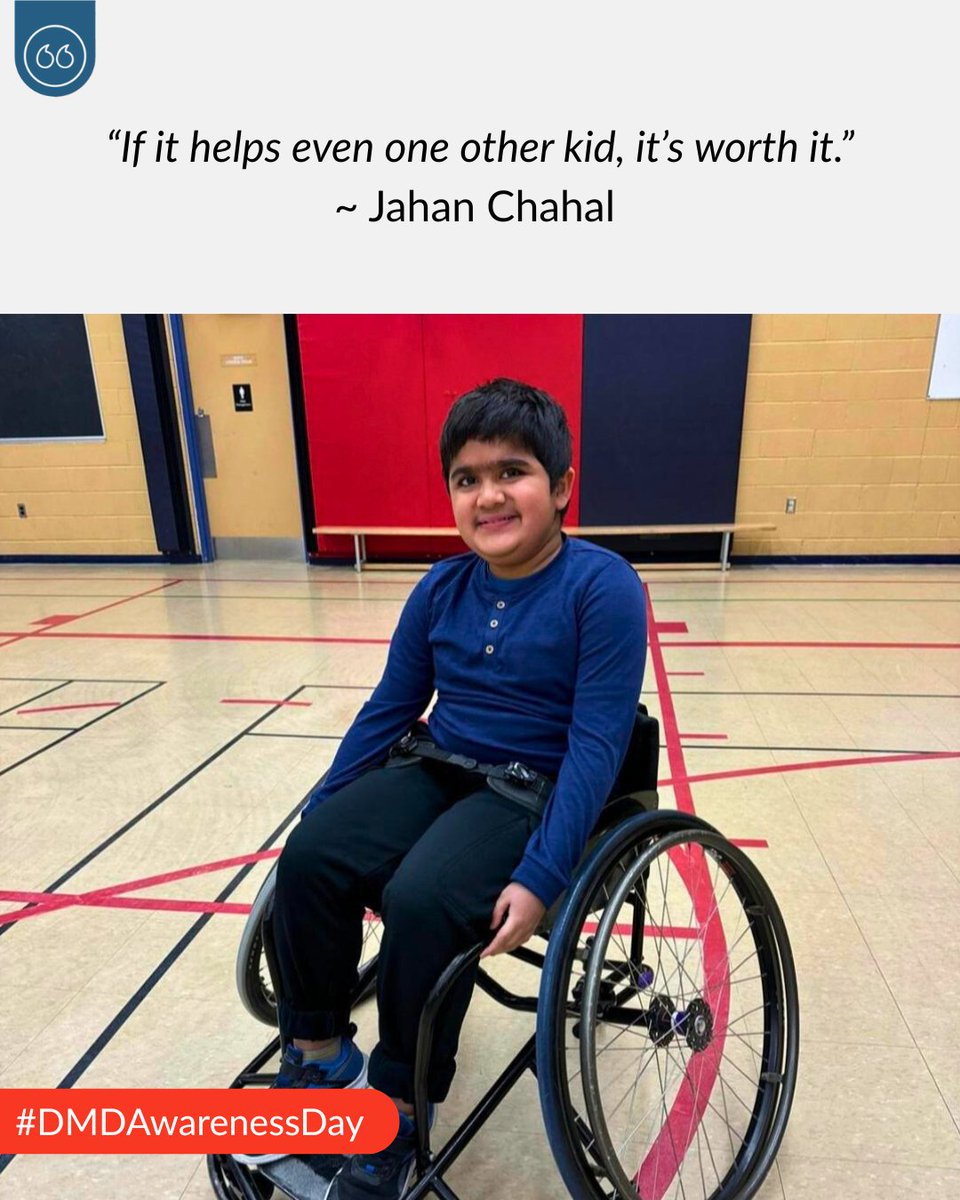
Jahan’s story began with his mother Natasha’s instinct. At just 15 months, Natasha sensed something wasn’t right. She pushed. She asked questions. And on June 4, 2013, she got the answer no parent is ever prepared for: Duchenne muscular dystrophy. That day broke their world. But it didn’t break their spirit.
What followed was a journey of determination and transformation. “We’ve gone from grief to action. From denial to fierce advocacy,” Natasha says.
At only 11 years old, Jahan committed to a four-year study, 187 weeks of treatment, 49 doses, and painful biopsies, without objection." He once told me, “If it helps even one other kid, it’s worth it.”
Jahan is now 14. He’s brilliant, curious, and compassionate. Nicknamed “Joogle” for his encyclopedic knowledge, he’s a bright light to everyone who meets him. And he’s also doing something extraordinary - participating in a four-year clinical trial for a potential Duchenne treatment.
It’s not easy. But for families like the Chahal's, clinical trials are not just a choice. They are a hope. A fight not just for one child, but for an entire community. And Jahan, with his courage, compassion, and quiet strength, is leading that fight. THANK YOU Jahan, for your selfless act. Drop a ❤️ for Jahan and the Chahal family in comments.
If you would like to know about clinical trials, please contact our research team at [email protected]
As we wrap up Spinal Muscular Atrophy Awareness Month, we’re reminded of the strength, resilience, and positivity within our community.
Six-year-old Samson says it best: “I can do anything just like you.”
Thank you to everyone who shared their stories and voices this month. Together, we are breaking down barriers and showing the world what it means to live boldly with a neuromuscular disorder.
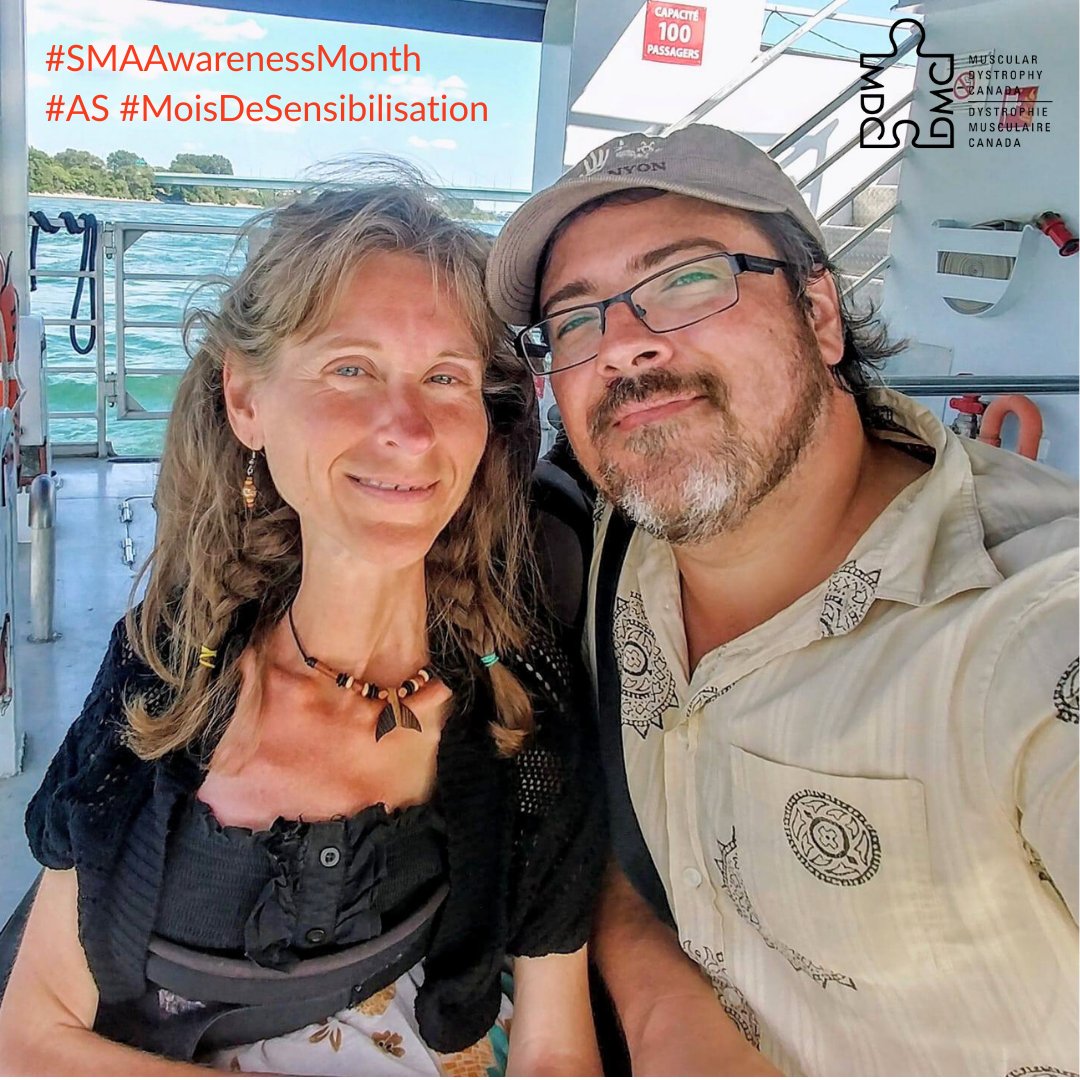
“At home, I’m her partner. But on trips or in emergencies, I become her caregiver.” For Arnaud, being with his partner Marie-Claude, who lives with spinal muscular atrophy (SMA), means constantly switching between love and responsibility.
Before they had home care support, Arnaud handled nearly everything: appointments, hygiene, meal prep, and even night repositioning. Even today, he’s still her emotional and physical backup. The hardest part isn’t just the physical labour. It’s balancing the emotional weight of being a husband and a caregiver at once.
“When I take care of her, she stops seeing me as her partner. And I stop feeling like one. That shift can be exhausting.”
During SMA Awareness Month, we’re honouring the hidden stories of the caregivers who show up every day, often without a break, and still find room for love.
To every caregiver out there: you are seen, valued, and vital.
#SMAAwarenessMonth
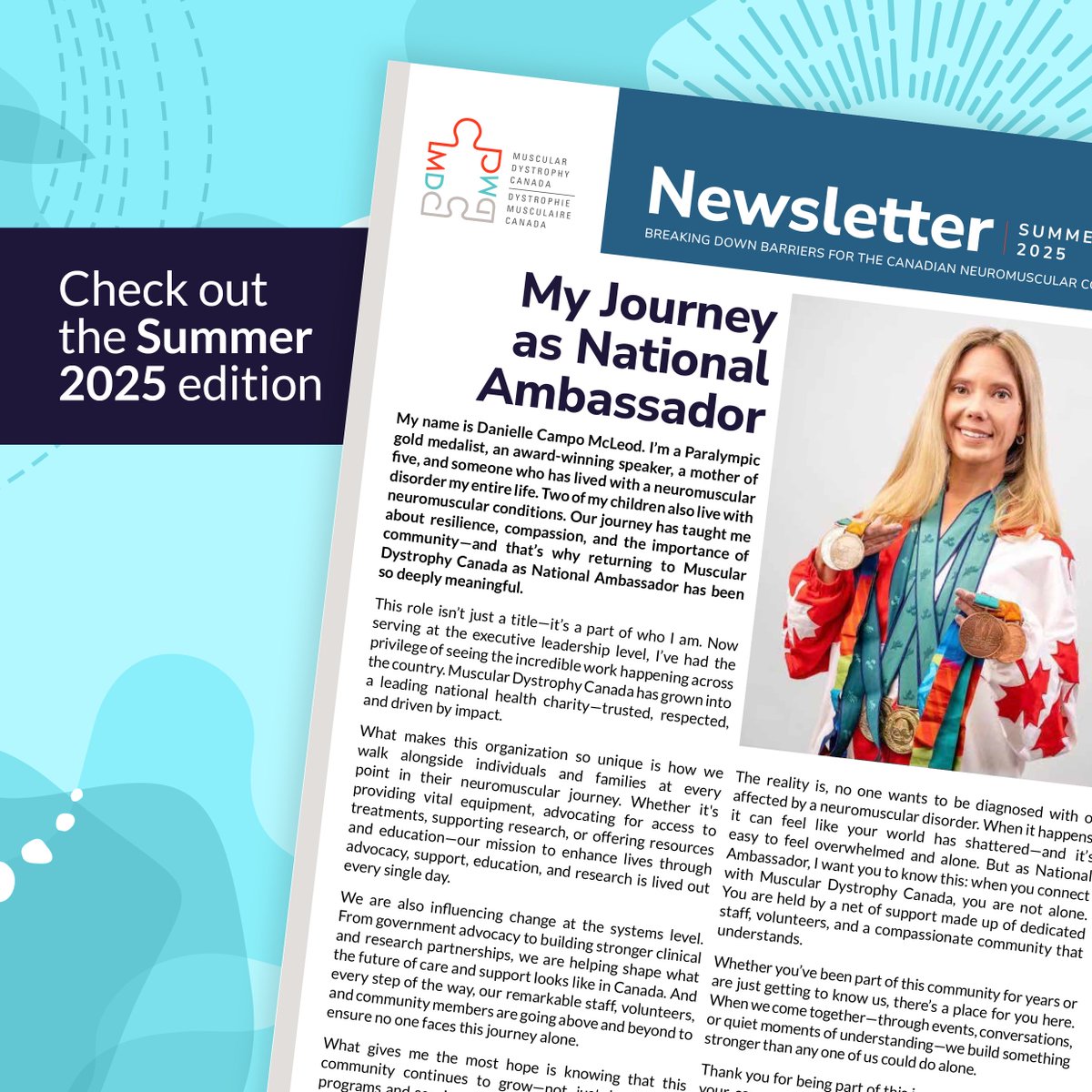
Our latest digital newsletter is full of heart, hope, and packed with impact. From community voices to big wins, these are the stories that remind us why we do what we do. Swipe through for the highlights.
🔗 https://t.co/QXPgZ3bg8o
Want stories like these delivered straight to your inbox?
Subscribe to our newsletter now at https://t.co/Fk4dr57zzs
Outdated Policies Are Holding Canadians Back, and this needs to Change NOW!
Medical breakthroughs are changing lives but outdated government policies are keeping Canadians with neuromuscular disorders trapped in hospitals and institutions instead of in their own homes, where they belong. This isn’t just unfair, it’s unacceptable and heartbreaking.
This is about dignity, independence, and the right to choose where to live. Caregivers are exhausted. Families are struggling. And yet, the government still refuses to provide adequate funding for home care. Medical breakthroughs are here and now, we need policy breakthroughs so Canadians with neuromuscular disorders don’t just survive, but truly thrive.
We need your voice. Share this post, tag decision-makers, and help us break down these barriers. Everyone deserves the chance to live life on their own terms with safety, independence, and respect.
🔗 Read more & take action: https://t.co/R2olEPOC4G
-
#AccessibilityMatters #AssistiveDevicesProgram #Funding #AssistiveDevices #NeuromuscularCommunity #Caregiver
This Rare Disease Day, we’re sharing Gus Campbell’s story to remind everyone that community makes a difference.
Gus’s journey to diagnosis was challenging. For two years, his family searched for answers. After multiple appointments and tests, and misdiagnosed referrals, a neuromuscular specialist diagnosed Gus with a rare neuromuscular condition - Paramyotonia Congenita. Since then, Gus has been on daily medication that helps manage his symptoms, but living with a rare condition presents ongoing challenges.
“For Gus, having a rare condition has made it difficult to share what it’s like with his peers. It’s so unknown that even we as his parents have trouble building understanding for him at times with his school and for outside sports and activities,” says his mom, Mary.
Through Muscular Dystrophy Canada, they’ve found a community that offers support, connection, and guidance. Simple gestures, like helping to find accessible summer camps, have made a big difference. Though his condition is rare, Gus knows he’s not alone. He’s met other families, attended Muscular Dystrophy Canada events, and even raised $800 at the Walk & Roll last year to help kids like him! 😊
This Rare Disease Day, we celebrate Gus and every family navigating the unknown. No matter the neuromuscular condition, you are a part of this community. You belong.
Drop a ❤️ for Gus in the comments to show your support!
#RareButNotAlone #RareDiseaseDay #MuscularDystrophyCanada #ParamyotoniaCongenita @rarediseaseday
MDC and @IL_Canada are partnering to equitably consult with individuals, organizations and stakeholders across disabilities to help inform Canada’s first Disability Inclusion Action Plan (DIAP).
Read more about this exciting collaboration: https://t.co/O6aU2JiRKo
@ESDC_GC
@airindiain Is there an option to convert my confirmed Toronto-Del-Mum ticket into an open ticket? I can't find any information on your website (it is confusing). I want to keep this ticket but use it later. please guide me.