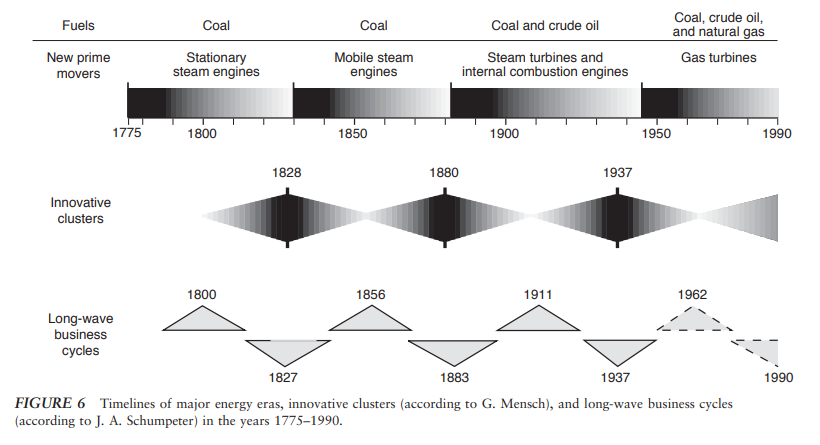
1. the adoption of new energy sources require substantial capital investment, which is why it's correlated with upswings in the business cycle
2. energy transitions occur in waves of innovation, which is triggered by economic depressions
@EnergyCynic@DoombergT Curious how you see the world reacts to this situation in the near-medium term
Recognize the value of hydrocarbon-dense energy sources?
Or continue putting blanket, ineffective subsides on renewables?
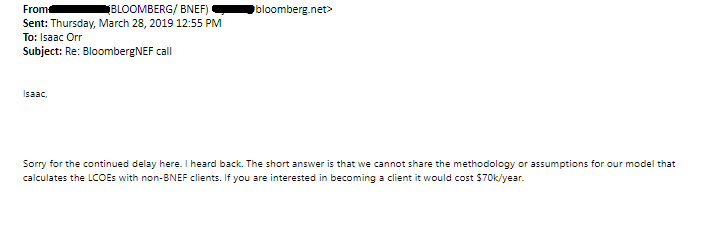
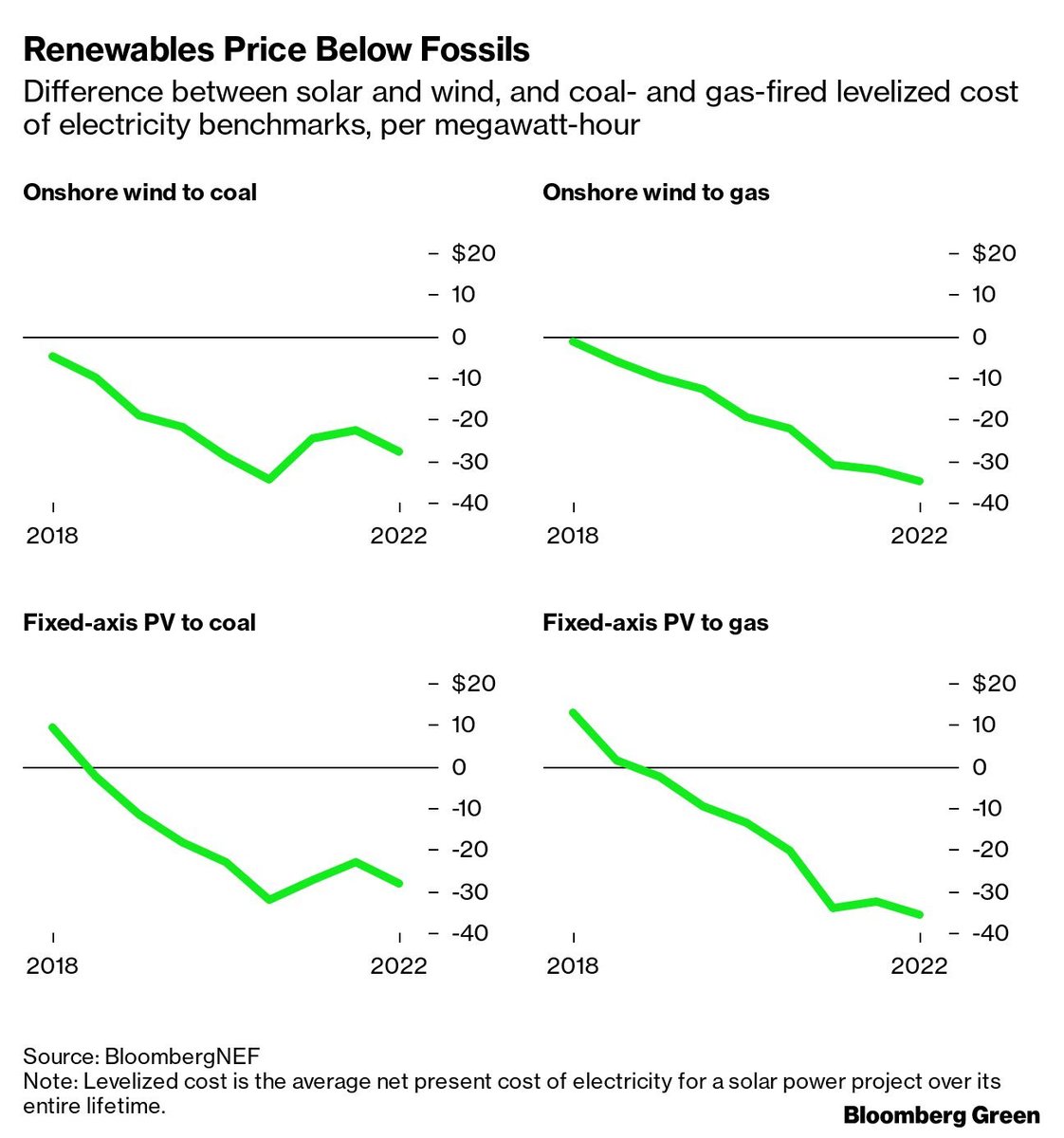
anyone have an idea of what assumptions BNEF uses for their Levelized Cost of Energy assumptions for wind and solar?
particularly: level of subsidies, expected life, and capacity factor
unfortunately can't afford $70k/year to get this answer
@BobLoukas@dcinvestor what is the key differentiator then between:
an NFT project raising funds, promising to deliver on a roadmap
vs.
a startup raising funds, promising to develop a product/ service
Company:
*reports bad quarter
"this is just a result in quarterly lumpiness of orders and recognition, nothing fundamental has changed
*reports good quarter
"we are witnessing the greatest structural change our industry has seen and we are well positioned to capitalize on it"
@EnergyCynic i couldnt read between the lines - is the capex increase not related to inflation, but increasing activity?
production guidance increase says it was a result of solid well performance