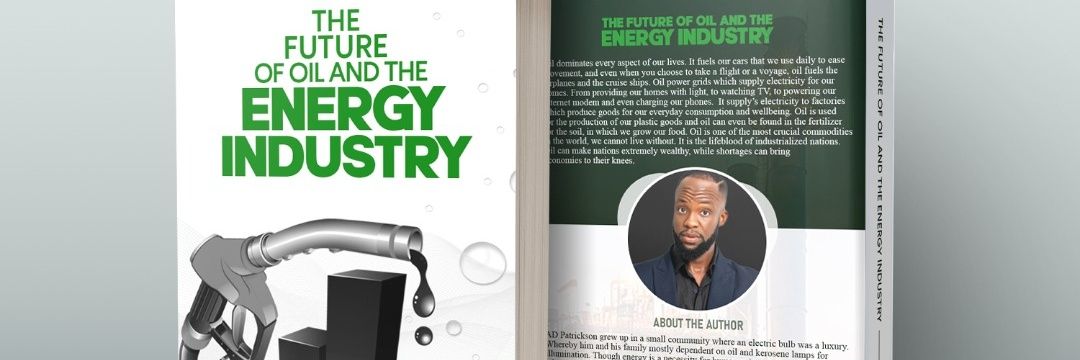
78,000 words📝
275 pages📚
4 years of hardwork and research 💡
The little night watch boy is now an author and an industry expert. Impossible is Nothing 💪
Never stop Believing 🦅👑🦅
#adpatrickson#sourcerock
The market is once again confronting a familiar question:
Could this conflict move from political confrontation to a genuine disruption of physical oil supply?
Despite renewed conflict, oil’s advance has remained relatively contained compared with the most extreme geopolitical scenarios.
That tells us something important.
The market is pricing risk—but not yet pricing a prolonged and catastrophic loss of supply.
Oil is currently acting as both a market and a warning system.
Its weakness tells us that investors remain concerned about global demand and economic growth.
Its rallies tell us that the global supply system remains vulnerable to geopolitical disruption.
As a petroleum engineer and macro investor, my conclusion is simple:
Do not watch oil only to determine where crude prices are going.
Watch oil to understand where inflation, interest rates, consumer demand and the global economy may be heading next.
My approach would be to trade selectively, keep position sizes disciplined, and stay alert for next week's CPI, which is likely to become the next major catalyst for all asset classes.
The market has become more balanced than it was two days ago. The fear that every U.S.–Iran headline would immediately translate into a sustained oil shock is fading because physical energy flows have largely continued.
For me, gold is no longer the highest-conviction macro trade. Until either inflation clearly cools or geopolitical risks materially worsen, the cleaner macro setup is in quality technology, while gold remains caught between competing forces.
Today's market is transitioning from pure geopolitical fear toward risk assessment. The market is no longer asking "Will there be a war?" It is asking:
"Will this war materially affect inflation, Fed policy, and corporate earnings?"
July 10, 2026
Today's market is transitioning from pure geopolitical fear toward risk assessment. The market is no longer asking "Will there be a war?" It is asking:
"Will this war materially affect inflation, Fed policy, and corporate earnings?"
Bearish for Gold
Fed Minutes were mildly hawkish.
Oil-driven inflation risk.
Higher Treasury yields.
A relatively firm U.S. dollar.
Right now those forces are offsetting each other.
That is why gold is not trending cleanly
Is gold's rally temporary?
At this stage, I would say:
Gold's bounce is likely to remain fragile until one macro narrative clearly wins.
There are two opposing forces.
Bullish for Gold
Weak NFP
Slowing US labor market
Lower long-term growth expectations
Geopolitical uncertainty
Renewed U.S.–Iran conflict and higher oil prices → Favors higher inflation, higher yields, stronger USD, and pressures gold.
The second story is dominating today's trading
Today is not a normal macro day. The market is balancing two competing narratives:
Weak U.S. labor market → Favors lower rates, lower yields, weaker USD, and stronger gold.
Bearish surprise:
Fed minutes push back against dovish pricing, CPI/PPI come hot, DXY rebounds above 101.50, 10Y yield pushes back above 4.55%, and gold loses the post-NFP support zone.
What would surprise market Today?
Bullish surprise:
Fed minutes sound less hawkish, DXY breaks below 100.50, 2Y yield falls below 4.00%, gold holds above $4,100, and Nasdaq leadership broadens beyond a few AI names.