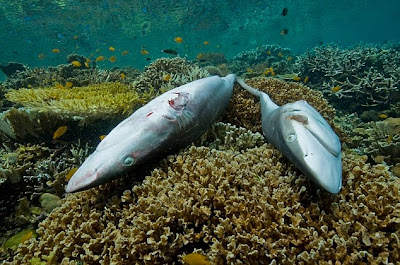
NOAA Fisheries tracks bycatch several ways, through human observers placed on fishing vessels, electronic technologies that record and transmit data, logbook information that fishermen are required to record and voluntary surveys of fishermen
#39canimals
NOAA Fisheries mentioned that the Marine Mammal Protection Act is the primarily way they govern evidential catches of marine mammals during fishing operations. #39canimals
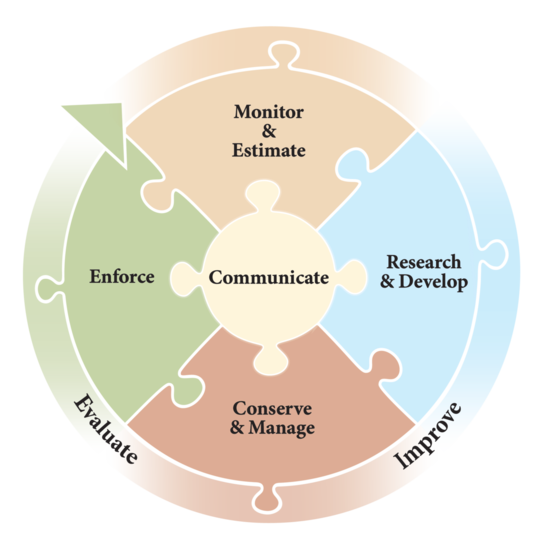
NOAA Fisheries is an organization that is committed to minimizing bycatch in the U.S fisheries. They plan to do this with their National Bycatch Reduction Strategy along with their partners.
Longlines, thousands of baited hooks hanging from a single life, trawl, large net that pulls through the water column or along the seabed, gillnets, long walls of netting hung in the water to trap and hold fish is dangerous for sharks because they can be badly injured
#39canimals
Bycatch is a problem that contributes to the slow rebuild of overfished animals and places protected species further at risk. This problem not only affects the marine ecosystem but negatively impacts fisherman, economically because they close early.
#39canimals
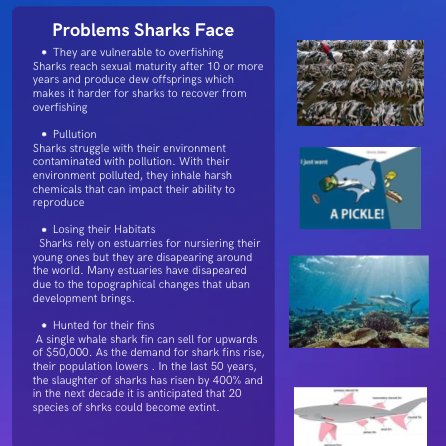
A problem that sharks face is that they are a victim of bycatch. This is when a fish or other marine life is caught unintentionally while targeting a specific species. They are usually kept to be sold on the market or thrown back to sea. #39canimals
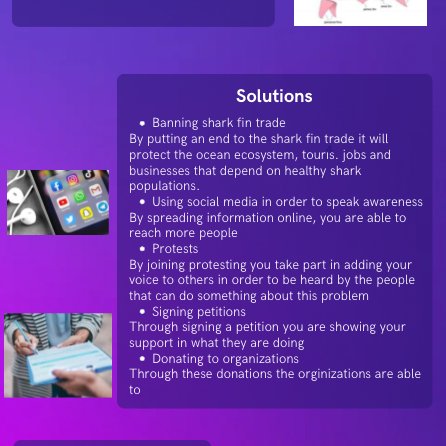
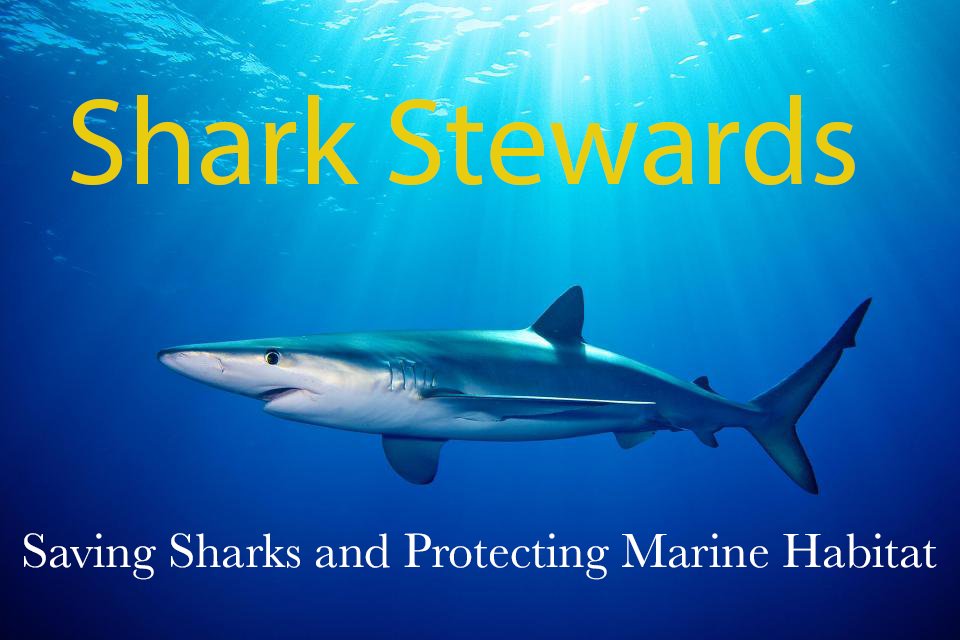
Caribbean Sea Shark Stewards is submitting written comments to support Retention Prohibition of Oceanic Whitetip Shaks in U.S Atlantic Waters and Hammerhead Sharks in the U.S. They are doing this in order to protect endangered oceanic sharks. https://t.co/Fhf0RCjIYL
#39canimals
When you donate $100 to Shark Stewards it goes to engage divers monitoring and eyes-on increasing protection for mobula rays, sharks and their habitat via SharkWatch. https://t.co/fQT6CVAIoU
#39canimals
Sea Save Foundation were able to get 20,000 shark advocates to send a message of the importance of sharks and that shark finning is unsustainable. They were able to complete a five year campaign where participants symbolize sharks, upload them to raise their voices. #39canimals
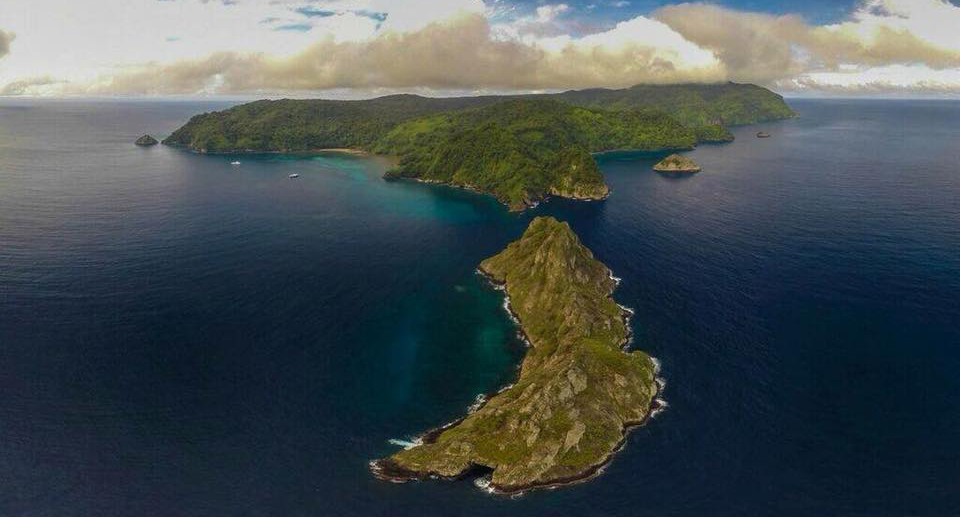
Sea Save Foundation co-founders of Cosos Island, known as The Island of the Sharks are working on protecting it from pollution and poaching. They are doing this through the publication of “Voice of Cocos Island” where experiences and stories on the island are told. #39canimals
One of the ways that Sea Save Foundation spreads awareness about shark finning and other ocean matters is through their online platform called “The Ocean Week in Review” #39canimals
🌊📢 Join the #OceanWeekInReview discussion! From shark finning to Tasmanian skate and plastic waste, get your tweets ready to make some waves. Follow us for the latest updates and insights from the deep blue sea: https://t.co/LOAGYDWBWf
There are many organizations that are trying to put a stop to shark finning. One way that you can help them in their mission is by supporting them through volunteering or donating. #39canimals
NOAA Fisheries banned shark finning in the Atlantic Ocean in 1993. Congress extended it to any vessel in the U.S Exclusive Economic Zone with Shark Finning Prohibition Act of 2000 and Shark Conservation Act of 2010. This required fishermen to bring the shark to shore. #39canimals
A solution to shark finning is boycotting restaurants to help spread awareness to the people that eat and sell shark fin soup. If there is a fewer demand for this dish, then the shark population won’t decrease rapidly. #39canimals
According to the source below, Whale sharks and Basking sharks are seen as prize catches because of their larger fins. Oceanic White tip and Silky sharks are common in the high-end shark trade. #39canimals
https://t.co/EwKrBn0RJA
Approximately 100 million sharks are killed globally each year because shark finning. According to the source below, this practice is responsible for 70% decline in shark population globally over the past 50 years. #39canimals
https://t.co/nT880pKypt
A problem that sharks face is shark finning is the practice of cutting off the fins of a living shark and throwing the rest of the animal back into the sea. The shark sinks to the bottom and die a slow and painful death. #39canimals
The critically endangered hammerhead who held the lives of 40 pups.40 innocent babies who never had a chance to live to increase this beautiful species chances of survival lost.Again bc of man’s idiocy &obsession with “fishing”&taking seaLIFE 41 lives lost https://t.co/FY5fsoT0vN