This #microbemonday meet a dinoflagellate we hope you don't already know. Gambierdiscus produces toxins that cause ciguatera fish poisoning. Warming waters expand this microbe's range. You can assist with research on marine microbes & climate change. Dive into Adrift today!
Marine microbes can be dangerous as some are responsible for red tides, paralytic shellfish disease & ocean dead zones. #ClimateChange is already causing an increase in toxic algal blooms. How else will climate change affect marine microbes? We aim to find out, and you can help.
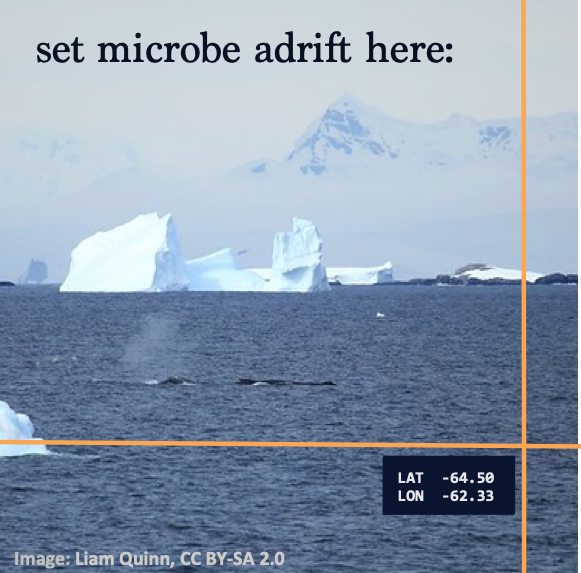
Whale poop plays an important role in nutrient cycling upon which marine microbes depend. Whales bring nutrients up from the depths where they feed to the surface where they poop. A nutrient cycle once nearly lost to hunting is now at risk from climate change. But you can help!
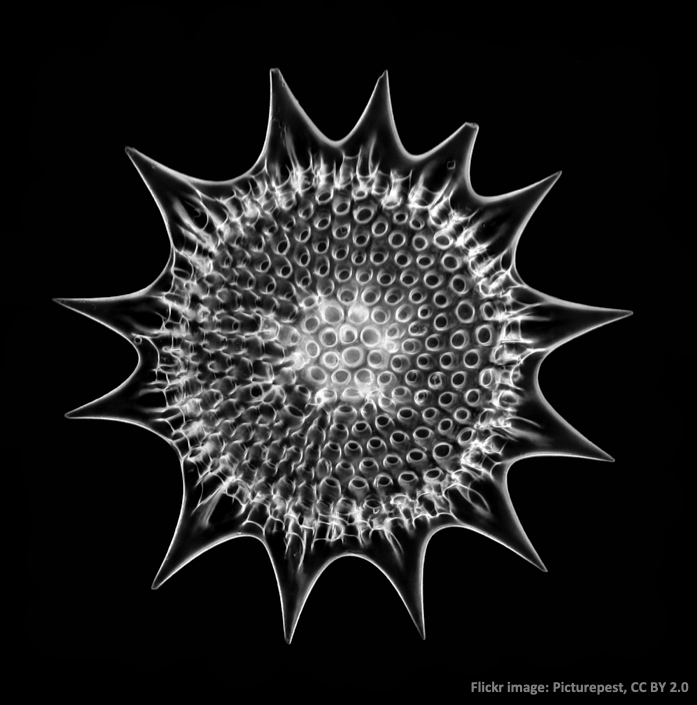
Coscinodiscus are widespread through the world's oceans but cannot tolerate very cold temps. Changes in their range can help scientists track warming oceans. You too can help research how climate change may affect marine microbes. Dive in! https://t.co/kgcWEijcc6 #microbemonday
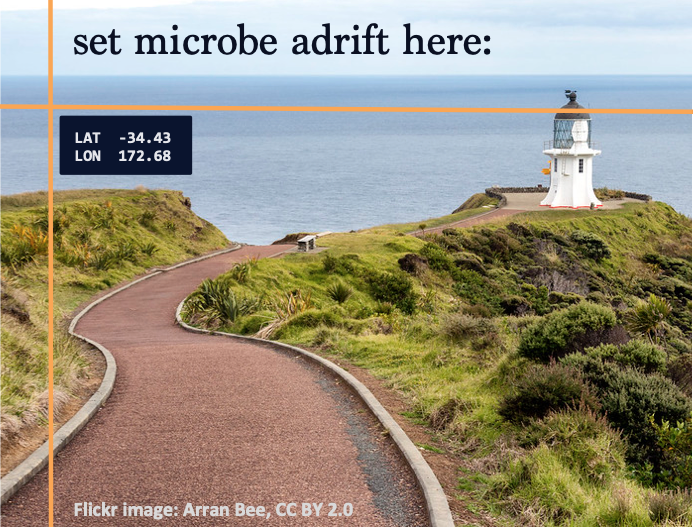
The northernmost tip of New Zealand splits the Tasman Front current in two. Does it divide equally east & west? You can find out! Set virtual marine microbes adrift northeast of Cape Reinga and see where they go. Map this or another ocean current today at https://t.co/kgcWEijcc6
Marine microbes are diverse & include bacteria, algae, diatoms, viruses, dinoflagellates, fungi, and plankton. Diversity drives microbe importance as they have many roles including producing oxygen, breaking down organic materials and processing greenhouse gasses. #adriftproject
Merry Christmas from Adrift & #microbemonday. As an epiphyte, Arachnoidiscus doesn't drift but stays put on its host & lets nutrients come to it. Whether you'll be a drifter or an epiphyte these holidays, we wish you peace & joy. Thank you for your contributions this year!
As the base of the ocean food chain, nearly invisible microbes are responsible for all the other amazing creatures that you can see, from tiny Christmas tree worms to huge whale sharks. Research is underway to understand how microbes may adapt to climate change. You can help!
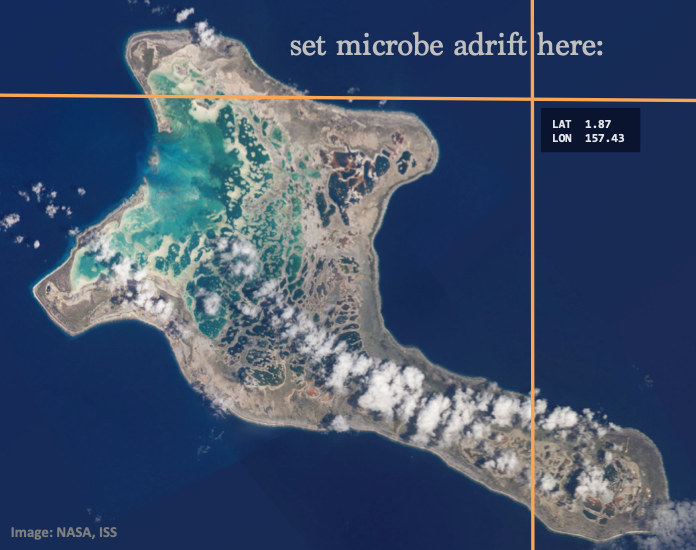
What better place to set microbes adrift this week than Kiritimati, Christmas Island, in Kiribati? Kiribati's people, flora, fauna & microbes are on the front lines of climate change. But you can help! Contribute to climate research via citizen science: https://t.co/kgcWEijcc6
This #microbemonday, feast your eyes on radiolarian Heliodiscus umbonatus. First described by Ernst Haeckel, it is one of 4700 species identified during the HMS Challenger expedition of the 1870s. Today, you can contribute to oceanographic research online! https://t.co/kgcWEijcc6
Ocean ecosystem services are worth $42 billion/yr in #Australia alone. What's at the base of this ecosystem? Marine microbes! It is vital to learn more about how microbes live & how they may respond to climate change. But to do this, we need you! Dive into Adrift #CitizenScience
Can you map the waters of the #Galapagos with microbes? At least 5 currents converge around the islands, making it an interesting place to release some virtual microbes! Your #CitizenScience data helps us understand how they may adapt to climate change. https://t.co/kgcWEijcc6
It's #microbemonday: Meet Gymnodinium catenatum, our #adriftproject study species. Data collected from the #CitizenScience you do informs lab experiments conducted at @UTS_Science. Those experiments are run on these little guys.
Thank you citizen scientists! And thank you, Gymn!
Data from Adrift is being utilised in lab experiments where researchers can set water temp & nutrient levels to mirror those of your virtual simulations. Areas of interest identified virtually might also be targeted for future real-world sampling Image:@MartinaADoblin@UTSEngage
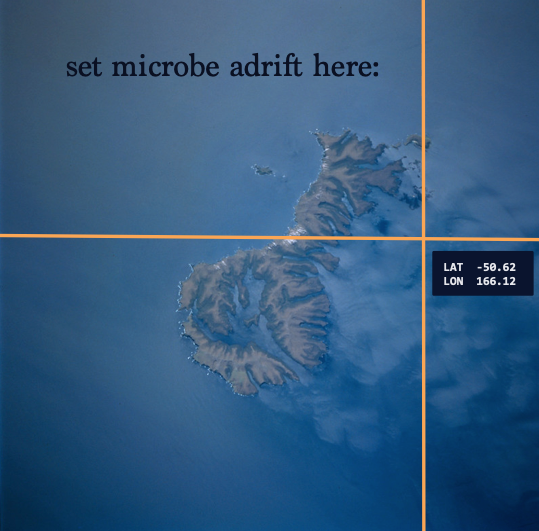
Ripples visible in this #NASA image of Auckland Island are internal waves. Caused by tides, deep-sea ridges or in this case, wind, it must be quite a ride for microbes drifting here. Learn more about the microbe experience and launch your microbe today: https://t.co/kgcWEijcc6
Happy #microbemonday! Meet #Chaetoceros, a chain-forming #diatom found in oceans the world over. Its long spines are thought to deter predators or slow its rate of sinking.
Want to help with research on microbes & climate change? https://t.co/kgcWEijcc6
Image: @MartinaADoblin
#MarineMicrobes are tiny. This picture contains billions. But don't confuse tiny with insignificant. Marine microbes regulate our #climate & produce a chemical needed for cloud formation. Without them, life on earth would be much different. Give back: https://t.co/kgcWEijcc6
#UNESCOWorldHeritageSite#MacquarieIsland is home to the world's largest pest-eradication project. But life here is also threatened by change in the sea. Will #ClimateChange undercut terrestrial progress? Help us learn how marine microbes at the base of the food chain may respond