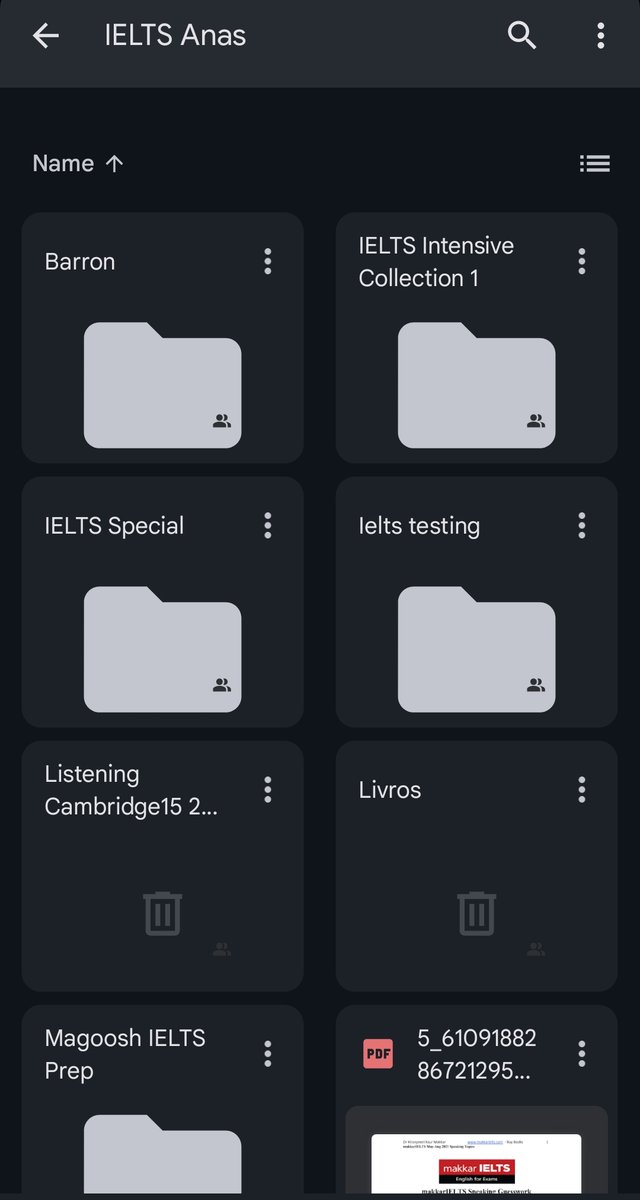
If you are preparing to take IELTS, google the following, they will help you in acing the test
IELTS Buddy
IELTS Simon
IELTS LIZ
IELTS Mentor
IELTS Advantage
Road to IELTS
E2 IELTS
I also included 8GB worth of FREE IELTS Materials for your study.
OPEN!
2024 University of Alberta Scholarship in Canada
Host Country: Canada
Study Level:
• Bachelor
• Master
• PhD
Eligible Countries: All Countries
Benefit:
✅Full Scholarship
Deadline: March 1, 2024
APPLY↙️
https://t.co/TjATPpLlsd
PhD Students / Researchers - How to write the discussion section of your paper?
Discussion section is the trickiest section to write but the most interesting section to read.
Here are 6 questions that you can answer in your discussion section.
𝟏. 𝐖𝐡𝐚𝐭 𝐢𝐬 𝐝𝐢𝐟𝐟𝐞𝐫𝐞𝐧𝐭 𝐢𝐧 𝐲𝐨𝐮𝐫 𝐟𝐢𝐧𝐝𝐢𝐧𝐠𝐬 𝐜𝐨𝐦𝐩𝐚𝐫𝐞𝐝 𝐭𝐨 𝐩𝐫𝐞𝐯𝐢𝐨𝐮𝐬 𝐫𝐞𝐬𝐞𝐚𝐫𝐜𝐡?
Highlight any distinctive aspects of your results when compared to previous studies. Identify differences, contradictions, or novel findings. This helps you build upon existing knowledge and position the novelty of your findings.
𝟐. 𝐖𝐡𝐚𝐭 𝐢𝐬 𝐬𝐢𝐦𝐢𝐥𝐚𝐫 𝐢𝐧 𝐲𝐨𝐮𝐫 𝐟𝐢𝐧𝐝𝐢𝐧𝐠𝐬 𝐜𝐨𝐦𝐩𝐚𝐫𝐞𝐝 𝐭𝐨 𝐩𝐫𝐞𝐯𝐢𝐨𝐮𝐬 𝐫𝐞𝐬𝐞𝐚𝐫𝐜𝐡?
Discuss any similarities or agreements between your results and those reported in the literature. By establishing common ground, you strengthen the credibility and reliability of you research while showcasing the robustness of scientific inquiry.
𝟑. 𝐇𝐨𝐰 𝐝𝐨 𝐝𝐢𝐟𝐟𝐞𝐫𝐞𝐧𝐭 𝐬𝐞𝐜𝐭𝐢𝐨𝐧𝐬 𝐨𝐟 𝐲𝐨𝐮𝐫 𝐫𝐞𝐬𝐮𝐥𝐭𝐬 𝐬𝐞𝐜𝐭𝐢𝐨𝐧 𝐜𝐨𝐫𝐫𝐞𝐥𝐚𝐭𝐞, 𝐚𝐧𝐝 𝐰𝐡𝐚𝐭 𝐜𝐚𝐧 𝐲𝐨𝐮 𝐥𝐞𝐚𝐫𝐧 𝐟𝐫𝐨𝐦 𝐢𝐭?
Explore the relationships and correlations among different sections or variables in your findings. Uncover patterns, trends, or unexpected connections. Extract valuable insights and lessons that have not been reported in the results section.
𝟒. 𝐖𝐡𝐚𝐭 𝐚𝐫𝐞 𝐭𝐡𝐞 𝐢𝐦𝐩𝐥𝐢𝐜𝐚𝐭𝐢𝐨𝐧𝐬 𝐨𝐟 𝐲𝐨𝐮𝐫 𝐟𝐢𝐧𝐝𝐢𝐧𝐠𝐬 𝐟𝐨𝐫 𝐩𝐫𝐚𝐜𝐭𝐢𝐭𝐢𝐨𝐧𝐞𝐫𝐬?
Who is the user of your research? How can that user benefit from your findings? Analyze how your findings can be applied in practical settings. Identify the implications and potential benefits for professionals, organizations, or industries. Help bridge the gap between research and practice.
𝟓. 𝐖𝐡𝐚𝐭 𝐚𝐫𝐞 𝐭𝐡𝐞 𝐢𝐦𝐩𝐥𝐢𝐜𝐚𝐭𝐢𝐨𝐧𝐬 𝐨𝐟 𝐭𝐡𝐞 𝐟𝐢𝐧𝐝𝐢𝐧𝐠𝐬 𝐟𝐨𝐫 𝐫𝐞𝐬𝐞𝐚𝐫𝐜𝐡𝐞𝐫𝐬?
How can your findings help other researchers? Discuss how your findings contribute to the broader research landscape. Address the theoretical, methodological, or empirical implications. Highlight the potential avenues for future research.
𝟔. 𝐖𝐡𝐚𝐭 𝐚𝐫𝐞 𝐭𝐡𝐞 𝐥𝐢𝐦𝐢𝐭𝐚𝐭𝐢𝐨𝐧𝐬 𝐚𝐧𝐝/𝐨𝐫 𝐭𝐡𝐫𝐞𝐚𝐭𝐬 𝐭𝐨 𝐭𝐡𝐞 𝐯𝐚𝐥𝐢𝐝𝐢𝐭𝐲 𝐨𝐟 𝐭𝐡𝐞 𝐟𝐢𝐧𝐝𝐢𝐧𝐠𝐬?
Acknowledge and discuss the limitations inherent in your study. Identify potential biases, constraints, or other factors that may have influenced the results. Better also highlight what you did or couldn't to overcome those limitations.
Any other point to be included in the discussion section?
@traveloka Saya sudah cek dan merespon tanggapan mereka. Namun tidak ada hasil. Mohon bantuannya untuk menindak lanjuti perihal ini. Karena saya sebagai kostumer dirugikan.
An exciting PhD position in Environmental Microbiology between the Plant Nutrition and Sustainable Agroecosystem @ETH_SAE_group Groups at ETH Zurich: https://t.co/sGvNE0NerH
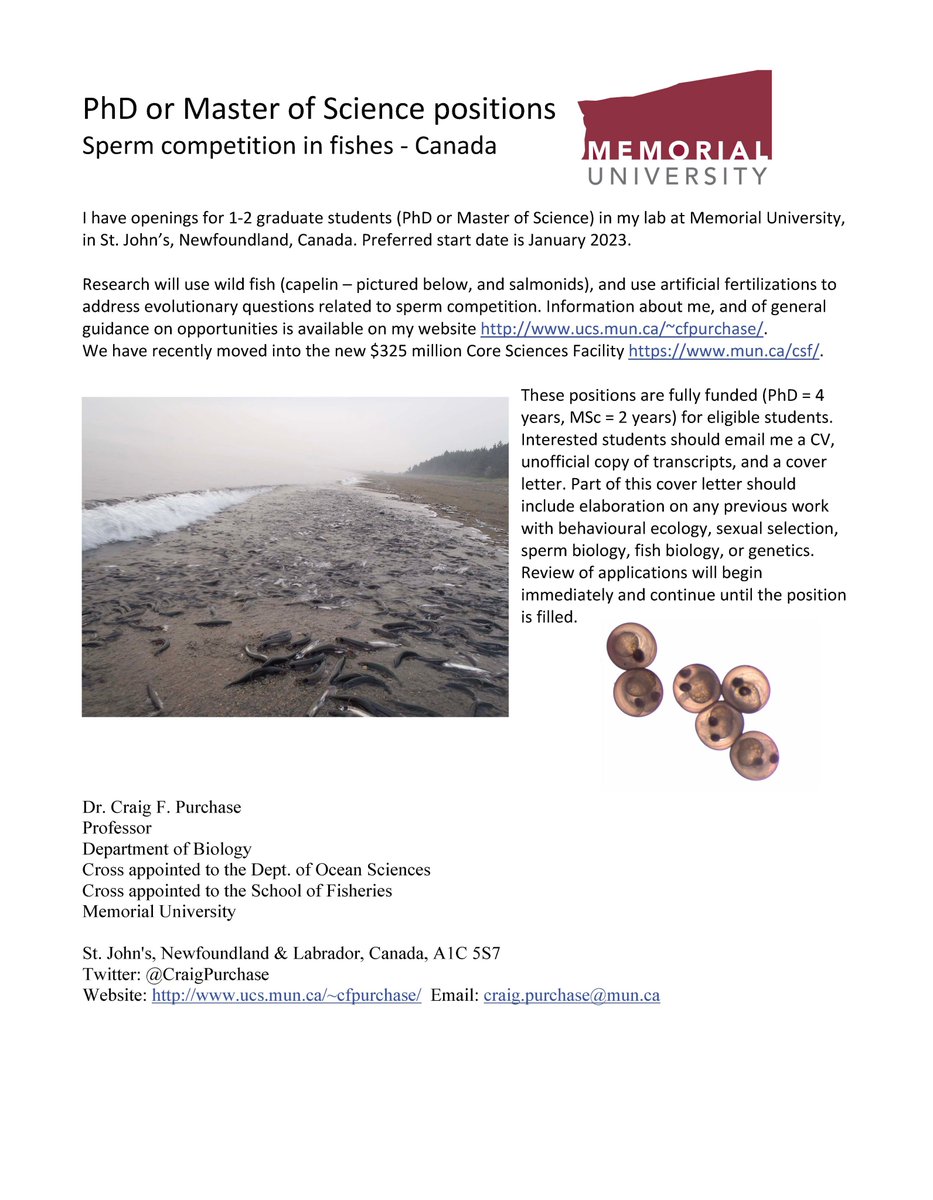
I have openings for 1-2 students (PhD or MSc) to research sperm competition in fishes. Positions will be fully funded & are located at Memorial University of Newfoundland, in St. John's (Canada). Attached poster provides information on how to apply.
Please RT.
Twitter Inc. said in a regulatory filing that Tesla CEO Elon Musk provided a letter to the company that contained a proposal to buy the remaining shares of Twitter that he doesn't already own. https://t.co/XZPhONJPLs
Finally, after +2 years, heading to the remote archipelago of Saint Peter and Saint Paul 🇧🇷 for some fieldwork action. We’re going to deploy a new acoustic receiver array to monitor residency of yellowfin tuna, and, of course, tag some 🐟 🐟 🐟!
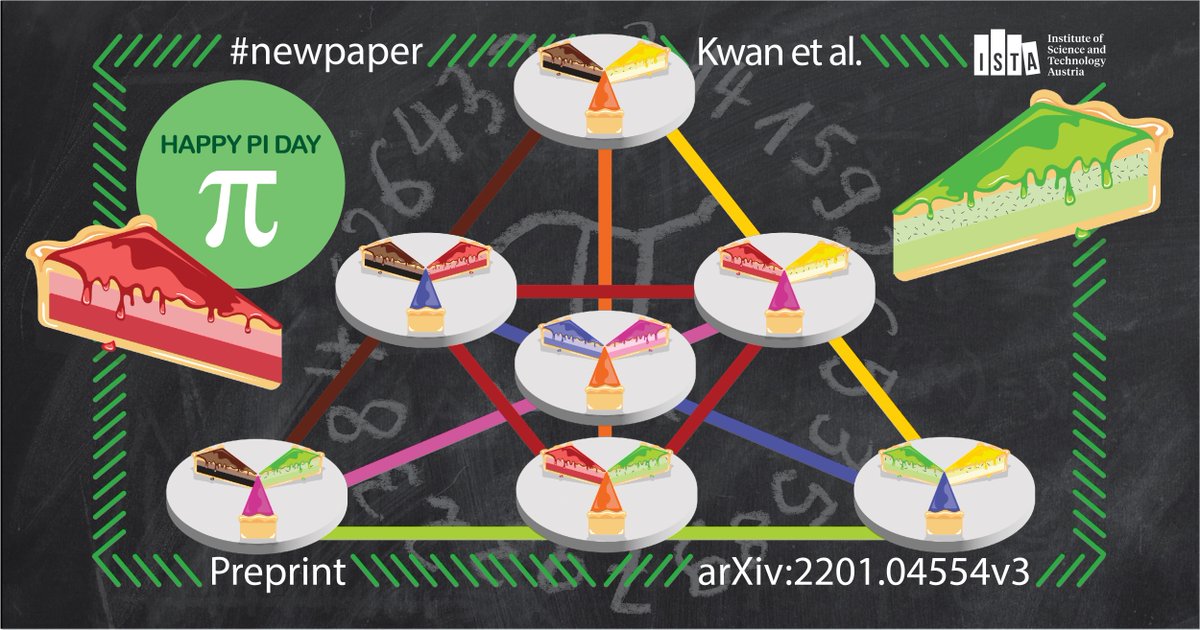
#happypiday! 🥧
Mathematical breakthrough in combinatorial #designtheory: ISTA professor Matthew Kwan, with colleagues from @Harvard and @MIT, has solved the decades-old Erdős conjecture by showing the existence of high-girth Steiner triple systems. 👉 https://t.co/gm1Y76drJ1
Our paper using game theory to predict diel activity patterns of marine predators, is out with front cover. While the model is not specific to sharks, the idea came from activity data from reef sharks. https://t.co/vc0QkYEtpC
Its official: Clownfish 1 : Shark 0.
We caught clownfish mobbing (tail biting) a passing blacktip reef shark on video in our short paper out today by @jules_schligler @r_beldade & Agathe Blandin @criobe_pf@EPHE_PSL Enjoy the video!
https://t.co/XiPxkPXH5u
JOB! JOB! JOB!
Our School at Macquarie University is hiring a Senior Lecturer in vertebrate physiology. Come and join our team: https://t.co/gby9DwQqaV @MQSciEng@Macquarie_Uni@500womensci