.@alexandr_wang on why you need to be building:
"Be prolific. No great person was lazy.
Every great human throughout history was incredibly prolific. They were constantly producing, practicing, and perfecting. You will be no different—get building."
It really annoys me how they report this stuff like they’ve gone on safari to do scientific observation
Claude is a computer program that they created
These are simply their own security errors being reported as if they are scientific achievements
It’s bad enough that they don’t seem to think they need to be responsible for their own mistakes
But the worst part of it is they try to use their own mistakes as an excuse to control the behavior of other people
There is an amazing arrogance to the whole thing, like they are completely above reproach and cannot possibly be wrong about anything
@NaijaFlyingDr Good Day @NaijaFlyingDr
You once posted a book on how funding works. The stages from pre-seed to series A,B, C, D.
Please could you reshare the PDF.
I use to have it.
When I thought to share it with my community of WhatsApp, I couldn't find it no more.
Thank you very much
My name is Aduragbemi
Good Time to be active
Over the past 10months, I've designed and written entire flows, models and architecture for software products (improvements on existing and original).
I finally got a PC after 2yrs of not having one.
It's time to build. Everything
What It Takes to Be a Strategist
In the earliest stages of becoming a strategist, there is a rather insatiable urge to accumulate knowledge. So at first, you characterize yourself by how much you know and how quickly you can learn it:
frameworks, methods, storytelling, communication, trend analysis, category thinking, and a working understanding of adjacent disciplines like culture, operations, and growth. At this stage, progress often feels synonymous with intellectual expansion. And this perhaps is the most defining phase of a strategist as it will shape the kind of strategist you eventually become, so don't rush through it.
For a while, all of this knowledge will feel internally disjointed. Which makes it hard to build a sharp conviction for what truly matters, or when. It can feel as though you are circling strategy but not quite touching it in a way that creates alpha (leverage) for an organization.
But at its core, the strategist’s primary responsibility is to help an organization find its alpha (credit to @Fortunekonnect) — to identify and help an organization act on its highest point of leverage at a given moment in the organizations lifecycle.
And you cannot outsource the discovery of this level of leverage to frameworks or methods, these are merely tools in isolation. A lot of your ability in this domain will come from practice, experience, and the kind of repeated exposure to real challenges that unifies every tool and idea you've accumulated in your formative era.
To be a strategist is to hold responsibility for that leverage. Everything you learn, every skill you hone, exists to serve that one purpose, and that is what it truly takes to be a strategist.
The best form of defence is attack.
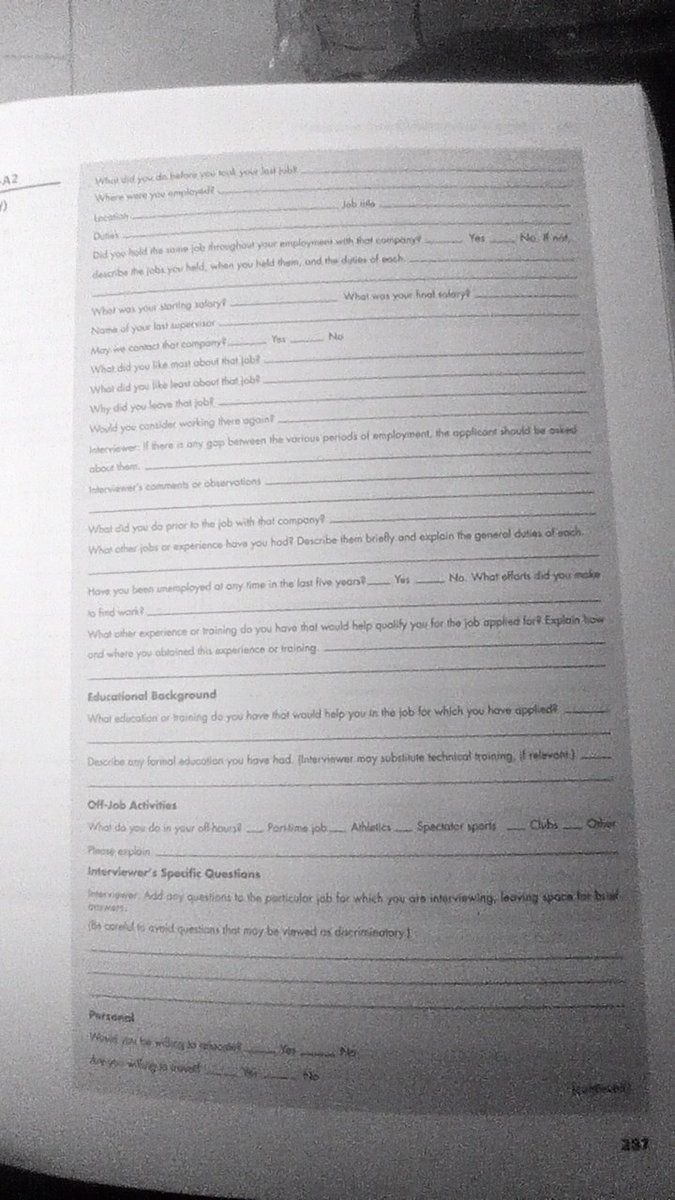
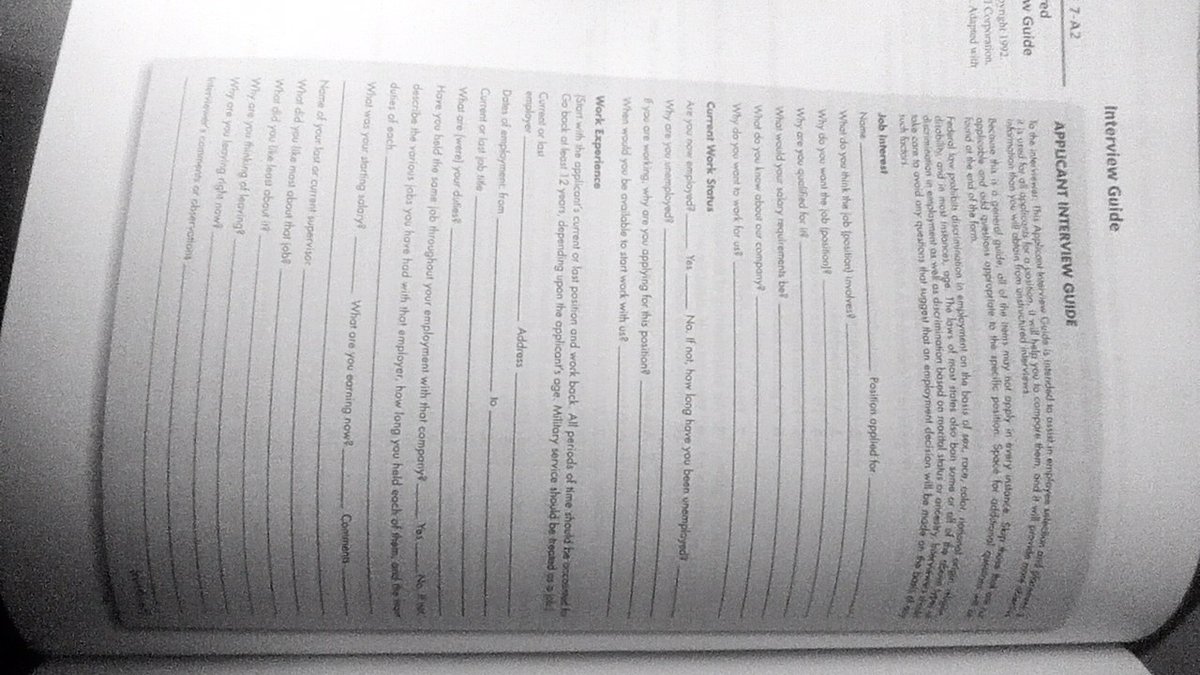
Learning how interview works through an book on Human Resource Management.
In the thread is a list of questions you might be asked
Hope is our greatest weapon, yet our greatest weakness.
The Greater the Hope, The Greater the Disappointment.
Yet, The Greater the Hope, The Greater The Joy