Advent Research Materials supply high purity metals, alloys and polymers to the scientific research community across the globe.
ISO 9001:2015 accredited.
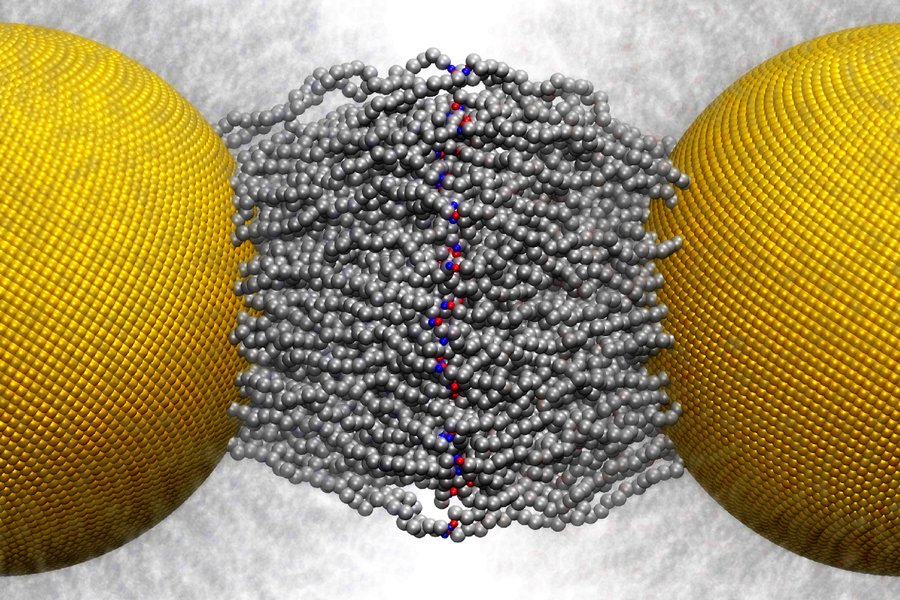
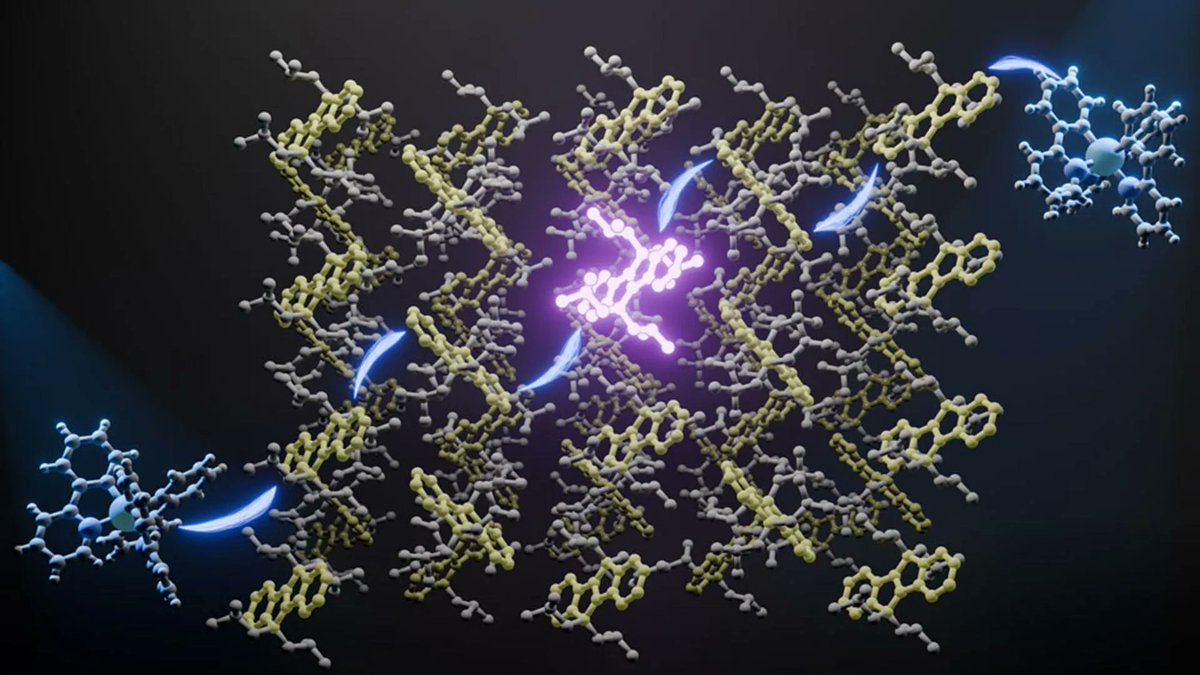
A team including @MIT researchers has challenged a 20-year assumption in nanoparticle assembly: that connector ligands must be rigid. Using highly flexible ligands, they built crystal structures not seen before.
https://t.co/0AX9YOK0iX
A microprobe can navigate and image smaller arteries than previously possible, helping diagnose and plan treatments for vascular diseases https://t.co/Fekqb07UwB
Pulsar Fusion has achieved first plasma in its Sunbird fusion rocket exhaust system at its Bletchley facility in the UK.
The milestone marks a key step toward developing its planned fusion propulsion technology.
Sunbird aims to enable much faster travel through deep space than conventional rocket propulsion.
A new study from MIT researchers could help to enable next-generation lidar sensors that are compact, durable, and have no moving parts. The key advance is a novel design for a silicon-photonics chip, which is a semiconductor device that manipulates light rather than electricity. https://t.co/QqZzOzKysS
Princeton researchers have cleared a major hurdle toward the advent of practical quantum computing by developing a new kind of superconducting qubit that improves quantum coherence time by 15 times that of industry standards.
The new qubit design is similar to those already used by leading companies like Google and IBM, and could easily be slotted into existing processors, according to the researchers.
Read the full story: https://t.co/OjGvTPR6RZ
Watch: Researchers in @NCB_MIT, led by @deblinasarkar59, have developed injectable nanoantennas that can be magnetically activated to create localized electric fields that target and destroy glioblastoma cells without damaging healthy brain tissue. Published in @ScienceAdvances, the technology — named HITMAN (highly-localized electric-field-induced tumor therapy using magnetically actuated nanoantennas) — eliminated 52.2 percent of drug-resistant cancer cells in pre-clinical studies, more than five times the effectiveness of standard chemotherapy, and extended median survival in animal models by 50 percent, with no detectable toxicity.
Coated copper and gold still corroded. Charged water drops breached the coating with static alone. The upside: knowing the mechanism now opens a path to better anticorrosion coatings for bridges & ships etc.
https://t.co/WQDz76upOy
Free UK shipping on every order. 🇬🇧
High-purity metals, alloys and polymers for scientific research — in stock, shipped within 48 hours from Oxford, no delivery charge anywhere in the UK.
Shop online: https://t.co/qthrf0HS6G
Scientists have revolutionised the way metals are made by using lower and slower heating of alloys to control how atoms self-organise during material manufacturing.
https://t.co/libamXD7eN
A tiny atomic shift gives scientists powerful control over metals.
By carefully engineering the atomic interactions where two materials come into contact, this team was able to significantly alter the properties of a metallic material. https://t.co/BbfdVjrqgA
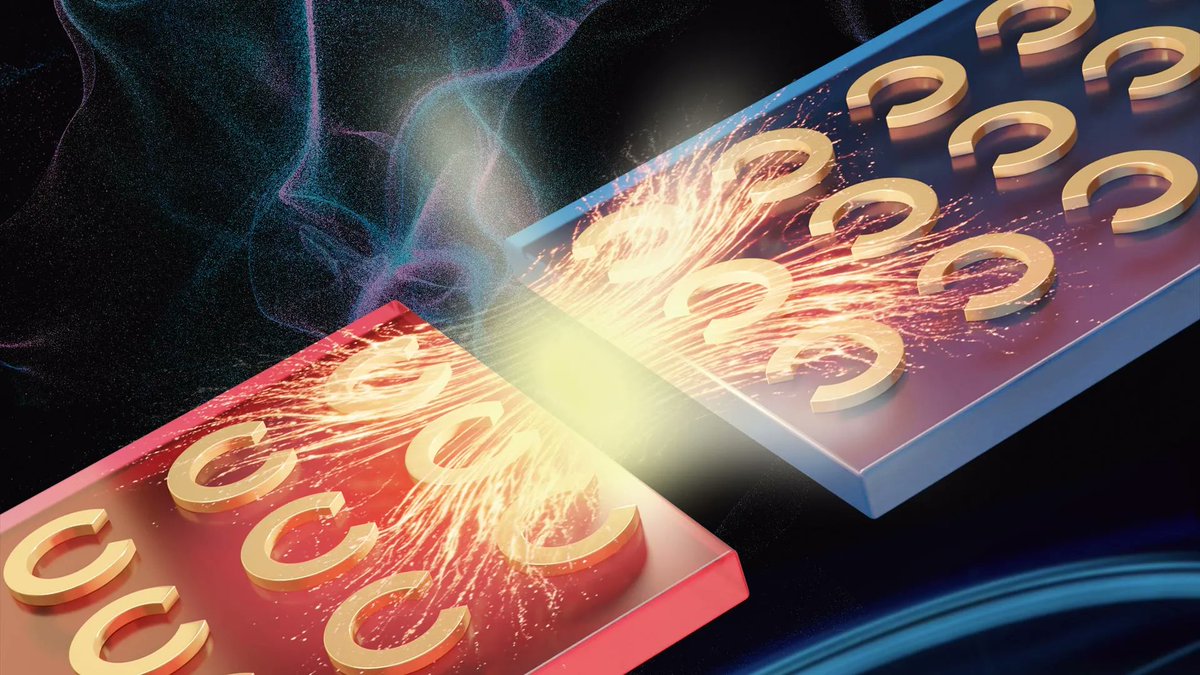
🔬 Scientists just boosted nanoscale heat transfer 4× using tiny #gold metamaterial structures — a breakthrough that could transform chip cooling and energy tech.
Nature, 2026 | CMU, Stanford & Purdue
https://t.co/m5ndu0W9qF