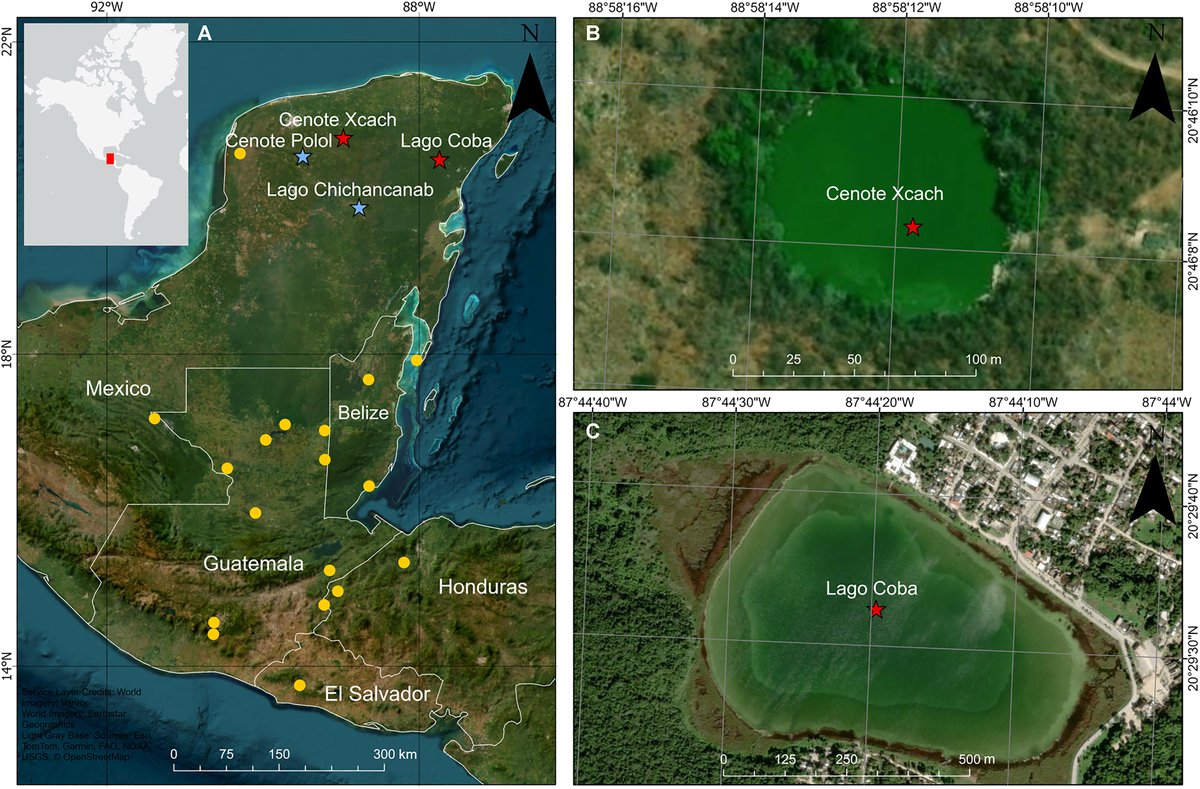
The use of mercury by the ancient Maya for ceremonies, religious events, and decoration spread the pollutant even further throughout the Yucatán region than previously known. https://t.co/1sNxBXWA8J
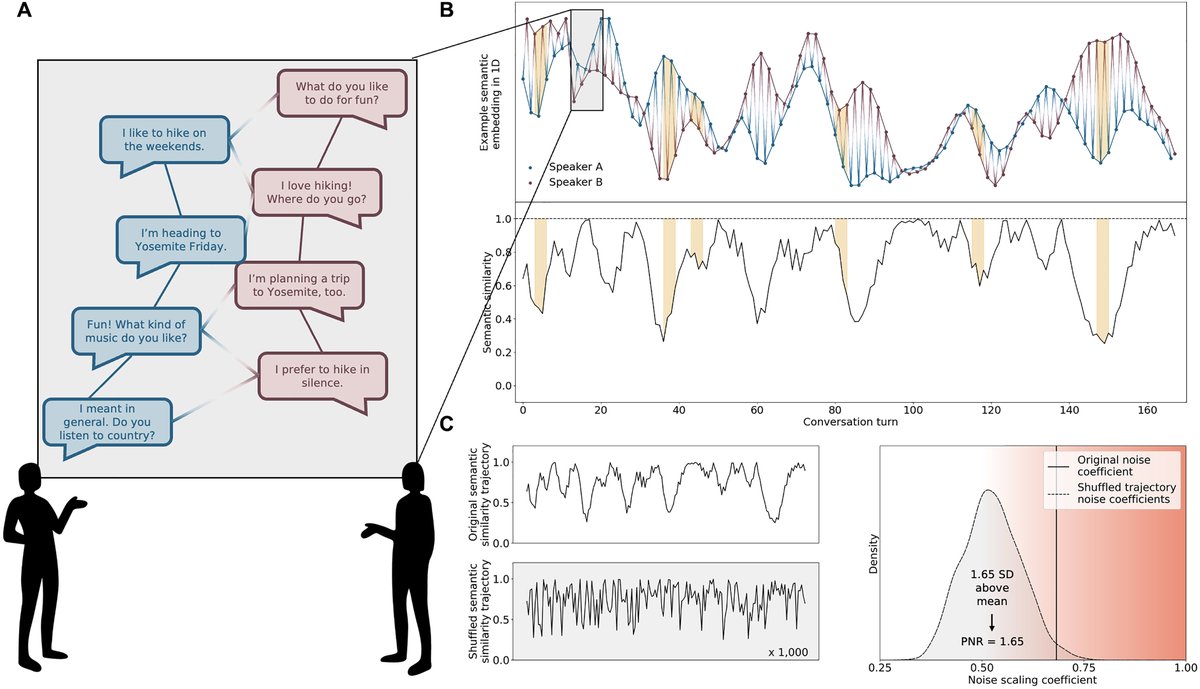
Good conversation between two people involves “pink noise,” according to new research. This term refers to fluctuations in semantic similarities—alignments in speech patterns and word choice—across time scales during a chat. https://t.co/ttSb8DYptD
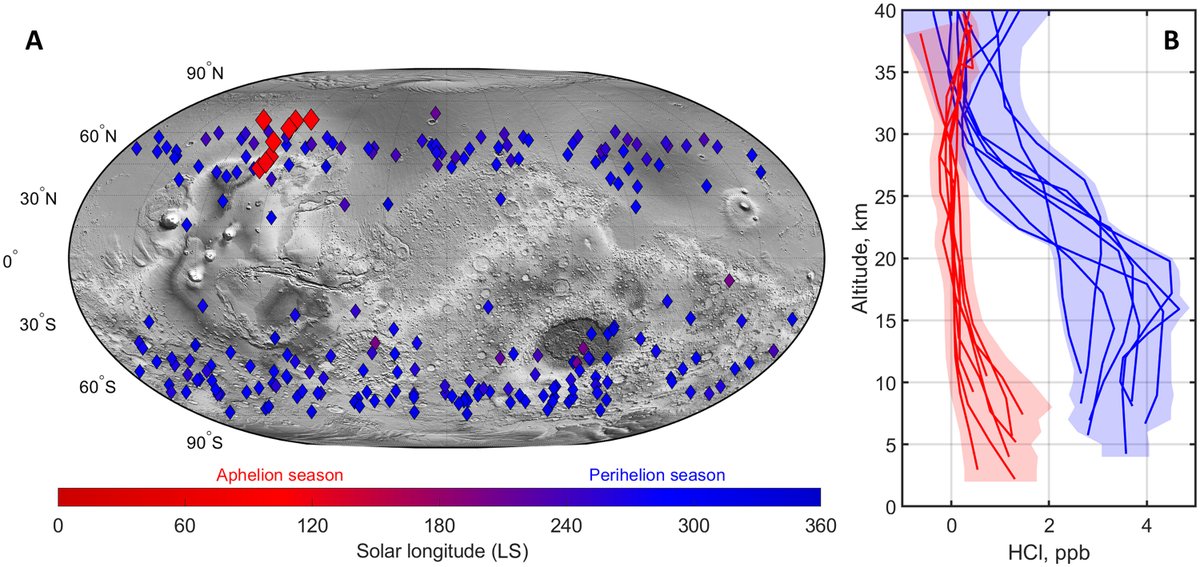
Newly documented traces of hydrogen chloride—a stinky gas often produced by magmatism—in the Martian atmosphere corroborates emerging evidence that suggests the planet is still volcanically active. https://t.co/GCMEUdIXAL
A new study describes the Multimodal Ultrasound System for Injury Care device, which helps visualize spinal cord structure and track blood flow speed and velocity after surgery.
Learn more in this week’s issue of Science Advances: https://t.co/GM1oyq3NVU
A new study shows that climate-driven shifts in plant community structure, rather than peat decomposition alone, may threaten the stability of peatland ecosystem functions in the future. https://t.co/yLzfOtd4BZ @yiqiluo
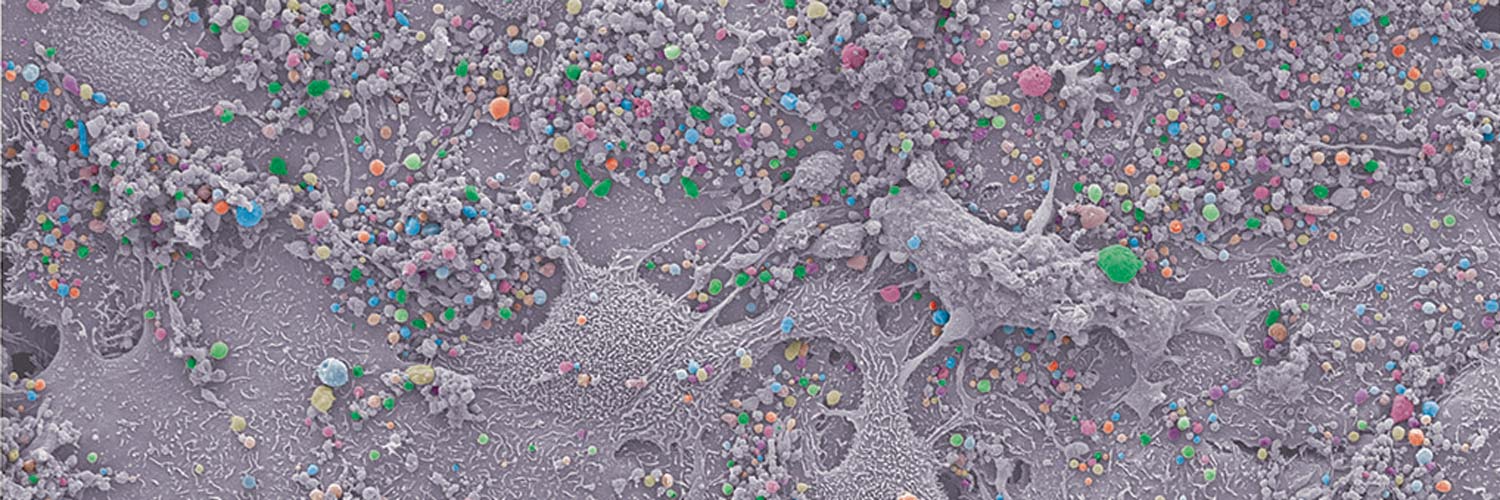
A new study offers insights into cancer prevention and therapy through the construction of a pan-cancer microbial epitope landscape from 1190 samples across 24 types of cancer. https://t.co/MWgfrFdTfe
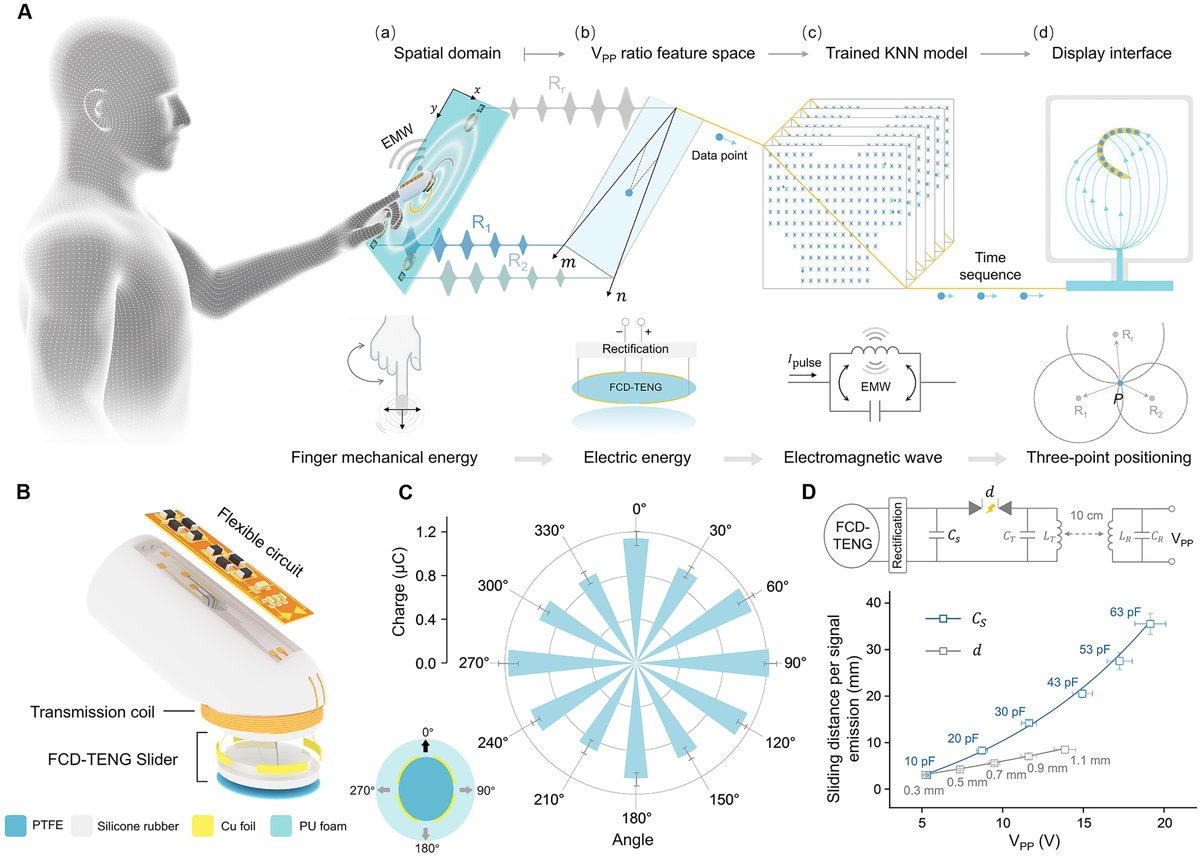
Scientists have developed a self-powered, finger-worn interface that converts fingertip movement directly into wireless communication signals. https://t.co/EPZjmSvZgP
Researchers have deorphanized the G protein–coupled receptor GPR88, identifying C1ql1 as its ligand, which bridges it to the postsynaptic receptor BAI3. https://t.co/ZL8q5cl9Ui @ShenzhenBayLab@PKU1898
1/ Excited to share our new study, steered by A. Lazarenkov @CarrerasIJC, out now in @ScienceAdvances!
TET2-driven AGO2 activation links epigenetic reprogramming to myeloid commitment and leukemia. 🧵👇
https://t.co/pAkHPeKpkw
I was inactive on X for a long time, and I forgot to share a huge milestone with you here. My Postdoc paper was accepted at @ScienceAdvances
https://t.co/bgxhJiQ0fS
Back in 2018, I moved to the Netherlands for the first time to do an internship in Bart Everts' lab.
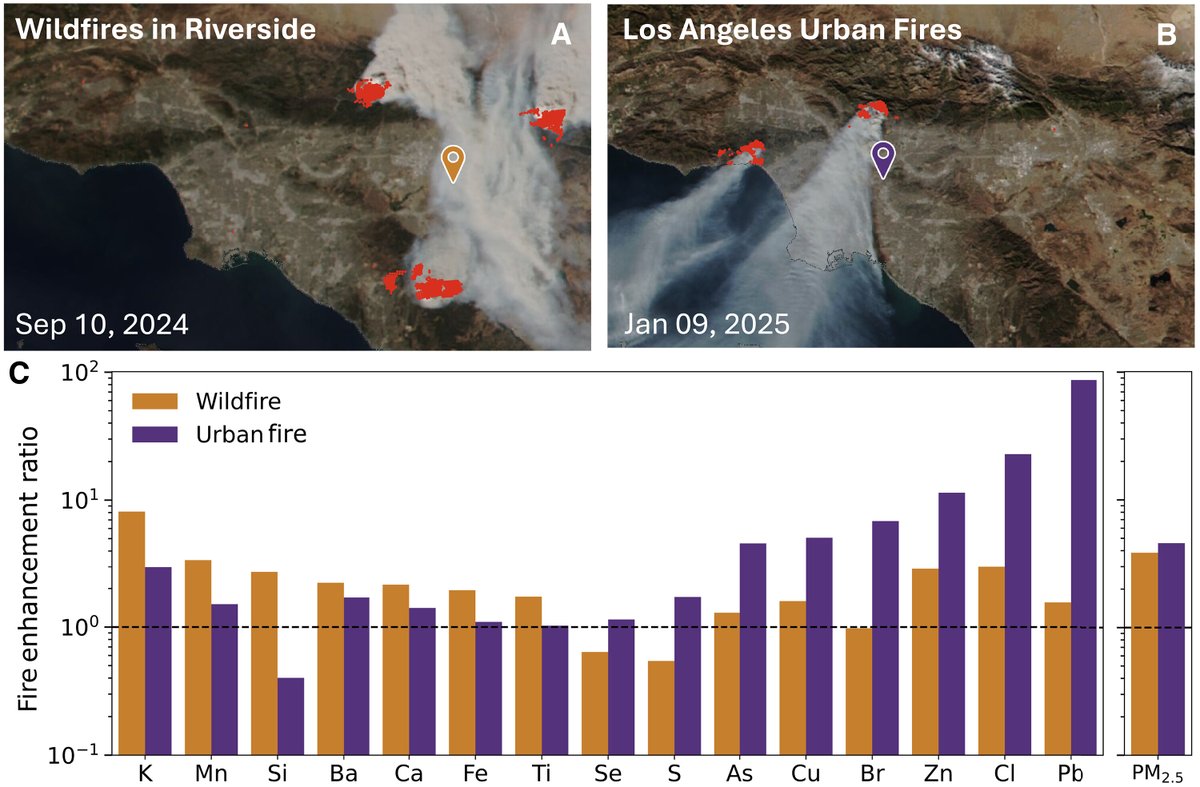
During the devastating 2025 Los Angeles Eaton firestorm’s peak, airborne lead concentrations exceeded 80 times the normal background levels.
The research establishes that this urban smoke plume was far more hazardous than a wildland plume the year prior. https://t.co/qQmdKGR2lc
A new Review discusses how concepts and methods borrowed from psychology can inform research to evaluate whether and how large language models can employ reasoning. https://t.co/DXG4PcEDuC
Scientists report photosynthesis-empowered chimeric cells that serve as a generalizable, energy restoration therapeutic strategy, providing effective treatment for various types of degenerative diseases. https://t.co/jHuxsz91q4
If you think one spider is scary, how about more than 1000? 🕷️
On #Halloween, learn more about this 2022 research that revealed essential amino acid motifs in spider silk by analyzing genotypes of 1098 spider species. https://t.co/hW8qKkb3hh
Science Advances is publishing an Editorial Expression of Concern for the September 2022 Research Article “Inhibition of Chk2 promotes neuroprotection, axon regeneration, and functional recovery after CNS injury.” https://t.co/2ZB6vcG5n3
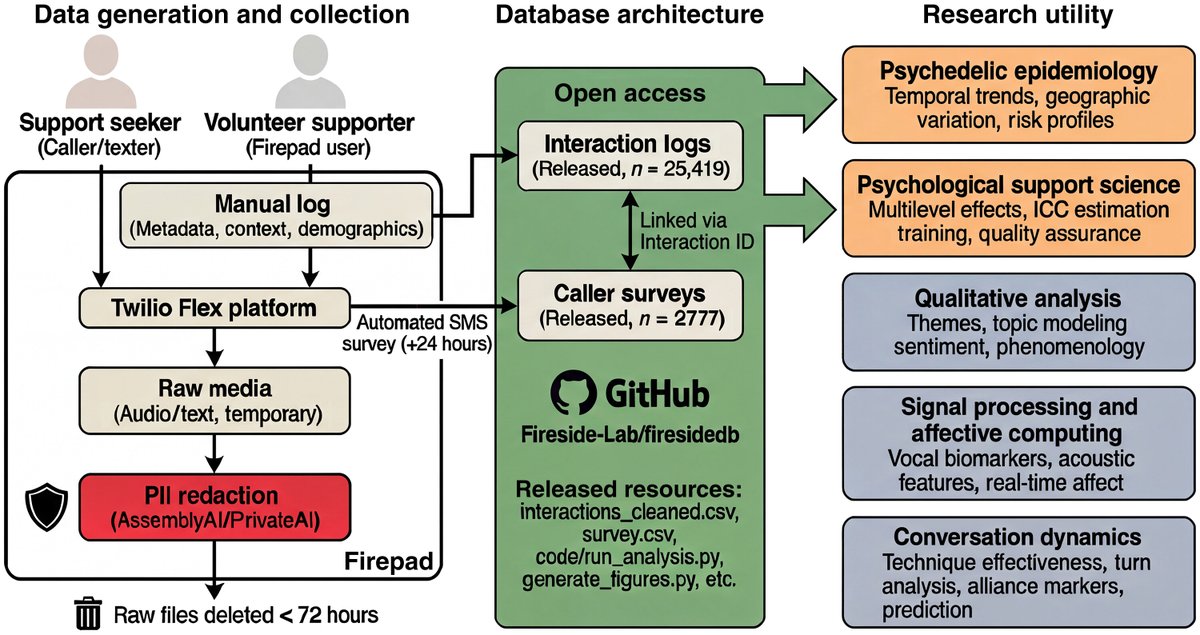
A massive database of over 25,000 psychedelic experiences holds insights about psychedelic use outside the clinic and how peer support can help those in distress. https://t.co/aDaTl94jlv
New research reveals how structural remodeling can alter the spatio-temporal organization of neurotransmission.
Learn more in this week’s issue of Science Advances: https://t.co/ffhRhxB2Cq