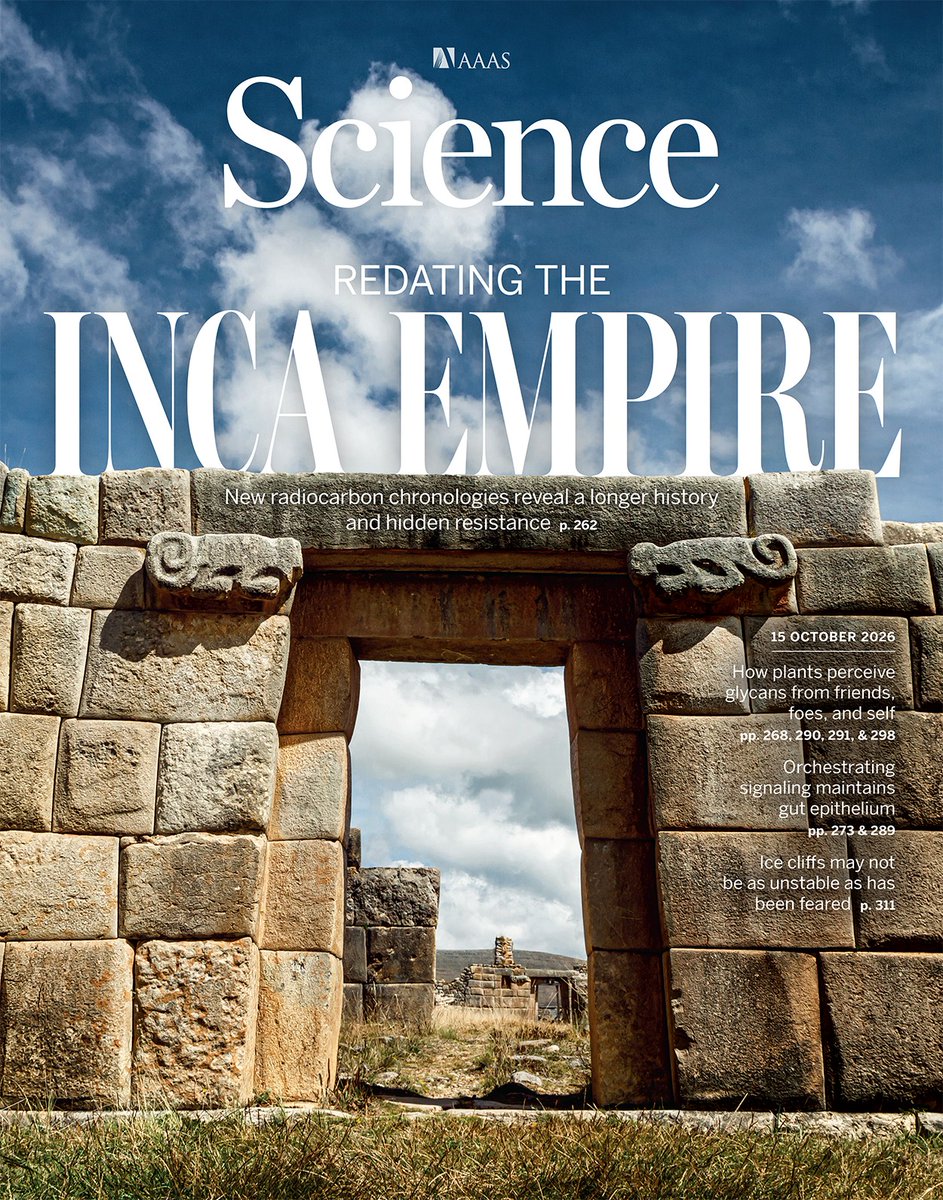
The traditional Inca chronology has collapsed. New radiocarbon dates show the empire lasted longer than was previously thought—and met more resistance.
Learn more this week in Science: https://t.co/fjkEBiyaNv
Borrowing an idea from one research discipline to solve a thorny problem in another is an age-old scientific trick. Charles Darwin’s theory of natural selection, for example, famously inspired algorithms in computer science that “evolve” solutions to complex problems.
But such clever leaps are fleetingly rare. For #AI, however, hopping between fields can be a breeze.
Researchers highlighted that ability with the release of 36 preprints produced with a single suite of AI tools called BootLoops. The so-called harness can be used with any large language model, such as Anthropic’s Claude or OpenAI’s ChatGPT.
And in just 3 months, researchers used Claude outfitted with BootLoops to cross-pollinate at a massive scale, spotting—and precisely solving—problems in seemingly unrelated fields that share the same mathematical structures.
The resulting papers range widely, from figuring out the age of sunspots, to analyzing government health policies, to attempting to decipher a mysterious medieval manuscript.
Learn more: https://t.co/r5iy80T5Hk
Tall ice cliffs can calve faster than previously thought, but new observations suggest they are unlikely to trigger the runaway retreat feared in some projections of Antarctic ice loss.
Learn more in Science: https://t.co/q4GefOMzlX
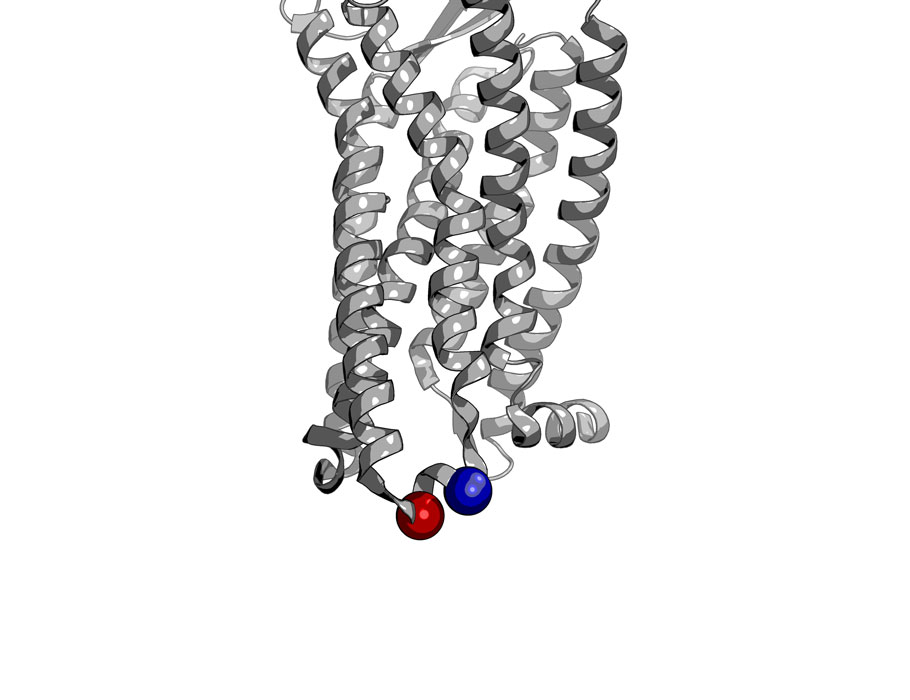
In @SciSignal, scientists show that intracellular changes to receptor conformation alter how activating molecules bind to a biologically important GPCR from outside the cell through an “inside out” mechanism. https://t.co/S846m5AU9G
14 years ago, the revolutionary genetic tool CRISPR/Cas9 was published in Science, work that Emmanuelle Charpentier and Jennifer Doudna won a Nobel Prize for in 2020.
Bacteria and archaea protect themselves from invasive foreign nucleic acids through an RNA-mediated adaptive immune system called CRISPR (clustered regularly interspaced short palindromic repeats)/CRISPR-associated (Cas).
In the 2012 paper, researchers found that for the type II CRISPR/Cas system, the CRISPR RNA (crRNA) as well as the trans-activating crRNA—which is known to be involved in the pre-crRNA processing—were both required to direct the Cas9 endonuclease to cleave the invading target DNA. Furthermore, engineered RNA molecules were able to program the Cas9 endonuclease to cleave specific DNA sequences to generate double-stranded DNA breaks.
On #WorldCRISPRDay, read the landmark paper that describes the discovery: https://t.co/VlrRXVnAG4
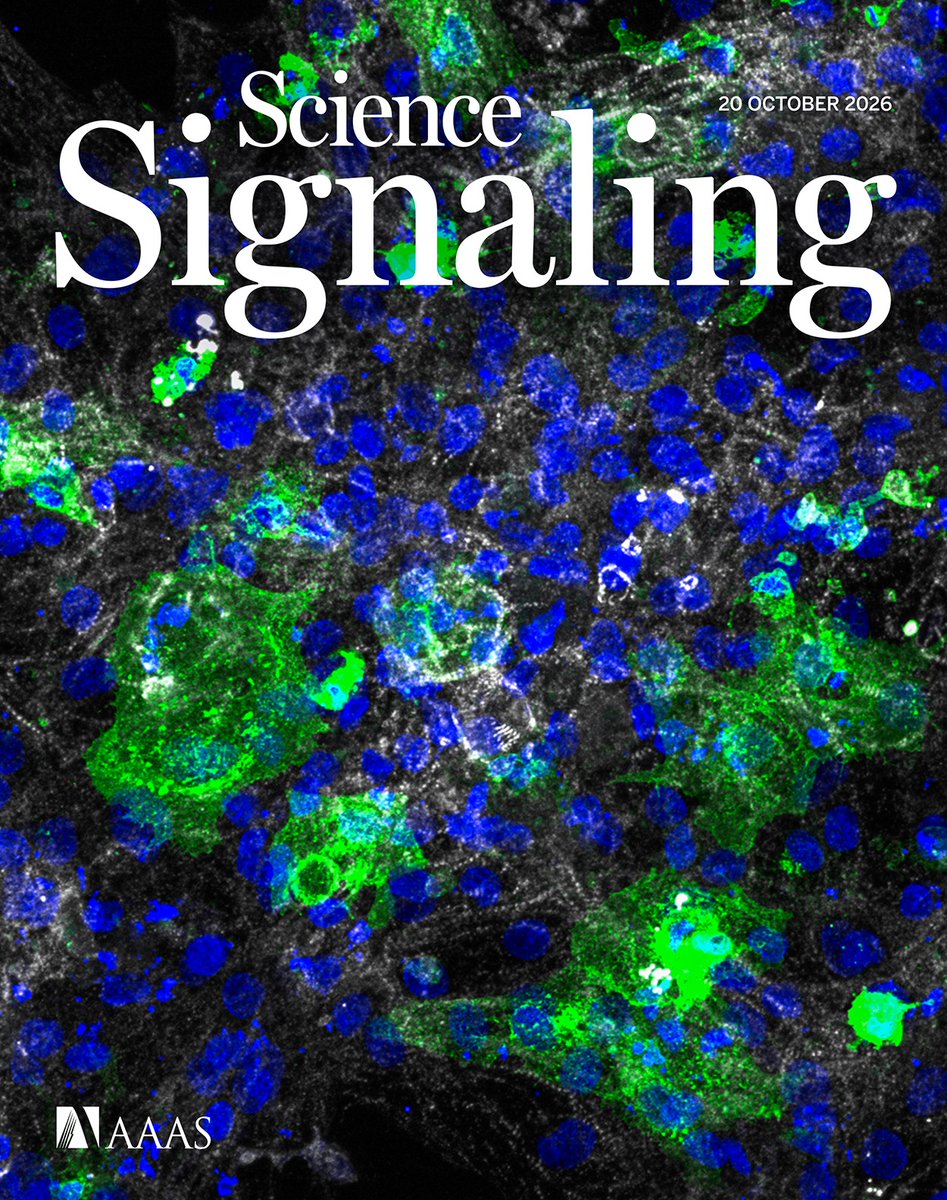
Scientists uncover a surprising connection between the brain’s maze of blood vessels and fine motor control in the cerebellum, new tools provide scientists with an optogenetic means to control G protein signaling, and more this week in #ScienceSignaling. https://t.co/SYeJY5yMdH
New archaeological discoveries at Shég’ Xdaltth’í’, a 13,800-year-old base camp site in interior Alaska, may provide evidence for a trans-Beringian cultural link with other sites to the west.
Learn more in @ScienceAdvances: https://t.co/E9rkV0vl7a
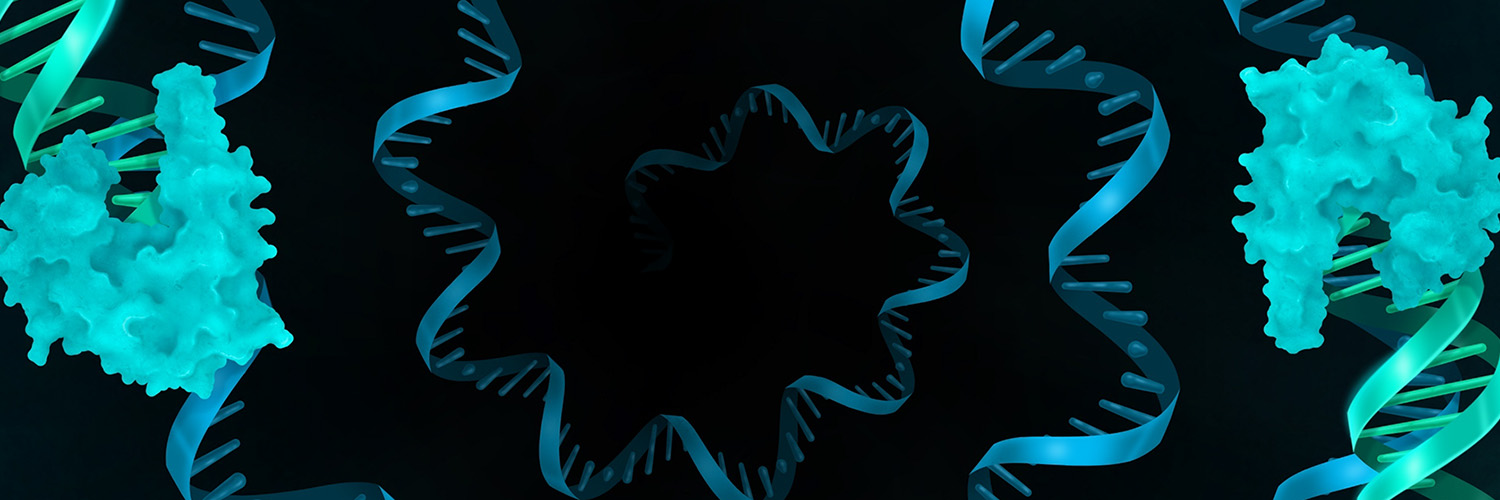
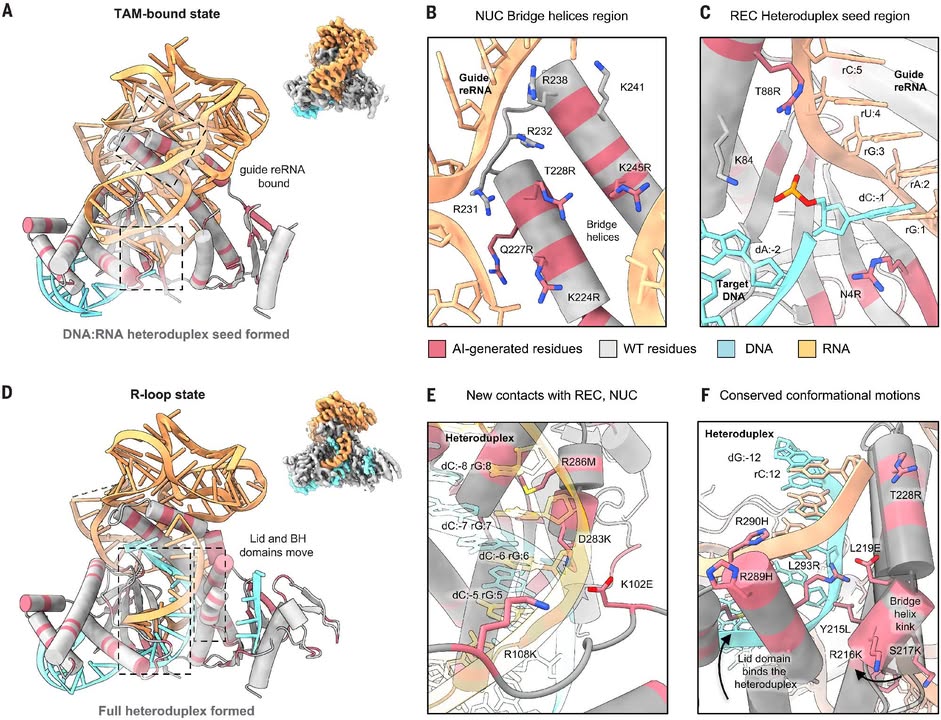
AI-designed proteins can now expand the CRISPR toolbox beyond what evolution has produced.
In a recent Science study, researchers report the design of synthetic RNA-guided nucleases that match or exceed the activity of natural enzymes, revealing how structure-guided design can generate functional genome-editing proteins with substantially different sequences.
Learn more on #WorldCRISPRDay: https://t.co/bEuUWKux3w
STAT3 is a cytokine-sensitive switch regulating NK cell differentiation in a mouse model of antiviral response.
Learn more in @SciImmunology about the study’s possible implications for STAT3 immunotherapy and cancer progression: https://t.co/xPUDGQeE1e
Science is publishing an Erratum for the June 2026 Research Article “Divergent evolution of nitrogen cycling along gradients of landscape water velocities.” https://t.co/AAcATHAmMl
Join #ScienceWebinars for their next #Technology broadcast on Wednesday, 21 October at 12 p.m. ET ➡️ Battle for the gut: From microbial competition to therapeutic communities.
Register now: https://t.co/g9fyfxnYQs
In Science, researchers present RFdiffusion3, a new generative AI system that designs proteins and nucleic acids atom by atom, which could enable the ability to engineer novel biomolecules with precise, complex functions.
Learn more: https://t.co/ARUjcNoODV
By parsing metabolic data from more than 18,000 participants in China, scientists have derived new “clock” models of metabolic #aging that incorporate novel metrics linked to higher chronic disease risk and all-cause mortality. @ScienceTM https://t.co/2oiJhI6Krp
"Governments across the world are treating data as a strategic asset. But data alone are not enough. Infrastructure must be developed that can provide signals about which data are 'fit for purpose' for the increasingly vast number of potential uses," write Julia Lane and Natasha Noy in a new #ScienceEditorial. https://t.co/ehwD8juiyE
In the latest #SciencePodcast🎙️, Contributing Correspondent Lizzie Wade dives into how archaeologists are revisiting the standard Inca chronology as radiocarbon dates mix up the timeline for the empire’s inception and growth.
🎧 Listen here: https://t.co/kDMQ2bH3o9
Applying Fc engineering, researchers fashion potent bispecific antibodies against #SARSCoV2 that can be delivered via mRNA to target multiple viral epitopes and can constrain the virus’ ability to evade recognition. @ScienceTM https://t.co/wpuwC3dqDy
"I’m still not the person who has the loudest voice, or who speaks first or most frequently in a meeting. I still feel the urge to wait for perfect words. But I have become more willing to offer my voice." #ScienceWorkingLife https://t.co/7gTwJz0UR4
Science is publishing an Erratum for the July 2026 Research Article “Enabling sustainable supply of the essential cancer medicines etoposide and teniposide in yeast.” https://t.co/PZ0VnxMfZh
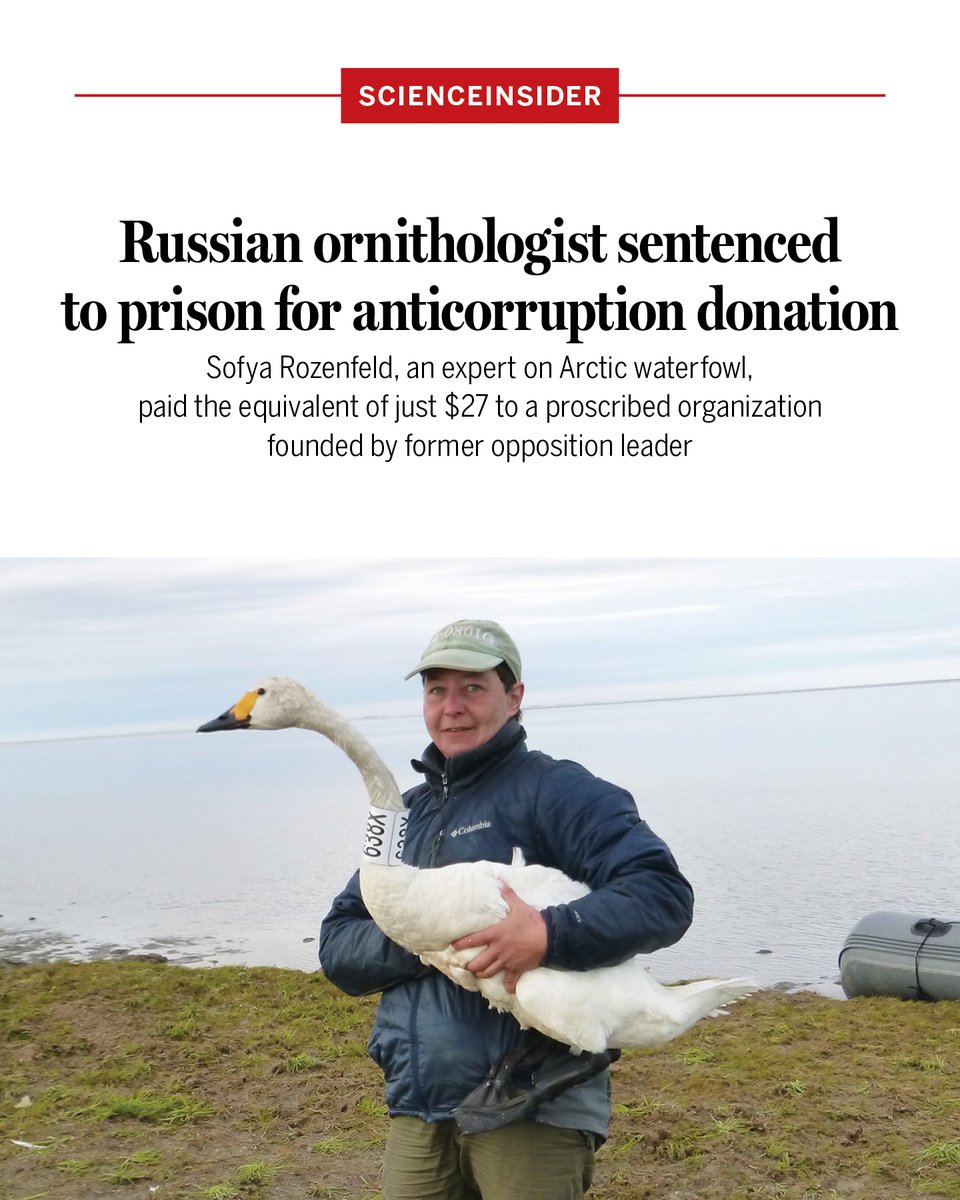
A Moscow court sentenced Russian ornithologist Sofya Rozenfeld to 3.5 years in a penal colony on 7 October over two small donations to an anticorruption organization proscribed by the Russian government. https://t.co/aB0WFDFUhJ @NewsfromScience
How does Jonathan, the world’s oldest terrestrial animal at 194 years young, defy aging?
Researchers in @ScienceAdvances sequenced the Aldabra giant tortoise’s genome to discover possible molecular factors related to his remarkable longevity. https://t.co/XL64svAJyn