One of the best stand up comedians gives one of the best life advices to a 15 year old kid from the audience who asked him "How do you come up with your jokes"?
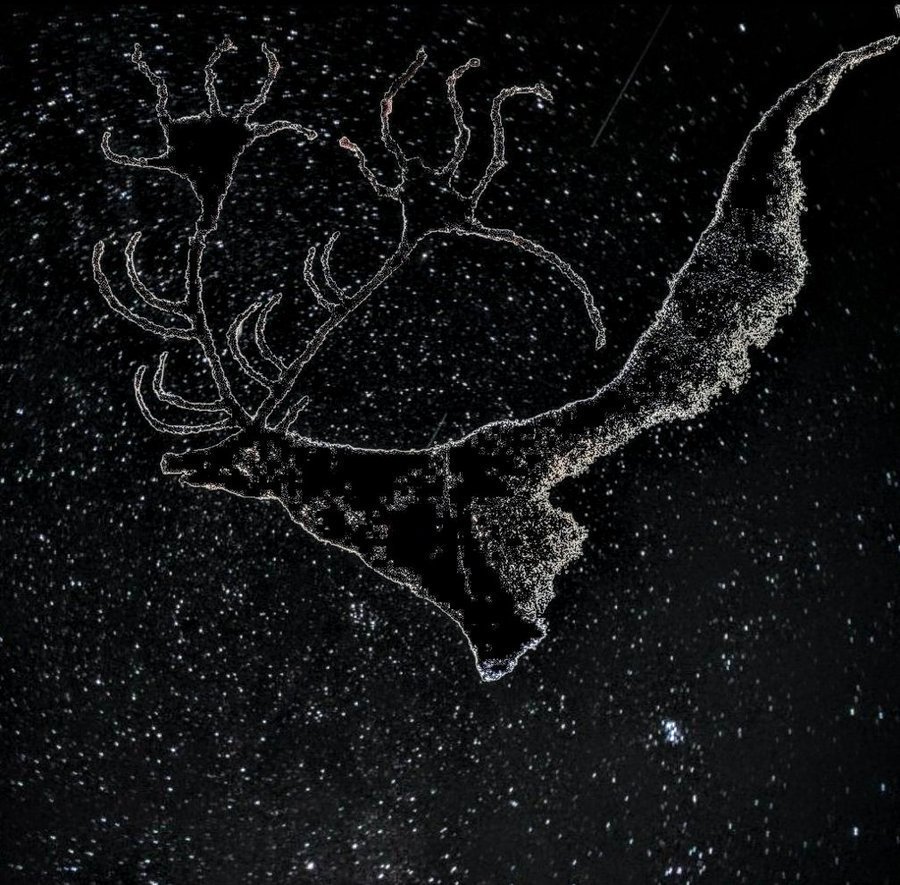
Reindeer antlers that were carved into barbed harpoon points by the Magdalenian Culture of Western Europe ~17,000 to 12,000 years ago (Upper Paleolithic)
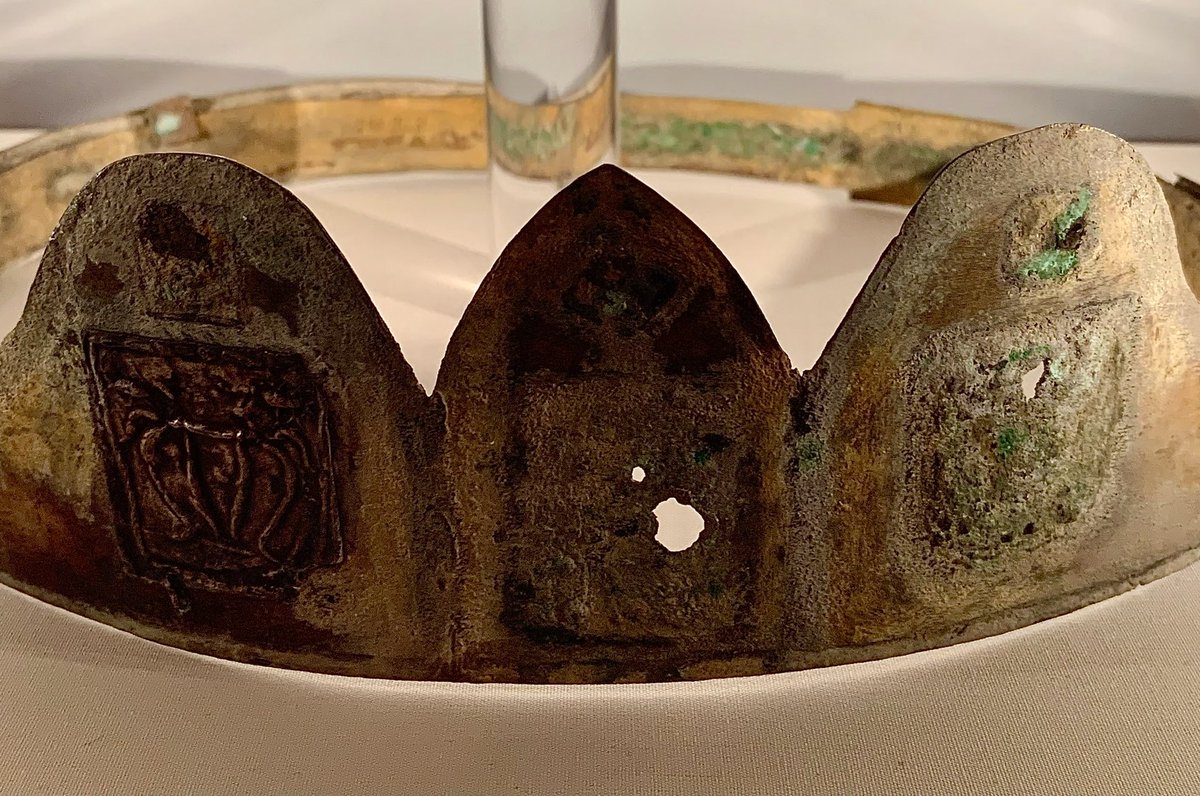
One of the ‘Hockwold Crowns’ from Roman Norfolk which would have been worn by priests during religious ceremonies. Now part of the collections at Norwich Castle. 📸 My own. #RomanBritain#NorwichCastle
Archaeology students doing their first excavation found a major Roman-era treasure trove in Northumberland, shedding more light on life at the northernmost edge of the ancient empire.
https://t.co/iAaHV3EUrO
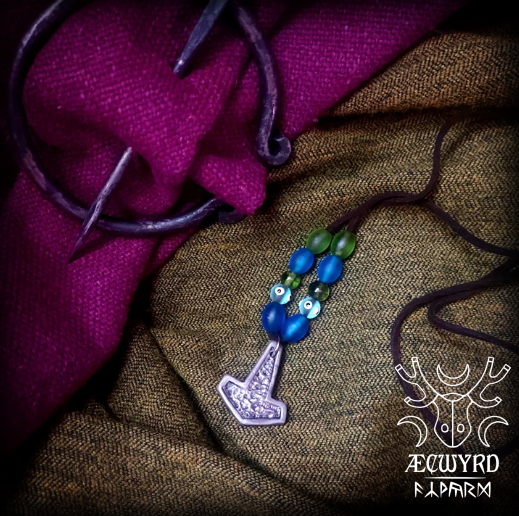
A set of iron Thor’s hammer pendants found in Gnezdovo, Russia, with simple twisted suspension loops. They may have been worn suspended from a belt as a rattling amulet. ᚦ
A Celtic bronze wheel pendant, found in Wilden, Bedfordshire, 1-5th Century.
As well as solar imagery, Gallo-Roman images of Jupiter often featured a wheel, and Roman commentaries on Lucan’s Pharsalia likened Taranis to Jupiter, suggesting the wheel was the symbol of Taranis. 𖥞
💰 7,500 of the 8,600 items in the Cuerdale hoard are coins, with whole and fragmented ingots and jewellery making up the rest.
Deposited c.905-910, the hoard is part of the evidence linking the Viking leaders of Jórvík and Dublin.
My 📷 @ashmoleanmuseum (l) @FitzMuseum_UK (r)
And another…the fifth Borre style 1b chape I know of, recently found in Lincolnshire, exact location unknown.
With the sharper detail, one can make out how the figure’s head entwines with the frame, indicating the branches of Yggdrasil. The right eye appears to be damaged. ᚬ
Hogback Anglo-Scandinavian cow bone comb with inscribed chequered decoration and six iron rivets, probably dating to the 10/11th century.
Found in otherwise unaccompanied woman's grave immediately south of St Patrick's Chapel, Heysham.
🏛 Lancaster City Museums
📷 Tom Horne
Gold pendant from Wierum 🇳🇱, 550 - 650 CE.
"Gold, kidney-shaped pendant, decorated all around with a braided band in relief that tapers into a spiral on two sides. The upper half of the pendant is decorated with circular filigree applied in a loose pattern."
Collection Groninger Museum
https://t.co/08XaGgWco8
Disc brooch from München-Aubing 🇩🇪, 450 - 750 CE.
"A silver-gilt disc brooch with openwork edges and raptor heads with circular eyes, attached to the rim. The band-shaped animal bodies are decorated with chip-carved details."
Collection Archäologischen Staatssammlung München
https://t.co/Dlxu3aYUb2
Traditional Bulgarian headdress worn during Lazaruvane, a springtime ritual from the Silistra region.
Celebrated on the Saturday before Palm Sunday, Lazaruvane features young unmarried girls (known as lazarki) dressed in traditional folk attire.
They sing and dance from house to house, bringing health, fertility, and prosperity to the community.
Frankish hairpin 🇲🇫, 7th century CE.
Gold or gilded metal. Decorated with glass paste and stone.
Collection The Metropolitan Museum of Art
https://t.co/rDhB2s7hxG