Versailles’da mermer yalnızca sanat değildir; iktidarın dilidir. Apollon ve Nymphler heykeli üzerinden XIV. Louis’nin estetik-politik evrenini inceledim. Blog yazımın tamamını okumak için aşağıdaki linki lütfen tıklayınız teşekkürler 👇
https://t.co/MZDehJXK5E
Yüzbaşı Ahmet Refik Bey "Kafkas Yollarında" adlı eserinde Ermeni mezaliminden şöyle bahseder:
"Erzincan'da yanmamış, yıkılmamış hiçbir şey yoktu. Ufak bir kız başı, yolun kenarına yuvarlanmış, oyuk gözleri, sırıtmış dişleriyle karanlıklar içinde ağlıyor gibiydi."
Unutma Türk!
GÜNAYDIN
Atatürk'ün, İzmir suikasti hakkında demeci:
Alçak girişimin,şahsımdan ziyade Cumhuriyete ve onun dayandığı yüksek ilkelerine yönelmiş bulunduğuna şüphe yoktur.Benim naçiz vücudum bir gün elbet toprak olacaktır;fakat Türkiye Cumhuriyeti ilelebet yaşayacaktır.
17.06.1926
Pompeii’de keşfedilen Orion mozaiği, antik insanın ölümsüzlük arayışını taşlara kazıyor. Mitoloji, astronomi ve felsefenin kesiştiği büyüleyici bir arkeolojik miras. Blog yazımın tamamını okumak için aşağıdaki linki lütfen tıklayınız teşekkürler 👇
https://t.co/6uhBLY0QXL
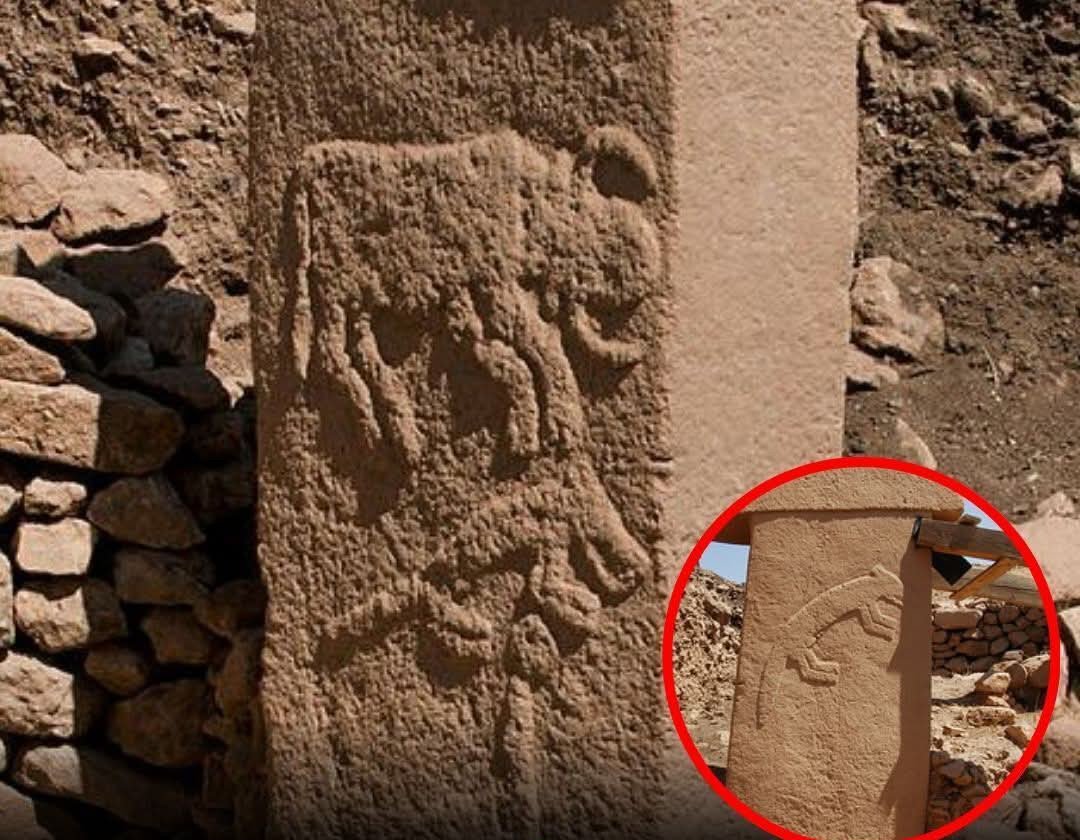
Archaeologists in Turkey, digging at a sister site to the famous Göbekli Tepe, have reached its lowest layer, unearthing incredible 11,500 year old carved pillars at a settlement called Karahan Tepe, showing that hunter gatherer societies were building elaborate communal gathering spaces before the invention of farming or the wheel.
The discovery comes from the Taş Tepeler region of southeastern Turkey, an area now recognized as home to multiple Pre Pottery Neolithic sites that are rewriting the timeline of human civilization. Karahan Tepe, located approximately 23 miles (37 kilometers) from Göbekli Tepe, features T shaped limestone pillars weighing up to 30 tons each, carved with stylized human arms, hands, belts, and animal figures including snakes, foxes, and birds. The site also contains a large "building with a phallus," a carved stone chamber used for what researchers describe as "bloody rituals," and a basin that may have held water or offerings. The architects of these structures were not farmers. They were hunter gatherers who returned to the same site generation after generation, lowering massive stones with ropes and wooden levers, carving symbols into solid rock using only flint tools.
This monumental discovery is rewriting history textbooks by flipping a century old assumption. For decades, archaeologists believed that agriculture came first: humans learned to farm, settled into permanent villages, and only then developed the surplus labor and social hierarchy needed to build temples. Göbekli Tepe and Karahan Tepe reverse that sequence. The desire for communal worship and spiritual gathering may have actually driven people to settle down and eventually develop agriculture, rather than the other way around. People gathered to build temples. They built temples to worship. And then, because they kept gathering, they needed food, then stored food, then planted food. Agriculture followed worship, not the reverse.
An 11,500 year old pillar carved with human hands. A hunter gatherer who became an architect. A temple built before anyone knew how to grow a single seed.
#drthehistories
Yozgat'ın Sarıkaya ilçesinde bulunan ve halk arasında Kral Kızı olarak bilinen, UNESCO Dünya Mirası Geçici Listesi'ndeki "Basilica Therma Roma Hamamı".
A new cultural controversy has erupted after Turkish institutions and media reportedly began presenting Homer, the legendary author of the Iliad and the Odyssey, as an “Anatolian” figure under the name “Omar from Anatolia,” while also emphasizing Troy as part of Turkey's national historical heritage.
The argument is based on the fact that ancient Troy was located in northwestern Asia Minor, within the borders of modern Turkey. Turkish narratives increasingly highlight the geographic location of ancient civilizations rather than their cultural and ethnic identities, allowing them to present figures such as Homer as belonging to the heritage of Anatolia.
Critics argue that this approach ignores the Greek character of Homeric literature and the wider context of ancient Greek civilization. Homer wrote in ancient Greek, his epics form the foundation of Greek literature, and for over two millennia he has been regarded as one of the central figures of the Greek cultural tradition.
The debate reflects a broader struggle over historical memory and cultural heritage in the eastern Mediterranean, where competing national narratives often seek to claim ownership of ancient civilizations whose legacy predates modern states by thousands of years.
#drthehistories
📍 Uşak'taki Blaundos Antik Kenti'nin Kuzey Tapınağı'nda rahipler için yapılan, sivil kullanıma kapalı alan gün ışığına çıkarılıyor.
Geçen kazı sezonunda Kuzey Tapınağı'nın üzerine inşa edilen 12 metre uzunluğa, 10 metre genişliğe ve yaklaşık 2 metre yüksekliğe sahip mermer yapı ortaya çıktı. Bu yıl aynı bölgede devam eden çalışmalarda ise tapınağın "kutsal alanı" olarak nitelendirilen ve rahiplerin kullandığı, adakların adandığı ve duaların edildiği bölümünde çalışmalar yürütülüyor. Uşak Müzesi Müdürü ve Blaundos Antik Kenti Kazı Başkanı İlhan Çavuş, "Geçen yıl, antik mimaride 'naos' olarak adlandırılan tanrı veya tanrıça heykellerinin yer aldığı en iç bölümde çalışma yaptık. Bu sene kazı çalışmalarına 25 kişilik ekiple, tapınağın rahiplere ayrılmış, sivil kullanım dışı bırakılmış ve duvarlarla ayrılan 'temenos' olarak nitelendirilen kutsal alanında başladık. Çünkü o dönem rahipler tapınakta yaşıyor. Bulunduğumuz temenos alanı aslında insanların çok fazla giremediği bir bölüm. O dönemde yaşayanlar tanrıya doğrudan dua ederek yaklaşamadığı için önce tapınağa gelmeniz gerekiyordu. Paganizm yaygın o dönemde, çok tanrılılar. Her şeyin, her inancın bir tanrısı var. Bereket tanrısı, sağlık tanrısı, savaş tanrısı ihtiyacınız neyse ona göre tapınaklara gidiyorsunuz ve adağınızı adıyorsunuz. İşte bizim temenos dediğimiz bu alanda da sunaklar var. Bu alanda sunaklara hediyeler bırakılıyor ve böylece tanrıya ulaşma yolu aranıyor. Bir nevi elindekilerle birlikte tanrıya ulaşıyorsunuz. O yüzden Blaundos'ta önemli keşifler, kalıntılar bulmayı hedefliyoruz” dedi. Kaynak: AA (16.06.2026)