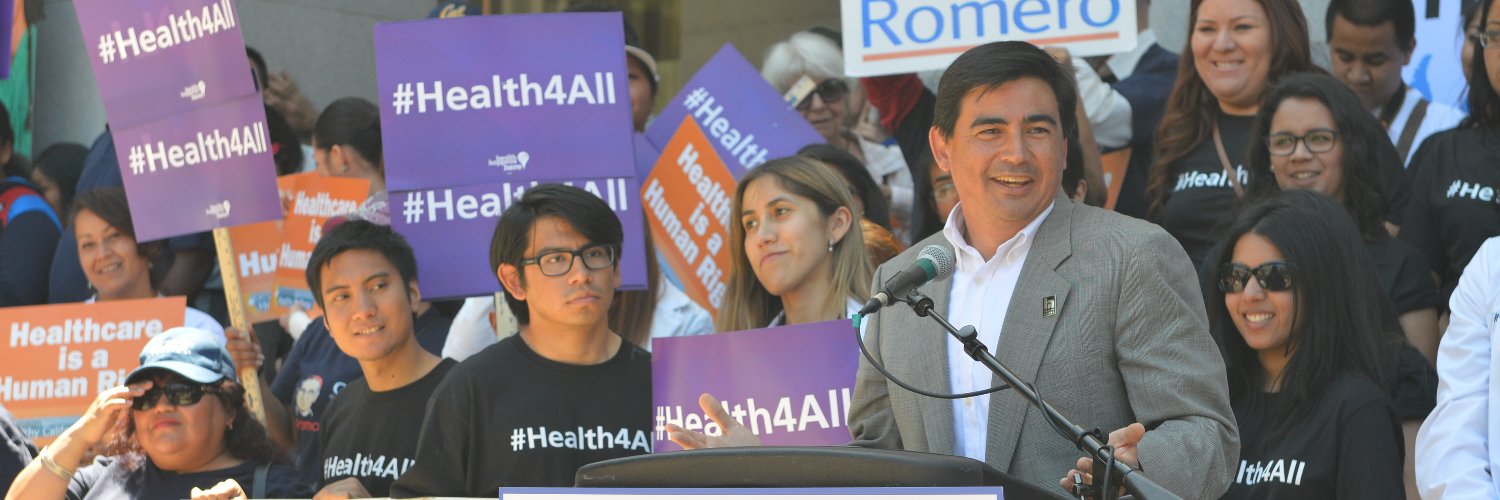
Lawmakers holding these hearings... “shows how much health care costs have risen on the political radar,” said Anthony Wright, the executive director of @FamiliesUSA, a Washington, D.C., consumer advocacy group.
https://t.co/7qsm7NPmPp
When CBO analyzed the budgetary effects of ACA repeal in 2015, which was the last time it did a full analysis of the law as a whole, it estimated that *repealing* the law would have increased the FY25 deficit by $118 billion ($98 billion on a dynamic basis).
“Medicaid expansion would be a dramatic material benefit to literally hundreds of thousands of constituents that no other policy could match,” Wright said. “It would be a huge way to deliver real, tangible results for voters who are looking for change.”
https://t.co/HGnYn4sPdR
1/ Yes, the ACA substantially reduced deficits even after Congress repealed some of its pay-fors. I thought this was pretty well-established by this point.
Matt walks through the math in this thread, and it’s worth reading the whole thing.
The midterms will bring new health care leaders to Congress! Many of our newly elected senators ran on health care issues, have worked in the health care system, and know what it’s like to be a health care consumer. We’re ready to work with them to lower costs for all Americans.
Among non-college whites, 44% said Trump's policies had made their health care costs worse & 3/4 of them voted Dem for House. That means over 4/5 of all non-col Whites who voted Dem for House thought Trump hurt their health care bottom line. Rs won vast majorities w/the rest
Noah Wyle: Right now, about one in three Americans is carrying medical debt, to the tune of about $220 billion in this country. The average is not a lot, but it’s enough to keep you in poverty. It’s enough to make you defer going back to the doctor to get the treatments you need, or to make really difficult choices between heat and health care, food and health care.
@CA_120 Each Assembly seat has 500K Californians. Senators around 1M. Both standard units.
Most CA counties are relatively small, rural and mostly Republican (Alpine just a couple thousand people) versus about a dozen big urban counties with millions. Surprised it's that even.
Robert Kraig of @CitizenActionWI explains the political logic of Medicaid expansion in every state: new Dem majorities "think they have to pass things that people feel in their lives … and they can have much more of an impact here than they can on grocery prices or gas prices"
Says @aewright “Medicaid expansion would be a dramatic material benefit to literally hundreds of thousands of constituents that no other policy could match. It would be a huge way to deliver real, tangible results for voters who are looking for change.”
10 states have refused to expand Medicaid. But Dems won unified control in WI & governor & state House in TX & GA-while notching big state leg gains in many of the remaining hold outs. If all hold outs expanded ~2.4 million would gain coverage-including 1.1 million (!) in TX
In key states & DC, bolstering Medicaid will offer Dems their best early opportunity to deliver on their pledge to relieve economically squeezed voters & test whether GOP will reconsider the policy choices that landed the party in intensive care. My take
https://t.co/cSNgu2OXFa
Expanding Medicaid (and restoring the ACA subsidies) is an early tangible way for Dems to respond to those voters both in DC & States. Says @aewright “Medicaid expansion would be a dramatic material benefit to literally hundreds of thousands of constituents"
In the Voter Poll, Rs won big majorities among Latinos who said Trump's policies had helped or had no effect on their health care costs. But 63% of Latinos said Trump had hurt their health care bottom line & they voted 86-11 (!) for the House. @carlosodio
Families want health care they can afford and to protect their kids from disease. They deserve a government that follows the science to deliver both. Read the full statement from Executive Director @aewright: https://t.co/EaD9ImH06c
In fact, in the last 40 years, there has never been a partisan Democratic piece of legislation that increased the structural deficit.
Clinton's 1993 budget, the ACA, and the IRA were all deficit-reducing.
(compared to Bush and Trump tax cuts which were all deficit-increasing).
After being shot in face by Logan Circle gunman, Susan Hamerski is unable to speak, @conarck reports.
“Hamerski’s loved ones asked her to write down on a pad of paper what she wanted to share with the world. She jotted “‘Gun control is public health.’”
On the introduction of this legislation, Families USA Executive Director @aewright said, "Senator King’s bill protects the Task Force’s legacy of independence and expertise, and with it, the processes that guarantee preventive care is covered without cost-sharing."