"نسيان الأهداف خلال الرحلة غالبًا ما يُنسي الهدف. كل مهنة يختارها الإنسان لتحقيق هدف ما، ثم تصير هي الهدف في حد ذاته. إن نسياننا أهدافنا هو الأكثر تكرارًا بين جميع أفعالنا الغبية".
#فريدريك_نيشته
حوار افتراضي بين مراكز الفكر الصينية والسعودية والإيرانية: المملكة العربية السعودية وإيران: التحديات والفرص.
عقد معهد شنغهاي للدراسات الدولية (SIIS)، في 25 نوفمبر 2026، حوارًا افتراضيًا مغلقًا بالتعاون مع مركز الخليج للأبحاث (GRC) ومعهد الدراسات السياسية والدولية (IPIS).
وجمع الحوار نخبة من الخبراء من الصين والمملكة العربية السعودية وإيران، لمناقشة التحديات التي تواجه العلاقات السعودية الإيرانية، وبحث الفرص المتاحة لاستكشاف مسارات من شأنها تعزيز الحوار البنّاء والإسهام في دعم الاستقرار الإقليمي.
الحوار مغلق وغير متاح للجمهور.
طهران تختبر الحصار الأمريكي و تسعى لردع فعّال ... بين الغموض الاستراتيجي والدبلوماسية .. كيف تدير طهران المواجهة؟ | حازم كلاس | التلفزيون العربي
المقال يناقش أربع أطروحات:
1. محاولة إيران كسر الحصار.
2. إيران يوازي بين الدبلوماسية و الجهوزية العسكرية.
3. النقاش الإيراني حول العقيدة النووية.
4. إعادة تشكيل طهران أدواتها الأمنية والعسكرية وفق مفهوم الغموض الاستراتيجي.
المقال كاملا 👇👇👇
https://t.co/fjkVfNbH6S
إيران بين أقنعة الهالوين والرايات الفاطمية.. أسئلة الهوية والحرب | حازم كلاس | التلفزيون العربي
تحولات الشارع الإيراني وجدال الحجاب وتباينات السلطة، في ظل الضغوط المعيشية والتصعيد العسكري ومحاولات إبقاء التفاوض مفتوحًا. قراءة في وجوه إيران.
https://t.co/Tm6w8oyKxK
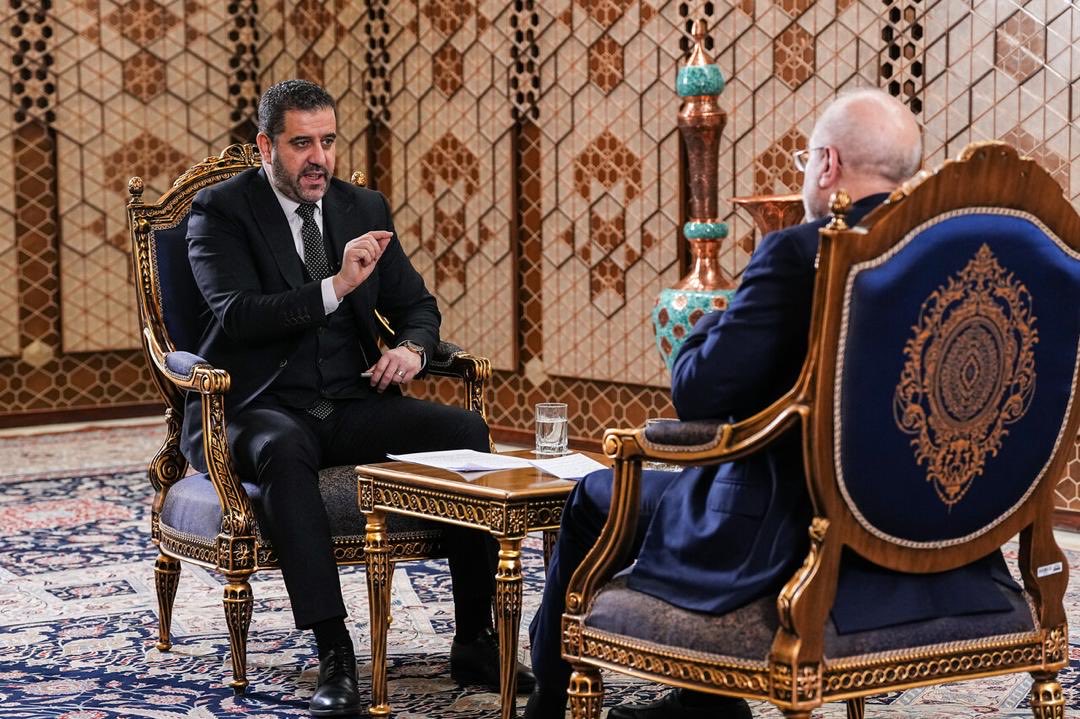
من لقاء رئيس البرلمان الإيراني و رئيس الوفد الإيراني المفاوض محمد باقر قاليباف مع Al Jazeera Channel - قناة الجزيرة
-تفاصيل المفاوضات مع واشنطن و التأكيد على الشروط السبعة
-التأكيد على أنه لايزال رئيس الوفد الإيراني المفاوض و رئيس لجنة المفاوضات في مجلس الأمن القومي الإيراني
تزامنا مع مباحثات رضائي-بوتين في موسكو، تباحث هاتفيا وزير خارجية إيران عباس عراقتشي، مع عدد من نظرائه:
-وزير خارجية السعودية
-وزير خارجية الكويت
-وزير خارجية عمان
-وزير خارجية تركيا
-وزير خارجية الأردن
-وزير خارجية قبرص
-وزير خارجية قطر
-وزير خارجية باكستان
-وزير خارجية الإمارات
📌وكالة إنترفاكس الروسية:
الرئيس الروسي يلتقي بأمين المجلس الأعلى للأمن القومي الإيراني محسن رضائي.
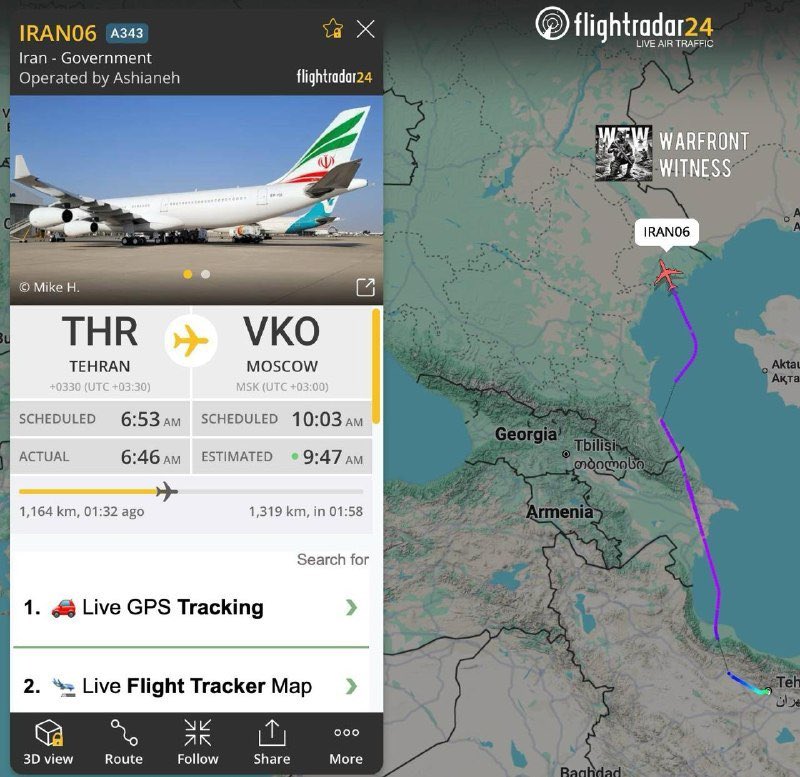
صباحا، سجلت رحلة طيران لطائرة حكومية إيرانية متوجهة إلى موسكو
📌وكالة إنترفاكس الروسية:
الرئيس الروسي يلتقي بأمين المجلس الأعلى للأمن القومي الإيراني محسن رضائي.
صباحا، سجلت رحلة طيران لطائرة حكومية إيرانية متوجهة إلى موسكو
📌وزير الخارجية الإيراني عباس عراقتشي، يجري مباحثات هاتفية منفصلة مع وزيري خارجية السعودية وقطر حول آخر التطورات الاقليمية وآخر الجهود الدبلوماسية الرامية إلى ارساء السلام والاستقرار في المنطقة
📌أمين المجلس الأعلى للأمن القومي الإيراني:
🔹لم يكن الرد الأمريكي بشأن حقوق إيران ومطالبها مقنعاً.
🔹عليهم تقديم رد كامل وصريح على الشروط الإيرانية السبعة والعمل بمقتضاها؛ وعندها فقط سيتم فتح مضيق هرمز
Under pressure from Israeli prime minister Benjamin Netanyahu, the Trump administration may be within days of launching a nuclear strike on Iran. The target would be Pickax Mountain in central Iran, where Israeli intelligence claims the Iranian government has restarted its nuclear enrichment program. No conventional weapon in the American arsenal can penetrate 300 feet of solid granite to destroy the tunnels where enrichment is supposedly taking place. The only military option is a nuclear strike. Netanyahu has been pushing hard for one. “Bibi calls Trump about it every day,” says an informed observer.
Netanyahu is cornered and desperate. After last week’s election results, he can’t form a government unless Trump intervenes directly in Israeli politics and brokers a deal with other parties that gives Netanyahu 61 seats in the Knesset. Otherwise, he is out as prime minister and on his way to ignominy, investigations and possibly jail. Netanyahu must stay close to Trump. He needs this war.
To that end, he’s applied maximum pressure to his closest allies in the administration, including Secretary of Defense Pete Hegseth and CENTCOM commander Brad Cooper. Both oppose a negotiated settlement to the war they’ve so grievously mismanaged; both are pushing to restart major combat operations. Secretary of State Marco Rubio and CIA director John Ratcliffe are also following Netanyahu’s lead, as are leaders of the Democratic Party. In a recent meeting on the subject, former president Barack Obama said he opposes the current Iran peace deal being drafted in Doha.
The rest of America’s longtime allies in the Middle East are terrified by the prospect of more war. On September 27th, Netanyahu flew secretly to Abu Dhabi to enlist the UAE in his lobbying effort for a final attack on Iran. The Emiratis refused. After eight months of conflict, Gulf economies are teetering. So are global energy and fertilizer markets. They won’t recover soon. Globally, there are a total of about 850 supertankers used to transport oil from producers to the rest of the world. In October alone, 11 of them were badly damaged in Hormuz. At this pace, a global depression is imminent. A nuclear strike would radically accelerate the destruction. Fallout from a ground explosion at Pickax Mountain would contaminate the Persian Gulf, poisoning the water supply for 100 million people.
And those are just some of the immediate consequences for the region. The rest of the world is every bit as exposed. No country other than the United States has ever used a nuclear weapon in war. Some would like to. An American nuclear attack on Iran would set a new precedent. The Russians have already told at least two other governments that an American nuclear strike on Iran would free them to use nuclear weapons against Ukraine. Pakistan and India would be tempted to do the same against each other, as would North Korea against Seoul. After the first nuclear strike, World War Three is inevitable. That war would be short and final.
We’ve been sleepwalking toward this moment for months. Since February, the administration has quietly rewritten America’s nuclear doctrine to make first use of so-called “battlefield nukes” easier and therefore more likely. No one in Washington in either party seems bothered by this. Now we’re on the brink of it.
Close observers say Trump is likely to decide by next weekend whether or not to use nuclear weapons. That would be November 7, six days from now. To his credit, he’s hesitating. At the moment, Trump is listening to his vice president, JD Vance, and to his envoy and friend Steve Witkoff, both of whom argue a deal with Iran can be made.
They’re right, though it won’t be simple. The Iranians are famously frustrating to negotiate with under any circumstances, and elements of that government have become more radical since Ayatollah Ali Khamenei and his family were killed in February. After decades of isolation, even relatively moderate Iranian leaders seem confused by how decisions are made in the West. (There is a widespread belief in Tehran, for example, that the United States government controls Israel.) But overall, people who have spoken to decision-makers in Iran say there is consensus there that more war is bad for everyone and a deal is worth making.
One group that hasn’t been consulted so far is the global population — the hundreds of millions of people who will be killed along with their children if Trump is pushed by Netanyahu into launching a nuclear strike next week. Now would be the time for them to speak up.
« I will just say this - their plan is insane ...it will lead to devastating escalation and the likely destruction of our commitment to the rule of law. There has been open reporting as to the civilian infrastructure we may be targeting…. I think the plan they have developed will lead in my view to a prolongment and escalation of this war that will be devastating to our security interests".
بيان "الخارجية السعودية" واضح في رسالته السياسية، أن الرياض تريد للمنطقة أن تستقر أمنياً، وأن تحل الخلافات عبر الحوار، وأن تكون هنالك إرادة حقيقية تحقق مصالح دول المنطقة، وأن تنجح الدبلوماسية كي لا تعود الحرب.
أيضاً، البيان أشار صراحة لـ"تحالف مكة" بوصفه ركيزة أساسية للأمن، وهذا يجعل دوره أشبه بمنظومة تحمي المنطقة من مزيد من الانهيارات والأزمات التي تستنفذ مقدراتها دون جدوى.
آن الأوان لأن تكون إيران جزء من تفاهمات صلبة تحترم القانون الدولي وحسن الجوار، وتبني علاقات طبيعية مع جيرانها، دون أن تنتهكها، ففي ذلك مصلحة الجميع.
📌بزشكيان خلال الاجتماع المشترك مع مسؤولي السعودية وتركيا وباكستان:
🔹️إيران لا تسعى لامتلاك أسلحة نووية، لكنها تُصرّ على حقوقها النووية.
🔹️يجب ألا يقتصر التعاون الإقليمي على الوثائق والاتفاقيات المكتوبة.
🔹️إضعاف أي دولة كبرى في المنطقة يشكل تهديدا للدول الإسلامية الأخرى
📌نائب أمين المجلس الأعلى للأمن القومي الإيراني للشؤون الدولية علي باقري:
🔹 يشارك كل من وزير الدفاع السعودي خالد بن سلمان، وقائد الجيش الباكستاني عاصم منير، ورئيس جهاز الاستخبارات التركي إبراهيم قالن، في اجتماع مشترك خلال زيارتهم إلى طهران اليوم الإثنين