We are working on smart patient-oriented PV solutions for community pharmacies. We are reaching out and looking for community pharmacy owners to partner with, at 0 incurred costs. If you know of one or are one, kindly reach out to us via the dms or email at [email protected]
Health AI Economics: Who Should Pay for AI in Medicine in Kenya? Join us as we break down the different models for AI reimbursement in the healthcare sector
https://t.co/pOU0vT8fpl
This year, we are converting a few more people to suffer with us in the research space 😂
Find us at this corner where we talk about medicine, data and other research related stuff. @afiadata_ke https://t.co/cgebiqQmwr
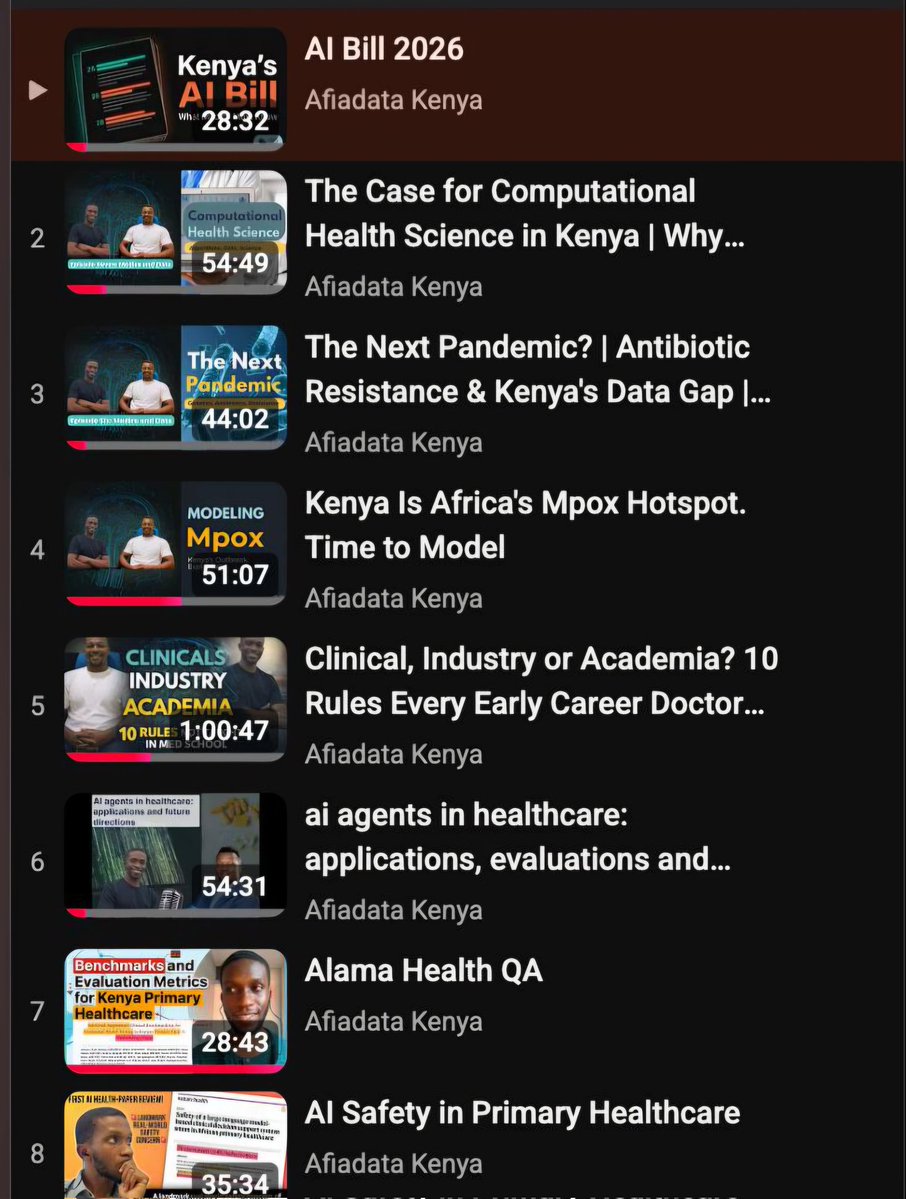
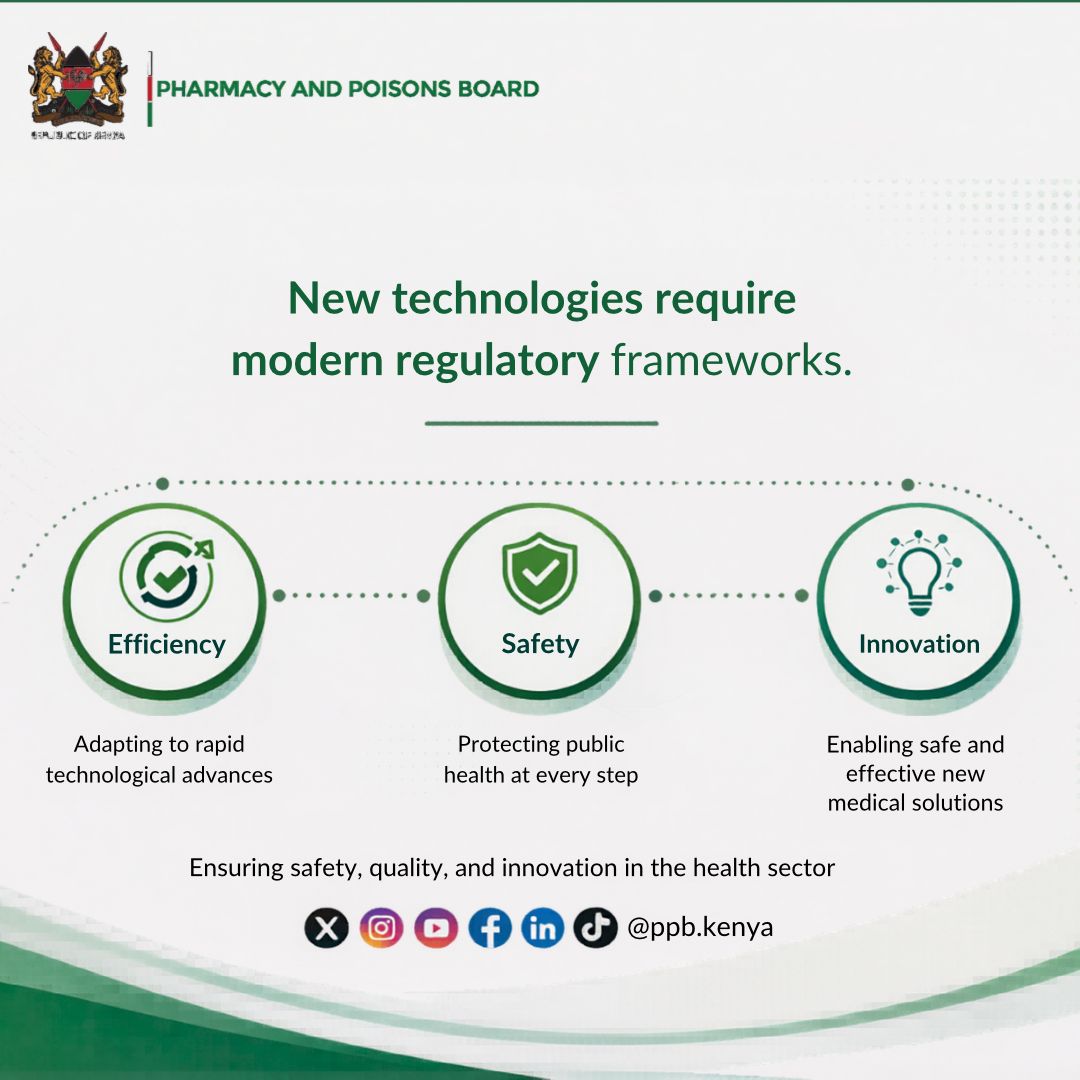
In our most recent blog we take a look at how the new AI bill and PPB Guidelines will influence businesses in the medical sector who deploy AI tools in their operations.
From compliance to profit, how do they best align to achieve both?
https://t.co/HtERBXkbKA
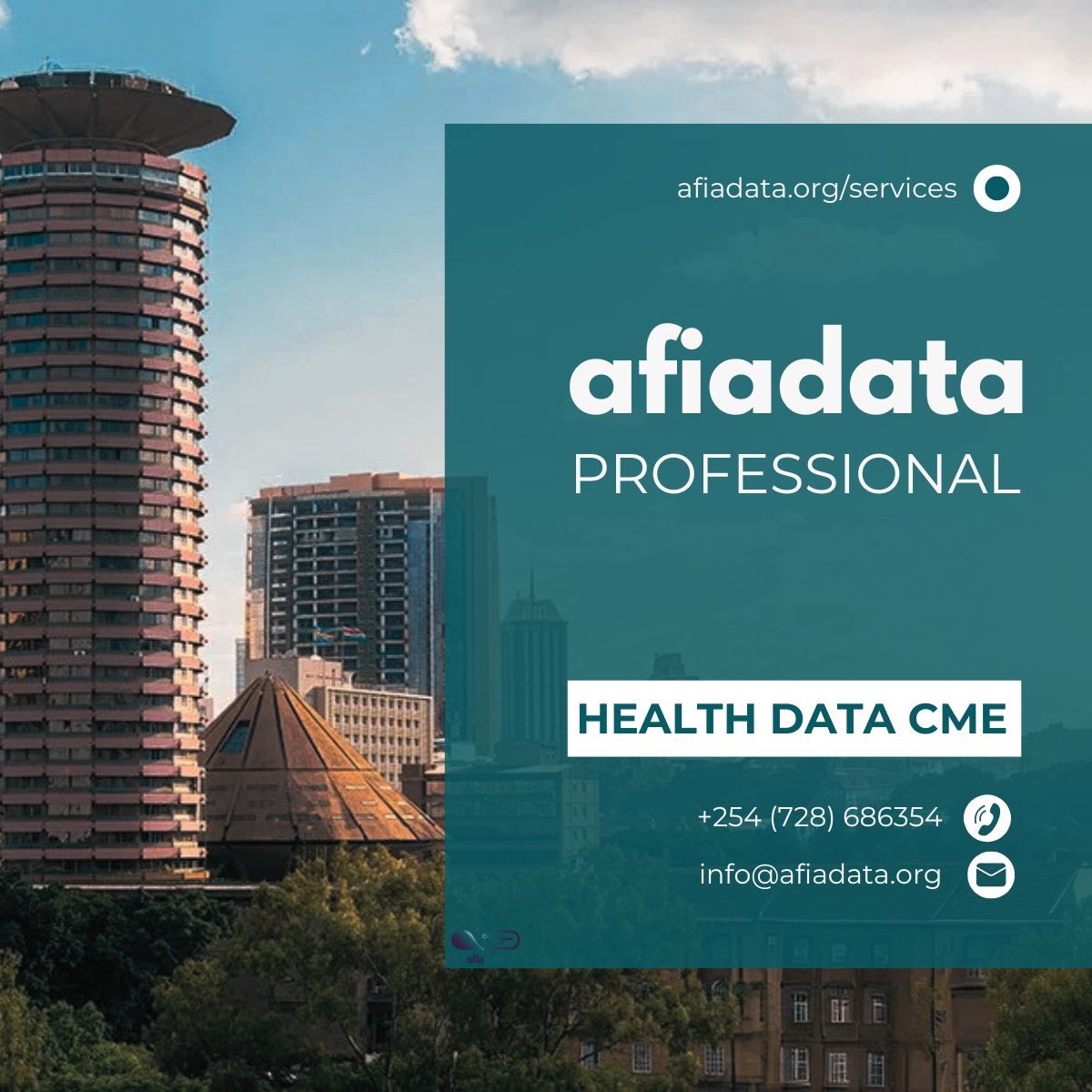
Introducing Afiadata Professional
Turn clinical teams into, data-informed decision-makers. Our clinical data CMEs focus on practical, real-world skills not just generic data science. We partner with hospitals, NGOs, universities, and digital health teams adopting data-driven care
Not every medic interested in the digital health space will pursue ML/AI and that is okay. Join daktari @andai_d as he discusses whether ML is the right fit for you or not
https://t.co/9jmjcQJYU4
Watch, share and subscribe. Let’s hear your thoughts in the YT comments!
“Which way early-career medic?” Clinicals, Industry or Academia?
In our latest YouTube video, we answer this question using rules never taught in med school
Watch, like, share and subscribe
https://t.co/lMjjxYaOlX
6 years of med school prepare you for clinical work, but what about industry and academia? Different ball game. At @afiadata_ke, we explore how to navigate this using data science as a skill set.
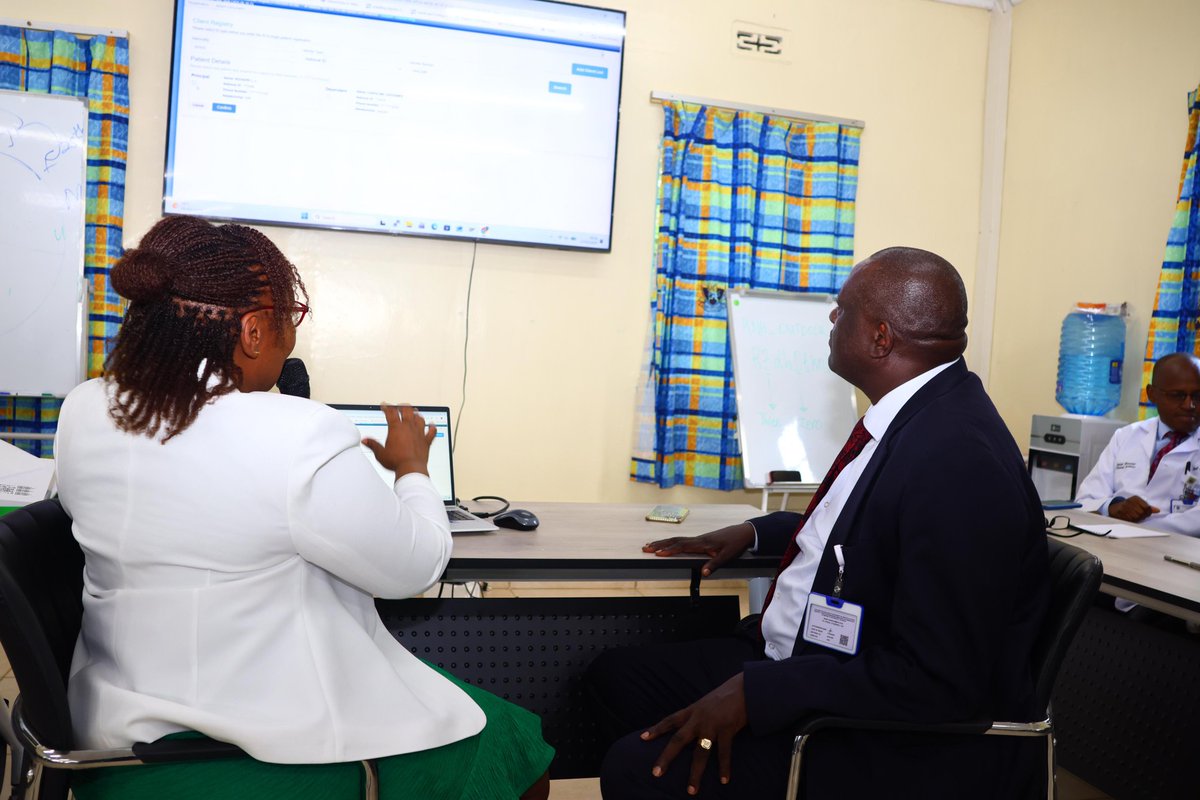
1/3..KNH has officially begun its transition to automation with the launch of the Afya Apex HMIS/ERP system under Taifa Care, set to go live on March 20, 2026. Led by Dr. Richard Lesiyampe and Eng. Anthony Lenayara, the launch featured a successful pilot demonstration from
Cardiologist wins 3rd place at Anthropic's hackathon. Out of 13,000 applications. Built in 7 days by Michał Nedoszytko MD. Coded day and night - in the hospital, in the cloud, while flying from Brussels to San Francisco.
A few years ago, it would have been impossible for a doctor to build this alone in just a couple of days. AI changed that.
The project is called https://t.co/wAliajqjVF. It is an AI agentic care platform for patients. Including reverse AI scribe it is a companion that guides the patient from the moment they leave the doctor's office.
Powered by the massive context window of Opus 4.6, it allows patients to explore their full medical history, connected devices, Evidence Based resources and external data sources — all in one place.
Today, the barrier to entry has vanished; even a practicing physician can build an application from scratch.
Because selection is random, differences in outcomes between the groups can be attributed to the treatment itself. Hence, the outcome is used to determine the effectiveness of the intervention.
What is a Randomized Controlled Trial and how is it important in health care?
In a Randomized Controlled Trial (RCT), a large group of participants is randomly selected and then randomly divided into two groups: a treatment group and a control group.