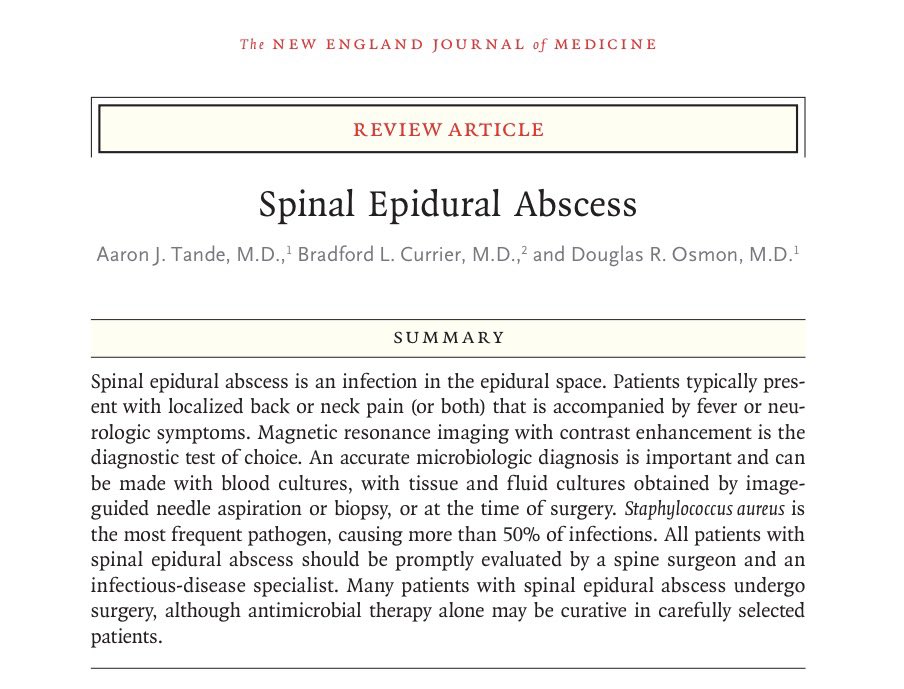
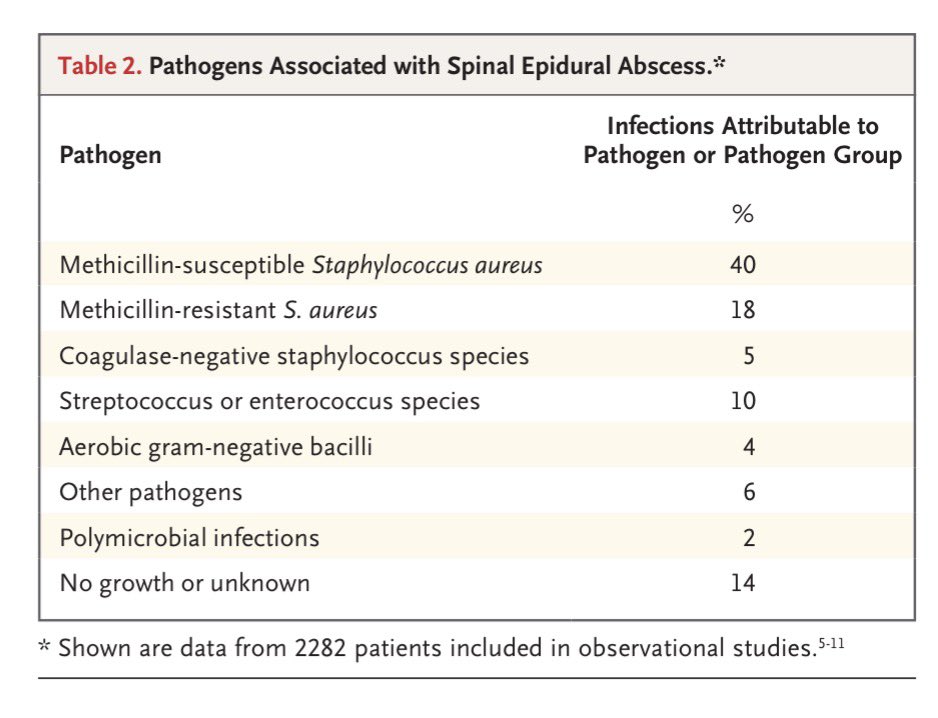
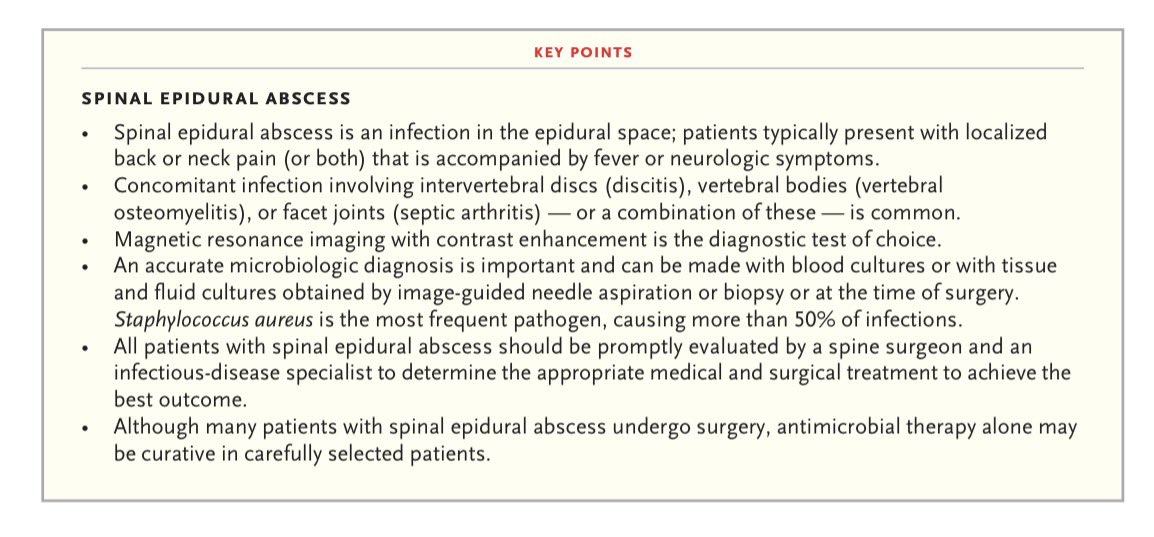
This is an excellent infographic ,a summary of the beta-lactamase inhibitors reviewed in the new @SIDPharm#Breakpoints episode "Beta-lactamase inhibitors: Scientifically elegant, just complex."
Link to podcast: EnJoy! https://t.co/b3bkwBRDkm
#idxposts#bookmark
In a new Voices blog post, @PaulSaxMD, takes us on a guided tour through EIAs, RPRs, false negatives, false positives, and the strange endurance of a test from 1906. Read the latest: https://t.co/CUY96CRfUB
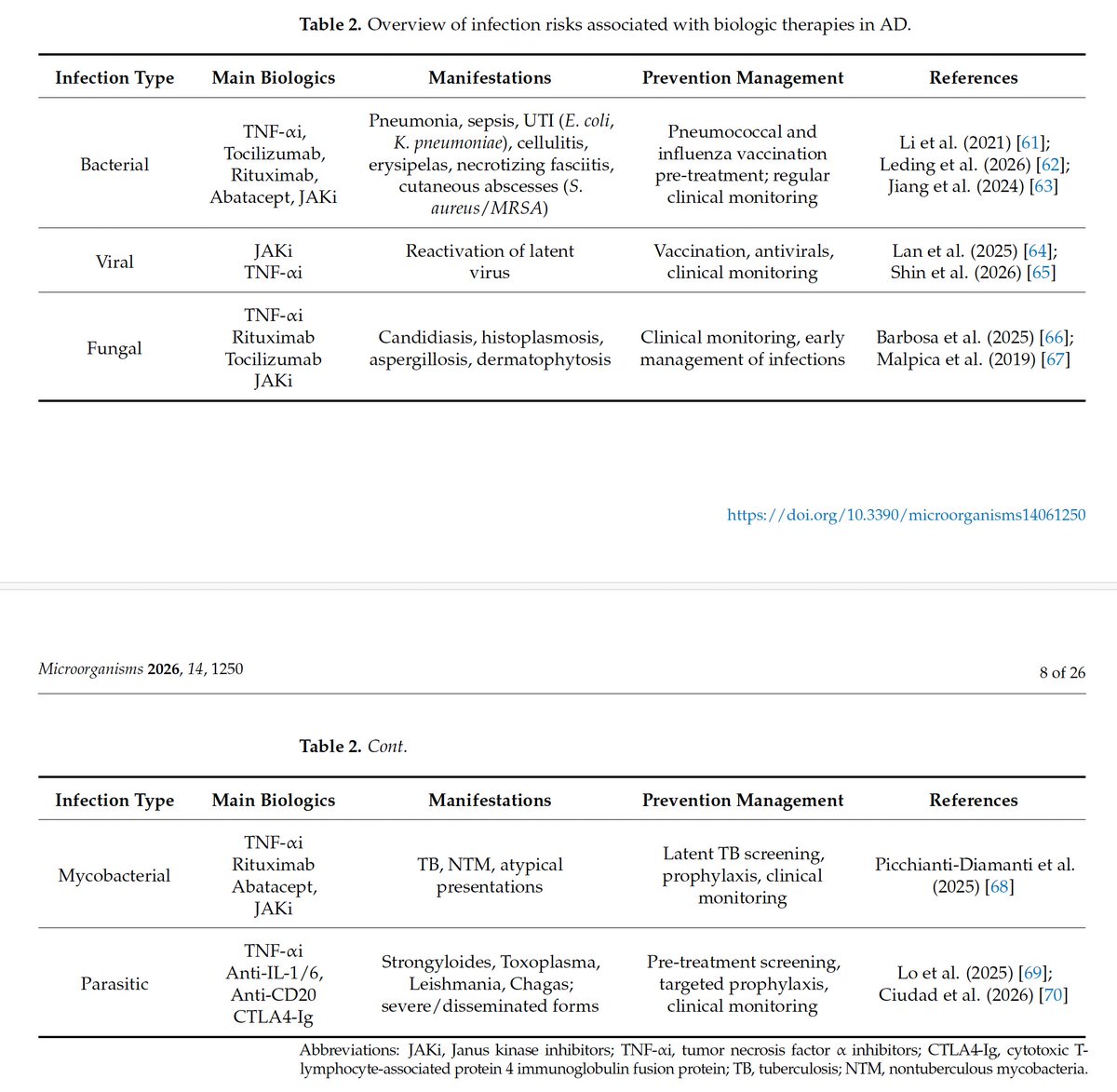
Infectious Risks Associated with Biologic Therapies in Autoimmune, Rheumatologic and Dermatologic Diseases: A Narrative Review - Microorganisms (2026)
https://t.co/QjUYdOTyii
🔥Just published🔥
IDSA 2026 Clinical Practice Guideline Update on the Prevention of Invasive Aspergillosis in Adult Solid Organ Transplant Recipients #idxposts
https://t.co/44xeTMiLZp
Un placer y orgullo muy grande poder regresar a mi tierra que me vio crecer para poder impartir un tema de suma importancia. Agradecido con la invitación.
#HIV#hongos#derma
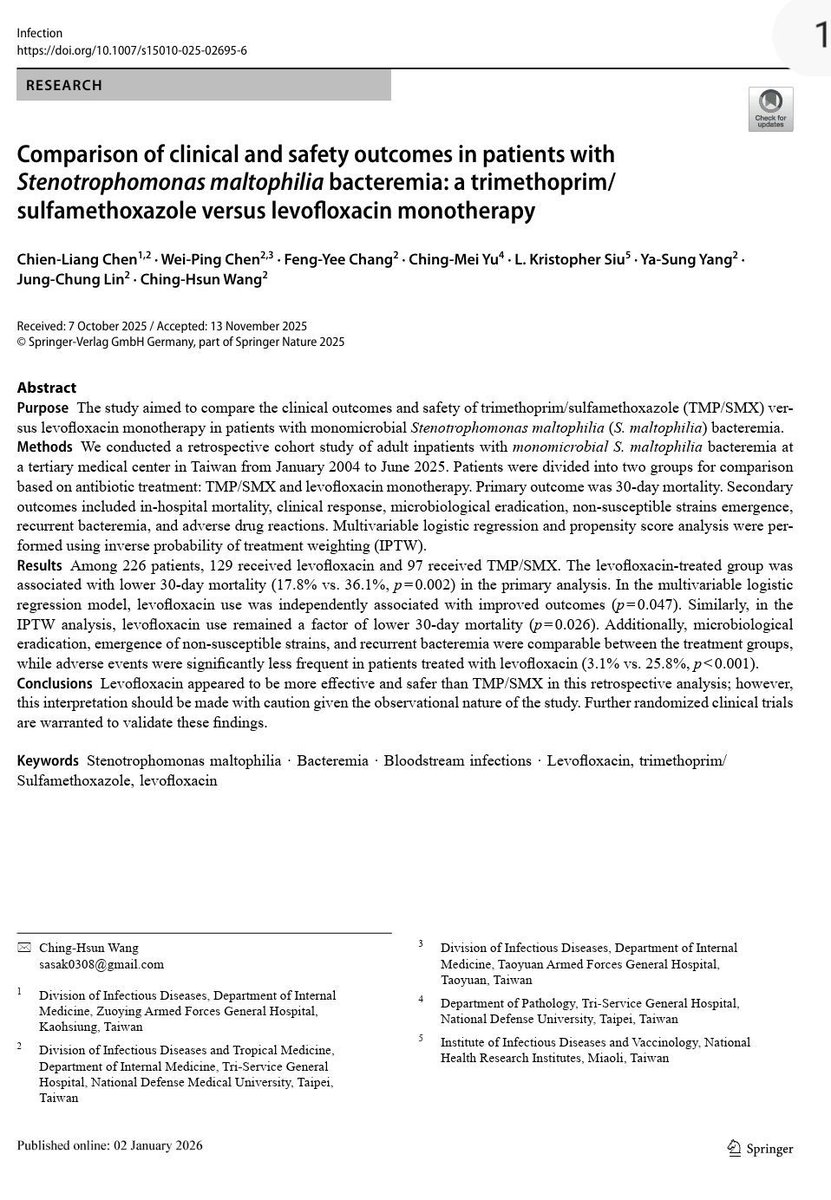
🦠 Another challenge to the dogma of TMP/SMX as the default therapy for Stenotrophomonas maltophilia bacteremia.
This new retrospective cohort study from Taiwan compared TMP/SMX versus levofloxacin monotherapy in 226 patients with monomicrobial S. maltophilia bloodstream infection.
The results are difficult to ignore.
Levofloxacin was associated with: • Lower 30 day mortality: 17.8% vs 36.1%
• Lower in hospital mortality: 26.4% vs 48.5%
• Better clinical response at end of treatment: 81.4% vs 59.8%
• Significantly fewer adverse drug reactions: 3.1% vs 25.8%
Even after IPTW adjustment and multivariable analysis, levofloxacin remained independently associated with lower mortality.
One particularly important point: Resistance emergence was NOT significantly higher with levofloxacin.
This directly challenges one of the main arguments historically used against fluoroquinolone monotherapy in S. maltophilia.
The discussion also raises an interesting physiological explanation.
Nearly half of infections were respiratory in origin, and levofloxacin’s superior epithelial lining fluid penetration may partially explain the better outcomes observed in pulmonary associated bacteremia.
Meanwhile TMP/SMX toxicity remained substantial: • Hyperkalemia
• AKI
• Agranulocytosis
• Drug discontinuation due to adverse events
Of course, this remains retrospective observational data.
But together with recent meta analyses and multicenter cohorts, the paradigm may be shifting from: “Levofloxacin as backup therapy”
toward:
“Levofloxacin as a legitimate first line option in selected S. maltophilia infections.”
Reference 📚
Chen CL et al. Comparison of clinical and safety outcomes in patients with Stenotrophomonas maltophilia bacteremia: a trimethoprim/sulfamethoxazole versus levofloxacin monotherapy. Infection. 2026. https://t.co/Q6nav5Dqjt
Leishmaniases comprise clinically distinct diseases caused by the protozoan parasite leishmania, which is transmitted through the bite of infected sand flies (Panel A). Leishmania are obligate intracellular parasites that invade and multiply within host phagocytes. CD4+ T cells are critical for host defense, since they produce interferon-γ, a key cytokine that activates macrophages to kill parasites. Most leishmania species that cause human disease also infect domestic and wild animals, such as dogs, cats, hyraxes, sloths, and rodents, which serve as zoonotic reservoirs. Infected sand flies are responsible for most cases of transmission, but visceral leishmaniasis (also known as kala-azar) can also occur through blood transfusion, organ transplantation, congenital transmission, needle-stick injuries, or sharing of contaminated syringes.
Leishmaniasis is endemic in Africa, the Americas, Asia, and Europe (Panels B and C). More than 1 billion people in 99 territories and countries where leishmaniasis is endemic, including the United States, are at risk for contracting the disease. The global prevalence of leishmaniasis is estimated to be 6 million cases, and approximately 0.7 to 1 million new cases occur annually. Most cases occur in people in endemic countries in Africa, Asia, and Latin America where inadequate evening shelter and limited personal protective measures result in continuous vector exposure. Other factors contributing to the high prevalence of leishmaniasis include malnutrition, lack of disease awareness, coinfections with HIV and helminths, and forced population displacement due to conflicts. Leishmaniasis is also endemic in the Middle East, southern Europe, and the Americas, where immunosuppression and travel are additional risk factors.
Read the Review Article “Leishmaniasis” by Naomi E. Aronson, MD, Ahmed M. Musa, MB, BS, DTMH, PhD, and Abhay R. Satoskar, MB, BS, MD, PhD (@SatoskarAbhay, from Uniformed Services University (@USUhealthsci), the University of Khartoum (@u_of_k), and @ohiostate: https://t.co/N3LaviIpzU
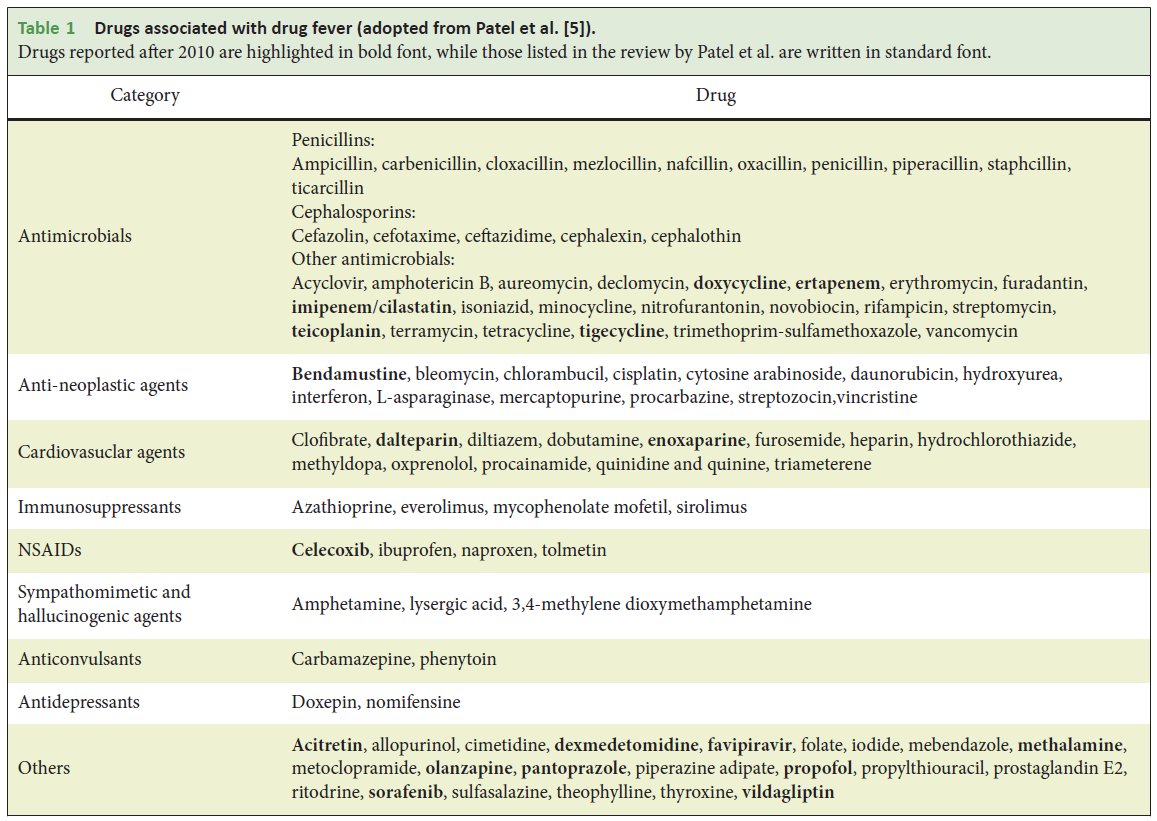
👨🏫Fiebre de origen farmacológico: Revisión narrativa (2023)
💡Inicio tras la administración
💡Resolución 72 hr tras retirada
💡Ausencia de otras causas identificables
💡No reincidencia 72 hr tras la defervescencia
Medicamentos asociados
👇
https://t.co/cBxp6Oy8mi
En este artículo publicado ayer en la revista Science se describe como la infectóloga de Sudáfrica (país en el que sí existe esta especialidad médica), Lucille Blumberg, diagnosticó el caso índice del brote de hantavirus de los Andes en el crucero MV Hondius. (sigue)
Brote en #crucero 🚢 posible #HANTAVIRUS🦠🐭 con 3 fallecidos y pacientes graves🛌📉IMPORTANCIA del conocimiento de las #EnfInfecciosas 🧫🪱en un mundo globalizado🌏✈️⛴️🧳
Porque “solo se DIAGNOSTICA lo que se CONOCE”👉🏻Revisión #HANTAVIRUS@CMIJournal 🆓🔗https://t.co/0xU0sIqXvC
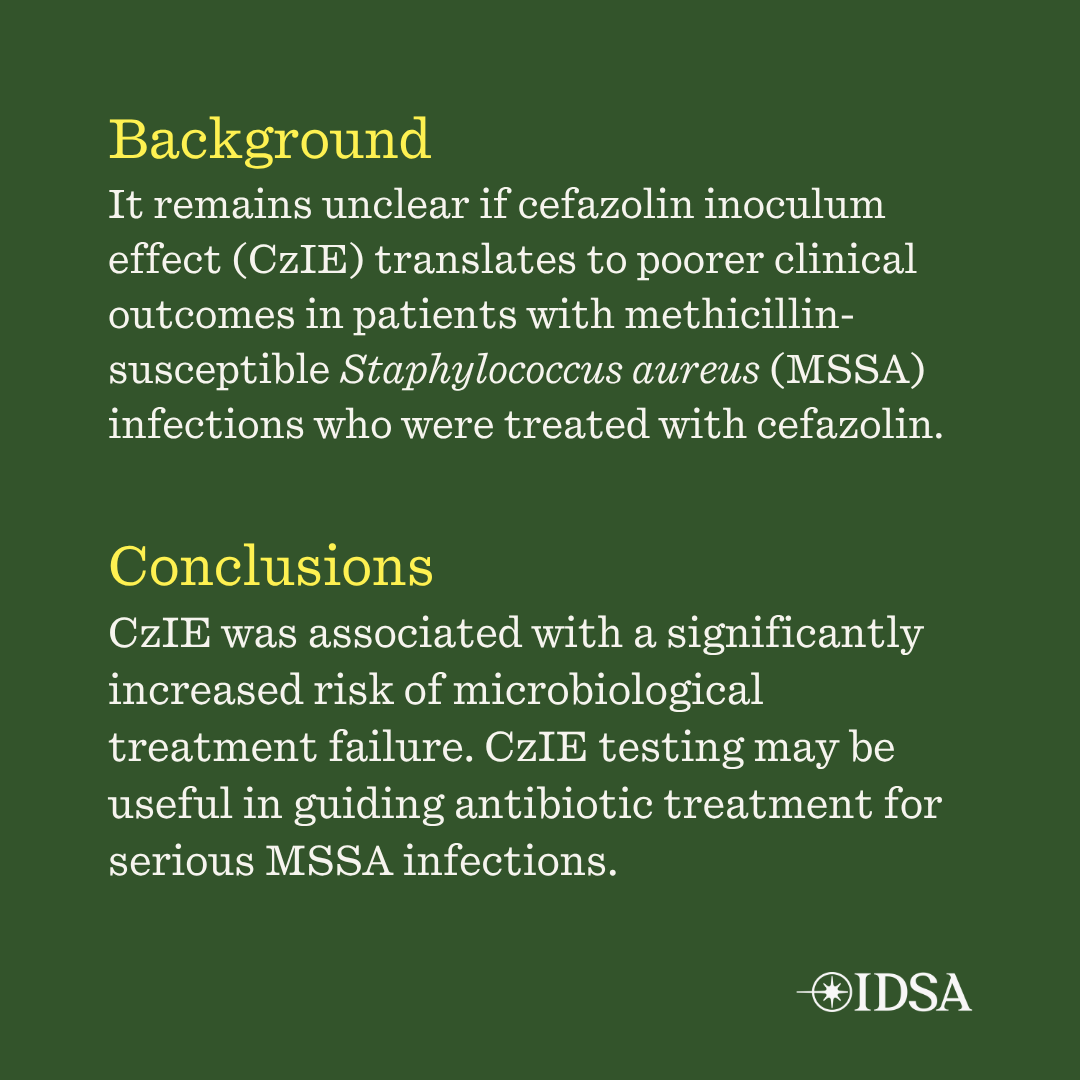
Cefazolin Inoculum Effect and Cefazolin Microbiological Treatment Failure in Serious Methicillin-Susceptible Staphylococcus aureus Infections: A Multicenter Retrospective Cohort Study
✅ Just Accepted
🔗 https://t.co/RNLeLTEvBN
One of the most controversial topics in ID these days!
The start of something new in MSSA, recognized from cases of clinical failures, despite a SOC therapy from #ESCMIDGlobal2026
Discordant β-Lactam Susceptibility in clinical SA isolates: BORSA , MODSA, OS-MRSA
Should colonoscopy be routinely performed in Klebsiella Pneumoniae Liver Abscesses patients?
A new retrospective cohort study provides insights!
Klebsiella pneumoniae liver abscess as the herald of underlying colorectal neoplasm #IDXposts https://t.co/er5J3f7b1w
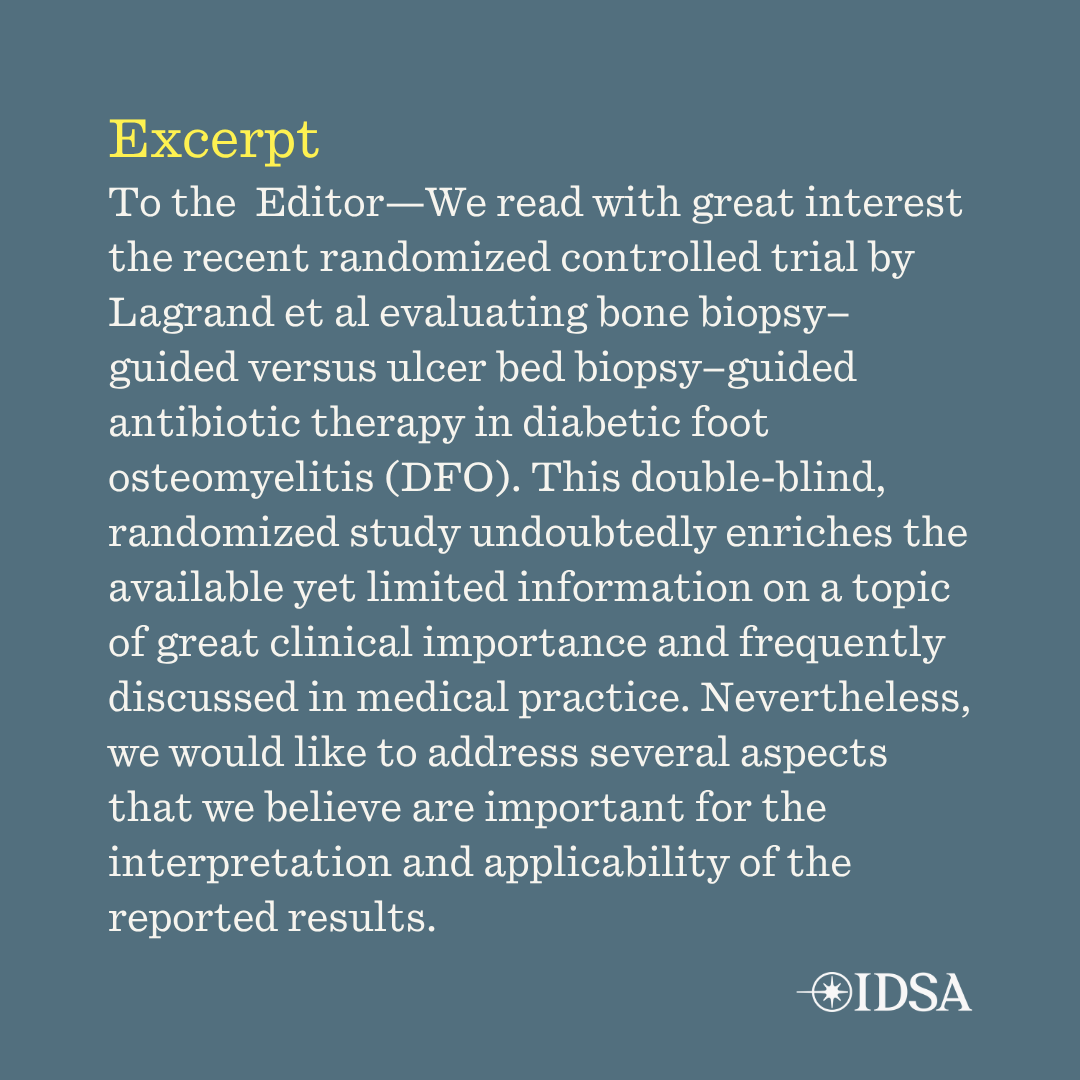
Interpreting Biopsy-guided Antimicrobial Therapy in Diabetic Foot Osteomyelitis: Is Biopsy Method Really the Key?
✅ Just Accepted
🔗 https://t.co/Qk4fd8PEpu
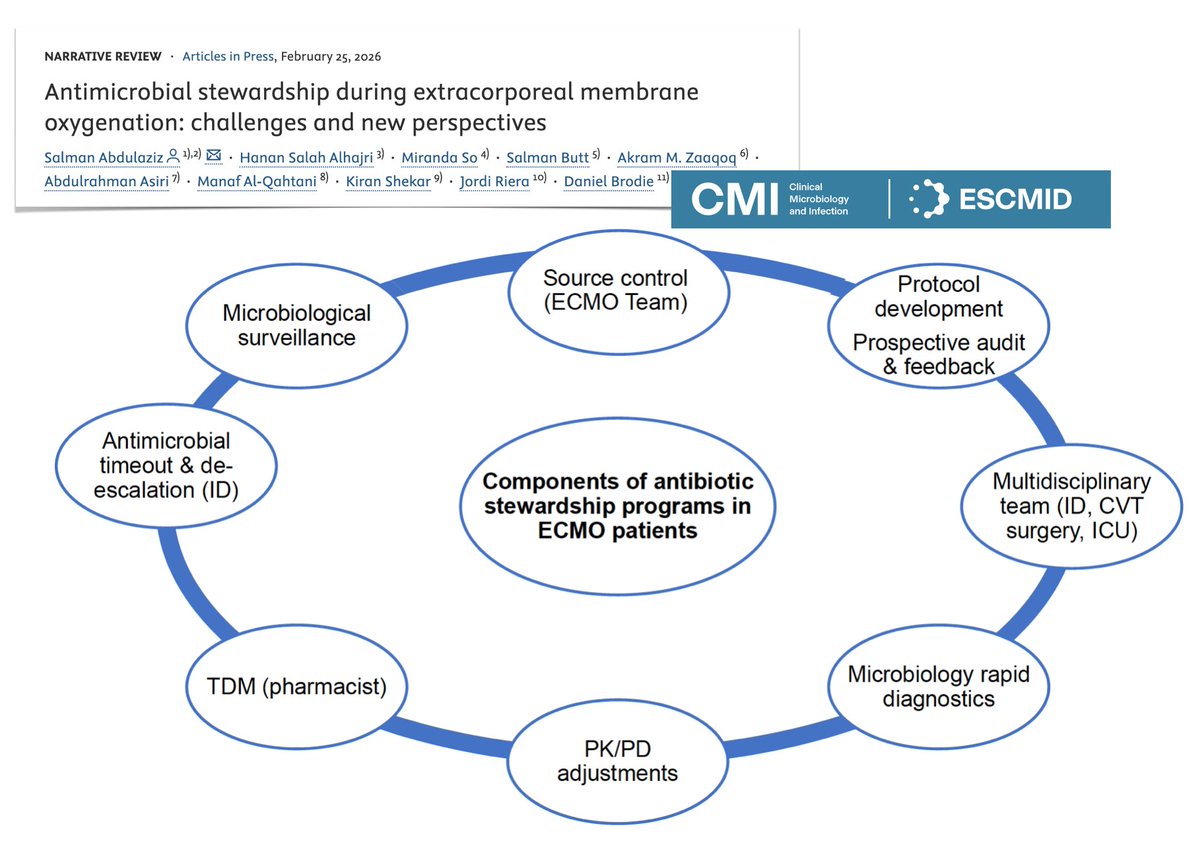
Antimicrobial stewardship in #ECMO? Challenging & evolving discipline, with limited data available!
🧫 infections & 🧪 infection biomarkers during #ECLS
💉 PK/PD & appropriate antimicrobial dosing
💉 ABT prophylaxis in ECMO: yes or no?
🔮 empirical antimicrobials and circuit/cannula change
🩺 ABT and diagnostic stewardship in ECMO
🚧 infection control strategies
The prominent PK alterations induced by circuits + prolonged ICU stays + high infection risk make optimal ABT therapy complex. Evidence for use of stewardship in #ICU patients remains applicable to those receiving ECMO.
🔗 https://t.co/wTWE8UN5LZ