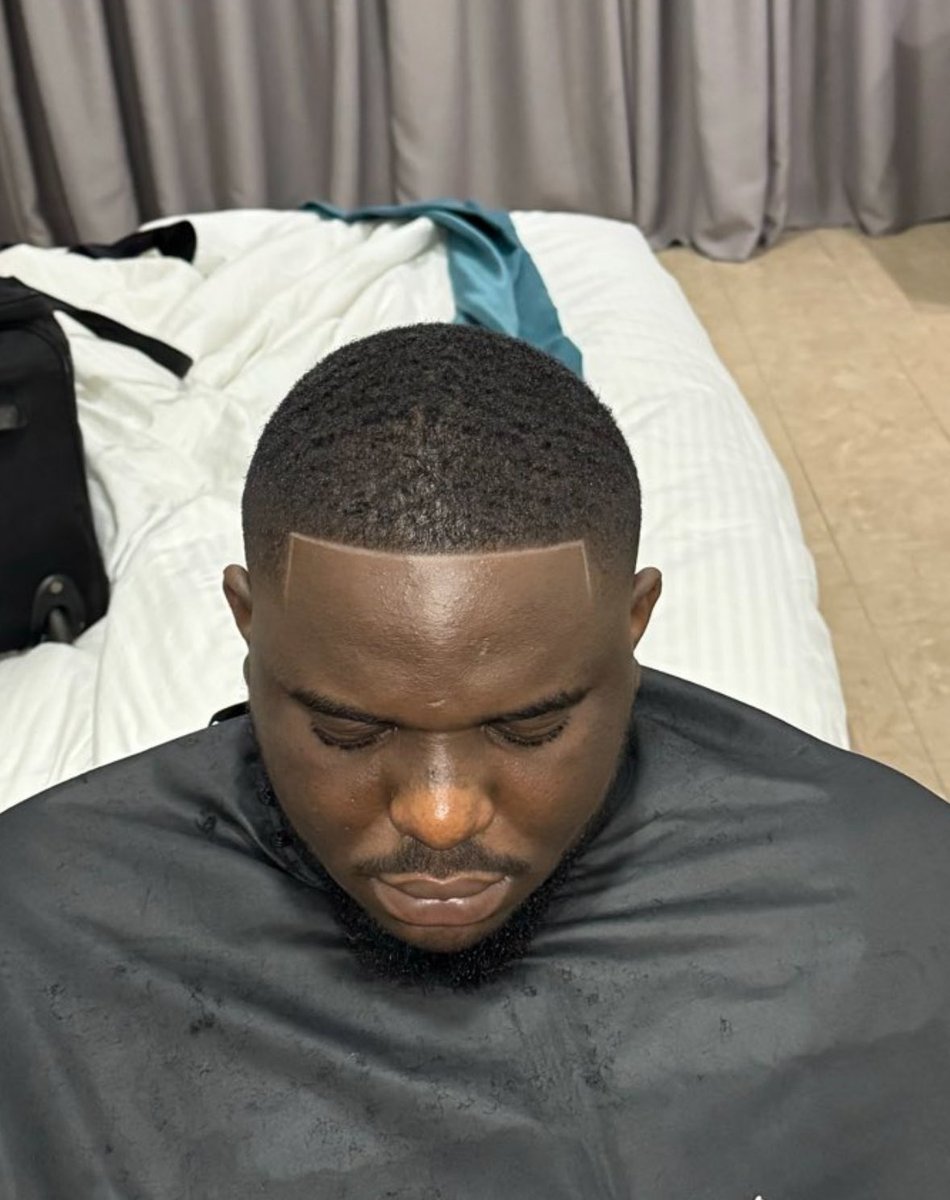
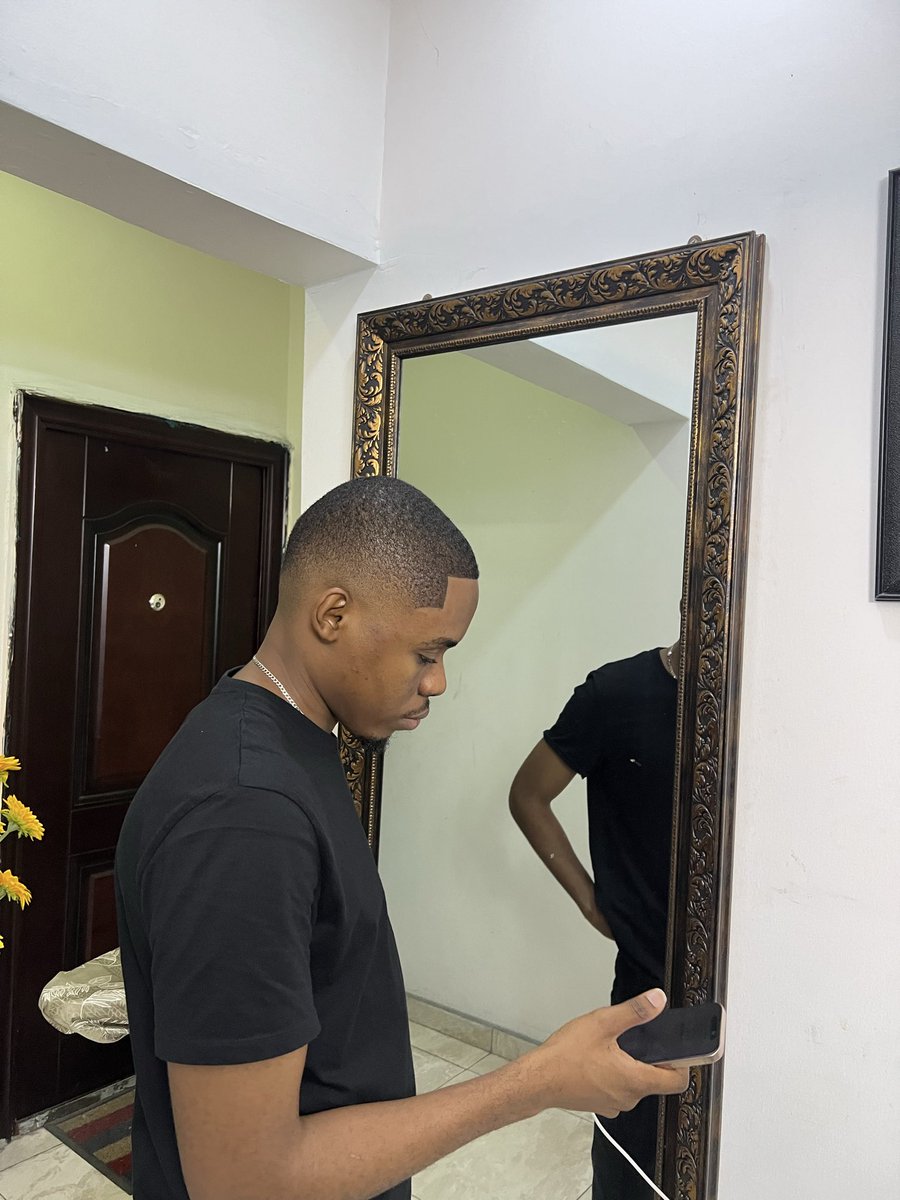
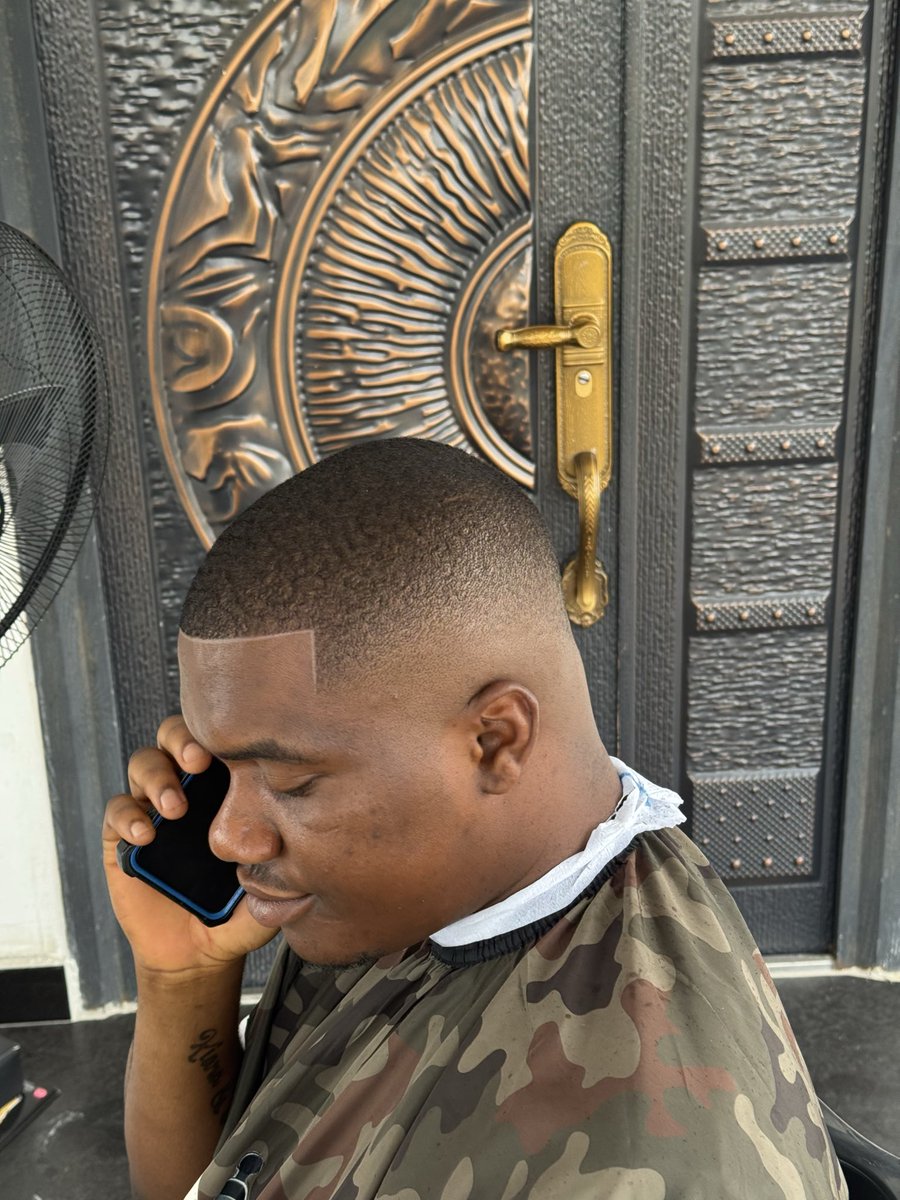
Many people believe they can give themselves a clean skin fade or lineup.
Some actually can.
But self-cutting rarely matches the precision, symmetry, and objectivity of a skilled barber working from every angle.
Experience isn’t just about holding the clipper, it’s about seeing what you can’t see.
The quality of your client relationships is often determined before the first haircut by the expectations you communicate, not the assumptions you make.
Structure prevents assumptions.
Communication reduces conflict.
Boundaries protect relationships.
It is true that many people evaluate their appearance partly through other people’s reactions.
Haircuts are social.
So external feedback naturally influences how someone feels about their haircut.
A negative feedback tends to motivate action more strongly than a positive feedback.
A client who hears, “Your haircut looks great,” rarely feels compelled to message the barber immediately.
But a client who repeatedly hears, “Your hairline looks too far in,” is much more likely to reach out.
Many barbershop owners deliberately structure commissions, weekly remittances, operating costs, and shop policies in ways that disproportionately benefit the business while placing heavy financial pressure on young barbers.
These decisions can restrict their ability to invest in tools, education, and long-term professional growth.
A competent, skilled person with strong human relations skills never doubts the future, unless they lack the vision to drive a passion rooted in self-confidence and risk management.
Many clients carefully plan their events but do not plan their haircuts.
They often treat haircuts as urgent conveniences rather than scheduled necessities, which can make organized booking systems difficult to implement especially in Nigeria.
A good barber-client relationship can positively influence a barber’s long-term growth in ways that go beyond income.
When clients trust and communicate openly, the barber is exposed to different experiences, professions, perspectives, and life lessons that the client has acquired over the years.
A Clients may also be inspired by a barber’s work ethic, dedication, creativity, and ability to build relationships with diverse people.
In such situations, the barber is not merely cutting hair.
He is interacting with a source of experience and insight.
The client’s exposure to different people, places, industries, and challenges can indirectly become a form of education for the barber.
In mobile/home service especially, you are entering people’s personal spaces and social environments.
That changes the power dynamics compared to a fixed shop.
Clients may unconsciously treat availability as flexibility, and flexibility as negotiability.
Take note!
In barbering, if a barber is consistently seen around premium clients, people may begin to expect higher quality, exclusivity, confidence, professionalism, or even arrogance.
Enhancement is a presentation, not a foundation.
A weak haircut can be disguised temporarily, but not sustained.
A strong haircut doesn't need enhancement, it only gets highlighted by it.
Some clients truly value you, but they’ll still “probe” a bit, just to see your flexibility.
Some are price-sensitive, even when they can afford you.
It’s a habit, not a necessity.
Even if a client books you, that barbershop on the street, estate or GRA is still in his mind as the “default option.”
So consciously or not, he compares your convenience, speed, and even vibe against that baseline.