2/2 at risk of extiction due to pesticide use?
It is against this background that @Africeug2 joined other civil society actors to launch a National strategy for phasing out highly hazardous pesticides. Lets promote agroefology as a sustainable alternative
1/2;Do you know that Pesticides banned in other countries are still sold to Ugandan farmers;55 of 115 registered pesticides in Uganda are highly hazardous;28.8% of poisoning cases in 5 hospitals in Kampala were caused by pesticides and 40% of insect pollinator species are
When elders mentor young people, we pass on the knowledge, values and customary practices that guide our communities in protecting nature.” Wazaire Ntarwete Wantumbu, a custodian of sacred natural sites in Buliisa, during AFRICE’s intergenerational dialogue
@africeuganda2 has been granted observer status to the Conference of the Parties to the United Nations Convention to Combat Desertification (UNCCD). It creates an opportunity to bring the experiences and knowledge of indigenous and local communities into international discussion
Sacred natural sites protect biodiversity, indigenous knowledge, cultural identity and community livelihoods. This video shows how communities in Karamoja and Buliisa are conserving these vital ecosystems. Watch: https://t.co/8l9XWUGvOO
Sacred natural sites protect biodiversity, indigenous knowledge, cultural identity and community livelihoods. This video shows how communities in Karamoja and Buliisa are conserving these vital ecosystems. Watch: https://t.co/8l9XWUGvOO
Happening now:Uganda is preparing NDC 3.0 in accordance with decision 1CP.19 1/CP 20and under Article 4 of the P.A, the department is consulting district technical staff on their sector priorities.@UNDPUganda@min_waterUg@EmliBwaise@ndcpartnership
Happy Labour Day from AFRICE. Today, we honour farmers, elders, women seed custodians, youth, and communities whose daily work protects indigenous seeds, restores ecosystems, and keeps cultural knowledge alive.
Healthy ecosystems, healthy livelihoods.#LabourDay#AFRICEUganda
AFRICE’s unique approach to community ecological governance, regenerative farming and indigenous seeds gains strong district support under a renewed partnership in Buliisa. Fore more: https://t.co/abGPd7fEVQ
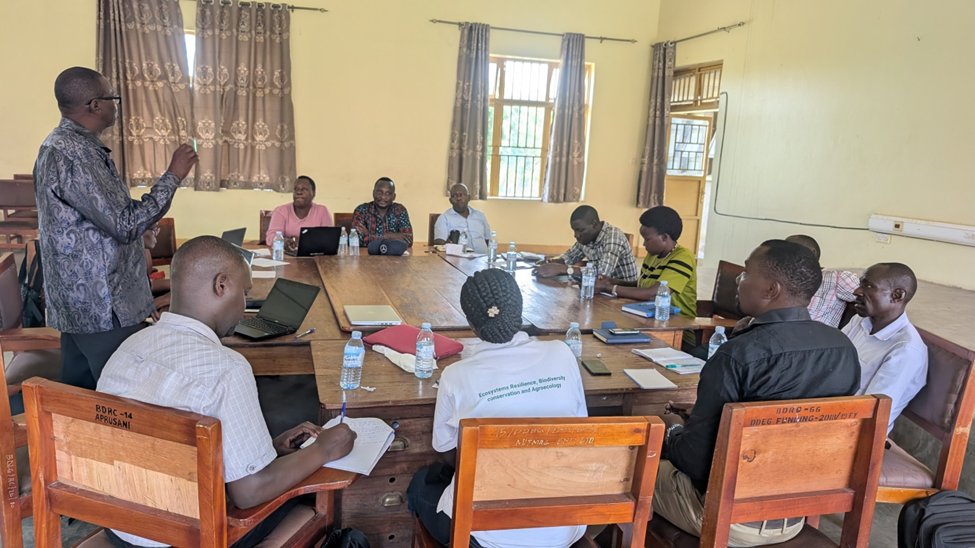
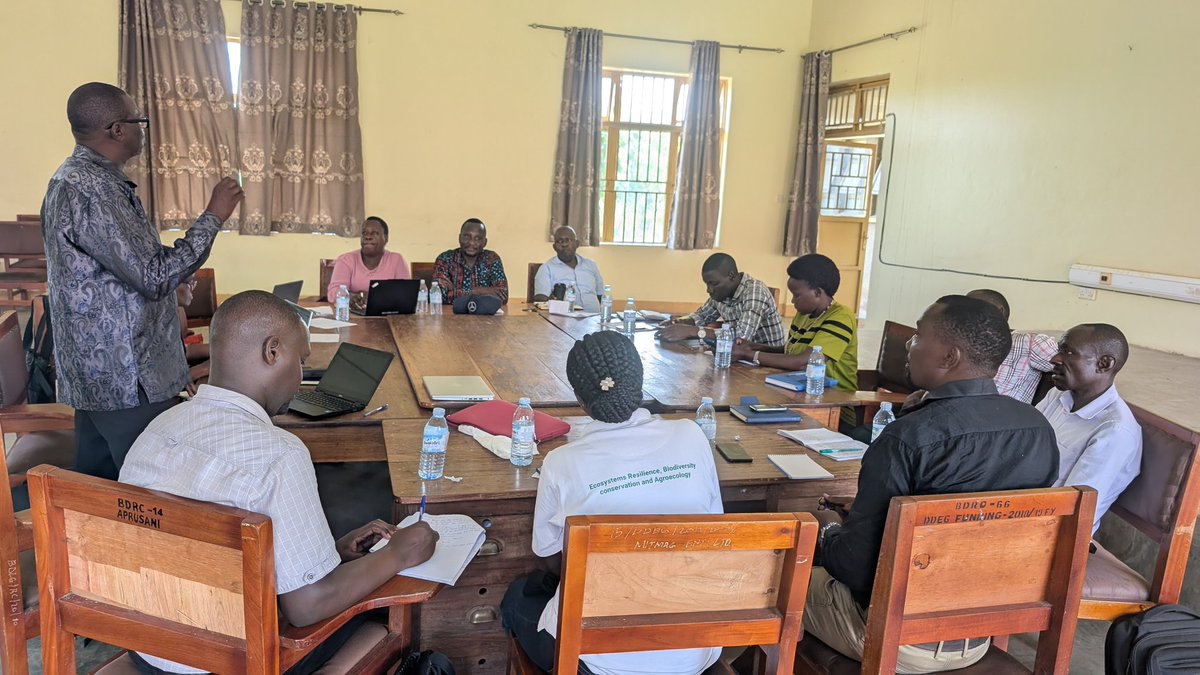
AFRICE had a successful engagement with Buliisa District Local Government on strengthening partnership around agroecological food systems, seed sovereignty, and community ecological governance grounded in indigenous knowledge.
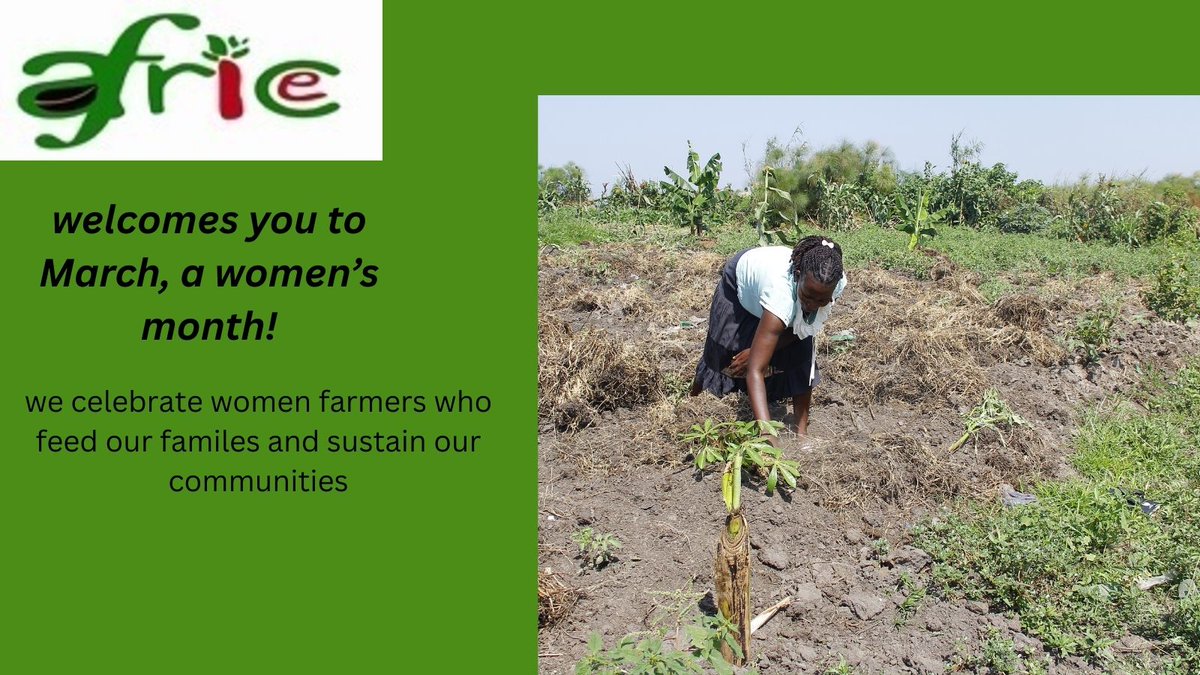
On this day, AFRICE celebrates the remarkable women whose knowledge and resilience continue to shape our communities, protect our biodiversity, and strengthen food security. Happy Women’s Day #WomenDay#IWD2026#AFRICE
In Buliisa, Community Seed Learning Center is helping farmers respond to land degradation and climate change through agroecology, seed saving, and indigenous knowledge. A powerful model for food sovereignty and resilience in action. #Agroecology#FoodSovereignty#Uganda
Global Tapestry of Alternatives(GTA)'s new booklet shares real stories of self-governance, Indigenous land and culture recovery, and cross-border solidarity resisting extractive power. AFRICE's Dennis Tabaro is among the authors. Explore it here: https://t.co/v1BCsNlxBV
The National Position at COP30 briefing paper outlines the country's key messages and expectations for Belem @UNFCCC
A must-read for stakeholders and delegates at COP30 > https://t.co/95qMEVFLBP
#UGCOP30#ClimateAction#COP30#ccd@min_waterUg
Yesterday AFRICE joined with CSOs partners at Silver springs hotel Bugolobi Kampala Uganda to align our combined position a head of COP30 and contribute to Uganda’s national position, together we continue advancing the fight for climate justice #COP30#ClimateAction#Uganda
How do indigenous people understand climate and how it changes?
We need to know how indigenous people know climate in their context instead of us the elite to force them understand the meaning. #climate#agroecology#communityecologicalgovernance
https://t.co/eo10W7KAGB