My perceptions of Africans before visiting the continent were mostly formed by some books I had read, then by western depictions of the continent in works like The Little Mermaid.
I'm truly sorry for the bigotry and ignorance I've shown in the past. I've found Africans to be some of the most cheerful and welcoming people on the planet.
A smile is the most difficult thing to fake, but the most simple to read. My camera captured many happy Africans and their friendship with the Chinese.
Their lovely smiles and friendliness have genuinely moved me.
Twitter trolls have labeled me a “CCP shill”, despite the fact that I am not a member of the CPC and have no plans to become one soon.
Like most Chinese, I am a supporter of our government because I've visited countless rural places that were formerly impoverished and witnessed firsthand how prosperous they have grown. The success of our government, in my opinion, lies in its efforts to reduce poverty and implement reforms in rural areas.
In 2012, I went on a field trip to Nongyong, a little village in South China’s Guangxi Zhuang Autonomous Region. The absence of modern transportation meant that the village kids had to traverse multiple muddy mountain trails to get to school, and then climb a wood ladder fastened to the side of a cliff.
The village was a backwaters with no running water. The local primary school had to gather rainwater on the roof for the children to drink. The children I encountered were mostly "left-behind kids," whose parents had gone to the city in search of better economic opportunities. They only get to see their parents once a year, and that's during the Spring Festival.
Meng Xuantai, an eight-year-old boy, lived in the little village. He was too little to climb the wooden ladder on his own, so his older brother, who was three years his senior, had to help him get to school.
He told a reporter from Xinhua News Agency that his goal was to work in a big city to support his family and be closer to his parents, who he missed terribly.
The situation began to improve in 2014, when the local authorities made helping the villagers a primary priority. Children no longer had to risk their lives by using the precarious wood ladder to get to school; the government had a road constructed for the tiny town. More than 5 million yuan, or around $713,970, was spent on updating Meng's school. Multimedia classrooms, vocal music rooms, libraries, and a distant teaching system are just some of the cutting-edge facilities made available to the village kids, in addition to brand-new classrooms, dorms, a cafeteria, and restrooms.
Journalists from Xinhua ran across the once-eight-year-old Meng again in 2021. With the help of the government, he was able to complete his study at a vocational school and find job in Guangdong. His brother went to university and decided to become a teacher to help the children in their community.
In the past few years, I've traveled extensively throughout rural China. Many villages, including Meng's, have turned from impoverished backwaters into thriving towns. In order for parents to remain at home with their kids and have a better quality of life, the local government has devised strategies to promote the local economy, such as ecotourism, modern agriculture, and e-commerce.
Over the past 40 years, the number of people in China with incomes below $1.90 per day – the International Poverty Line as defined by the World Bank to track global extreme poverty– has fallen by close to 800 million. With this, China has contributed close to three-quarters of the global reduction in the number of people living in extreme poverty.
The Chinese government cannot be as awful as the Western media portrays it if it consistently prioritizes the well-being of its people and treats its most vulnerable citizens with dignity and compassion.
[Picture 1: Meng Xuantai, age 8, and his brother have to traverse muddy mountain hikes and climb a wooden ladder to get to school. 2012. Photo by Xinhua]
[Picture 2: Meng Xuantai holds a piece of paper on which he scribbled, "I want to work so I can support my parents." 2014. Photo by Xinhua]
[Picture 3: Meng Xuantai (Left 1) and his family are now living in a new apartment, and their lives are improving. 2021. Photo by Xinhua]
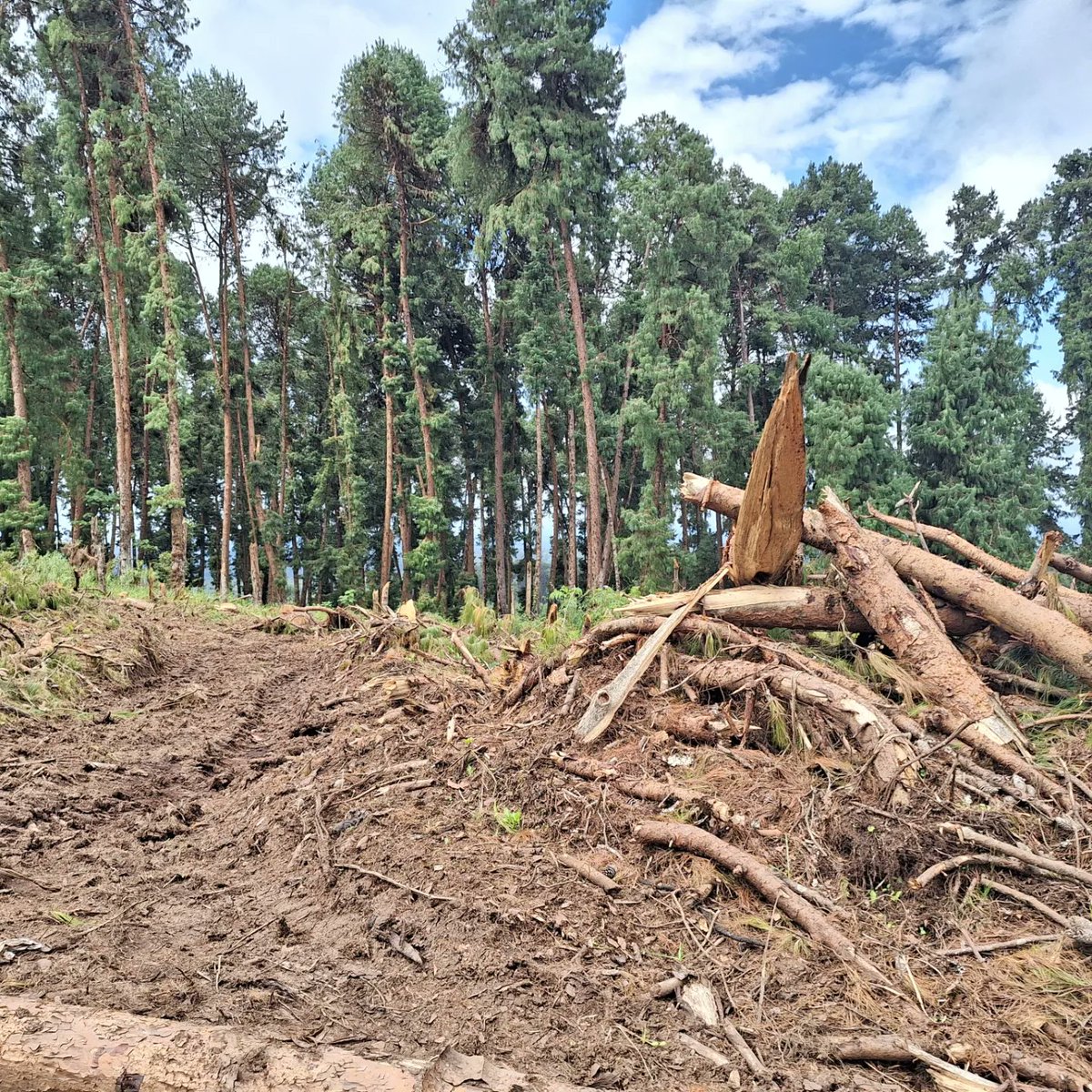
So sad to see the ban on logging being lifted. I was hiking in Kamweti Forest on Mt. Kenya a few weeks ago and the sight was disheartening. Having been there in Dec 2020, the scenes of the trails and forest were shocking. Check out the before (2020) and after (2023) pics.
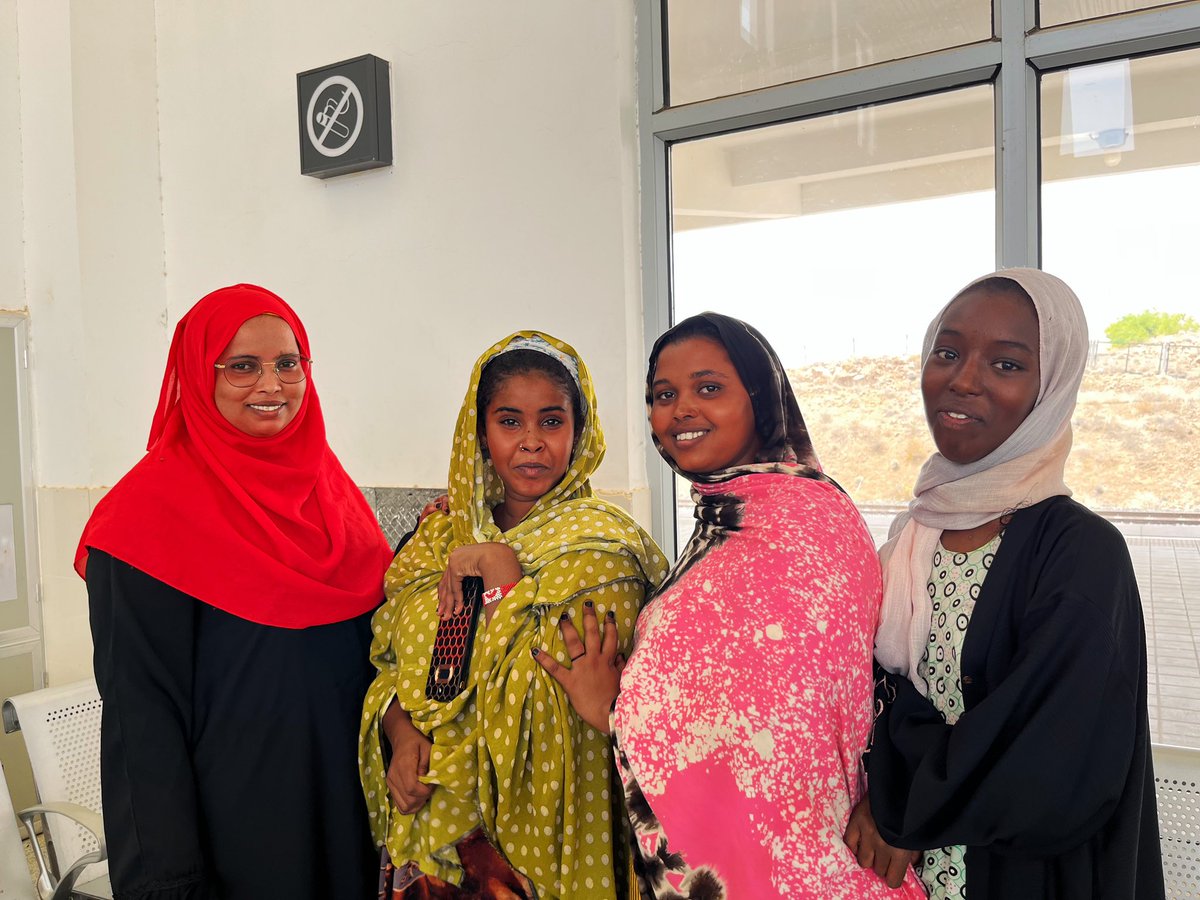
All black, Muslims & Arabs in the team!
No one was complaining about having too many Africans, Arabs, & Muslims in the French football team, do you know why? It's called capitalism - no issues as long it benefits the system.
#emeutes#etatdurgence#FranceRiots#FranceHasFallen
@djuric_zlatko How to solve this is easy, help african countries develop with its resources, stop taking them to develop already developed countries, but they cant do that because when a country is poor, its resources are cheaper
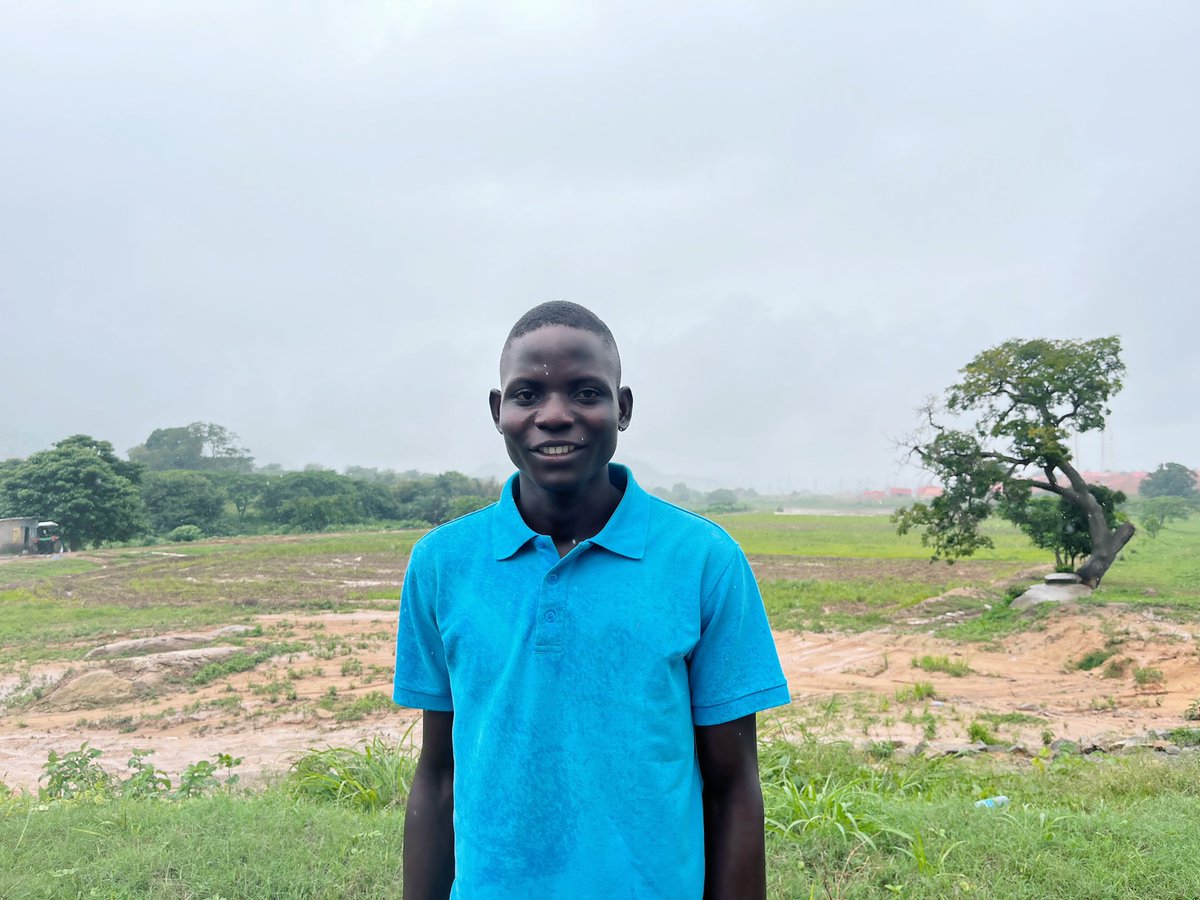
So @DCI_Kenya could identify this man from that angle yet when I sent them a better compilation of CCTV footage when a robber stole my cameras, lenses, laptops, and hard drives worth more than half a million, they told me the footage was unhelpful. Ama nipakwe rangi niwe mzungu?
Finally! After five years of praying, planning, procrastinating & lots of giving up on this dream - by God’s grace today we officially launch Coffee 254.
It’s also my birthday today, so if we share a birthday, a cuppa of Latte Macchiato, Cappuccino, Mocha, Vanilla Latte… 1/2
A Nigerian man who lives in the United Kingdom posted this on Facebook. He is using reverse colonial tactics to denounce colonialists who claimed they discovered places in Africa.
READ HIS FULL POST BELOW:
On the 24th day of the 10th month in the year 2021. A black African man from Igbo Naton in West Africa, called Mazi Uba Acho discovered a Lake in Leicester East Midlands of England. This newly discovered Lake by Uba Acho shall be called Iyi Ojemba.
Just as Mungo Park discovered river Niger in Nigeria. A river Ogbaru, Anam and Onitsha people and ancestors had been fishing in and swimming in long before the great great grand father of Mungo Park was born. But hey! Mungo Park travelled over six thousand miles from Scotland in 1795 and discovered it.
Just as David Livingstone travelled thousands of miles in 1855 to discover Zambezi river in Zambia and Zimbabwe also discovered a waterfall which he named Victoria-falls. Of course all the people, tribes and communities in Zimbabwe and Zambia, who have been hunting, farming, rearing their herds in that area for centuries were all blind they couldn’t see such water bodies. Until a Scotish man came from Britain to discover it.
And up till today these are still in our African school curriculum, still being taught our children. And you wonder why we have adults and leaders who take no pride in being African. And what you have no pride in, you can’t value, what you don’t value, you can’t cherish, what you don���t cherish, you can’t preserve nor develop.
So today, I Mazi Uba Acho have discovered this Lake and named it Iyi Ojemba. Put it on record, teach it to your children.
@ErikSolheim Add another 700 million from Africa who died either during colonialism or enslavement. British Empire may have k*lled over 1 billion people worldwide during their reign.
In 1837, Ghanaian King, Badu Bonsu II of Ahanta's head was cut off and sent to a museum in The Netherlands for resisting slavery.
He was betrayed by his tribesman.
He fought against colonialism by the Dutch Government.
His head was preserved in a jar.
It was returned in 2009.


![Eivor_Koy's tweet photo. Twitter trolls have labeled me a “CCP shill”, despite the fact that I am not a member of the CPC and have no plans to become one soon.
Like most Chinese, I am a supporter of our government because I've visited countless rural places that were formerly impoverished and witnessed firsthand how prosperous they have grown. The success of our government, in my opinion, lies in its efforts to reduce poverty and implement reforms in rural areas.
In 2012, I went on a field trip to Nongyong, a little village in South China’s Guangxi Zhuang Autonomous Region. The absence of modern transportation meant that the village kids had to traverse multiple muddy mountain trails to get to school, and then climb a wood ladder fastened to the side of a cliff.
The village was a backwaters with no running water. The local primary school had to gather rainwater on the roof for the children to drink. The children I encountered were mostly "left-behind kids," whose parents had gone to the city in search of better economic opportunities. They only get to see their parents once a year, and that's during the Spring Festival.
Meng Xuantai, an eight-year-old boy, lived in the little village. He was too little to climb the wooden ladder on his own, so his older brother, who was three years his senior, had to help him get to school.
He told a reporter from Xinhua News Agency that his goal was to work in a big city to support his family and be closer to his parents, who he missed terribly.
The situation began to improve in 2014, when the local authorities made helping the villagers a primary priority. Children no longer had to risk their lives by using the precarious wood ladder to get to school; the government had a road constructed for the tiny town. More than 5 million yuan, or around $713,970, was spent on updating Meng's school. Multimedia classrooms, vocal music rooms, libraries, and a distant teaching system are just some of the cutting-edge facilities made available to the village kids, in addition to brand-new classrooms, dorms, a cafeteria, and restrooms.
Journalists from Xinhua ran across the once-eight-year-old Meng again in 2021. With the help of the government, he was able to complete his study at a vocational school and find job in Guangdong. His brother went to university and decided to become a teacher to help the children in their community.
In the past few years, I've traveled extensively throughout rural China. Many villages, including Meng's, have turned from impoverished backwaters into thriving towns. In order for parents to remain at home with their kids and have a better quality of life, the local government has devised strategies to promote the local economy, such as ecotourism, modern agriculture, and e-commerce.
Over the past 40 years, the number of people in China with incomes below $1.90 per day – the International Poverty Line as defined by the World Bank to track global extreme poverty– has fallen by close to 800 million. With this, China has contributed close to three-quarters of the global reduction in the number of people living in extreme poverty.
The Chinese government cannot be as awful as the Western media portrays it if it consistently prioritizes the well-being of its people and treats its most vulnerable citizens with dignity and compassion.
[Picture 1: Meng Xuantai, age 8, and his brother have to traverse muddy mountain hikes and climb a wooden ladder to get to school. 2012. Photo by Xinhua]
[Picture 2: Meng Xuantai holds a piece of paper on which he scribbled, "I want to work so I can support my parents." 2014. Photo by Xinhua]
[Picture 3: Meng Xuantai (Left 1) and his family are now living in a new apartment, and their lives are improving. 2021. Photo by Xinhua]](https://pbs.twimg.com/media/F02EHxsacAEve5n.jpg)
![Eivor_Koy's tweet photo. Twitter trolls have labeled me a “CCP shill”, despite the fact that I am not a member of the CPC and have no plans to become one soon.
Like most Chinese, I am a supporter of our government because I've visited countless rural places that were formerly impoverished and witnessed firsthand how prosperous they have grown. The success of our government, in my opinion, lies in its efforts to reduce poverty and implement reforms in rural areas.
In 2012, I went on a field trip to Nongyong, a little village in South China’s Guangxi Zhuang Autonomous Region. The absence of modern transportation meant that the village kids had to traverse multiple muddy mountain trails to get to school, and then climb a wood ladder fastened to the side of a cliff.
The village was a backwaters with no running water. The local primary school had to gather rainwater on the roof for the children to drink. The children I encountered were mostly "left-behind kids," whose parents had gone to the city in search of better economic opportunities. They only get to see their parents once a year, and that's during the Spring Festival.
Meng Xuantai, an eight-year-old boy, lived in the little village. He was too little to climb the wooden ladder on his own, so his older brother, who was three years his senior, had to help him get to school.
He told a reporter from Xinhua News Agency that his goal was to work in a big city to support his family and be closer to his parents, who he missed terribly.
The situation began to improve in 2014, when the local authorities made helping the villagers a primary priority. Children no longer had to risk their lives by using the precarious wood ladder to get to school; the government had a road constructed for the tiny town. More than 5 million yuan, or around $713,970, was spent on updating Meng's school. Multimedia classrooms, vocal music rooms, libraries, and a distant teaching system are just some of the cutting-edge facilities made available to the village kids, in addition to brand-new classrooms, dorms, a cafeteria, and restrooms.
Journalists from Xinhua ran across the once-eight-year-old Meng again in 2021. With the help of the government, he was able to complete his study at a vocational school and find job in Guangdong. His brother went to university and decided to become a teacher to help the children in their community.
In the past few years, I've traveled extensively throughout rural China. Many villages, including Meng's, have turned from impoverished backwaters into thriving towns. In order for parents to remain at home with their kids and have a better quality of life, the local government has devised strategies to promote the local economy, such as ecotourism, modern agriculture, and e-commerce.
Over the past 40 years, the number of people in China with incomes below $1.90 per day – the International Poverty Line as defined by the World Bank to track global extreme poverty– has fallen by close to 800 million. With this, China has contributed close to three-quarters of the global reduction in the number of people living in extreme poverty.
The Chinese government cannot be as awful as the Western media portrays it if it consistently prioritizes the well-being of its people and treats its most vulnerable citizens with dignity and compassion.
[Picture 1: Meng Xuantai, age 8, and his brother have to traverse muddy mountain hikes and climb a wooden ladder to get to school. 2012. Photo by Xinhua]
[Picture 2: Meng Xuantai holds a piece of paper on which he scribbled, "I want to work so I can support my parents." 2014. Photo by Xinhua]
[Picture 3: Meng Xuantai (Left 1) and his family are now living in a new apartment, and their lives are improving. 2021. Photo by Xinhua]](https://pbs.twimg.com/media/F02EHxpaIAM6BHW.jpg)











![Eivor_Koy's tweet photo. Twitter trolls have labeled me a “CCP shill”, despite the fact that I am not a member of the CPC and have no plans to become one soon.
Like most Chinese, I am a supporter of our government because I've visited countless rural places that were formerly impoverished and witnessed firsthand how prosperous they have grown. The success of our government, in my opinion, lies in its efforts to reduce poverty and implement reforms in rural areas.
In 2012, I went on a field trip to Nongyong, a little village in South China’s Guangxi Zhuang Autonomous Region. The absence of modern transportation meant that the village kids had to traverse multiple muddy mountain trails to get to school, and then climb a wood ladder fastened to the side of a cliff.
The village was a backwaters with no running water. The local primary school had to gather rainwater on the roof for the children to drink. The children I encountered were mostly "left-behind kids," whose parents had gone to the city in search of better economic opportunities. They only get to see their parents once a year, and that's during the Spring Festival.
Meng Xuantai, an eight-year-old boy, lived in the little village. He was too little to climb the wooden ladder on his own, so his older brother, who was three years his senior, had to help him get to school.
He told a reporter from Xinhua News Agency that his goal was to work in a big city to support his family and be closer to his parents, who he missed terribly.
The situation began to improve in 2014, when the local authorities made helping the villagers a primary priority. Children no longer had to risk their lives by using the precarious wood ladder to get to school; the government had a road constructed for the tiny town. More than 5 million yuan, or around $713,970, was spent on updating Meng's school. Multimedia classrooms, vocal music rooms, libraries, and a distant teaching system are just some of the cutting-edge facilities made available to the village kids, in addition to brand-new classrooms, dorms, a cafeteria, and restrooms.
Journalists from Xinhua ran across the once-eight-year-old Meng again in 2021. With the help of the government, he was able to complete his study at a vocational school and find job in Guangdong. His brother went to university and decided to become a teacher to help the children in their community.
In the past few years, I've traveled extensively throughout rural China. Many villages, including Meng's, have turned from impoverished backwaters into thriving towns. In order for parents to remain at home with their kids and have a better quality of life, the local government has devised strategies to promote the local economy, such as ecotourism, modern agriculture, and e-commerce.
Over the past 40 years, the number of people in China with incomes below $1.90 per day – the International Poverty Line as defined by the World Bank to track global extreme poverty– has fallen by close to 800 million. With this, China has contributed close to three-quarters of the global reduction in the number of people living in extreme poverty.
The Chinese government cannot be as awful as the Western media portrays it if it consistently prioritizes the well-being of its people and treats its most vulnerable citizens with dignity and compassion.
[Picture 1: Meng Xuantai, age 8, and his brother have to traverse muddy mountain hikes and climb a wooden ladder to get to school. 2012. Photo by Xinhua]
[Picture 2: Meng Xuantai holds a piece of paper on which he scribbled, "I want to work so I can support my parents." 2014. Photo by Xinhua]
[Picture 3: Meng Xuantai (Left 1) and his family are now living in a new apartment, and their lives are improving. 2021. Photo by Xinhua]](https://pbs.twimg.com/media/F02EHxyaQAUGug0.jpg)