Increasing awareness of the Wikimedia, free knowledge, culture and software movements among potential editors of African Descent
@AfroCROWD: (IG/FB/Bsky.Social)
In 2016, at age 89, Opal Lee—the "Grandmother of Juneteenth"—made a symbolic walk from Fort Worth to Washington, DC, to advocate for federal recognition of #Juneteenth. Later this year, she will celebrate her 100th birthday. More about her life and legacy: https://t.co/bCN4syZnBs
#OnThisDay in 1865, General Gordon Granger arrived in Galveston, TX to read Order No. 3, which affirmed the end of slavery in the states of the former Confederacy. This momentous occasion became known as #Juneteenth, a combination of “June” & “19th." More: https://t.co/bitoMm27sm
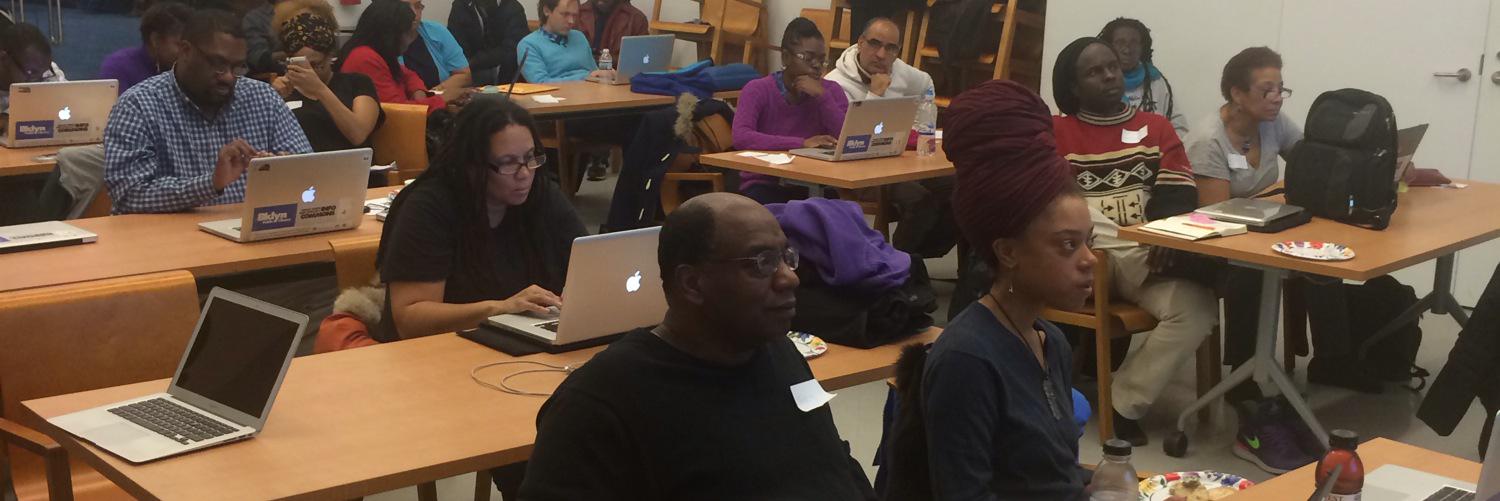
Join #Wikicurious in Fort Lauderdale, Florida on Saturday, 👉️ June 13th 👈️ from 12pm to 4pm for Wikicurious: Black Broward on Wikipedia 👏🏾
💕 Thanks to @craignewmark Philanthropies for supporting this initiative. Scan the QR code to sign up, or read on for more details...
🏳️🌈 🏳️⚧️ 💜 💛 🤍 🩵 NYC Wikipedians! Come help grow LGBTQ+ content on Wikipedia this Pride Month.
We're hosting a community gathering on June 24, 6–9pm in New York City as part of Wiki Loves Pride 2026 — a global campaign running June through August.
Register → https://t.co/8431YDpWqp
More Samara Joy propaganda because it’s healthy for the soul.
Joined by saxophonist, composer, and arranger Kendric McCallister here.
YOU MUST LISTEN TIL THE END 🙌🏽
Today is Africa Day 🌍
In “All God’s Children Need Traveling Shoes”, Dr. Maya Angelou reflects on her time in Ghana — a journey of identity, belonging, and connection to her roots.
How do you stay connected to yours?
#AfricaDay
— The origin of Memorial Day—
The origin of Memorial Day trace back to 1865 when freed slaves started a tradition to honor fallen Union soldiers and to celebrate emancipation and commemorate those who died for that cause.
A THREAD
This #EarthDay, enjoy the beautiful orchids while on view for a few more days in our More Than
a Flower: The Connective Power of Orchids exhibition! https://t.co/Jf1n0bRO3c
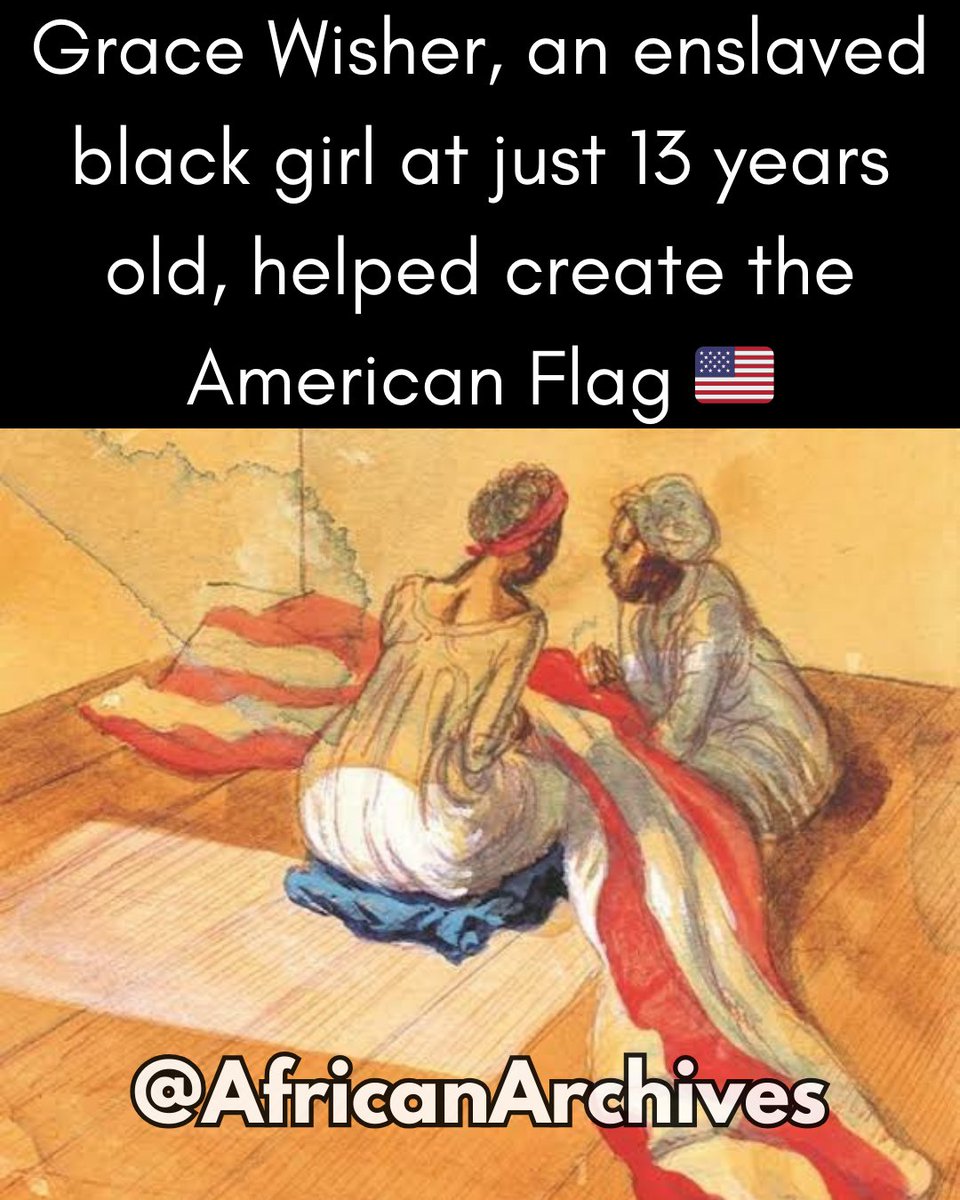
Grace Wisher, an enslaved black girl at just 13 years old, helped create the American flag which inspired the national anthem. She is often overlooked in the storytelling of the nation’s most prominent visual emblem.
Two hundred years ago, a Black American girl made history—literally. She was an indentured servant named Grace Wisher in the household of Mary Pickersgill. Helen Yuen and Ms. Asantewa Boakyewa of the Reginald F. Lewis Museum share her story.
The likeness of Grace Wisher is unknown. However, the Star Spangled Banner Flag House is home to a portrait with her figure traced in, to recognize her contribution. Detail of "Placing the Stars on the Flag that Inspired Francis Scott Key to Write Our National Anthem" by Robert McGill Mackall, ca. 1962.
Mary Pickersgill is often credited with sewing the Star-Spangled Banner which flew over Fort McHenry in Maryland and inspired Francis Scott Key to write our national anthem. Less known is that Grace Wisher, a Black American girl at just 13 years old, also helped make the flag. It's another testament to the deeply rooted, yet oft unmentioned, contributions of African Americans to the very core of this country.
Indenture was a waning practice in early 19th century Baltimore, although Maryland law did allow for courts to take away children of Black Americans who were considered "lazy, indolent, and worthless free negroes" to bind the youngsters into apprenticeship. Orphans usually met a similar fate.
The size of the Star-Spangled Banner and its six-week timeline for completion would have necessitated many people working on the flag, including Mary Pickersgill's three nieces and Grace Wisher. The household also had an enslaved person, whose name we do not know.
The home where Pickersgill and Wisher lived is now a museum called the Star-Spangled Banner Flag House. It holds a 1962 painting by famed Baltimore artist Robert McGill Mackall. The portrait features the Pickersgill household and the three men who commissioned the garrison and storm flags for Fort McHenry: Commodore Joshua Barney, General John Stricker, and Colonel George Armistead. As a tribute to Wisher, the Star-Spangled Banner Flag House drew in a ghost figure into the painting that represents the young girl. Due to our uncertainty of what she looked like, the placeholder is a traced line, but the recognition is tangible.