A woman in a village three hours from the nearest town starts forgetting her grandchildren's names. Her family calls it "old age." There's no clinic nearby that screens for dementia, no registry that logs her symptoms, no code in any health record that says: this happened here.
Multiply her by millions, across regions with fewer than one neurologist per million people, and you get the real story behind today's #WorldBrainDay theme, "Brain Health: Access for All."
Everyone is talking about the access gap. Almost no one is talking about the gap underneath it.
Here's the uncomfortable part: the statistics we use to justify closing the access gap (diagnostic delays, disease burden, funding needs) come almost entirely from health systems that already have working data infrastructure. The regions where access is worst are usually the regions where surveillance is weakest. No registries. No consistent diagnostic coding. No follow-up.
Which means the neurological crisis in the world's most underserved communities is not just under-treated. It's undercounted.
We are trying to solve a problem whose true size we do not actually know, because the people least able to reach a specialist are also the people least likely to ever appear in a dataset.
You can't build equity on invisible numbers.
If "Access for All" is going to mean anything beyond a slogan, it has to include the unglamorous infrastructure nobody puts on a conference slide: community health worker reporting, standardized primary-care coding for stroke, epilepsy, and dementia, local registries that do not depend on a specialist ever being in the room.
Because the first step to reaching every brain is not a new treatment.
It's making sure every brain gets counted.
#DataThatSpeaks
Sarcoma rarely announces itself. It hides as a bruise, a sprain, a "harmless" lump, until it's advanced and options narrow fast. In places like Kenya, that delay is deadly: advanced-stage survival can be as low as 15%, versus up to 85% in high-income countries, not because the biology is different, but because the data, diagnosis, and specialist access are. This is exactly the gap @afyanalytics exists to close, building intelligent, connected health data systems that strengthen clinical care, guide policy, and accelerate research across Africa, so a suspicious lump gets flagged and referred early, not years too late.
This #SarcomaAwarenessMonth, know the signs, ask early, and back the systems working to make "early" possible for everyone.
#MakeoverMonday
#DataThatSpeaks
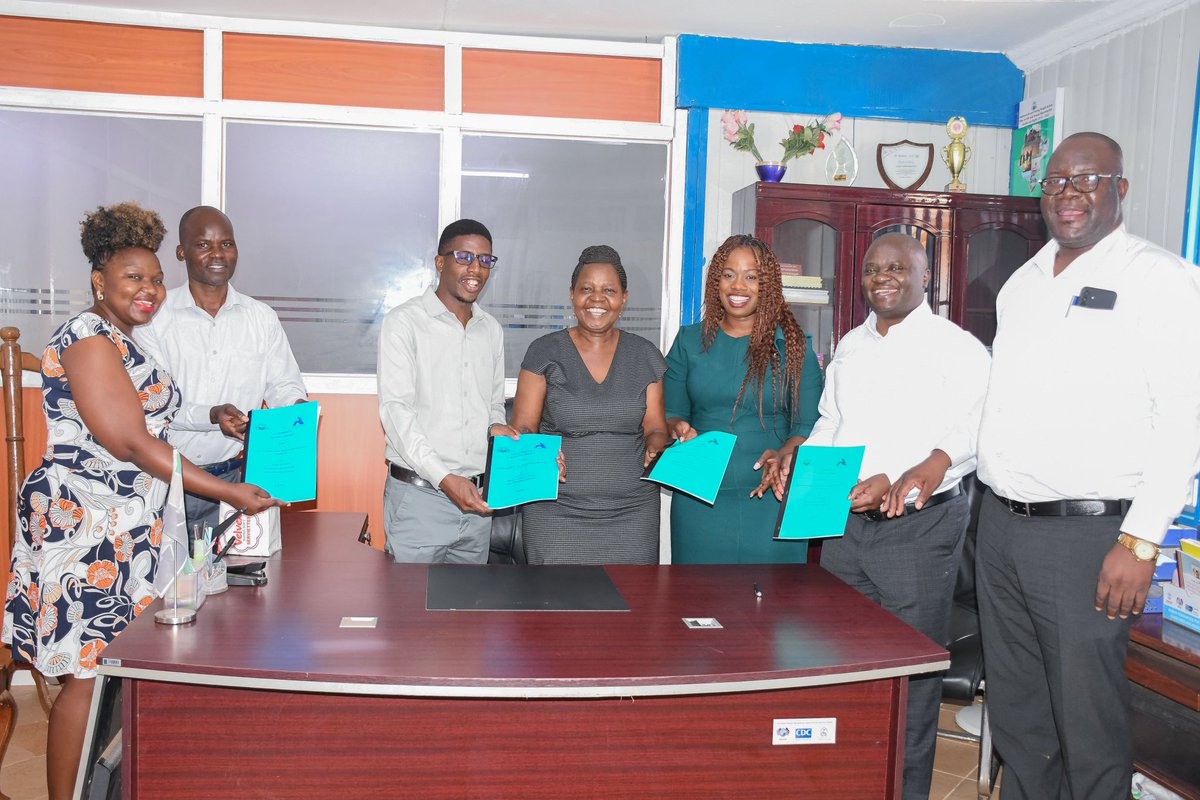
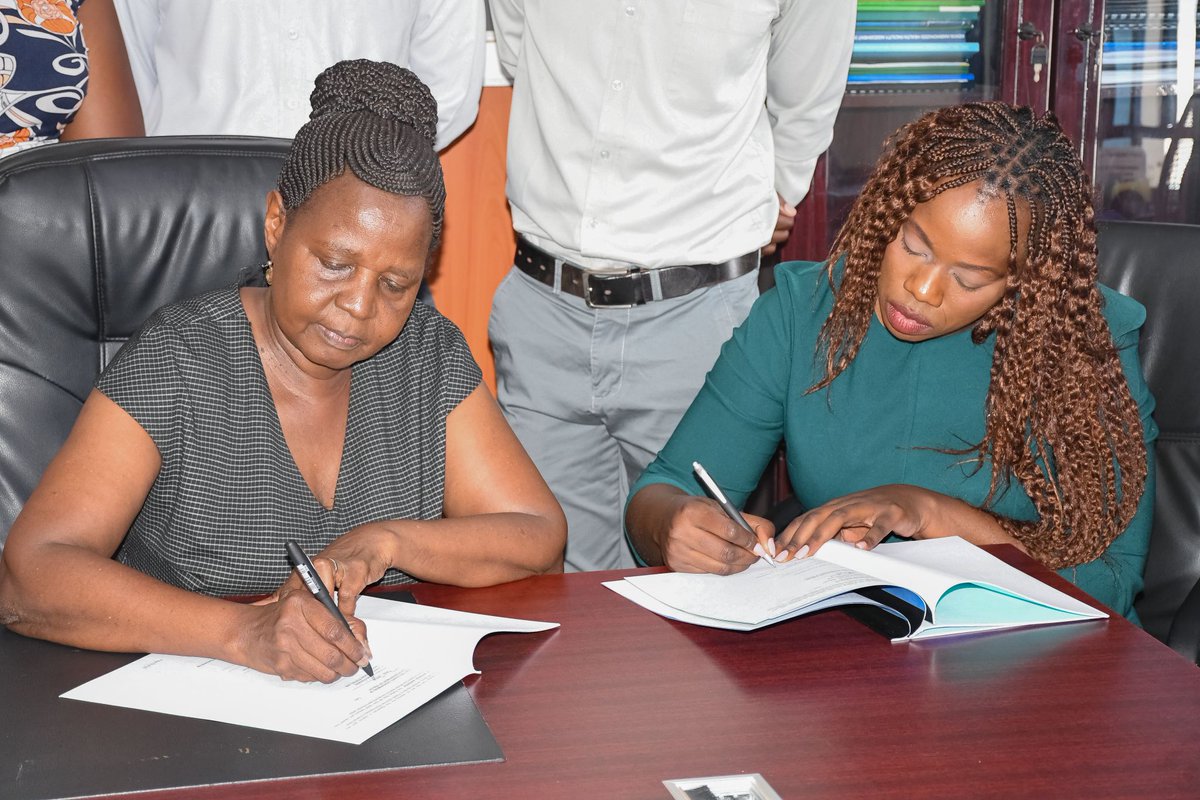
Big thank you to the County Government of Siaya.
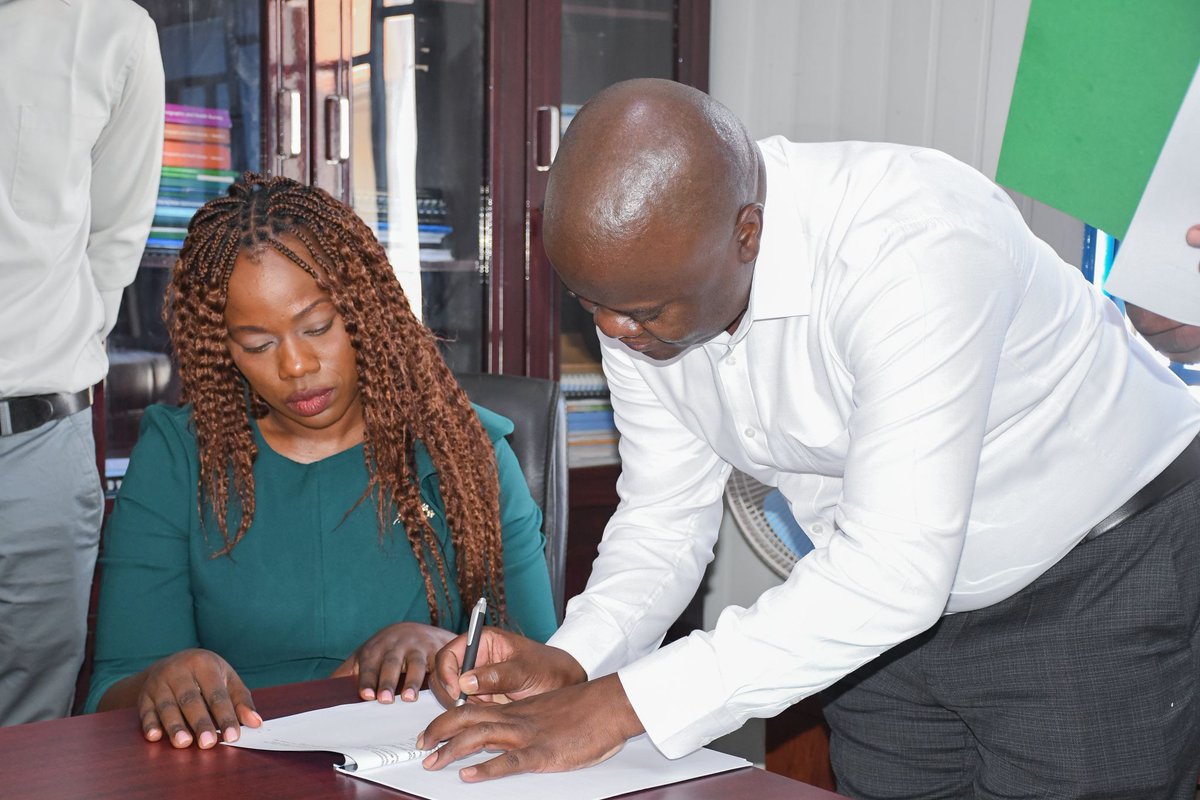
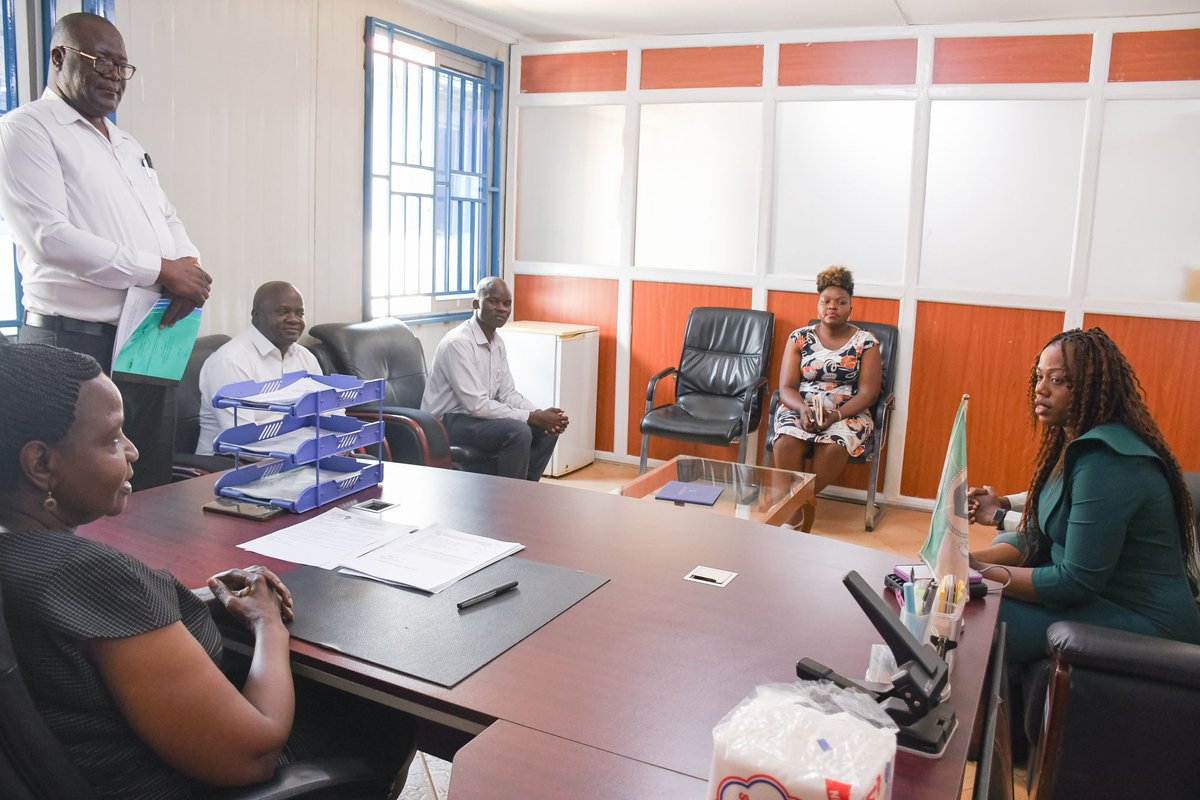
Today we officially signed an MoU with the County under the #LREBAfyanalyticsProgram (LAP), and we could not be happier to get started.
Thank you to CECM for Health and Sanitation, Prof.Jackline Oduol, and Chief Officer of Health, Dr. Samuel Omondi, for believing in this partnership and for the warm reception.
Here's what's coming: a real-time dashboard that brings together the County's health data so leaders can spot disease trends early, track drug stock levels, and make faster decisions, all while the County keeps full ownership of its data.
Before we go live, our team will be training Siaya's ICT officers and Health Records Officers so they can run the system with confidence.
This is just the beginning. We are looking forward to working closely with the Siaya team.
#DataThatSpeaks
She sat across from her fourth doctor in three years, the same folder of test results in her lap, the same story on her lips. Fatigue that never lifted. Joint pain that moved from her wrists to her knees to her spine. Rashes that came and went like weather. Every scan came back "normal." Every visit ended the same way, with a suggestion to manage her stress better, sleep more, worry less.
It took her six more months to get a lupus diagnosis. By then, the disease had already reached her kidneys.
This is not a rare story. It is, in fact, the story July 10th exists to tell.
The date that does the math for us.
#ChronicDiseaseAwarenessDay falls on July 10, written as 7/10, because seven out of the ten leading causes of death in the United States are chronic diseases.
But behind every one of those statistics is a version of the woman in that waiting room.
Here is what makes chronic illness so uniquely hard to treat with urgency: it rarely announces itself with a single dramatic event. It does not arrive as a car crash or a heart attack caught on a monitor. It arrives as a slow accumulation, a symptom here, a flare there, invisible in any single snapshot, undeniable only in hindsight.
Conditions like lupus, complex regional pain syndrome, and sickle cell disease are notoriously difficult to diagnose early precisely because they look different in every patient and shift from one week to the next.
We do not think this is a failure of empathy in medicine. We think it is a failure of visibility, and visibility is a data problem before it is anything else.
What if belief didn't have to be earned one appointment at a time?
This is the question that drives our work at @afyanalytics .
Every patient living with a chronic condition is generating a story over time: in their symptoms, their labs, their medication responses, their day-to-day function.
We believe that when that timeline is captured, connected, and made visible to the patient, to their care team, and to the researchers and advocates working on their behalf, something changes. Pain stops being a claim that has to be re-argued at every visit and starts being a pattern that speaks for itself. Early warning signs stop hiding in the gaps between appointments. Chronic disease management stops being reactive and starts being anticipatory.
This day was never meant to be a single day of ribbons and hashtags. It was built by patients and advocacy organizations who understood that awareness without infrastructure changes nothing. The date does its job. It puts the scale of the crisis in front of us, 7 out of 10, impossible to look away from. What happens the other 364 days depends on whether we build the systems that let patients be believed the first time, not the fourth.
We are committed not because data is impressive, but because for someone sitting in a waiting room with a folder of "normal" results, data may be the only advocate that never gets tired of repeating the story.
#DatathatSpeaks
One form of sarcoma shows up more often here than those numbers suggest it should: Kaposi sarcoma.
Read more...https://t.co/VmgnkLFQXH
#SarcomaAwarenessMonth#DataThatSpeaks
A drug designed for diabetic patients is now being sold like a cosmetic; no prescription, no regulation, no safety net.
Unregistered semaglutide sold for weight loss in Kenya is not approved, not supervised, and not safe. You do not know what's in it. You do not know the dose. And when things go wrong, there is no recourse.
This is not a wellness choice. It is a health risk.
#MakeoverMonday
#DataThatSpeaks
We are looking for a passionate, people-first leader to help shape the future of AfyA AI.
If you are excited about building high-performing teams, driving an exceptional employee experience, and creating a culture where innovation thrives, we would love to hear from you.
Apply today: https://t.co/AVuYSFGT58
#DataThatSpeaks
You cannot fix what you cannot see.
This weekend in Siaya, hundreds were screened for Lung Cancer, COPD, Asthma, TB & URIs, many for the very first time.
@Afyanalytics was on the ground as tech partners, tracking every patient journey in real time. Triage. Prescription. Follow-up. Referral. Every touchpoint. Documented.
This is what our strategic partnership with Siaya County looks like in action; chronic disease surveillance powered by real-time data.
The camp was proof of concept.
#ChronicDiseaseSurveillance
#CleanEnergy
#LungHealth
#DataThatSpeaks
This weekend we are in Siaya County as technology partners at the Siaya Respiratory Health Camp.
📍 KMTC Grounds, Siaya
📅 27–28 June 2026 | FREE entry
Blood pressure, BMI, Lung Cancer, COPD & Asthma screening will be all free, all in one place. We are deploying digital tools to track every patient from triage to referral. No one falls through the cracks.
Let's clear the smoke.
#DataThatSpeaks
#CleanEnergy
#LungHealth
We talk about inclusive health systems.
Now we are building an inclusive team to match.
We are actively seeking health-care system Engineers and Data Analysts Associates Programme especially from women, girls, and persons with disabilities who are ready to shape the future of health data.
Your lived experience is your strength. Bring it to the table.
📎 Apply via the link...https://t.co/jBGckQ087v
📅 Application close July 31st , 2026
#DataThatSpeaks
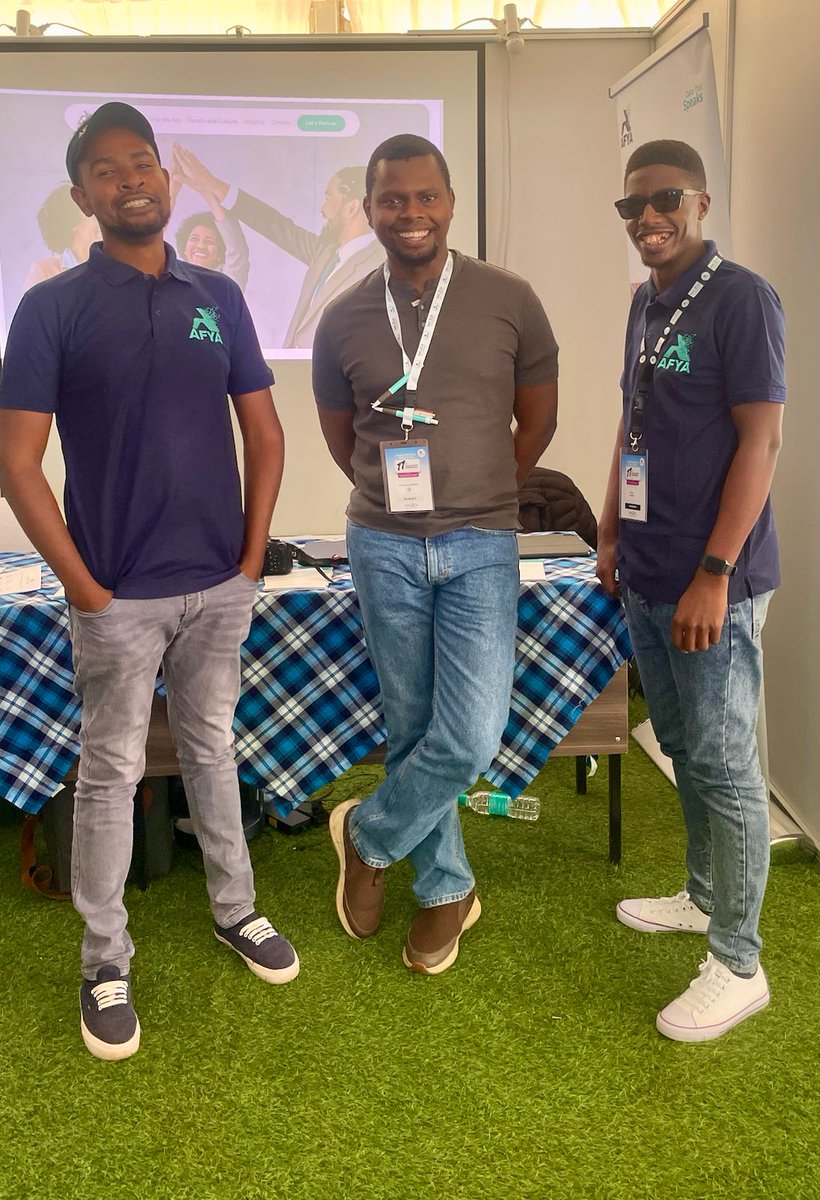
We showed up to the 11th @KDSGForum Annual Scientific Conference 2026. and left with something far more valuable than a programme booklet.
We left with clarity.
Our work lives at the intersection of data and healthcare. So being in a room full of clinicians, researchers, and public health leaders was not just professional development it was confirmation.
Confirmation that the questions driving our work are the right ones:
→ How does data quality affect patient outcomes?
→ Where are the gaps in Kenya's health information systems?
→ What does evidence based diabetes care actually look like on the ground?
The KDSG ASC 2026 did not just answer those questions. It raised better ones.
And that is exactly the kind of thinking that moves healthcare forward.
Proud to be part of a community pushing this conversation; one dataset, one discovery, one conference at a time.
#DataThatSpeaks
#KDSG2026
Sickle cell disease affects more people than most of the world bothers to remember.
Over 75% of those born with it live in sub-Saharan Africa. Most will spend their lives managing a condition that demands five to seven medications a day; every single day, with no guarantee those medications will actually be there.
Behind every clinical crisis is a quiet operational failure.
When 78% of facilities face regular stock disruptions, missed doses are not a patient behaviour problem. They are a system design problem. Missed doses become pain crises. Pain crises become hospitalisations. Hospitalisations mean lost income; for caregivers where 84% already earn under $1.90 a day.
The cycle is not invisible. It is unconnected.
The signals that could break it already exist in stock registers, prescription records, admissions data, patient histories. What's missing is not information. It is a pipeline that actually works.
That's what we build at Afyanalytics.
Health systems that anticipate stockout, surface non-adherence early, and identify who is most at risk before the next crisis not a distant ambition. The natural result of data that is properly collected, connected, and acted on.
#WorldSickleCellDay
#MakeoverMonday
#DataThatSpeaks
Fathers are the quiet architecture of a life well lived; the steady hands, the late-night reassurances, the lessons taught without ever feeling like lessons. Today we celebrate every Father writing his own kind of love letter, one ordinary day at a time.
To the girl dads, the boy dads, the new dads still learning the ropes, and the ones whose wisdom we still lean on; we see you, we honor you.
#HappyFathersDay
What is Sickle Cell Disease?
Sickle Cell Disease (SCD) is an inherited blood disorder that affects the shape and function of red blood cells. Instead of being round and flexible, the cells become hard, sticky, and sickle-shaped, making it difficult for blood to flow freely through the body. This can lead to severe pain, infections, anemia, and other serious health complications.
As we count down to World Sickle Cell Day, join us in raising awareness, promoting early diagnosis, advocating for quality healthcare, and celebrating the resilience of individuals and families living with sickle cell disease.
Together, we can create a future where everyone affected by SCD has the opportunity to live a healthy and fulfilling life.
#worldsicklecellday #sicklecellawareness #tuongeencds #knowyourstatus #healthawareness
"Precision medicine is fueled by local evidence." was the highlight in today's session.
Dr. @davisombui took us beyond the diagnosis by breaking down how Point-of-Care (POC) testing is rewriting the rules of diabetes management, putting faster, smarter decisions right where patients need them.
As @dr_mwangemi brought the data lens, sharing how evidence shapes his everyday practice as an internal medicine specialist.
#KDSG2026
#DiabetesKenya
#DataThatSpeaks
⏪ FLASHBACK TO DAY 2!Yesterday, the 11th KDSG Annual Scientific Conference officially went into overdrive here at Lake Naivasha Resort! From the official opening ceremony and Ministry of Health address to cutting-edge deep dives into obesity management, the energy was absolutely electric. We kicked off with heavy-hitting talks on the CRM continuum, the link between fatty liver and diabetes, and the latest in weight loss journeys. Kenya’s top medical minds are officially locked in! 📷📷 #ObesityManagement #MetabolicHealth #Naivasha #HealthcareKenya #MedicalJournalism #KDSG2026 #ObesityManagement #MetabolicHealth #HealthcareEducation #PrecisionCare #DiabetesConference
@KenyaKdsg
#Diabetes #DiabetesAwareness #DiabetesCommunity #DiabetesSupport #ChronicIllness #Type1Diabetes #Diabetes #DiabetesAwareness #DiabetesCommunity #DiabetesSupport #ChronicIllness #Type2Diabetes #T2D #Type1Diabetes #T1D #GestationalDiabetes #Prediabetes
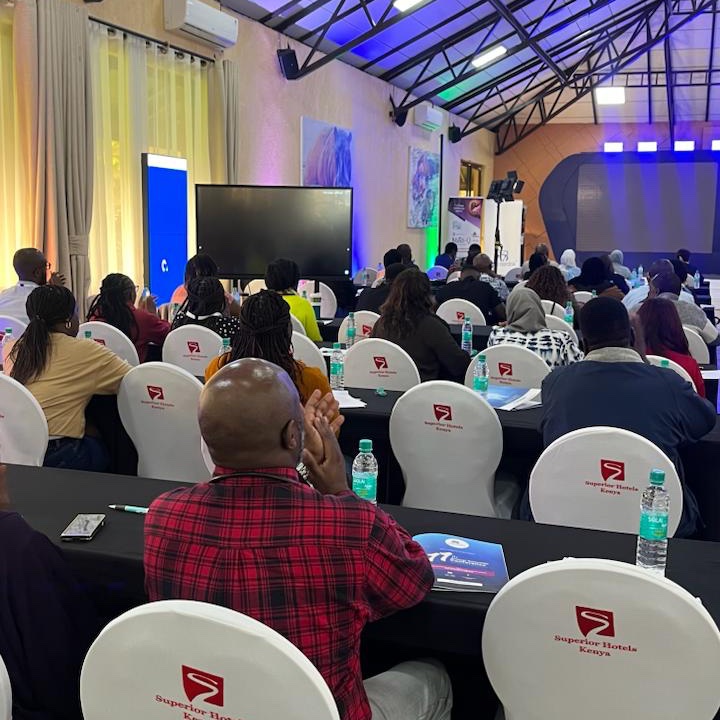
What a day to be in the room
At the 11th KDSG Annual Scientific Conference, we had the privilege of sharing space with some of the brightest minds shaping healthcare in Kenya.
We were honored to be in the presence of:
Dr. Erick Njenga — President, @KenyaPhysicians (KAP)
Dr. @ngugi_mayavi — President, @KenyaKdsg (KDSG)
Dr. @davisombui — @AKUHNairobi
Dr Nicola Okech the first weight management specialist in Kenya
Listening to these leaders speak on the evolving landscape of diabetes and metabolic health in Kenya was nothing short of inspiring. The conversations in that room; on prevention, precision medicine, and the future of care, are the very reason @afyanalytics exists.
Because when clinicians and data work together, patients win.
#KDSG2026
#DataThatSpeaks