A cashless society means…
No buying anything with privacy
No piggy banks for your kids
No market sales or car boots
No ability to budget for millions of people
No tips directly to waitresses & hard workers
No selling second-hand items for cash
No giving money to the homeless
No cash in birthday & Christmas cards
A cashless society means FULL control of ALL your money
And your freedom
Britain has lost around half its hedgerows since the Second World War. The wildlife that depended on them has followed a similar trajectory. 🌿
The old field boundary — a strip of blackthorn, hawthorn, dog rose, and elder two to five metres wide between cultivated ground — was not wasted agricultural space. It was a functioning ecological system that maintained pollinators, pest predators, and farmland birds across centuries of working land.
Each hedgerow is a nesting corridor for grey partridge and skylark, a foraging habitat for brown hares and hedgehogs, a site for solitary bee colonies, and a windbreak for the crops alongside it.
The field cultivated to its very edge gives the maximum return this season. It removes the populations of beneficial insects, farmland birds, and small mammals on which stable long-term production depended.
The field with a hedgerow yields a few percent less per cultivated hectare — but remains productive across decades without compensatory chemical inputs. The documented declines in grey partridge, lapwing, and skylark across the British agricultural landscape since the 1970s are directly linked to field consolidation and hedgerow removal.
Practical equivalents for the garden or smallholding:
- A strip of wildflower meadow at least one metre wide at the plot boundary
- A clump of nettles in a shaded corner as a habitat base for red admiral, small tortoiseshell, and peacock butterflies
- A native mixed hedge of blackthorn and hawthorn in place of post-and-wire fencing
- A section of uncut grass between rows of fruit trees
#HedgerowHabitat #FarmlandWildlife #NativeHedge #GardenWildlife
Ancient woodlands aren’t a blocker. Wildlife isn’t a hindrance. Chalk streams aren’t anti-growth.
Our wildlife is on the brink - one in six species faces extinction.
These species help define who we are as a nation - we won’t get a second chance to save them.
Our partners at Pesticide Action Network UK have uncovered that 354 tonnes of pesticides were sprayed in towns and cities in 2024.
We are in a #ButterflyEmergency, with long-term declines that need us all to take action to reduce the use of harmful chemicals, councils included.
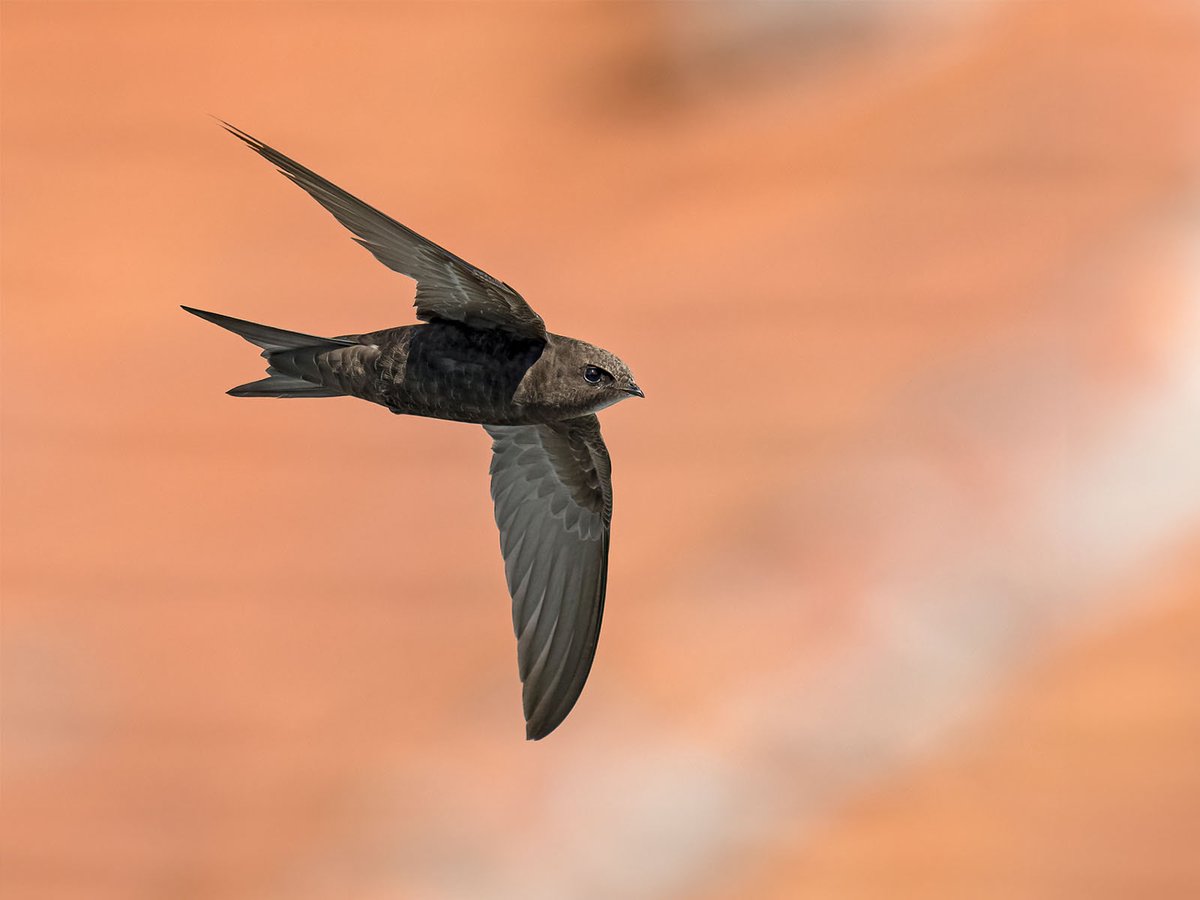
Not enough people are contacting their MPs. If you love swifts email your MP saying ‘Swift bricks need to be mandated. Guidelines and policy aren’t enough.’ Put ‘swift bricks’ in the subject. We must try harder. The tories CAN back the swift brick amendment now. Let’s make them.
Sometimes I’m asked ‘why do you care?’
‘Swifts are one of the oldest species on earth. They spend more time airborne than any other bird yet when they come home they come home to us. They’re on the brink. They just need a brick with a hole in it.’
A Landmark Release at Nene Wetlands.
Yesterday, We were thrilled to have released a family of 8 beavers at Nene Wetlands run by @wildlifebcn, marking the first time beavers have been in Northants for 400 years!
Providing water for wildlife to drink and bathe in your front garden allows a wider variety of species to benefit, as the open aspect makes them feel safer, with predators less able to sneak up on them.
Please don't forget the night shift, and refresh the water at dusk, for the nocturnal animals.
Although we had floods last week it only takes a few hot days for natural water sources to dry up, so this simple act will save so many lives.
As it's Friday, I'm asking all my followers to please retweet (and comment) on this post if you see it, to help my bird account be seen! 🙏😀
To make it worth sharing, here's a tiny Goldcrest saying 'Hi' 😁😍
Thank you very much! ♥️