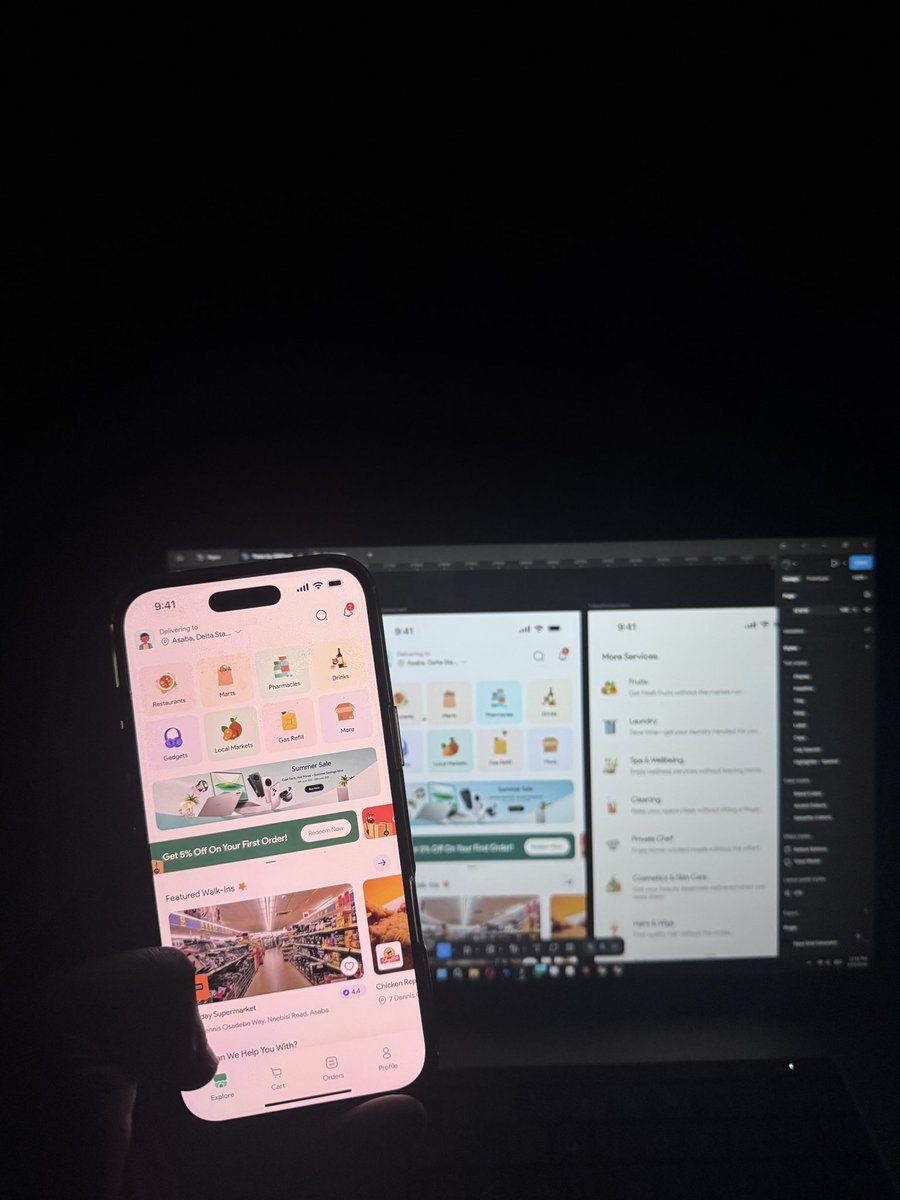
Make it exist. Improve experience with new additions on the fly.
With @UseTrazo, you can get your favorite meals, pharmaceuticals, and groceries delivered to your doorstep.
Lowkey can’t hide the joy seeing a project I worked on from 2024–2025 finally launch. 🚀
Trazo is live → https://t.co/vxBuMW2rnf
Join the waitlist for free delivery.
I worked on the entire product design — mobile app, back office, merchant dashboards, and riders app.
This project stretched me a lot, especially around security and user roles.
Glad to finally see it out in the wild.
#achievements #productdesign #launch #delivery
Somewhere between “hello” and “forever,” we found something beautiful.
As we step into this new season together, we’ve shared a glimpse of our story with you.
Our registry is now live—come and discover a little more about us: https://t.co/1PbyXvCkpC
I’ve noticed something with most designers:
Some just pick elements off Dribbble or Pinterest and recreate interfaces without really understanding the “why” behind them.
They might call themselves experienced, but when it comes down to it, they’re just duplicating designs.
When these folks join a project, that’s when you see the gap in fundamentals—they haven’t grasped design principles at all.
But here’s what I’ve found:
One of the best ways to help them grow into solid designers is to spend time teaching them how to think—teaching them to think before the screens.
Every morning before I open my laptop, I ask myself:
Why make an effort if it doesn’t improve anything?
That thought grounds how I approach design.
Over the years, I’ve come to realize that designing doesn’t begin and end on a screen. It starts with intent. With thinking. With clarity.
Lowkey, good design starts there. Not on the screen but in the thinking before the screen.
Every activity, once chosen, comes with its own internal standards of accomplishment.
If something can be done at all, it can be done better or worse.
To do anything at all is therefore to play a game with a defined and valued end, which can always be reached efficiently and elegantly.
Life is a zero-sum game. Worthlessness is the default condition.
If the cards are always stacked against you, perhaps the game you are playing is somehow rigged (perhaps by you, unbeknownst to yourself).
Many platforms help you cash out. Very few help you keep and use your money.
Vent 2.0 does it all: sell crypto, spend instantly, or save in dollars.
So what’s actually changed? Our CEO, Chuks Abanum, breaks it down 👇
https://t.co/Oz0V8f7GNp
The final output for the V2 launch video of vent
Sound on🔊
Here is the streamlined process I used for motion design i did for Vent:
Strategy & Brief: We started with a kickoff call to align on goals, structure the script, and gather the necessary brand assets and files
The Contract: Before touching any tools, we locked in a clear agreement detailing deliverables, timeline, and revisions to prevent scope creep and ensure transparency.
Research: I reviewed standout motion references to lock in the sharpest visual direction for the concept.
Design (Figma): I built and got approval on all styleframes first. If the design isn't strong, animation won't fix it.
Animation: This is where the vent visuals came to life. Every transition, hierarchy, and movement was paced to make the core message clear and actionable.
Delivery: The final piece was exported into the exact formats required for its destination platforms.
If your product needs a launch or demo video that communicates clearly and keeps your audience engaged, feel free to send me a message.
Our COO, Chimezie Okebugwu, shares what Vent 2.0 is all about and how YOU are at the center of it all. 👌
Your everyday Crypto app is now in your hands, and we can’t wait for you to explore it. ✅
I’m Dili, a Brand and Motion Designer.
Helping brands scale through strategic identity and immersive motion storytelling.
Heres my portfolio
https://t.co/dPWcOzzzgI
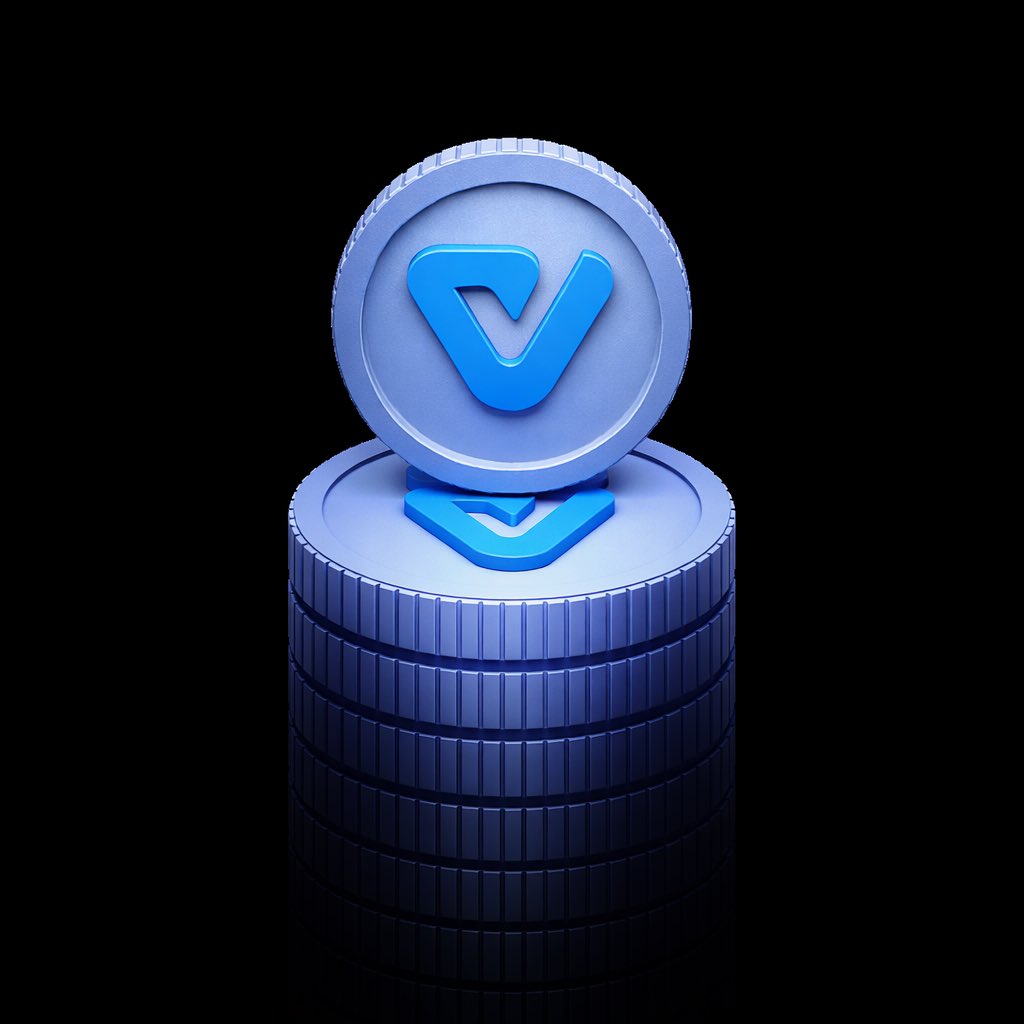
I needed a coin design for a landing page real quick and did not want to go through the hassle of designing one. So, I used AI to generate it!
I fed it a sample, provided the logo, and kept refining prompts. I ensured it kept aspect ratio and stayed true to my input.
Once I had the right image, I prompted it for a transparent background to fit the site design.
Now, it’s part of my design—and I’m sharing the result!
Simple, safe, and fast. Welcome to Vent 2.0. 🚀
Our CEO, Chuks Abanum, shares the story behind Vent, our evolution, new features, and what’s coming next. 😎