The hardest part of yield is keeping it.
By reproductive stages, the yield is already there—
the question is how much you keep.
Once stress shuts the plant down,
you don’t get it back.
Watch: https://t.co/Ztny5MPtNC
Start here → https://t.co/eH9qkdNEnf
@Farm4ProfitLLC
What can watermelon growers teach the rest of agriculture?
A lot.
This week, Dr. John Murphy visits Florida watermelon country to discuss irrigation, nutrition, pollination, and the lessons that apply far beyond watermelons.
Watch:
https://t.co/WRxfcnxzKP
The goal late season isn’t to force more—
it’s to keep the plant functioning longer.
That’s where consistency shows up.
Watch the breakdown:
https://t.co/Jlba67FWiT
Start here → https://t.co/eH9qkdNEnf
One hour out.
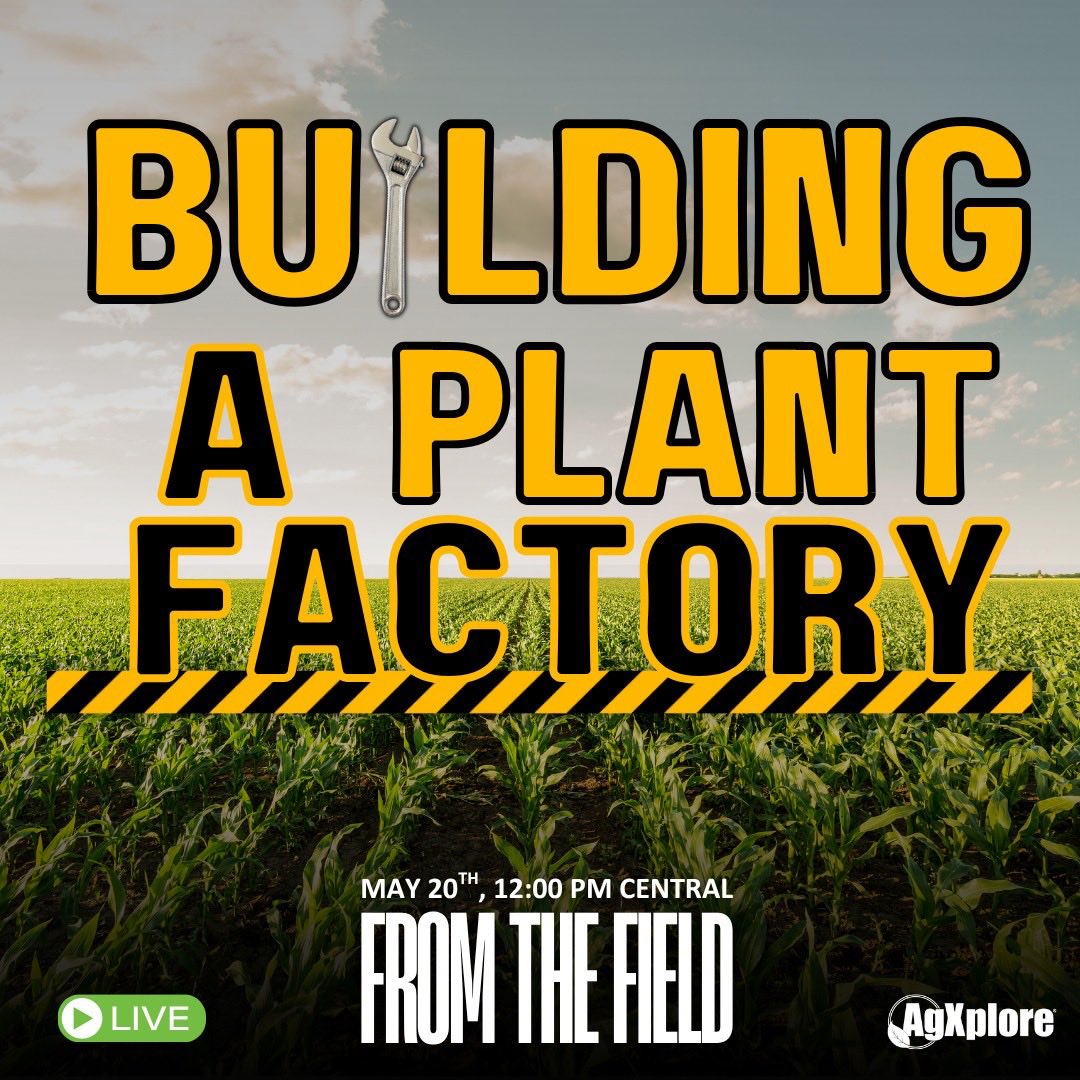
Today’s From The Field — Building A Plant Factory — goes live at 12PM CT with Dr. John Murphy and Ben Westendorf.
We’ll also be launching one of our newest white papers live during the episode.
📺 Tune in at 12PM CT. Link below.
https://t.co/N6q0FlU7pF
AgXplore Welcomes Hannah Garrison as Mid-South Regional Agronomist
Hannah brings seven years of experience in soybean and rice research agronomy, focused on field evaluation and cultivar performance.
Please join us in welcoming Hannah to the AgXplore team.
You can build a crop…
or you can build a system.
7 days out.
“Building a Plant Factory” — From The Field
May 20th | 12 PM CT
Watch live: https://t.co/oiLLji6MMl
Start here → https://t.co/eH9qkdNEnf
Same field.
Different structure.
Grower practice vs AgX.
Shorter internodes.
Stronger architecture.
More efficient canopy.
How a plant is built determines how it captures light and handles stress.
It’s not just growth — it’s efficiency.
Start here → https://t.co/eH9qkdNEnf
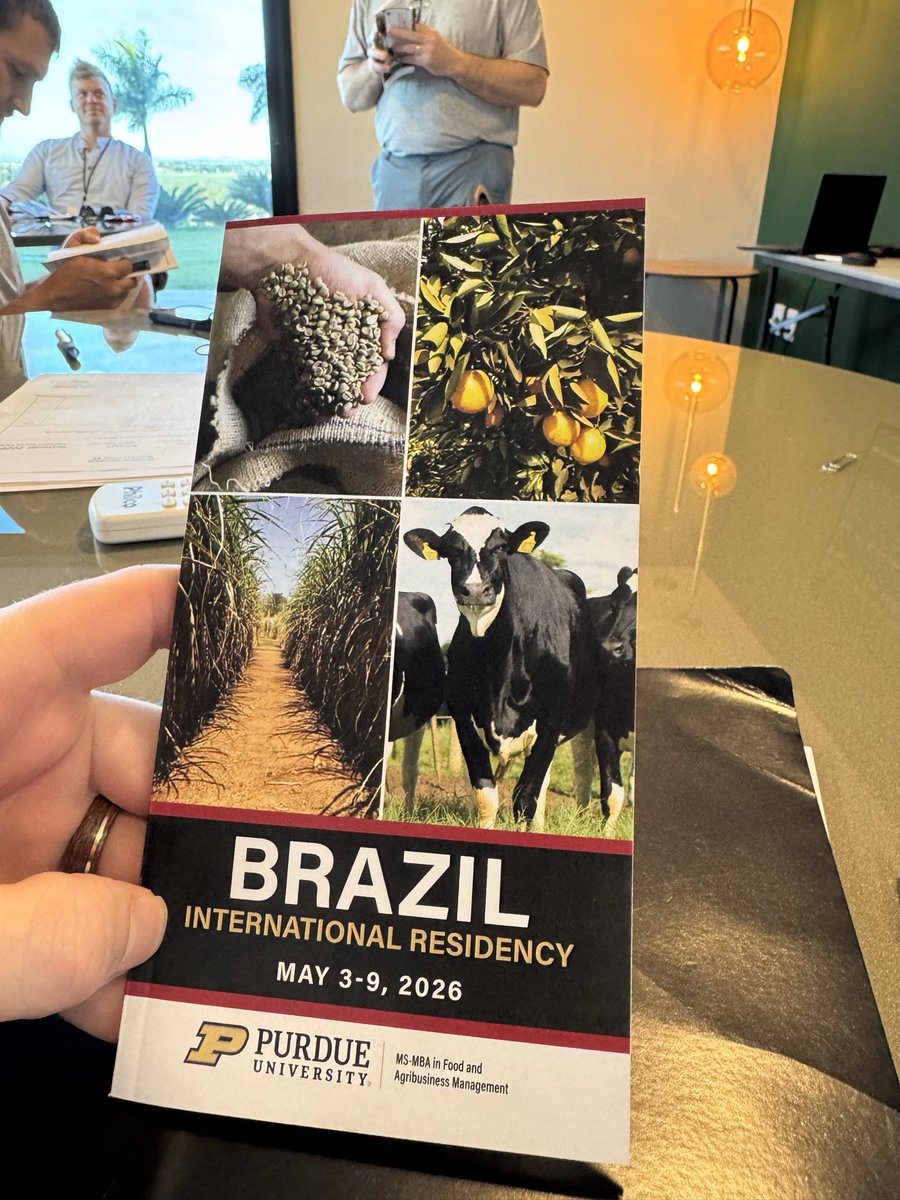
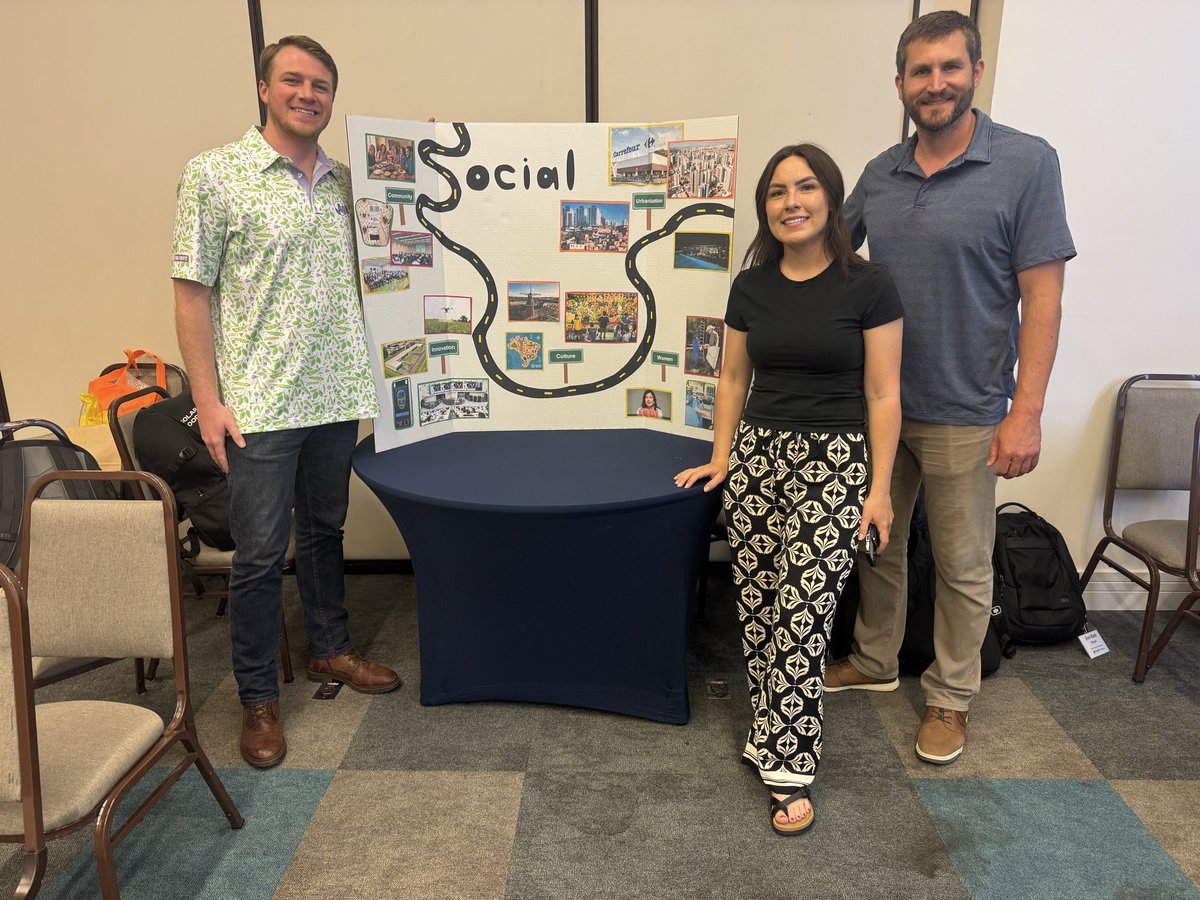
One of the most impactful experiences of my graduate program happened this past week in Brazil 🇧🇷
Very grateful for the conversations, relationships, and experience. Huge thank you to Marcos Fava Neves, Allan Gray, Taryn Nance, Purdue, and everyone who made this possible.
What’s the next big shift in plant nutrition?
Gunther breaks it down here: https://t.co/PhtKTVAKCi
If you’re evaluating what’s next for your program,
start here → https://t.co/eH9qkdNEnf
What’s the next big shift in plant nutrition?
Gunther breaks it down here:
https://t.co/jEfkFrOLMn
If you’re evaluating what’s next for your program,
start here → https://t.co/eH9qkdOccN
At AgXplore, we don’t believe in one-size-fits-all programs.
We work alongside you—to understand your acres, your challenges, and your goals.
If you’re looking for a partner—not just a product—we’d be glad to work with you.
Start here → https://t.co/eH9qkdNEnf
In this Florida trial, the untreated plant (top) comes in at 2.25 grams, while the GroPak A.I. treated plant (bottom) is 3.26 grams. That difference is coming from stronger early root development and better establishment.
Start here: https://t.co/nP54bwMdVb
Early growth is where the plant decides what it can become.
During the vegetative stage, it’s building roots, expanding leaf area, and setting the foundation for how it captures energy and handles stress later in the season.
Watch the clip: https://t.co/WKmCQ0gwG7
Roots often only explore a small portion of the soil, which means small improvements in root volume and branching can significantly impact nutrient uptake.
Strong root systems are developed over time through early establishment and season-long support.
https://t.co/L97G3pDal4
Early-season decisions show up in the roots.
This Florida trial with GroPak A.I. highlights what we consistently see in research — improved emergence and stronger early root development set the foundation for season-long performance.
Start here: https://t.co/nP54bwMdVb