3.Documented Proof of the Royal Peacock
Long before modern coinage was introduced in the region, King Mindon officially minted silver and gold currency featuring the Royal Peacock at the center (Ratanapun Peacock Coins, 1865)+
Its historical presence in Lanna's palaces (Hor Kham) is a direct result of Lanna spending over 200 years (1558–1775) under Burmese rule, where local rulers were granted official regalia by Burmese monarchs.
2.The Peacock is a Sovereign Symbol, Not Just a Motif : While peacocks appear in many cultures, the Royal Peacock (ကာဒေါင်း) was the official Sovereign Seal and State Emblem of Myanmar's Konbaung Dynasty (1752–1885).+
rebranding of traditions rooted in Myanmar as purely Lanna/Thai while completely erasing their original identity. Inspiration honors the source:rebranding erases history.
1. Inspiration vs. Erasure (The Star Wars Fact) the designers of Star Wars openly credited Mongolian culture as their inspiration; they never claimed it as a native Hollywood invention. The issue here is not about taking inspiration it is about the intentional+
@GNSGNSDI@KittipongPeak respecting ethnic communities means honoring their true history, not rewriting it. Acknowledging that the Shan (Tai Yai) people brought this beautiful tradition from Shan State, Myanmar, is a form of respect.
@GNSGNSDI@KittipongPeak 3. Long (လွင်း): A Shan word borrowed from the Burmese word "Alaung" (အလောင်း), meaning a royal prince or "Buddha-to-be" (ဘုရားလောင်း). Together, "Poi Sang Long" means "The Grand Festival (Poi) of the Young Prince (Long) becoming a Novice Monk (Sang).”
@Melomelodyhub and it details how Myanmar's Shan dress uniquely evolved due to centuries of direct royal court integration and sumptuary laws shared with the Burmese palace, creating a distinct aesthetic that you won't find anywhere else.
@Melomelodyhub Just because one random person online says something doesn’t make it true. But Dr. Susan Conway’s "The Shan: Culture, Art and Crafts" isn’t just an opinion it is a peer-reviewed academic study based on years of actual historical research.+
Especially Dr. Susan Conway's ‘The Shan: Culture, Art and Crafts’details how Myanmar's Shan dress uniquely evolved due to centuries of direct royal court integration and sumptuary laws shared with the Burmese palace, creating a distinct aesthetic that you won't find anywhere else
bro is generalizing the entire Tai family just to avoid the specific history. Yes, Tai groups live in China, India, and Vietnam, but do they practice Poy Sang Long? Do they wear Konbaung-era court attire? No, they don't.
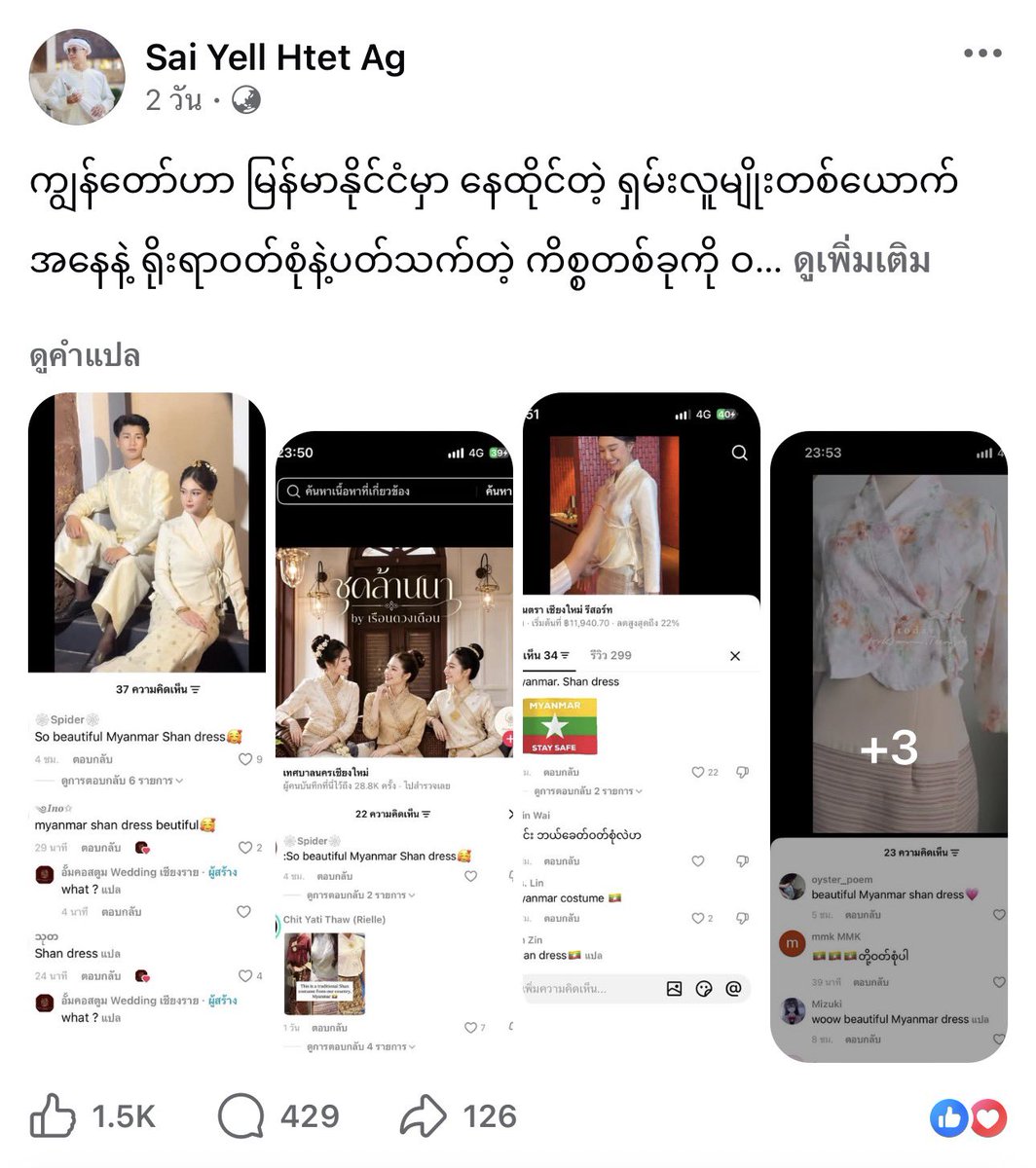
ကျွန်တော်ဟာ မြန်မာနိုင်ငံမှာ နေထိုင်တဲ့ ရှမ်းလူမျိုးတစ်ယောက်အနေနဲ့ ရိုးရာဝတ်စုံနဲ့ပတ်သက်တဲ့ ကိစ္စတစ်ခုကို ဝင်ရောက်ပြောဆိုချင်ပါတယ်။🇲🇲🇲🇲
လူမျိုးတိုင်းဟာ ကိုယ့်လူမျိုး၊ ကိုယ့်ယဉ်ကျေးမှုနဲ့ ကိုယ့်ရိုးရာအမွေအနှစ်ကို ချစ်မြတ်နိုးကြတာ သဘာဝပါပဲ။ ကျွန်တော်တို့ ရှမ်းရိုးရာယဉ်ကျေးမှုကို ချစ်ခင်လေးစားပေးကြတဲ့ တခြားတိုင်းရင်းသား ညီအစ်ကိုမောင်နှမတွေကိုလည်း အထူးကျေးဇူးတင်ပါတယ်။
ရှမ်းလူမျိုးတွေဟာ မြန်မာနိုင်ငံအပြင် တရုတ်၊ ထိုင်း၊ လာအို၊ ဗီယက်နမ်နဲ့ အိန္ဒိယနိုင်ငံအချို့အထိ ပျံ့နှံ့နေထိုင်ကြတဲ့အတွက် ရိုးရာယဉ်ကျေးမှု၊ ဝတ်စုံနဲ့ ဓလေ့ထုံးတမ်းတွေမှာ ဆင်တူမှုတွေ ရှိနိုင်ပါတယ်။ ဒါကြောင့် ရှမ်းရိုးရာဝတ်စုံဟာ မြန်မာနိုင်ငံက ရှမ်းလူမျိုးတွေရဲ့ အမွေအနှစ်သာဖြစ်ပြီး တခြားဒေသတွေနဲ့ မသက်ဆိုင်ဘူးလို့ ပြောဆိုခြင်းဟာ သမိုင်းနဲ့ ယဉ်ကျေးမှုဆိုင်ရာ နားလည်မှုကို ကျဉ်းမြောင်းစေတယ်လို့ မြင်မိပါတယ်။
လက်ရှိမှာလည်းထိုင်းနိင်ငံနဲ့တရုတ်နိင်ငံတို့ဟာ ရှမ်းရိုးရာယဉ်ကျေးမှုနဲ့ ဆက်နွှယ်တဲ့ သိုးနယားအက၊ ကိန္နရာ၊ ကိန္နရီအက စတဲ့ အမွေအနှစ်တွေကို နိုင်ငံတကာအဆင့် အသိအမှတ်ပြုခံရဖို့ ကြိုးပမ်းမှုတွေ ရှိနေပါတယ်။ ဒီလိုအချိန်မှာ မြန်မာနိုင်ငံက တာဝန်ရှိသူတွေအနေနဲ့လည်း ကျွန်တော်တို့ရဲ့ ရှမ်းရိုးရာယဉ်ကျေးမှုကို ပိုမိုမြှင့်တင်ပေးပြီး ထိန်းသိမ်းစောင့်ရှောက်ပေးစေချင်ပါတယ်။
ကျွန်တော်တို့ဟာ ရှမ်းလူမျိုးဖြစ်သလို မြန်မာနိုင်ငံသားတွေလည်း ဖြစ်ပါတယ်။ ကိုယ့်ရဲ့ ရိုးရာအမွေအနှစ်ကို ဂုဏ်ယူစွာ ထိန်းသိမ်းရင်း နိုင်ငံတကာက အသိအမှတ်ပြုလေးစားလာစေဖို့ မျှော်လင့်ပါတယ်။🙏🙏🙏🙏
As a Shan person and a citizen of Myanmar, I would like to share my thoughts on the discussion surrounding traditional attire.
Every ethnic group naturally takes pride in its own identity, culture, traditions, and heritage. I would also like to express my sincere gratitude to our brothers and sisters from other ethnic communities who appreciate and respect Shan traditional culture.
The Shan people live across several countries and regions, including Myanmar, China, Thailand, Laos, Vietnam, and parts of India. As a result of our shared historical and cultural roots, similarities in traditional clothing, customs, and cultural heritage are entirely possible.
Therefore, claiming that Shan traditional attire belongs exclusively to Shan people in Myanmar, as if it has no connection to Shan communities elsewhere, reflects a narrow understanding of our shared cultural heritage.
Today, efforts are being made to promote and seek international recognition for traditional cultural practices associated with Shan heritage, including the Hso Nay dance and the Kinnari and Kinnara dances. I hope the relevant authorities in Myanmar will also take greater responsibility for promoting, preserving, and protecting our Shan cultural heritage.
We are Shan, and we are also citizens of Myanmar. We take pride in our ethnic identity and hope that our traditional culture will be preserved, promoted, and respected internationally.
#တႆးလူင်
#တႆးသိပ်းသွင်ပၼ်းၼႃး
#တႆးၶမ်းတီး
#တႆးလႅင်
#တႆးလၼ်းၼႃး
#တႆးယူၼ်း
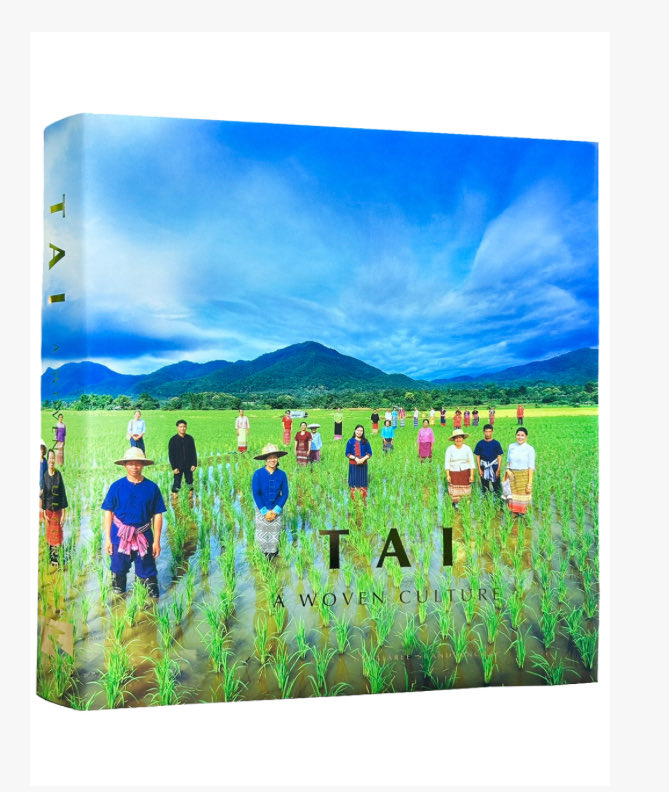
If you actually read these books, you will see exactly how traditional Shan attire from Myanmar stands out and is completely different from what Tai groups wear in other countries.
Traditional Shan dress is not a generic Asian outfit that just anyone wears. It is a specific cultural heritage developed through centuries of shared history, local weaving styles, and court interactions inside Myanmar.
China's Dai (Sipsongpanna): Their traditional dress consists of tight, form-fitting cropped blouses and narrow, straight skirts. It looks completely different from the loose, modest tailoring of Myanmar's Shan dress.