...The visit took the legislator to several flood-hit communities across the constituency, where he met with victims to better understand the challenges they are facing in the aftermath of the heavy rains.
The 2nd Deputy Minority Whip and Member of Parliament for Weija-Gbawe Constituency, Lawyer Jerry Ahmed Shaib, has toured communities affected by the recent floods to assess the extent of the damage and interact with affected residents...
Earlier today, Dr. Mahamudu Bawumia, accompanied by senior members of the party, visited areas in Accra severely affected by flooding and engaged with some of the victims
He stressed that the tragedy should not be politicized, but must be tackled collectively.
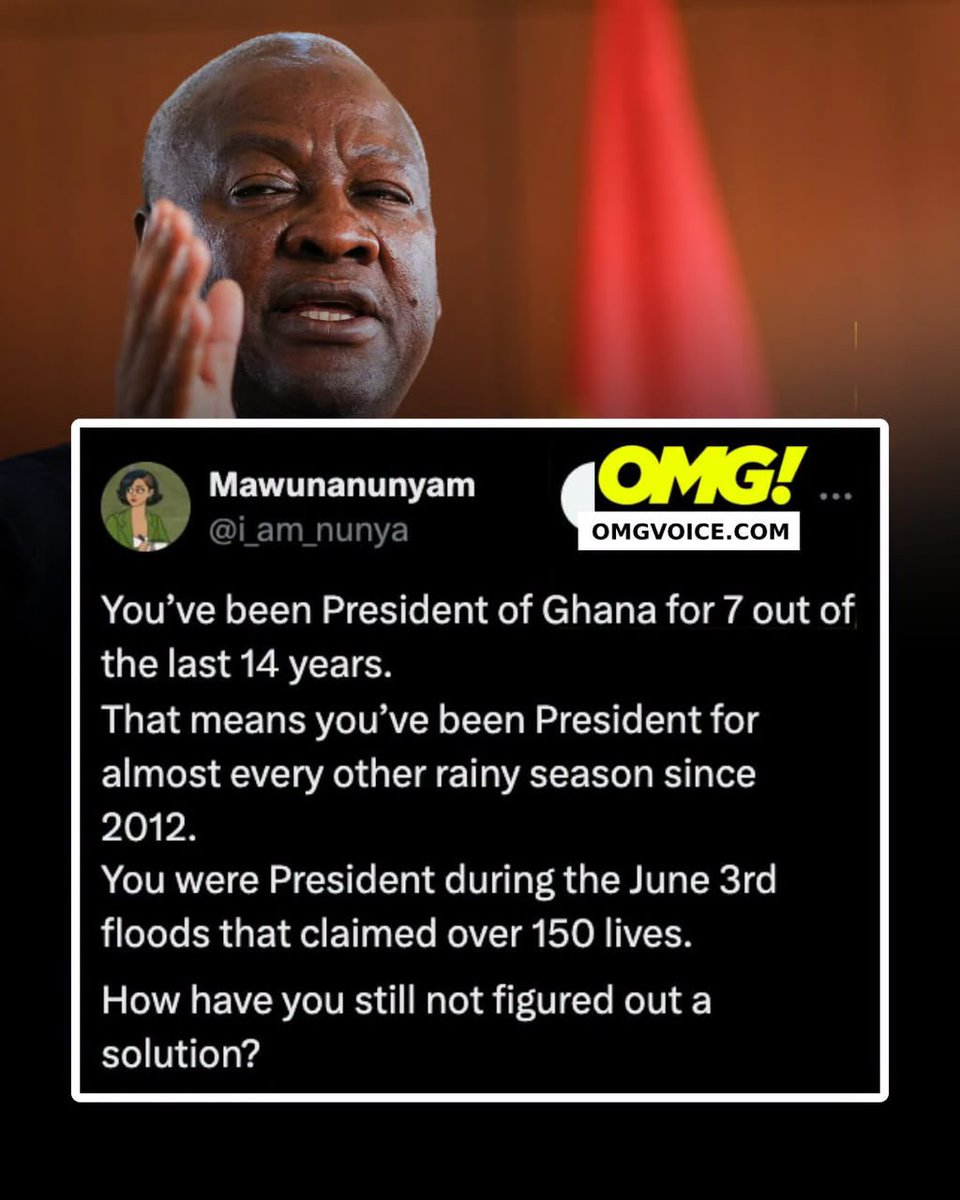
A government that set up a flood task force couldn't make use of this system to warm the general public and also put together contingency plans to be on top of the situation. So, what all is the use of the government flooding task force?
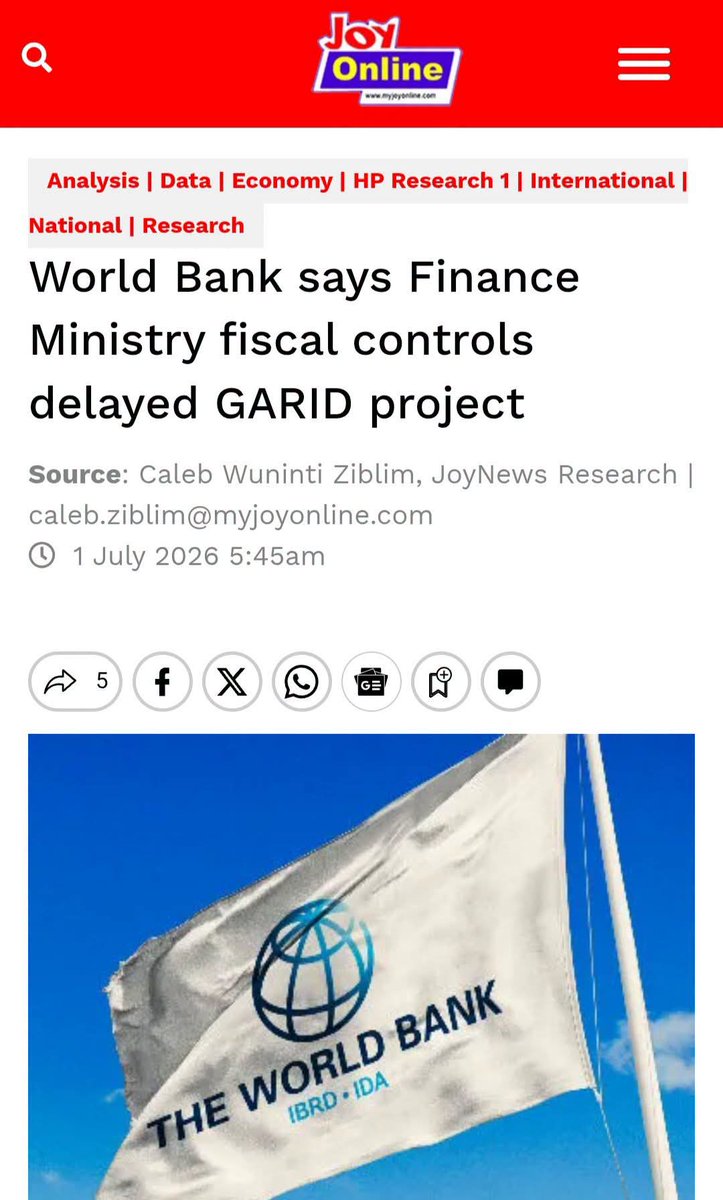
“The implementation of GARID has been significantly constrained by fiscal measures introduced by the Ministry of Finance during 2025," the report said.
Setting The Record Straight On The Greater Accra Resilient And Integrated Development (GARID Project) And How Such Disbursements Are Done
In every public debate, facts should come before politics. Unfortunately, the discussion surrounding the Greater Accra Resilient and Integrated Development (GARID) Project has been clouded by the mistaken belief that once the World Bank approves a financing package, the entire amount is immediately transferred to the beneficiary country. That is simply not how World Bank financing works.
Think of it this way, obtaining a mortgage approval does not mean the bank hands you all the money on same day of approval. The funds are released in stages as agreed conditions are https://t.co/5JMeLeDPsO Bank project financing follows the same principle.
The GARID Project was approved by the World Bank Board on 29 May 2019 with a financing envelope of USD 200 https://t.co/PDEDAjf9xZ 2023, an additional USD 150 million was approved, bringing the total project financing to USD 350 million.
However, approval is not the same as disbursement. Under World Bank procedures, funds are released progressively after implementation milestones have been achieved and verified.The Ministry of Finance can only draw down additional funds after the World Bank is satisfied that agreed performance indicators have been met.According to the World Bank's GARID Implementation Status Report of 26 June 2025, only USD 127.14 million had been disbursed out of the total USD 350 million facility.
The story does not end there. During the height of the COVID-19 pandemic, USD 65 million from the amount already disbursed was reallocated to support emergency COVID-19 interventions.This inevitably reduced the funds immediately available for drainage and flood-control works.
The practical implication is straightforward. By June 2025, only about USD 62.14 million about 17.7% of the total USD 350 million financing package had actually gone into the core GARID drainage and flood resilience interventions.
This is why claims that the previous government received and spent the entire USD 350 million on drainage projects are inaccurate.The World Bank simply does not operate that way.Funds are not transferred in one lump sum,they are released in tranches based on project performance and implementation progress.
It is also worth remembering that in 2022, the then opposition NDC accused the NPP government of mismanaging World Bank COVID-19 support. Yet the World Bank Country Director for Ghana, Pierre Frank Laporte, publicly affirmed that the Bank was satisfied with how the Government of Ghana had utilised the USD 430 million COVID 19 support package.That endorsement demonstrated the Bank's strict oversight and accountability mechanisms.
Accra's flooding challenge did not begin yesterday, and it will not be solved by political slogans and weak accusations. It requires sustained investment, proper urban planning, strict enforcement against building on waterways, improved waste management and continuity in infrastructure development.
Our national conversation should therefore be guided by evidence rather than emotion.We are all entitled to our political opinions,but we are not entitled to our own facts.