واش ديرتي إحصائية لـ40 مليون مغربي باش تهضر باسمنا كاملين؟ إلا كان هادشي صحيح، علاش ما كايخرجوش غير بضعة آلاف للمظاهرات ديالكم، ماشي 5 ولا 10 مليون؟
إلا كان صحيح، ومع كل الدعاية و الشعباوية لي كان بنإيران كا يسمعهالنا ليل و نهار، علاش غير 38% من المسجلين تحمسوا باش يصوتوا فالانتخابات، ومنهم غير حوالي 15% صوتوا على PJD؟ يعني تقريبا 15% من 38%، أي أقل من 2.5% من المغاربة. هاد الأقلية الصغيرة هي اللي يمكن تقول عليها بلي عطات الأولوية للأجندة الفلسطينية، و هم اللي تقدر تتكلم باسمما، ماشي الشعب المغربي كامل. إلا كانت كلامك صحيحة، كنا غانشوفو مشاركة كبيرة وربح ساحق لبنإيران، حيت قضية فلسطين كانت هي برنامجو الوحيد تقريبا.
الحقيقة هي أن كلنا كيبقاو فينا بالفلسطينيين ومعاناتهم، ولكن بالنسبة للأغلبية ديال المغاربة، الاهم عندنا هو المغرب،و التنمية ديالنا، و قضايانا الوطنية وأولوياتنا. وماشي لا إرهابيين بحال حماس ولا أي وكلاء إيرانيين لغايبدلوا هادشي، مهما ودفعوا و مهما ضغطوا
That's the thing, the moroccan architecture has not evolved into something else in Al Andalus, it was imported and stayed the same, it's the same as a moroccan making a Margherita pizza without any changes, even further, it's like a Moroccan bringing an Italian chef to make Italian pizza and claim it also exists in Morocfo, because, guess what, they brought artisand (ma'allem from Fez to build and make them (still do today for renovations in Spain) as the expertise and origin is specific to the country.
Struggling to see the differences between Zellige de Fès and the Uzbek tiles says more about familiarity than about shared history. They share a broad Islamic geometric vocabulary, but the specifics diverge.
Moroccan zellige uses small, individually hand-chiseled pieces (stars, polygons, connectors) cut from Fez’s distinctive grey clay and assembled edge-to-edge into interlocking mosaics. The clay, cutting method, and structure are different from typical larger molded or painted Central Asian tiles. It also carries Amazigh influences alongside Arab-Islamic ones, visible in the geometry, motifs, and the continuous Fez workshop tradition.
That combination of material, technique, and form is why Zellige de Fès holds a certification trademark of origin:
https://t.co/r4IFbYHpFm
You are still equating presence with origin. Yes, the technique was used in al-Andalus after the Almoravids (from 1086) and Almohads (after 1147), and it expanded under the Marinids and Nasrids in the 14th century. That does not make it native to the peninsula.
Before those Maghrebi dynasties crossed the Strait, Andalusian architecture was Umayyad and Taifa (Córdoba Mosque and related works, mainly 8th–10th centuries under figures such as Abd al-Rahman III). It featured horseshoe arches, stonework, and simpler mosaics—not the complex geometric hand-cut zellige shown in the image. That specific cut-tile style was not present in al-Andalus beforehand; it arrived with the Almoravid and Almohad expansions and was later refined on both sides of the Strait.
Iberian artisans certainly worked with it once it was there, just as Moroccan workshops adopted and developed elements circulating in the western Islamic world. Presence and mutual influence after the 12th century do not erase the direction of transmission or the continuous production center. Fez supplied the distinctive clay and kept the unbroken maâlem tradition; after the Reconquista the hand-cut craft survived primarily there while Iberian production shifted toward molded and painted azulejos.
That is exactly why Zellige de Fès has an international certification trademark of origin for the Fez clay
"Shared presence” is not shared origin. It describes where later monuments were built; it does not erase the source of the craft.
Before the Almoravids (who crossed into al-Andalus in 1086) and Almohads (who took control after 1147), Andalusian architecture was Umayyad and Taifa: Córdoba Mosque (mainly 8th–10th centuries), horseshoe arches, stonework, and simpler mosaics. No complex geometric hand-cut zellige of the type shown appears in pre-Almoravid al-Andalus.
The monuments later labeled “Spanish” come after that. The Giralda in Seville (begun ~1184) is an Almohad minaret commissioned under a Moroccan caliphate and built on the same model as the Koutoubia in Marrakech (1158). The complex star and polygon zellige matching the image becomes standard only in the 14th century, under Marinid rule in Morocco.
The hand-chiseled glazed-tile technique, the distinctive Fez clay, and the continuous workshop tradition are centered in Morocco. Fez (Al-Qarawiyyin founded 859 CE) was already a major production and cultural center centuries before the complex form spread north; the living craft and production remained there after the Reconquista, while Iberian tilework shifted toward painted azulejos. That is why Moroccan Zellige de Fès is internationally registered with a certification trademark of origin:
https://t.co/SH5lBCDm1S…
https://t.co/SH5lBCDm1S…
@Vokabre@zriboua@MekoSimo's post already shows the opposite. The Hebraic heritage is written into Morocco's constitution as one of the affluents of the national identity. Not a pitch for Jewish tourists. And it is not a Mohammed VI novelty: the same line runs through Mohammed V and Hassan II.
And much more besides… For more than a quarter of a century, His Majesty King Mohammed VI has made the preservation, recognition and celebration of Morocco’s Jewish heritage a defining feature of his reign, giving substance to a vision of Morocco that is faithful to its history, confident in its diversity and resolutely committed to coexistence 🇲🇦
- In 1999, His Majesty King Mohammed VI retained André Azoulay, a Moroccan Jew who had served as an adviser to his late father, King Hassan II, at the Royal Palace with the same rank and responsibilities.
- In 2000, following an attempted act of vandalism against a synagogue, the King publicly declared in his November 6 speech that mistreatment of Moroccan Jews would not be tolerated. The perpetrators were subsequently sentenced to prison terms.
- In 2003, following the May 16 terrorist attacks in Casablanca, which targeted several sites associated with the Jewish community, including the Cercle de l’Alliance Israélite, His Majesty personally visited the affected sites. More importantly, he met with leaders of Morocco’s Jewish community and assured them of the full protection of the State.
- In 2009, King Mohammed VI formally described the Holocaust as a « wound to our collective memory » and notably lent his support to Project Aladdin, an initiative aimed at promoting knowledge and understanding of the Holocaust across the Muslim world.
- In 2010, he launched an extensive programme to restore Jewish cemeteries across Morocco, while also preserving the tombs of Jewish saints, shrines and historic pilgrimage sites.
- In 2011, under his reign, Morocco enshrined its « Hebraic component » in the Constitution, formally recognising Jewish heritage as an integral part of the Kingdom’s national identity.
- In 2013, on the occasion of the restoration of the Slat Al Fassiyine Synagogue in Fez, King Mohammed VI explicitly called for the restoration of synagogues throughout Morocco, expressing his wish that they serve both as places of worship and as spaces for cultural dialogue.
- That same year, he made an exceptionally strong statement on the place of Moroccan Jews within the nation. He recalled that Jewish heritage had been part of Morocco for more than 3,000 years, described Moroccan Jews as loyal citizens and, in his capacity as Amir Al-Mouminine (Commander of the Faithful) reaffirmed his commitment to protecting their religious freedom and safeguarding their community.
- In 2019, in the presence of Pope Francis, King Mohammed VI reiterated that, as Commander of the Faithful, he is also the guarantor of the religious freedom of Moroccan Jews.
- In 2020, he personally visited Bayt Dakira in Essaouira, a landmark institution dedicated to preserving Morocco’s Jewish memory and heritage. The complex includes the Slat Attia Synagogue, the House of Memory and the Haim and Célia Zafrani International Research Centre on relations between Judaism and Islam.
- Later in 2020, Morocco restored diplomatic relations with Israel under his leadership and authorised the establishment of direct air links between the two countries. Beyond their diplomatic significance, these measures considerably facilitated human and administrative ties with Israel’s large community of Moroccan Jews and their descendants.
- In 2021, Moroccan Jewish history and heritage were incorporated into public school curricula, including at primary-school level, formally introducing generations of Moroccan pupils to the Jewish dimension of their country’s history and identity.
- In 2022, King Mohammed VI reorganised the institutional framework of Morocco’s Jewish community by royal dahir around three bodies: the National Council of the Moroccan Jewish Community, the Commission of Moroccan Jews Abroad and the Foundation of Moroccan Judaism.
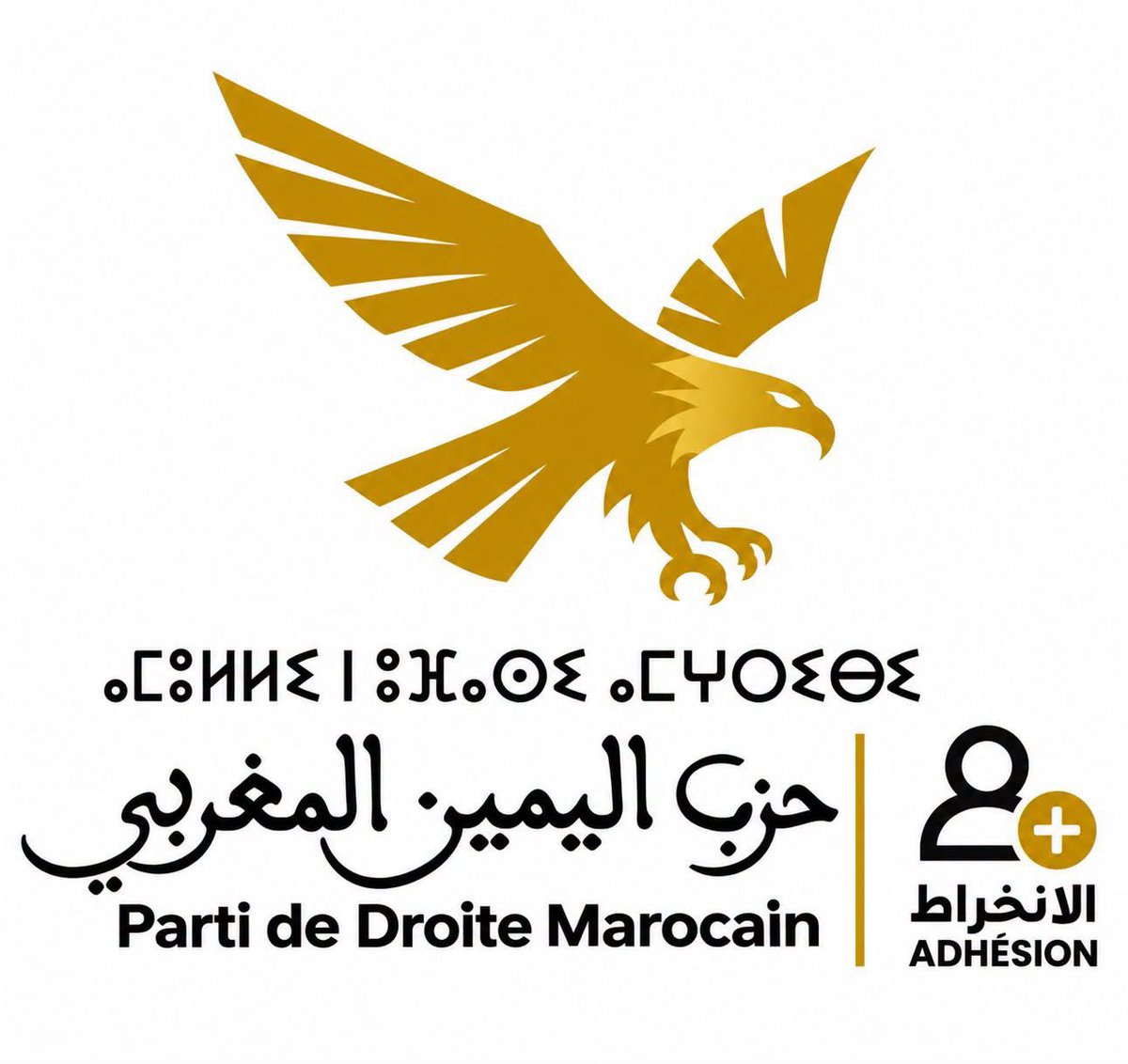
نحن مجموعة من الشباب في صدد إنشاء حزب يميني مغربي ونريد شباب وكفاءات ووجوه جديدة للانضمام إلى مشروع الحزب اليميني المغربي 🇲🇦
نرحب بشباب بهويات وبروفايلات واضحة، يحبون وطنهم، يؤمنون بالعمل السياسي المسؤول، ويحترمون مؤسسات الدولة وتوجهاتها الدبلوماسية، ويضعون مصلحة المغرب فوق كل اعتبار.
نريد جيلاً جديداً من الشباب، مستعداً للنقاش والعمل الجاد والمساهمة بأفكاره وكفاءاته في بناء مشروع سياسي يخدم الوطن والمواطن
#المغرب_اولا
#المملكة_المغربية_الشريفة
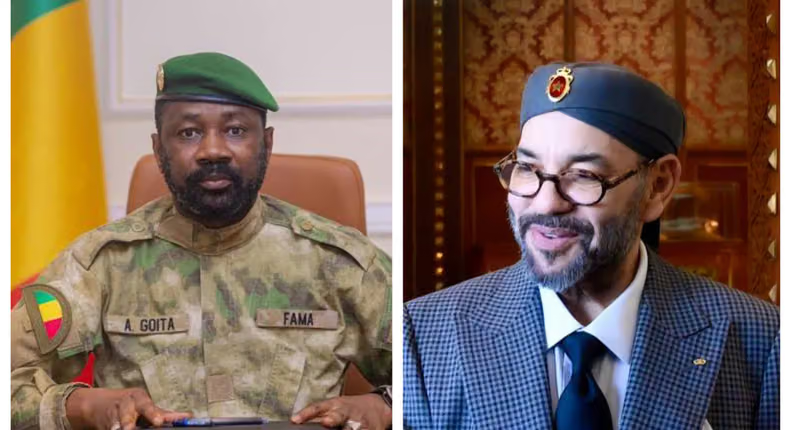
King Mohammed VI of Morocco🇲🇦 has handed over a large vocational training complex to Mali🇲🇱 as part of broader education initiatives across Africa.
The new centre in Bamako will train nearly 1,000 young Malians annually in construction, public works, hospitality, tourism, and foodservice.
This project is part of Morocco’s🇲🇦 continent-wide effort, with similar centres built in Côte d’Ivoire🇨🇮, Guinea🇬🇳, and Gabon🇬🇦, and support for the African Alliance for the Development of Vocational Training.
The initiative also strengthens economic ties between Morocco🇲🇦 and gold-rich Mali🇲🇱, while enhancing Morocco’s🇲🇦 influence through development, education, and cooperation projects in Africa.
Morocco just announced:
The Donald J. Trump Highway
It’s a $1 Billion project connecting Morocco’s northern provinces to its southern ones, covering 1055 Km, which is 36% of Morocco’s Atlantic coastline, one of the longest in Africa.
ألف مبروك لأسود الأطلس فوزهم اليوم .. ألف مبروك التأهل لربع النهائي في كأس العالم .. أداء قوي .. وروح قتالية نفرح ونفخر بها ..
مبروك لشعب المغرب الشقيق ولأخي جلالة الملك محمد السادس .. وكل الدعوات بالتوفيق في مبارياتهم القادمة .
كأس العالم 2026 على الأبواب 🏆
بدل البحث الطويل عن القنوات الناقلة، #نمرة10 يوفر لك القنوات الناقلة لكل مباراة حول العالم في مكان واحد 🌍
احفظ التغريدة وشاركها… ستحتاجها قريباً ⚽
@karimouamane@DTzantchev He just did on this specific post you're responding to. These are Sahrawi people in the homes in Smara the Polisario tried to harm.
Es un error común de interpretación. El INE ofrece dos datos: (1) por nacionalidad y (2) por país de nacimiento. La cifra de 1,17M que menciono es por nacimiento, lo que significa que ya incluye a los nacionalizados. No están 'escondidos'; el INE los cuenta precisamente por su origen.
A los que no incluye es a los nacidos en España, aunque esos sí aparecen en los datos consulares marroquíes (los 5,1M globales) que incluyen a todo aquel con vínculo legal, tenga la nacionalidad que tenga. La nacionalidad marroquí nunca se pierde, es un vínculo permanente.
Por último, si tienes un problema con la inmigración, es algo que debes dirigir a tu gobierno, no a Marruecos. España es un estado soberano y decide sus propias leyes, a quién nacionaliza y cómo defiende sus fronteras. Es un debate legítimo, pero lo estás dirigiendo a la parte errónea.