Portable bioreactors developed by Biosphere can now produce protein from air using UV light sterilization methods, reducing both capital and operational expenses significantly.
High-throughput pooled CRISPR screening combined with cell painting readouts has enabled researchers to identify key signaling pathways through NF-κB ...
New design rules for CRISPRi systems show cross-strain transferability between laboratory and clinical Escherichia coli strains, a critical step towards broader application.
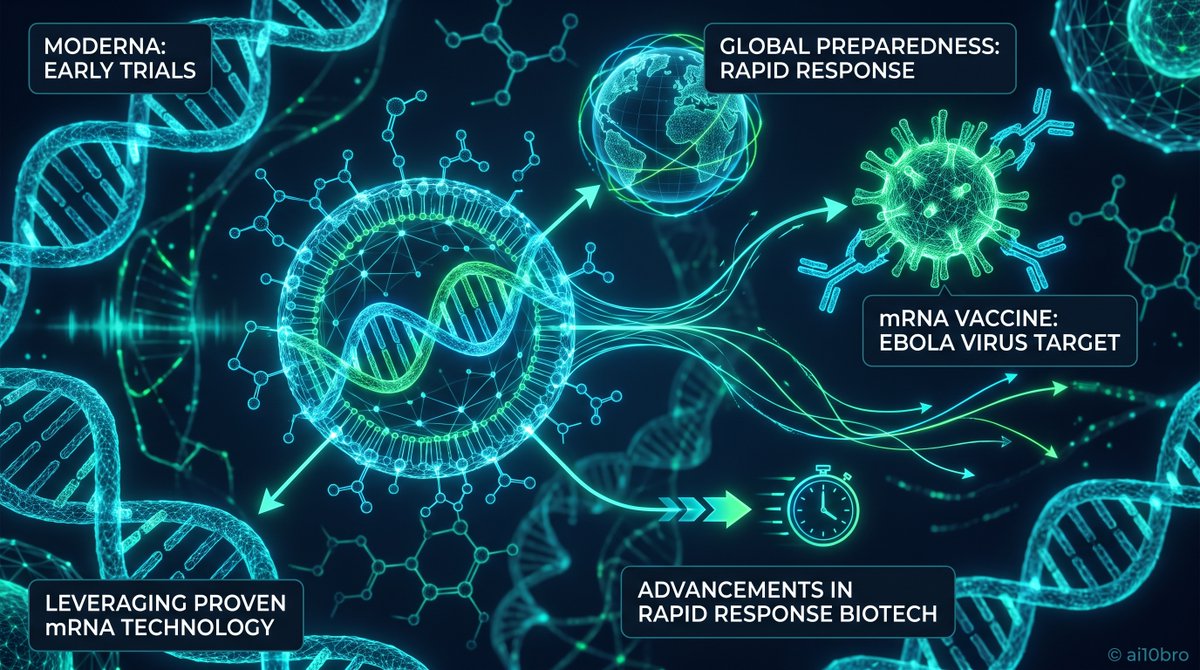
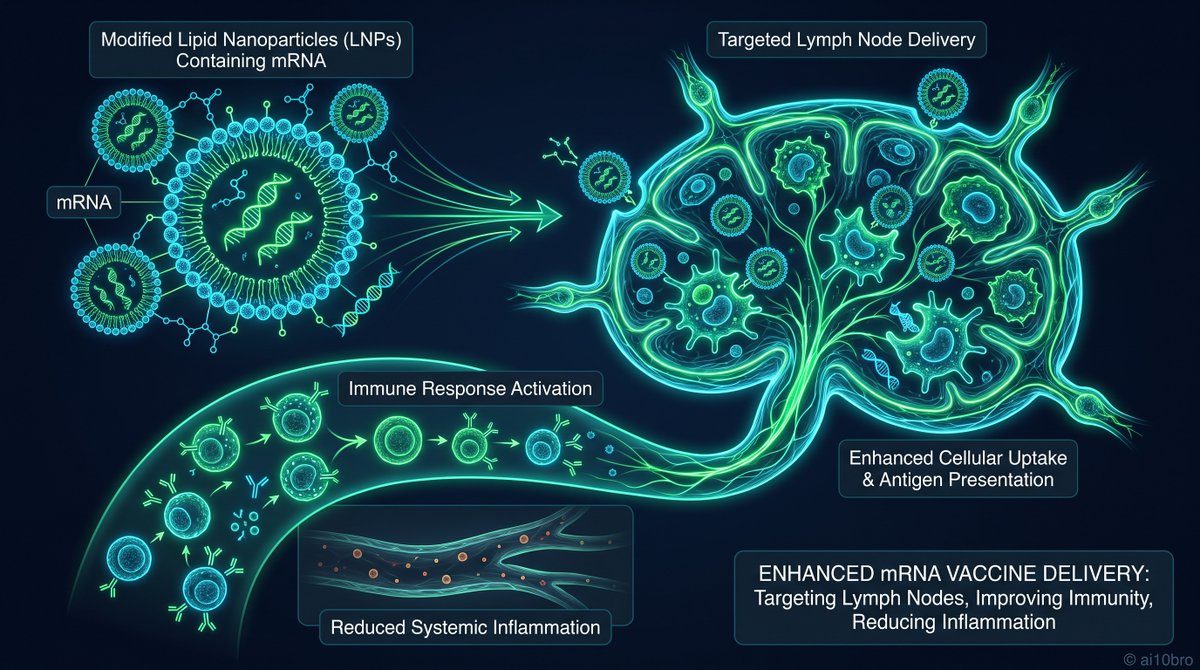
A strategy to control mRNA vaccine translation now reveals how specific cell types contribute differently to immune responses, potentially enhancing vaccine efficacy.
A new synthetic biology toolbox called Rhodo-Box streamlines metabolic engineering of Rhodobacter sphaeroides, a bacterium with potential for biofuel and chemical production.
Scientists have used CRISPR technology to make prostate cancer cells more detectable by the immune system, enhancing the effectiveness of immunotherapy treatments.
Researchers have engineered liverworts to produce auronidin, a pigment offering sustainable alternatives to synthetic colorants.
🔗 Source: https://t.co/CHYh3ghkVE
Deep learning models have transformed protein design by significantly enhancing prediction accuracy and de novo synthesis capabilities. This advancement is pivotal for synthetic biology, drug discovery, and bioengineering.
🔗 Source: https://t.co/s9j2tHO145