Good to know:
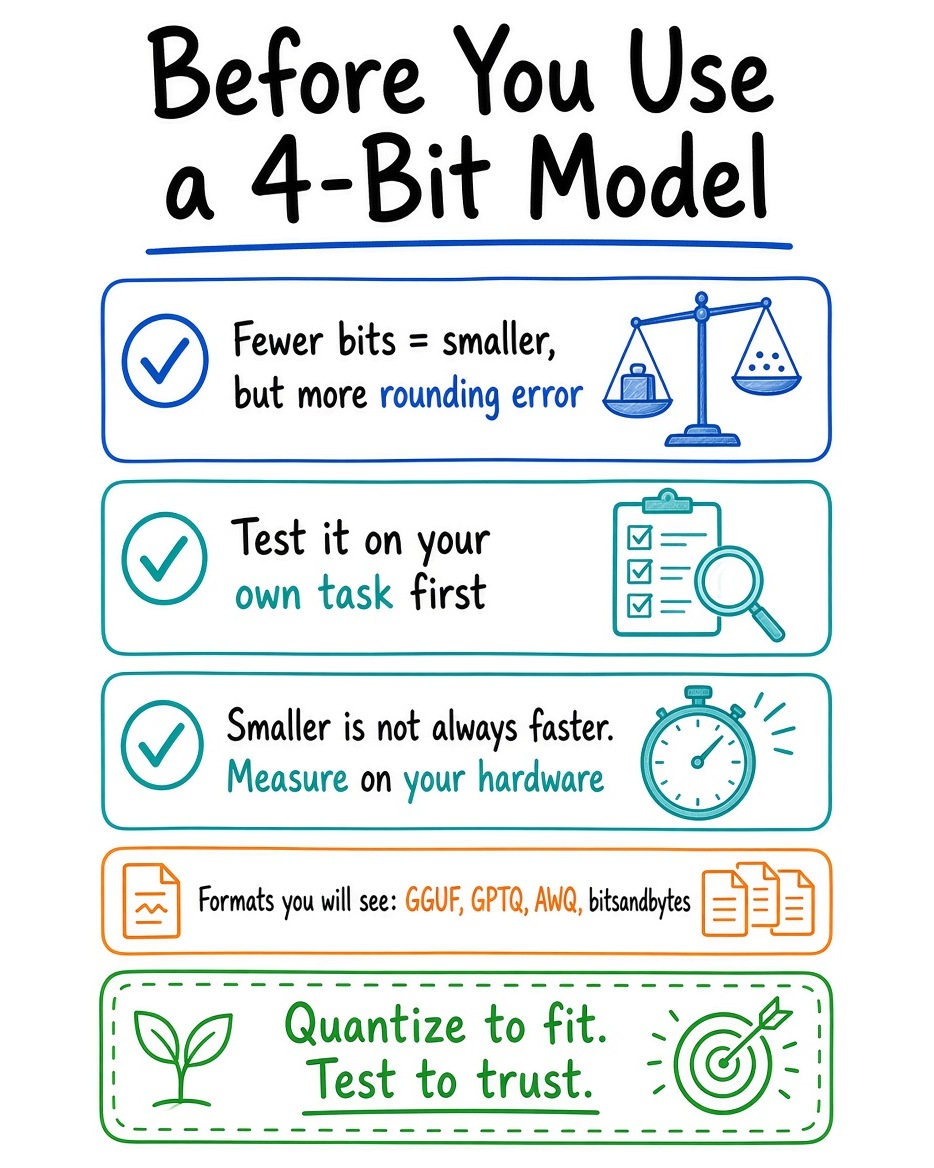
Fewer bits means a smaller model but more rounding error, so test the quantized version on your own task. Smaller isn't always faster either, so measure on your hardware. Formats you'll see: GGUF, GPTQ, AWQ and bitsandbytes.
Bookmark this and follow for more AI explained simply.
How do people run big AI models on a laptop? Quantization.
It stores each of the model's numbers with fewer bits, so the same model needs a fraction of the memory.
The memory math, how it works and what to watch for 🧵
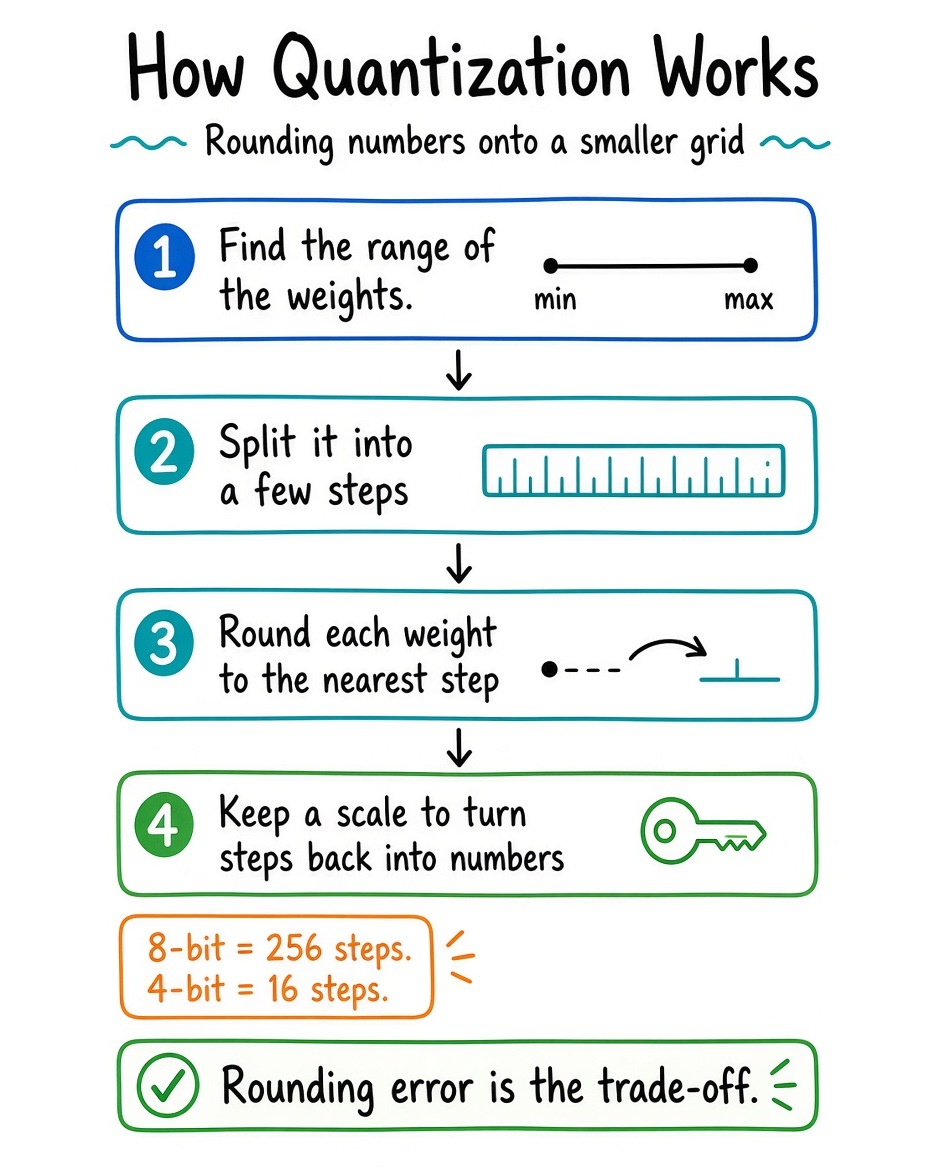
How it works: find the range of the weights, split it into a small number of steps, and round each weight to the nearest step.
8-bit gives 256 steps, 4-bit only 16. A saved scale turns the steps back into real numbers. The rounding error is the trade-off.
The memory math is simple: parameters × bytes per weight.
A 7B model at 16-bit is about 14 GB of weights. At 8-bit, about 7 GB. At 4-bit, about 3.5 GB.
That's weights only. Long chats need extra memory for the context (the KV cache).
Source: Wabi's own launch post (quoted above) + https://t.co/P5VePiXgQA
Simple version: most AI assistants are one person, one chat. Wabi lives inside a shared thread, so anyone can join and the agent works for the whole group: making plans, keeping them moving, and turning a request into a small app when that helps.
Try it: get the app at https://t.co/XfOEbSVAoX, start a thread, invite one person, and ask it to plan your next weekend.
wow Wabi just dropped 2.0 🤯
an AI assistant your whole group chat shares, not one you talk to alone.
how it works:
• add it to a thread with your partner, friends or family
• it notices what the group needs and steps in on its own
• plans the trip, handles the booking, picks where to eat, builds small apps on the spot
• home-screen widgets on iOS and Android, and it works on desktop too
takeaway: the next AI race isn't smarter solo chatbots, it's AI that coordinates people.
wabi is the ai assistant you use together.
it’s insanely proactive. it notices what would help your group, makes plans, keeps things moving, handles the boring stuff, and even builds little apps when they’re useful.
less life admin. more life.
a few things to try 👇
Good to know:
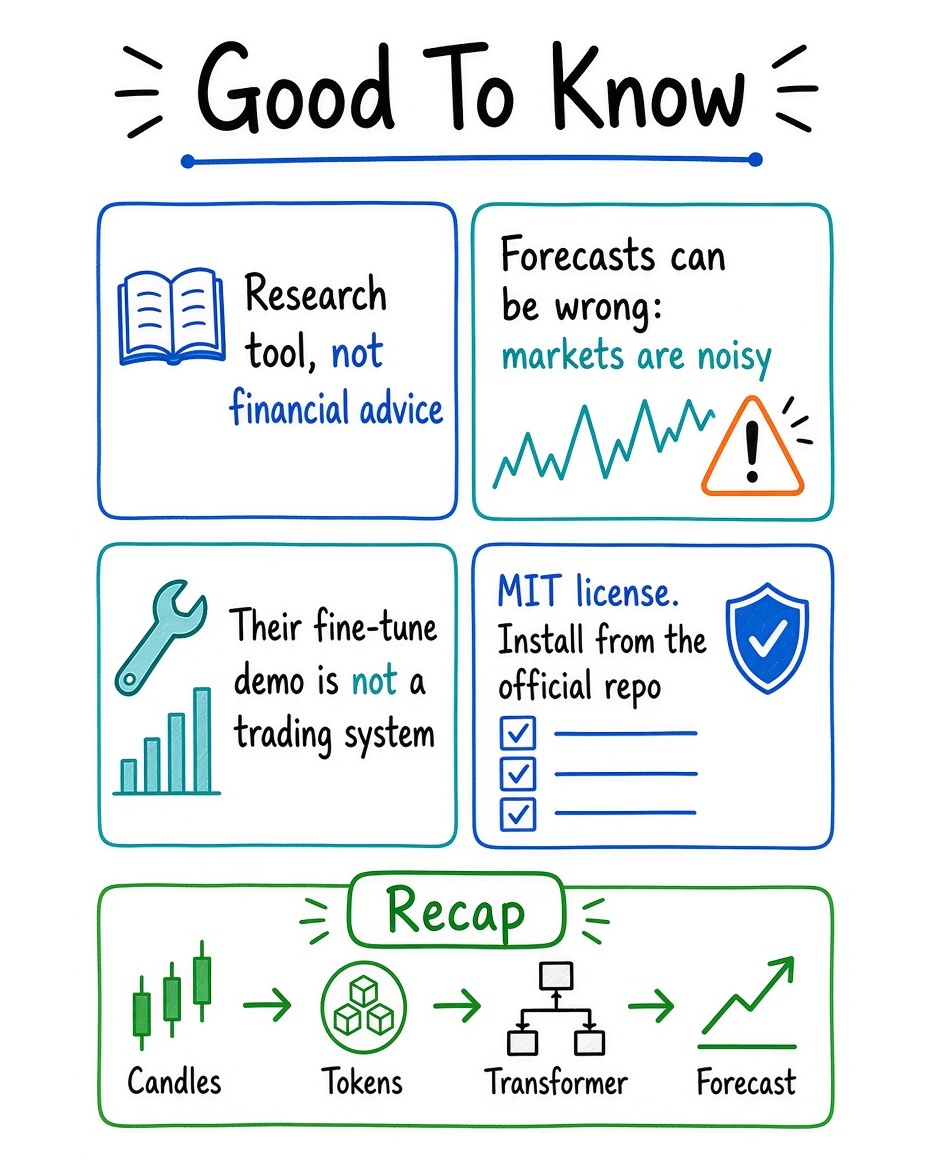
It's a research model, not financial advice, and forecasts can be wrong. The team says its fine-tuning pipeline is a demo, not a production trading system. MIT license, paper accepted at AAAI 2026.
Repo: https://t.co/5GkS2mbFSv
Bookmark this and follow for more AI repo breakdowns.
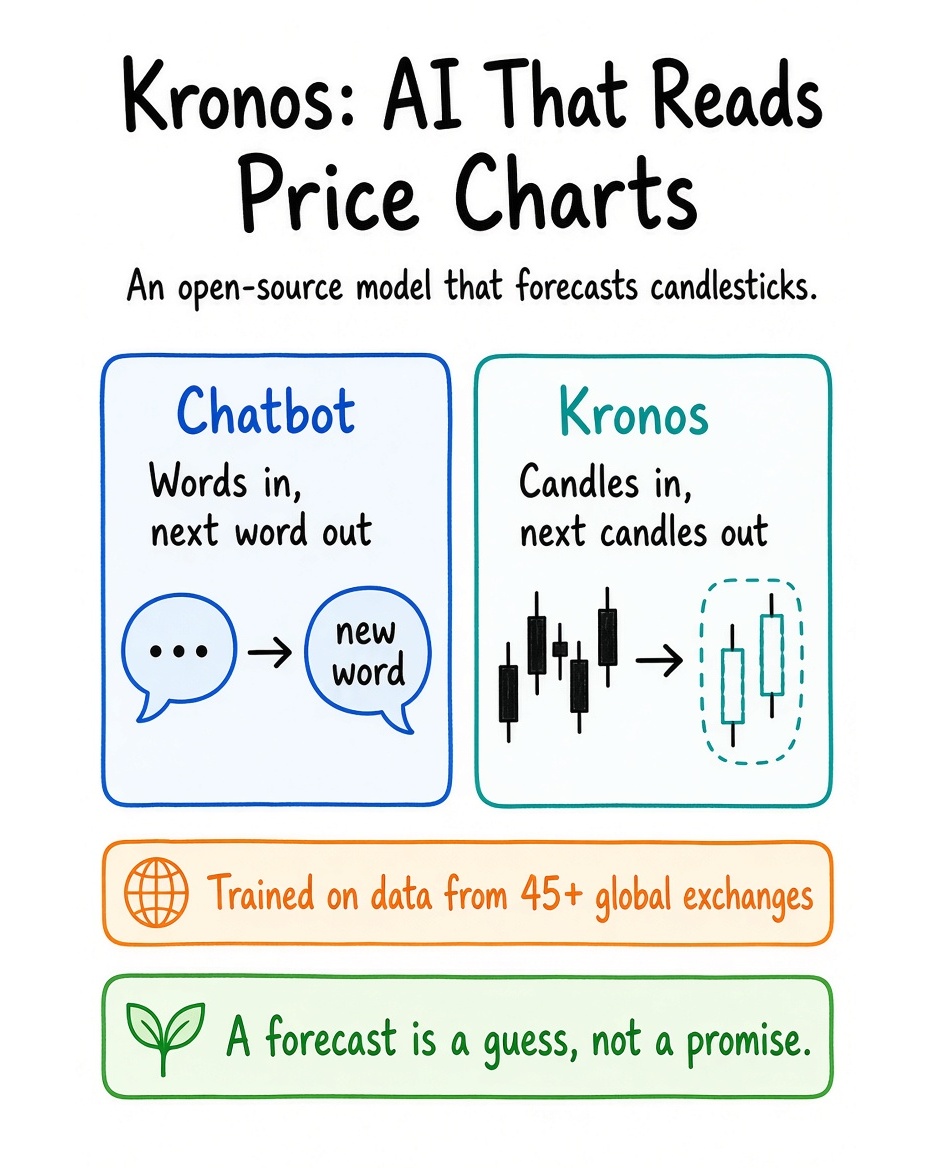
This open-source model reads price charts the way a chatbot reads text 📈
Kronos turns candlesticks into tokens and predicts the next ones. 41.7K stars on GitHub and trending again today.
What it is, how it works and how to try it 🧵
How to try it:
Install Python 3.10+ and the requirements, load the tokenizer and a Kronos model from Hugging Face, give it past candles plus the future timestamps, and call predict().
Open models: mini (4.1M params, 2,048 context), small (24.7M) and base (102.3M), both 512 context. Large (499.2M) isn't released.
How it works: one API key covers
→ Scrape: any URL into Markdown, HTML or screenshots
→ Crawl: up to 500 pages of a site
→ Search + Answers: a research task in, JSON with source URLs out
→ Monitors: a signed webhook when a page changes
https://t.co/Fm2uuXemIt says JS rendering and proxies are included and failed requests aren't billed. Free plan is 1,000 credits a month, no card.
Source: https://t.co/1l4XWCxOTt
Wow... https://t.co/Fm2uuXemIt just raised $9M to give AI agents the internet 🤯
One API to search, scrape, crawl and monitor the web.
Your agent gets back clean Markdown or JSON instead of messy HTML.
Seed round led by General Catalyst, and they're celebrating with 50,000 free credits for new signups (limited time).
An agent is only as smart as the web it can read 👇
We raised $9M. Your agents get a present.
50,000 free https://t.co/fQKoWDMJVy credits, already added to your account, signup within the next 12 hours to get them automatically.
Go build something absurd :)
@praneybehl A lot of people keep the second subscription as a reviewer. One model writes the change, the other reviews the diff, since they tend to miss different things. It also saves you when one hits a usage limit in the middle of a task.
@rthiago That's the weak link in any planner and builder split: the plan is only as complete as the search it was given. A cheap fix is having the planner list every function it will change, then running one more search for each caller before it writes the plan.
@JulianGoldieSEO The style switch is the telling part. A toggle like Monsoon means the model planned for variations from the start instead of hardcoding one look. Did Gemini 4 Argon come out ahead on any of the three, like the game logic?
@FurkanGozukara Quota is the quiet feature that changes how people work. Once you stop rationing, you split jobs across more sub-agents and let them run longer. Curious whether Max reasoning pays off on every sub-agent, or mostly on the one doing the planning.
How it works: each Townie connects to its person's email, docs, calendar and work tools, learns their projects and voice, and takes tasks off their plate. It shares only what that person would share and asks permission when needed. Townies can also work with customers and partners over email and text.
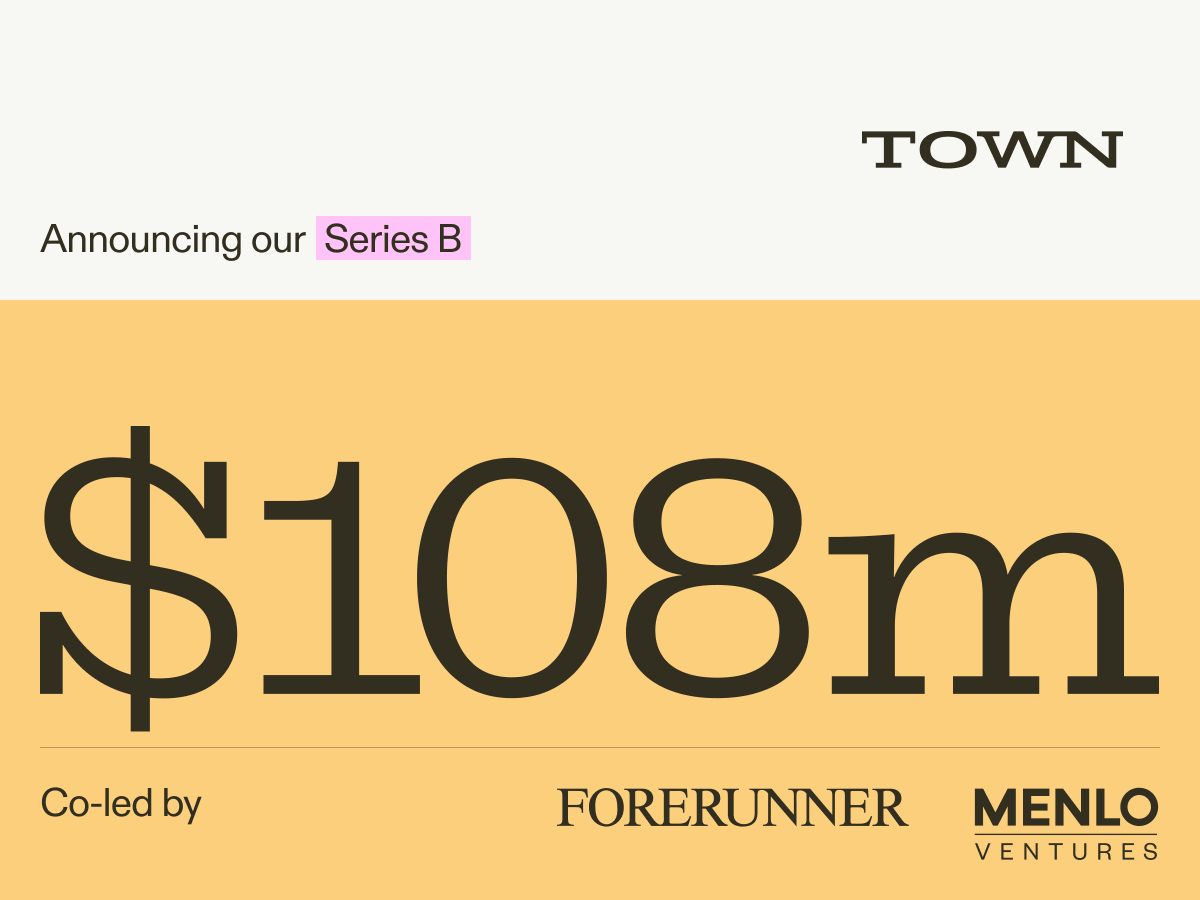
The round was co-led by Forerunner and Menlo, with a16z and First Round joining. Town says paying customers are up 4x since July.
Takeaway: the next step for AI assistants is teams of them working together.
Source: https://t.co/sB3ziT1W5n
Wow... Town just raised $108M at a $1B valuation
Only 4 months after its public launch
Every person gets an AI assistant (a "Townie") wired into their email, docs and calendar
Now Townies ask each other questions and hand off work on their own 👇
Most AI assistants are built for the edges of life: dinner reservations, flight changes, subscription cancellations.
We think the real opportunity is the center of it. Work fills 8+ hours of most people's day, and that's where Town helps.
We just raised $108M from @ForerunnerVC, @MenloVentures, @a16z, @firstround, and more to go all in.
@Layton_Gott Agreed. Most of the work is wiring existing tools together and writing good instructions for the agent. Starting from an open-source base also means you get everyone else's bug fixes for free instead of maintaining your own.
@DanKornas The network is the right place for that boundary. Most prompt injection attacks end with the agent sending data somewhere it shouldn't, so one control point that logs every outbound request also answers the question of what the agent actually did.