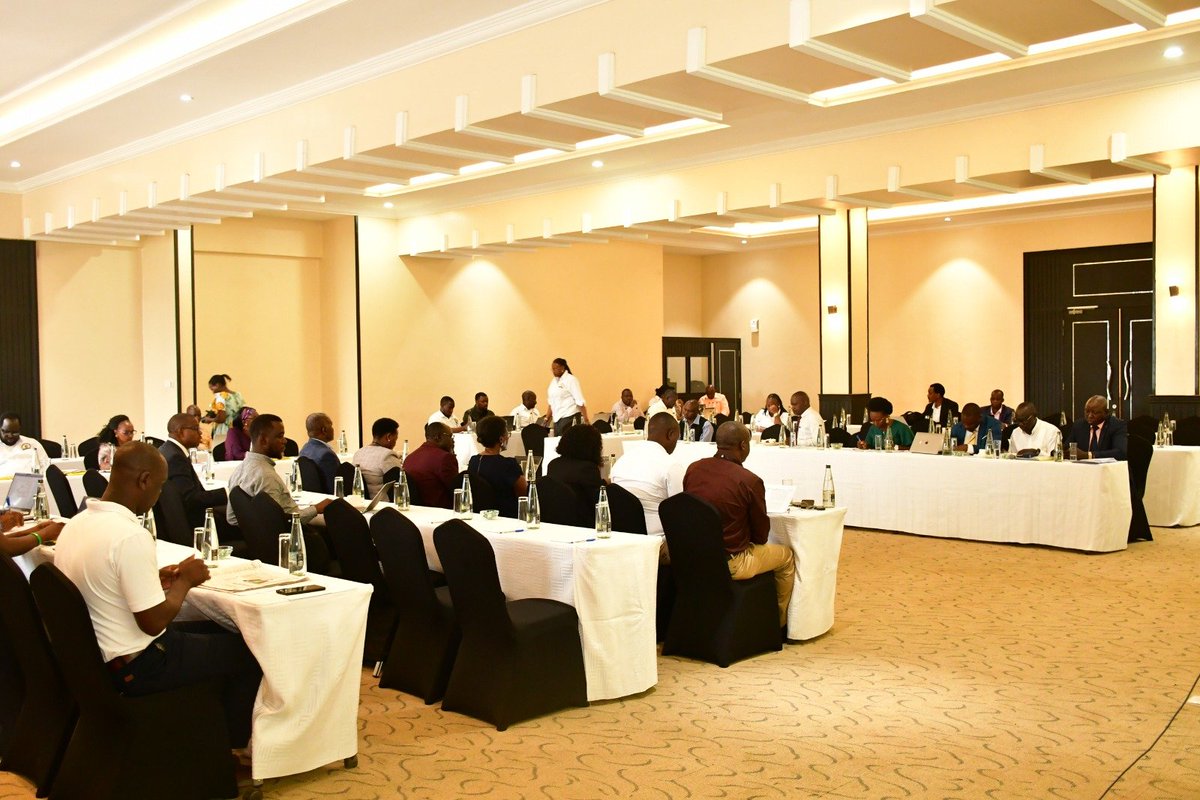
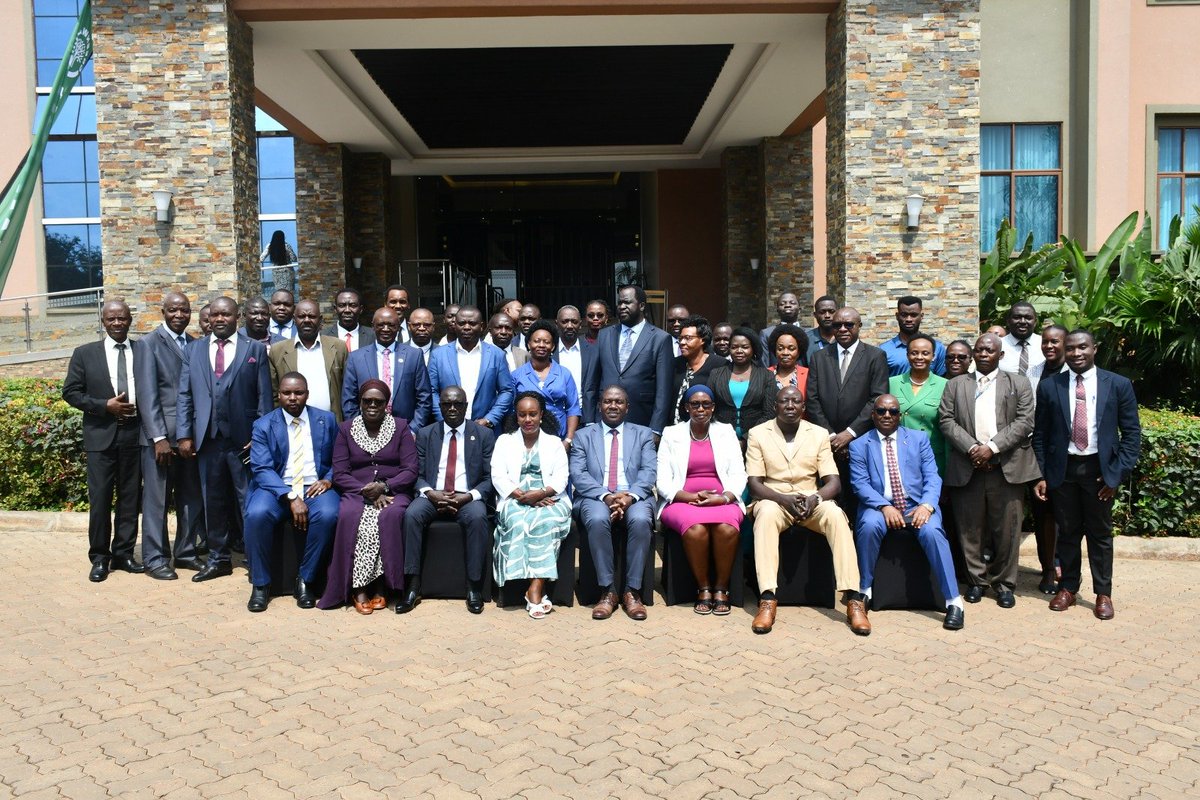
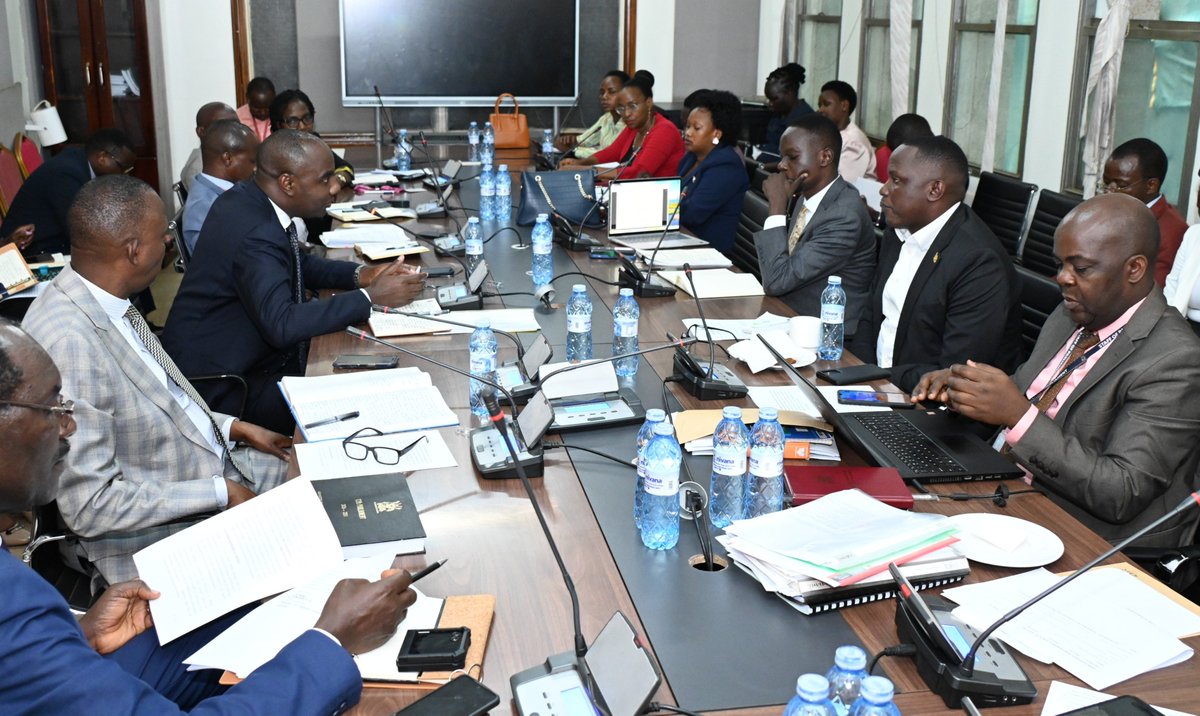
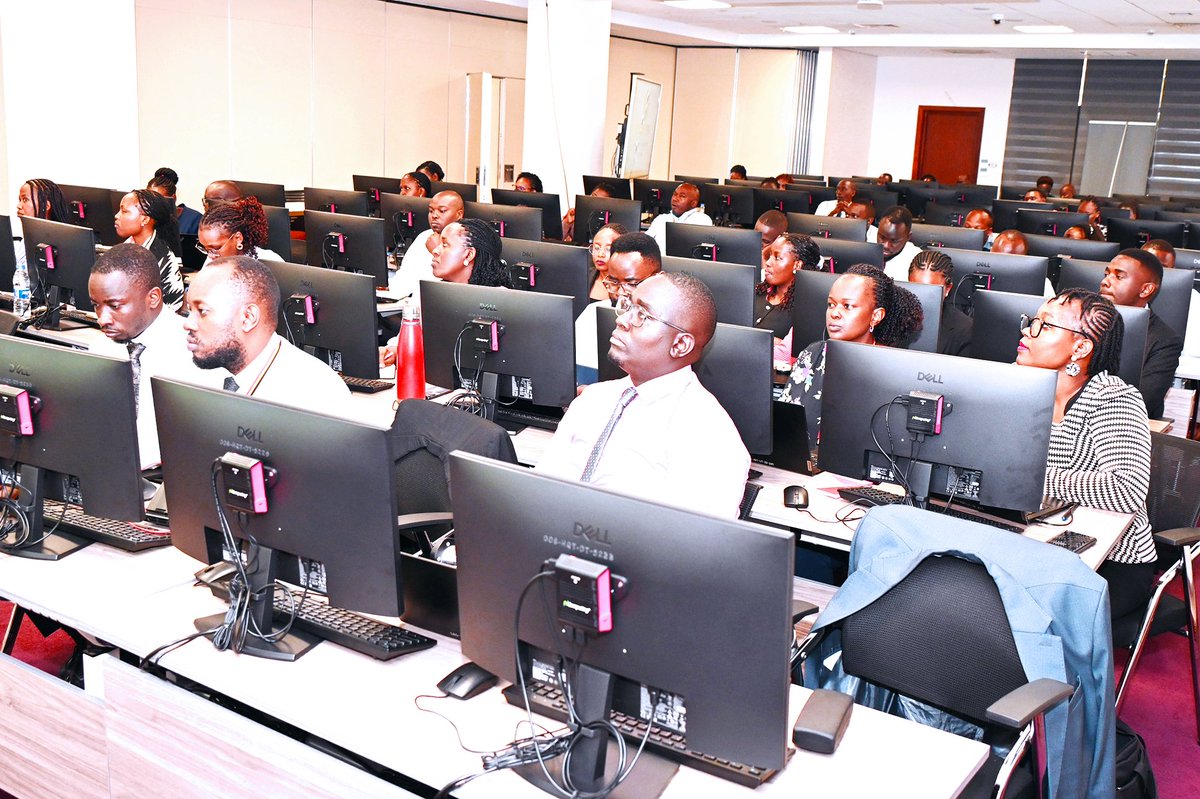
A team from the Local Government Finance function of the Local Government Finance Commission (LGFC) is in Namutumba District for an LED follow-up engagement, working with the Local Government to assess progress, identify emerging opportunities and support efforts to strengthen local economic activity.
For LGFC, Local Economic Development (LED) is an important foundation for building financially resilient and self-reliant Local Governments. As local enterprises grow, markets expand and economic activity increases, Local Governments have greater opportunities to broaden their Own Source Revenue base and generate resources to support essential services and local development priorities.
The follow-up provides an opportunity to engage with the Local Government, understand the progress and challenges in promoting LED, and identify practical opportunities for strengthening the connection between local economic growth, revenue mobilisation and improved service delivery.
LGFC remains committed to working with Local Governments to unlock local economic potential, strengthen Own Source Revenue mobilisation and advance equitable and effective financing of Local Governments.
Day Five: Advancing Sustainable Urbanisation and Housing
Day Five of the FY2027/28 Uganda Local Governments Programme Conditional Grant Negotiations has successfully concluded, with discussions focused on the Sustainable Urbanisation and Housing Programme.
The negotiations addressed priorities including the development and maintenance of urban infrastructure in line with physical development plans; strengthening the policy, legal, institutional and coordination framework; promoting the urban housing market and access to decent housing; increasing economic opportunities in urban areas; and developing sustainable waste management systems.
The discussions brought together UNAT and Central Government agencies under the programme, including the Ministry of Local Government, Ministry of Finance, Planning and Economic Development, Ministry of Lands, Housing and Urban Development, Ministry of Water and Environment, National Environmental Management Authority, National Housing and Construction Company Limited, National Planning Authority, Ministry of Justice and Constitutional Affairs, Ministry of Public Service, and District Local Governments.
As Uganda continues to urbanise, effective planning, adequate financing and coordinated implementation are essential to creating productive, inclusive and sustainable urban areas. The negotiations provide an important platform for Local Governments and Central Government to align priorities, financing and implementation arrangements towards improved urban development and service delivery.
LGFC remains committed to facilitating constructive and evidence-based negotiations that strengthen fiscal decentralisation and advance equitable and effective financing of Local Governments.
The Finance Ministry is today meeting Accounting Officers for Central Government & Local Government in preparation for budget execution for FY 2026/27 at @spekeresort
The PSST @rggoobi has already made a presentation on Budget execution for FY 2026/27 and the Charter for Budget Discipline and Accountability.
Acting Director Budget,Hannington Ashaba explains👇👇
WE MUST STRENGTHEN BUDGET CREDIBILITY - MUSASIZI
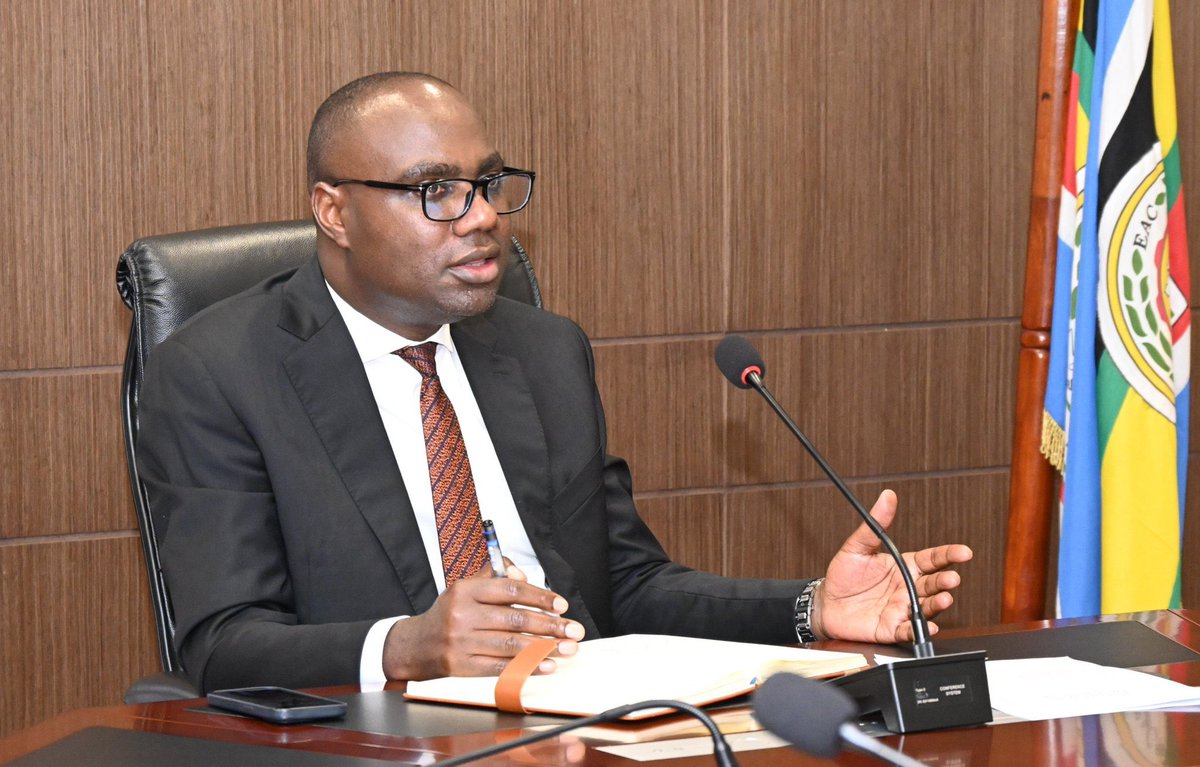
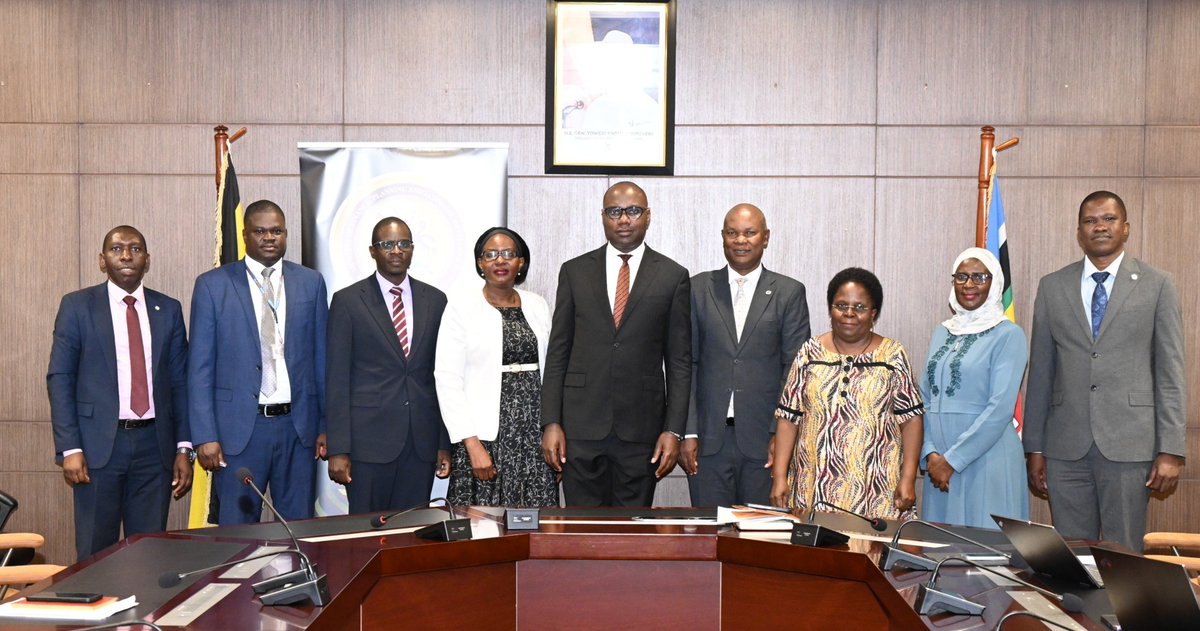
Finance Minister @henrymusasizi1 has called for the strengthening of budget credibility, fiscal discipline and value for money during a meeting today with staff of Budget Directorate at @mofpedU.
The meeting focused on improving the planning, preparation and implementation of Uganda’s National Budget.
The Budget Directorate team was led by the Acting Director Budget, Hannington Ashaba,
Musasizi said protecting budget credibility is among his key priorities at @mofpedU and government at large, stressing that resources must be allocated in line with approved plans and national priorities.
He called for greater discipline in public spending, urging officials to thoroughly assess and scrutinise expenditure needs before committing public resources,adding that the budget must translate into tangible results.
The Minister also called for faster and more efficient Government business while maintaining the necessary procedures and controls in public financial management.
He further highlighted the need to strengthen procedures of issuance of certificates of financial implication,adding that these certificates must be supported by clear and sound assumptions for proposed policies and programmes.
Musasizi also called for public ownership of the budget process and timely submission of information by Government institutions to support credible and timely budget preparation.
The Director Budget outlined the Directorate’s priorities, including protecting budget credibility, safeguarding fiscal space, strengthening public investment discipline and linking planning and budgeting to results.
He reaffirmed the Directorate's commitment to supporting Uganda’s ambition of becoming a $500 billion economy by prioritising resources for financial inclusion, ATMs and enablers.
Day Four: Advancing Human Capital Development
The Local Government Finance Commission (LGFC) has concluded Day Four of the FY2027/28 Programme Conditional Grant Negotiations, with discussions focused on the Human Capital Development Programme.
Today’s negotiations addressed priorities aimed at strengthening the foundation of human capital development, improving population health, safety and management, and expanding access to safe water, sanitation and hygiene services. Discussions also focused on improving access to quality and relevant education and training, promoting decent work and productive employment, and reducing vulnerabilities and gender inequalities across the lifecycle.
These priorities are central to strengthening human capabilities and improving the quality of life of communities. The negotiations provide an important platform for Local Governments and Central Government to align financing and implementation arrangements with the needs of communities and Uganda’s broader development priorities under NDP IV.
LGFC remains committed to facilitating constructive and evidence-based negotiations that strengthen fiscal decentralisation and contribute to equitable and effective financing of Local Governments.
@MoICT_Ug@mofpedU@GovUganda@UlgaSecretariat@GCICUganda@MoLGUganda@newvisionwire
The Local Government Finance Commission and the Uganda Local Governments Association @UlgaSecretariat are live on @RadioOneFM90 discussing matters of service delivery and Conditional Grant Negotiations. Join in to appreciate the annual Negotiations and their effects on service delivery at the grassroots.
DID YOU KNOW HOW WE RELEASE FUNDS TO MDA's & LGs?
✳️Quarterly expenditure limits for recurrent,development & statutory expenditures are issued not later than the 10th day of the first month of each quarter.
✳️Release of funds for Missions Abroad happens twice during the FY in July(Q1) & January (Q3) to mitigate losses from poundage & also enable Missions meet single payment obligations such as rent.
✳️All learning Institutions including primary & secondary schools,tertiary,BTVETs & other post-secondary institutions receive funds in alignment with the termly calendar & semesters of the academic year.
✳️Release of funds for the agriculture sub-programme is in accordance with the seasonality of planned activities to ensure inputs are available in time.
✳️Local Government Development Grants are released 100% by third quarter to guard against having unspent balances at end of FY due to delayed project implementation.
✳️Local revenue to Local Governments is released on the basis of actual remmitances to the Uganda Consolidated Fund by the respective Local Governments.
#KnowYourBudget26
#DoingMore
UGANDA’S PUBLIC DEBT REMAINS SUSTAINABLE, SAYS FINANCE MINISTER
Finance Minister Hon. @henrymusasizi1 has comforted Parliament that Uganda’s public debt remains sustainable over the medium to long term, despite a significant increase in the country’s debt stock.
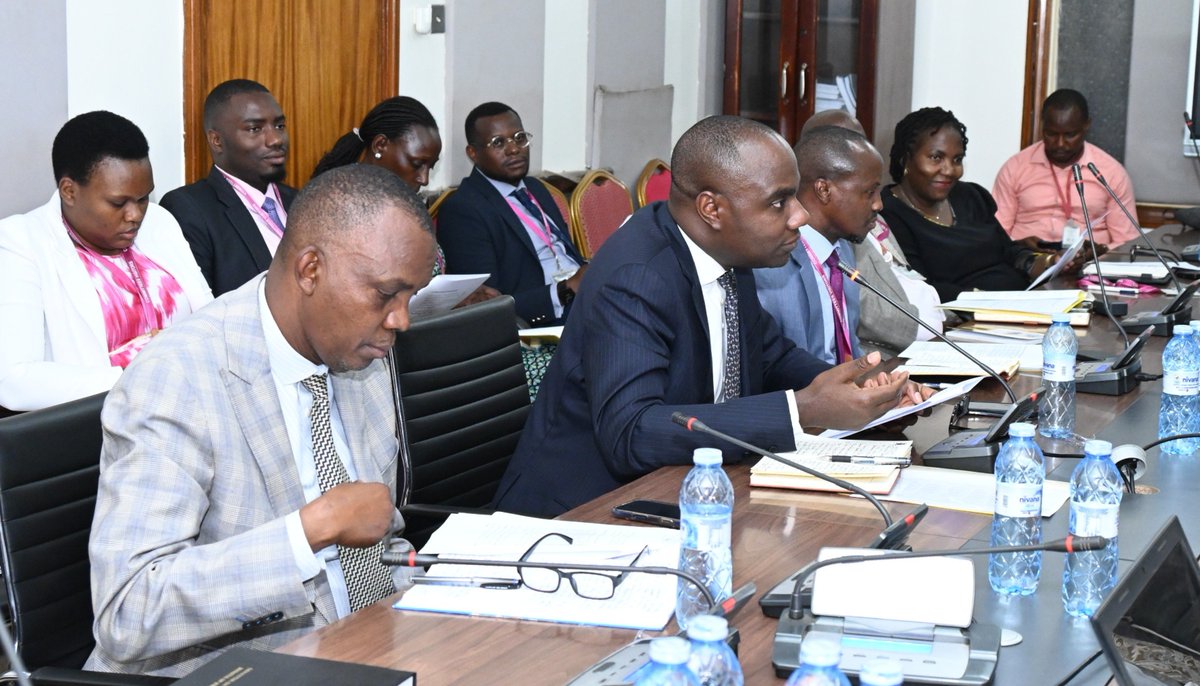
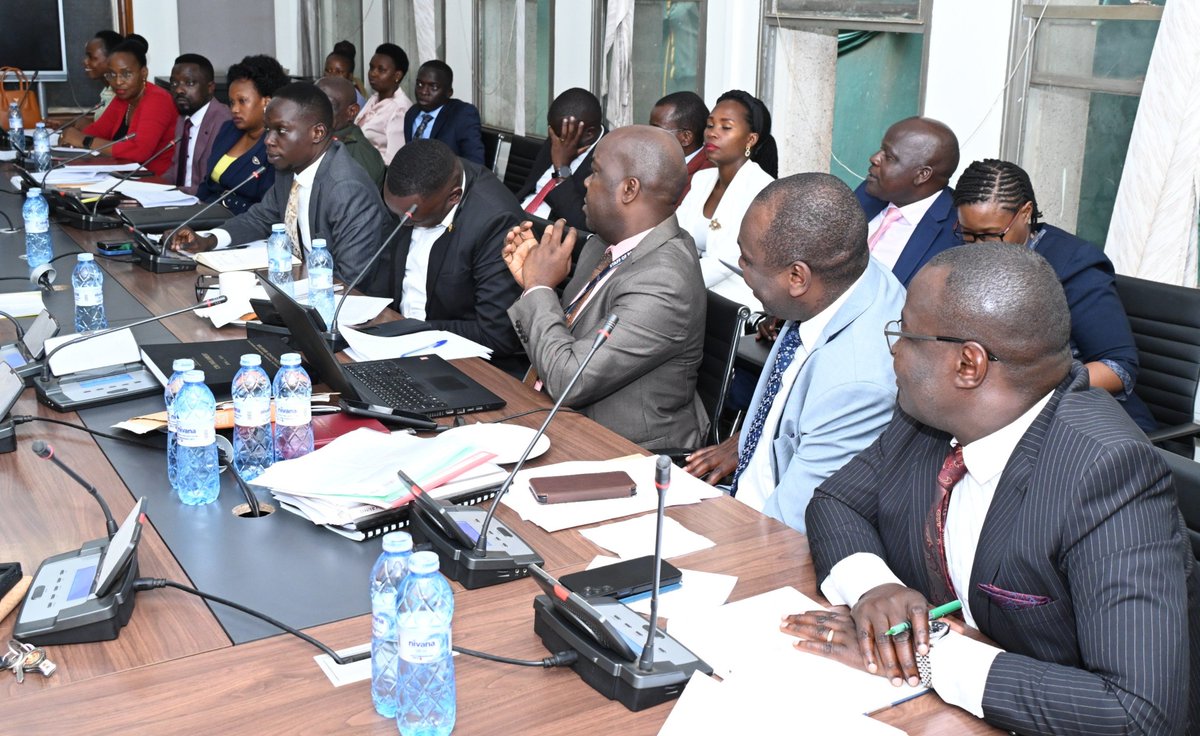
Musasizi, together with technical officials from the Ministry of Finance, Planning and Economic Development, appeared before the Parliamentary Committee on the National Economy to discuss Uganda’s public debt position, debt sustainability, external financing, contingent liabilities and domestic arrears.
He said that Uganda’s total public debt stock increased by 19.96%, from USD 29.06 billion (Shs.105.17 trillion) at the end of December 2024 to USD 34.86 billion (Shs.126.16 trillion) at the end of December 2025. Of this, USD 15.84 billion was external debt and USD 19.02 billion domestic debt.
Musasizi attributed the increase largely to increased domestic borrowing to finance the fiscal deficit and continued financing of strategic infrastructure investments aimed at supporting economic transformation and long-term growth. He noted that debt sustainability should be assessed not only by the nominal debt stock, but also by the economy’s capacity to service the debt.
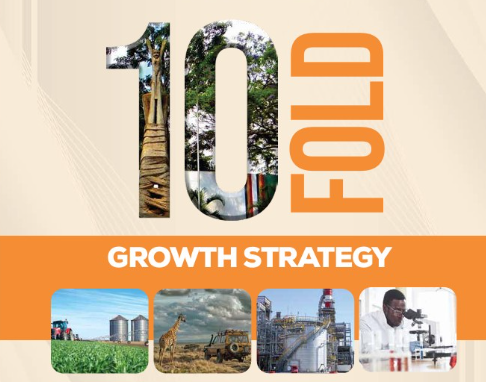
As a percentage of GDP, nominal public debt rose from 46.86% in June 2024 to 50.90% in June 2025. Despite this increase, Musasizi said the debt remains sustainable, supported by Government’s fiscal consolidation measures, including strengthening domestic revenue mobilization, rationalizing public expenditure, improving spending efficiency, realizing oil revenues and implementing the Ten-Fold Growth Strategy.
He however, acknowledged the risks associated with the rising debt stock, particularly the increasing cost of debt servicing. Government, he said, will continue to strengthen debt management, prioritize concessional and cost-effective financing, enhance domestic revenue mobilization and ensure borrowed funds are directed towards productive investments that generate sufficient returns to support repayment.
On external financing, Musasizi reported that commitments for ongoing externally financed projects and programmes stood at USD 18.23 billion at December 2025, of which USD 8.59 billion had been disbursed, representing 47.16%. Government is working with implementing agencies and development partners to accelerate implementation and disbursement while ensuring projects deliver the intended economic and social benefits.
The Minister also said that contingent liabilities increased from Shs.18.96 trillion in June 2024 to Shs.20.57 trillion in June 2025, an increase of Shs.1.61 trillion (8.5%). The increase was largely linked to legal proceedings against Central Government, including land compensation disputes, contractual claims arising from infrastructure projects and other statutory obligations.
On domestic arrears, the audited stock for FY2024/25 stood at Shs.8.68 trillion, with Shs.8.54 trillion (98.45%) attributed to Central Government and Shs.134.83 billion (1.55%) to Local Governments.
He noted Government is strengthening commitment controls and expenditure management, and enforcing the Public Finance Management framework to prevent new arrears while progressively clearing verified and approved obligations.
Musasizi reaffirmed Government’s commitment to responsible borrowing and prudent debt management, with emphasis on productive investment, fiscal sustainability and value for money.
DRIVERS OF THE 10-FOLD GROWTH STRATEGY
Uganda’s dream of growing the economy ten-fold is about more than numbers. It is about creating an economy where a farmer earns more from their produce, a young person finds decent work, and businesses can grow and compete globally.
DID YOU KNOW?
Effective FY 2025/26
Government begun implementing a strategy to eliminate domestic arrears over the medium term.
Accordingly payments are prioritised according to the following categories:
1️⃣Domestic suppliers of goods and services.
2️⃣Statutory expenses
3️⃣Contractors of works and transport,energy,water and classified.
4️⃣ Taxes and deductions
5️⃣Utilities
6️⃣Compensations administered by the Uganda Land Commission,@ministry_lands & @MoJCA_UG
For FY 2026/27 as stated in the Budget Execution Circular,Shs 317 billion was set aside for settlement of domestic arrears. Payment of arrears shall be guided by the stock verified by @OAG_Uganda
Accounting Officers who accrue domestic arrears will be sanctioned through non- renewal of their contracts as Accounting Officers.
Non compliant Accounting Officers will also be prohibited from entering into any new contracts without prior confirmation of resources available and will be held personally liable for causing domestic arrears.
#DoingMore
#BudgetExecution
#Accountability
KEY IMPLEMENTATION REFORMS FY 2026/27:
This is to remind you that Government is this FY implementing reforms to enforce discipline,credibility & accountability in the planning,budgeting and execution of public resources.
The key reforms are as follows:
1️⃣ Enforcement of budget discipline and accountability. This FY 2026/27, all Accounting Officers will sign a budget discipline and accountability charter.
2️⃣Combating corruption through procurement reforms,digitization,
strengthening of audits and other internal controls.
3️⃣Continue with enforcement of all laws and regulations including the trade order.
4️⃣Strengthening governance,oversight and performance of State-owned enterprises.
5️⃣Strengthening internal controls and audit systems to eliminate leakages in public expenditures.
6️⃣Strengthening allocative efficiency by prioritizing high impact investments under ATMS and their Enablers.
7️⃣Suspend financing and observation of all public holidays and State funded celebrations. Only Religious functions & holidays & celebration of Independence Day by Missions Abroad will be funded.
8️⃣Centralizing the management of counterpart funding under @mofpedU to safeguard it for priority projects.
DID YOU KNOW?
To promote transparency and accountability PSST @rggoobi in his recent Budget Execution Circular (BEC) directed Accounting Officers to convene Finance Committee meetings quarterly,following the issuance of expenditure limits.
This is aimed at ensuring that Departments agree on the financing of quarterly priorities and allocation of funds to cost centres prior to warranting.
It's now a requirement that signed minutes of these meetings must be submitted together with hard copy warrants to @mofpedU by the end of the third week of the first month of each quarter.
UGANDA’S ECONOMY GROWING STEADILY- GGOOBI
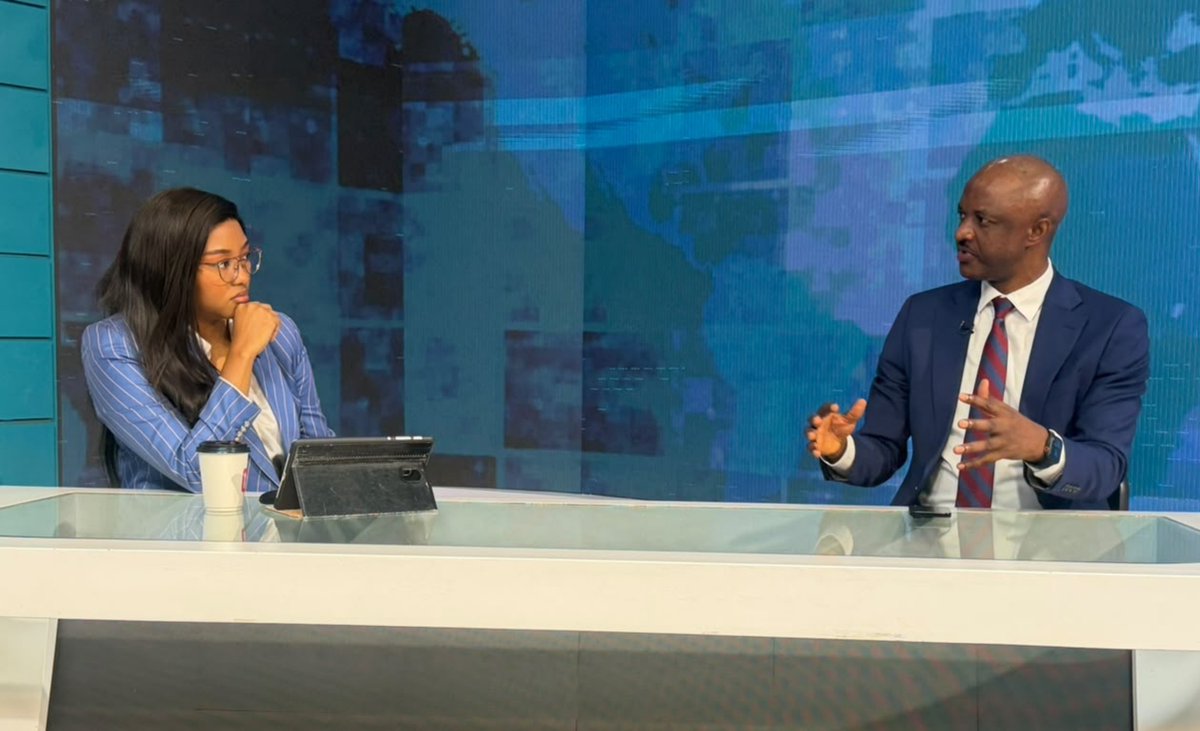
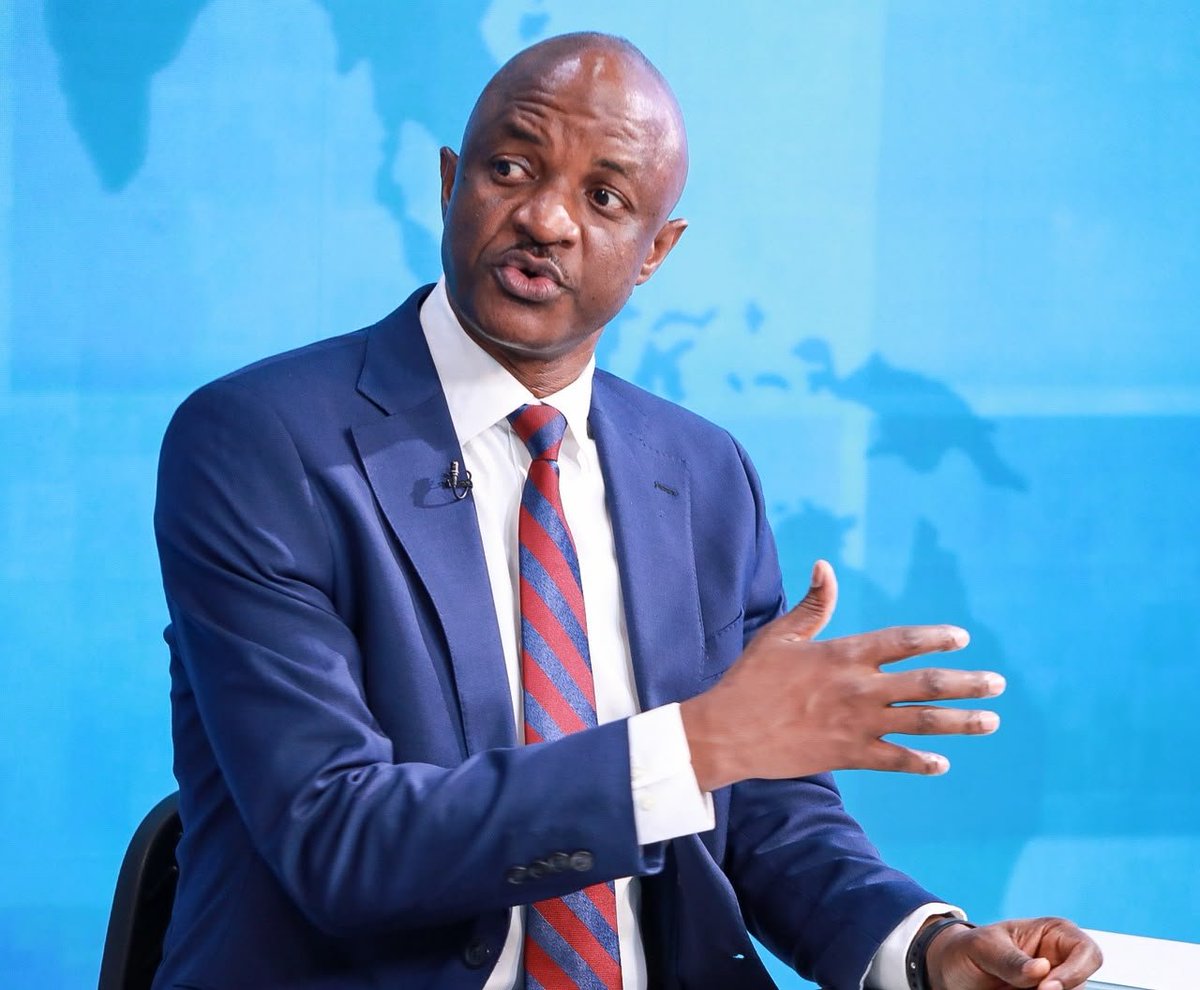
While appearing on #NBSMorningBreeze today, PSST @rggoobi said the size of Uganda’s economy has increased to about USD 70 billion,meaning that Uganda has to grow the economy about 7-fold compared to the earlier targeted 10-fold growth to achieve the goal of building a USD 500-billion- economy in the next 15 years.
Dr. Ggoobi said for the first time, there is policy consensus in the whole of Government and the resultant alignment by the Private Sector, Financial Sector and Development Partners.
The PSST also noted that the entire government is aligned in terms of planning as evidenced by the fourth national development plan (NDP IV).
“Policy consensus is the first step and that is where we have been failing,” said Ggoobi, adding that the Asian Tigers were able to transform their economies because policy consensus.
Unlike other election years, the PSST said last year was a unique,adding that it was characterized by stable inflation, stable shilling, highest growth rates and growth in exports especially coffee.
He thanked @BOU_Official for working closely with @mofpedU to coordinate the fiscal and monetary policy and to keep the economy stable.
Dr.Ggoobi said the greatest risk to achieving the USD 500 billion economy as planned is the low mobilization of domestic revenue. He said this must be addressed urgently by fully implementing the revenue mobilization strategy.
In FY 2026/27,domestic revenue is projected to increase to Shs 45.6 trillion from Shs 35.7 trillion in FY 2025/26. Government is targeting to increase the ratio of tax to GDP from about 14% to about 20% by 2030.
The PSST also highlighted challenges to do with the narrow tax base which leaves the tax burden to the few compliant taxpayers and informality which makes it hard to tax.
Going forward, Ggoobi said Government is making key reforms in a number of areas such as procurement to eliminate corruption, improving implementation of projects, giving priority to concessional financing to finance infrastructure development and investing deliberatively in value addition especially for coffee, minerals, fruits and vegetables as well as beef and dairy.
Finance Minister @henrymusasizi1 has today appeared before the Parliamentary Committee on Tourism, Trade and Industry to present and discuss the utilisation of Non-Tax Revenue (NTR) collections and budget performance by the Uganda National Bureau of Standards (UNBS).
Musasizi said over the last five financial years (FY 2021/22-FY 2025/26), @UNBSug approved budget increased from Shs 65.04 billion to Shs 133.83 billion, with budget releases ranging between 94 and 100 percent of the appropriated budget demonstrating consistent and timely funding support for UNBS’s planned interventions.
He explained that the temporary budget reductions experienced between FY 2022/23 and FY 2024/25 were a result of the global economic effects of the COVID-19 pandemic,adding that Government restored and more than doubled UNBS's budget,from Shs 62.975 billion to Shs 133.834 billion significantly exceeding the Bureau's Non-Tax Revenue collections.
He said, increase in the budget demonstrates Government's strong commitment to strengthening Uganda's standards and quality infrastructure.
The Minister who was accompanied by the Director Economic Affairs, Moses Kaggwa and other senior officials further explained that Government reforms introduced in FY 2017/18 require all Non-Tax Revenue to be collected through the Uganda Revenue Authority.
He noted that this reform aimed at minimising revenue leakages,improving revenue collection, accounting and transparency.
For the last five years,UNBS non-tax collections have grown from Shs 60.74 billion to Shs 87.68 billion.
On the proposal for UNBS to retain and spend at source, Musasizi said UNBS has a Vote status and should comply with the requirements of the Public Finance Management Act Cap.171 to remit all revenue collections to the consolidated fund without spending at source.
He advised UNBS to develop comprehensive, well-costed strategic actions for implementation in line with its mandate.
I have tasked Economic Policy Research Centre (EPRC) to focus on generating evidence-based economic policy research and analysis that will support Uganda to achieve a 500-billion-dollar economy by 2040.
@EPRC_official was established in 1993 by @mofpedU and @Makerere to build in-country policy research capacity and has since become Uganda’s leading economic policy think tank.
Evidence-based research is critical for policy makers to make informed decisions on the socio-economic transformation of the country, adding that there is need for more evidence-based research to ensure the anchor sectors (ATMS) deliver Uganda’s tenfold growth.
While meeting the Board and Management of Economic Policy Research Centre (EPRC) at @mofpedU I also urged them to produce evidence based research to spur Uganda’s tenfold growth agenda
MUSASIZI URGES EPRC TO PRODUCE EVIDENCE BASED RESEARCH TO SPUR UGANDA’S TENFOLD GROWTH AGENDA
Finance Minister @henrymusasizi1 has tasked Economic Policy Research Centre (EPRC) to focus on generating evidence-based economic policy research and analysis that will support Uganda to achieve a 500-billion-dollar economy by 2040.
The Minister made the remarks today while meeting the Board and Management of Economic Policy Research Centre (EPRC) at @mofpedU@EPRC_official was established in 1993 by @mofpedU and @Makerere to build in-country policy research capacity and has since become Uganda’s leading economic policy think tank.
Musasizi said evidence-based research is critical for policy makers to make informed decisions on the socio-economic transformation of the country, adding that there is need for more evidence-based research to ensure the anchor sectors (ATMS) deliver Uganda’s tenfold growth.
The Executive Director EPRC Dr. Sarah Ssewanyana said EPRC is committed to continue playing a central role in supporting evidence-informed policy making and contributing to national development strategies, adding that their work is fully aligned with NDP IV and the Tenfold growth strategy.
She said EPRC is also focusing on stakeholder engagement and policy uptake as well as digitization of research dissemination and knowledge management.
PROCUREMENT REFORMS:
In the budget speech for FY 2026/27, the Finance Minister, @henrymusasizi1 gave an assurance to Ugandans that Government is implementing a ‘clean-up’. This clean up is about enforcement of the laws and regulations to ensure institutional effectiveness, improved service delivery and public trust.
The specific priorities in the ‘clean-up’ include: Combatting corruption through procurement reforms, digitization, strengthening internal controls and audits, and ensuring transparency & accountability.
Yesterday the Office of the Accountant General conducted a change management session for Accounting Officers on implementation of the enhanced e-Government Procurement (e-GP 2.0).
The Acting Accountant General, Godfrey Ssemugooma reiterated Government commitment to the “clean up’ exercise of transforming the way government procures.
‘It is about improving efficiency, strengthening accountability, reducing opportunities for abuse, and ensuring that every shilling entrusted to us delivers maximum value to the people of Uganda,” said Ssemugooma.
After successfully piloting e-GP in 36 entities, Government is now targeting to initially roll out this phase of e-GP 2.0 in 100 entities.
Ssemugooma urged the Accounting Officers to champion this reform and deliver results. “Government expects every Accounting Officer to provide visible leadership,” said Ssemugoma.
He also called upon Accounting Officers to nominate the right officers for training and ensure adequate ICT infrastructure and reliable connectivity.
The training of Officers from implementing entities has already started.
#Reforms
#TenfoldGrowth
LGFC convened joint meeting for FY2027/28 Programme Conditional Grant Negotiations with NDP IV Programme Leads, @UlgaSecretariat and @UAAU_Ug. Discussions focused on financing for LGs, lessons from past negotiations & prepare for the August negotiations that shape 2027/28 budget
PERFORMANCE OF THE ECONOMY REPORT FOR JUNE 2026:
There was continued improvement in the level of economic activity as shown by the high frequency indicators of economic activity. Both the Purchasing Managers’ Index (PMI) and the Composite Index of Economic Activity (CIEA) recorded improvements.
The private sector remains highly optimistic about business conditions and the general outlook on the economy as indicated by the Business Tendency Index (BTI) which remained above the 50-mark threshold at 54.4 in June 2026.
This optimism by the private sector is partly driven by improving prospects in domestic and external demand and a stable macroeconomic environment.
The Shilling appreciated against all major currencies during the month, strengthening by 1.4 percent against the US Dollar, 2.8 percent against the Euro, and 2.6 percent against the British Pound Sterling.
The appreciation against the US Dollar was largely driven by strong foreign exchange inflows from commodity exporters and offshore investors.
Earnings from merchandise exports increased by 12.8 percent year-on-year to USD 1,346.12 million in May 2026, up from USD 1,192.87 million in May 2025. This growth was primarily driven by higher earnings from gold, tobacco and oil re-exports, electricity.
However, export receipts experienced a 4.2 percent month-on-month decline from USD 1,405.14 million in April 2026, largely due to a drop in earnings from coffee and gold between April 2026 and May 2026.
There was also a slight increase in the general price level of goods and services in June 2026, depicted by annual headline inflation which rose to 3.7 percent from 3.2 percent in May 2026. The increase was mainly driven by higher domestic fuel pump prices which also affected prices of some other goods and services.
For more details👇👇
https://t.co/RsqW2IQUV8