. @la_marato ha celebrat l'acte del 27è retorn social pre presentar els resultats dels projectes impulsats en l'edició de 2020 dedicada a la #covid.
Entre ells se'n troben set liderats o amb la participació de professionals del #VHIR.
Descobreix-ne més👇
https://t.co/InkHE8a4cd
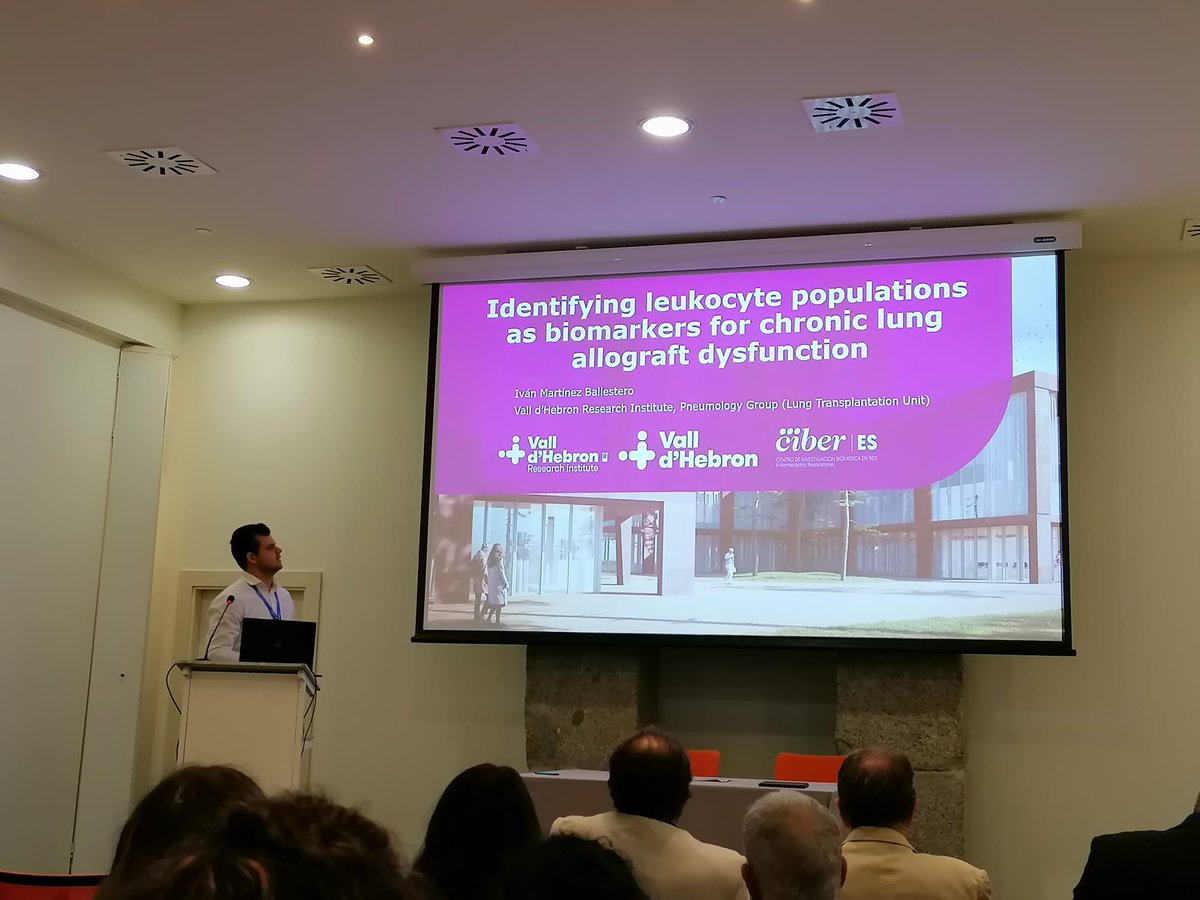
Presented our work on leukocyte biomarkers in chronic lung allograft dysfunction (CLAD) at the JPIJ CIBERES-CIBERBBN 2025. Grateful to CIBER, all participants, and my supervisors for their support.
#JPIJ_ESBBN2025#CIBER@SaludISCIII@VHIR_@vallhebron
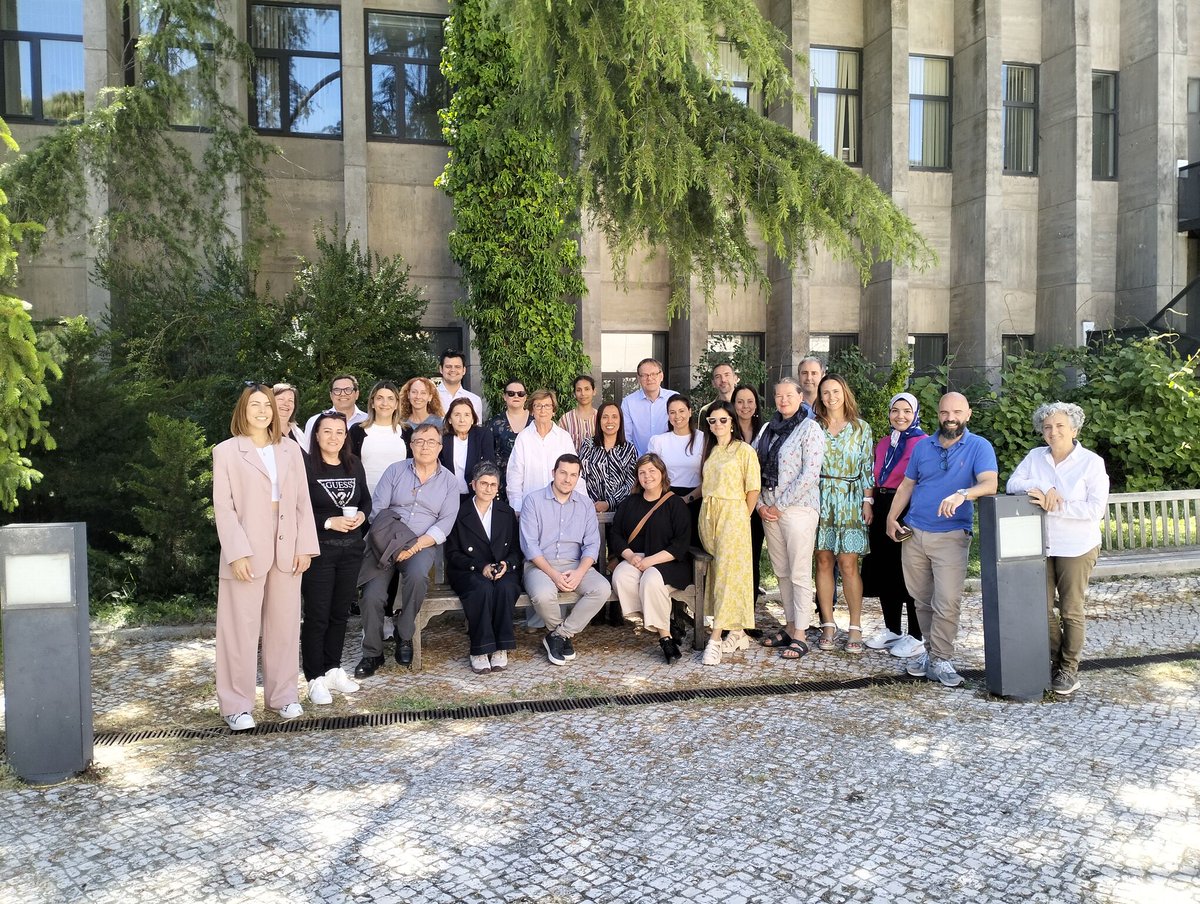
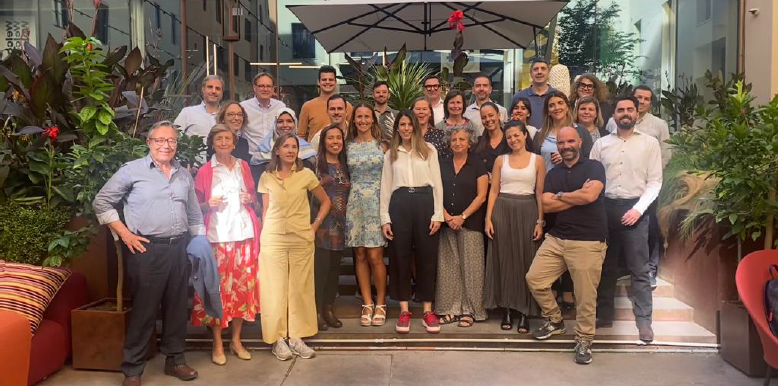
🇪🇺✨ Our 4th #IMPORTANTProject Consortium Meeting took place in Madrid on May 23, hosted by @uned at the Faculty of Psychology. A day of collaboration, insights & planning the next steps in #BreastCancerResearch#HorizonEurope @IMPORTANTrial_Community
Very proud to be involved in this project. Take a look at our last collaboration in a publication here!
Muy orgulloso de participar en este proyecto. ¡Echa un vistazo a nuestra última colaboración en una publicación aquí!
@hospitalclinic@idibaps
Excited to share our new #publication Implementing #geriatric assessment for dose optimization of CDK4/6 inhibitors in older #BreastCancer patients https://t.co/aS7RXTfbG8
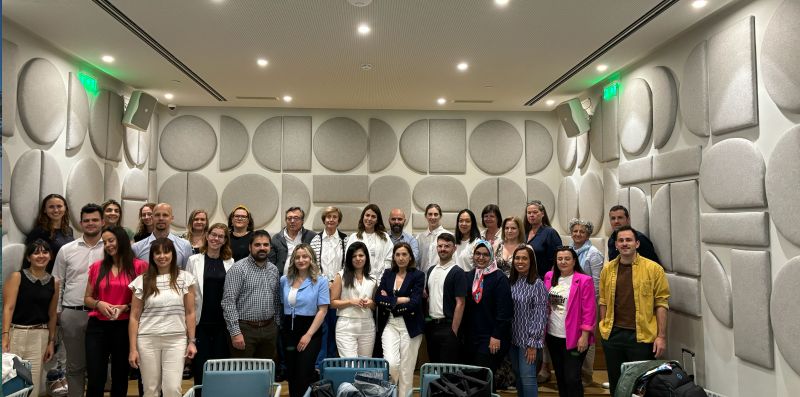
Excited to share highlights from the 3rd #IMPORTANT project plenary meeting, held #Athens 🇬🇷 May 27th! Clinical sites, SMEs, universities, & patient advocates joined forces to advance our mission of enhancing #breastcancer treatment for older patients through a #clinical#trial
Here's our new #publication Clinical trials in older patients with cancer – typical challenges, possible solutions, and a paradigm of study design… https://t.co/BQWbmpqGFn
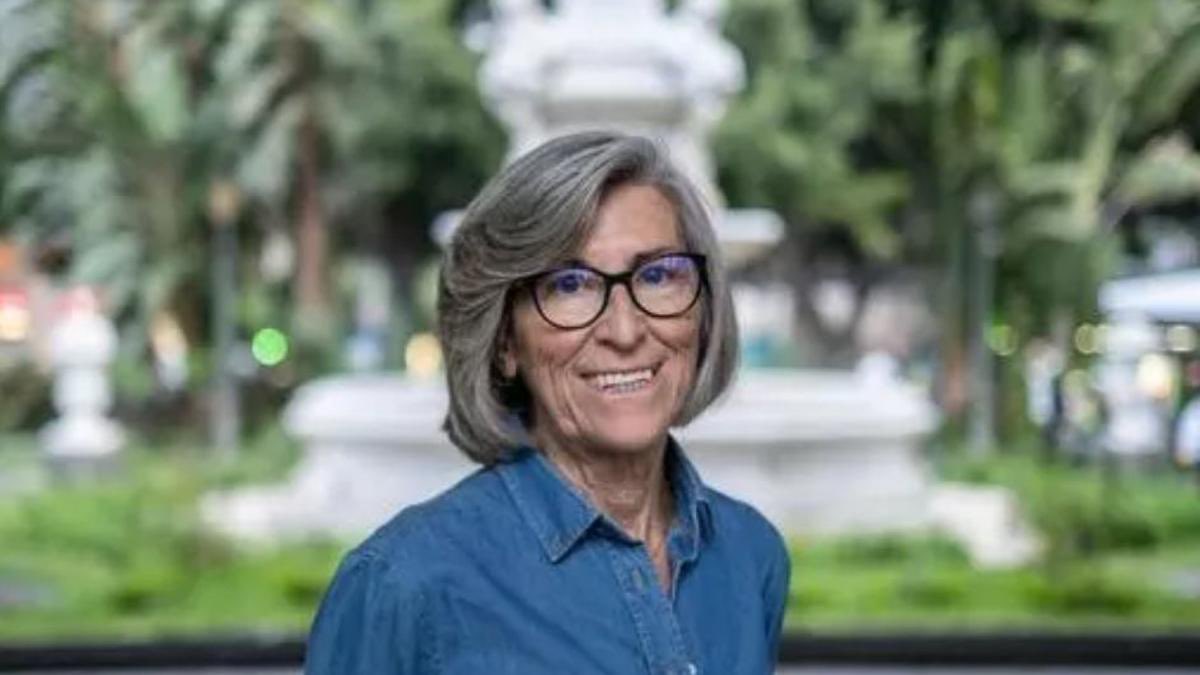
La bióloga canaria Ana Crespo hace historia convirtiéndose en la primera presidenta en toda la historia de la Real Academia de Ciencias Exactas, Físicas y Naturales de España. Ha recibido el apoyo del 80% de los académicos de esta institución.
It is always a pleasure to attend these plenary meetings! I am very grateful to have the opportunity to learn from other professionals and project partners thanks to the ideas shared at these sessions, all along with my colleagues Dr. @MuozMateu and Dr. Raquel Gómez
Excited to share highlights from the 3rd #IMPORTANT project plenary meeting, held #Athens 🇬🇷 May 27th! Clinical sites, SMEs, universities, & patient advocates joined forces to advance our mission of enhancing #breastcancer treatment for older patients through a #clinical#trial
Looking forward to our consortium plenary meeting in Athens Greece 27th May to discuss progress and plans for the upcoming months @HorizonEU#Cancer#BreastCancer#Trial https://t.co/mZOxJu0NR5
Relevant study to our #Trial of clinical value of geriatric assessment in older patients planned for chemotherapy #cancer#breastcancer https://t.co/H4vzP2mAIg
On the 2-3 Oct we gathered in #Florence for our 2nd on-site meeting where we confirmed the excellent progress of the deliverables and discussed actions going forward #BreastCancer#ClinicalTrial
Proud of being part of this project! Looking forward to contribute and help, aiming to improve the oncology future.
¡Orgulloso de formar parte de este proyecto! Con muchas ganas de aportar y ayudar, con vistas a mejorar el futuro de la oncología.
This is the official account of the IMPORTANT #HorizonEU project 'IMPlementing geriatric assessment for Dose of CDK 4/6-inhibitors in older bReasT Cancer patieNTs' Stay tune for progress news outcomes and results #breastcancer#clinicaltrials
Rejection of your paper or grant has NO relevance to the opinion of #research community. It is nothing but the opinion of one person.
Several examples:
1. The first paper on graphene was rejected from Nature because “it did not constitute a sufficient scientific advance”. Later, it was awarded a Nobel prize.
2. The first manuscript showing the microbiome-brain connection was published after 7 submissions that took 3 years. Today, this field has exploded. I expect it will get a Nobel prize in the future.
3. Theodore Maiman tried to publish a paper describing the first operating laser in Physical Review Letters and… got a rejection!
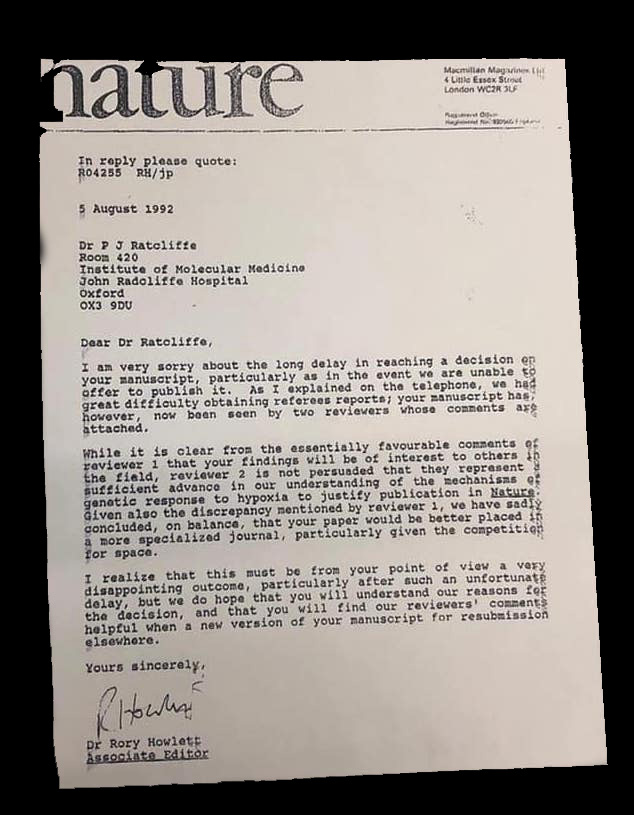
4. Peter Ratcliffe, who worked on cells’ response to changes in oxygen levels, got his key paper rejected from Nature (see photo). Later, he was awarded a Nobel Prize for this work.
And there are many other examples…
.
And yet I see so many young scientists stressing about rejections. For some reason, they seem to genuinely expect that the editors should know which study is truly worth it.
As a result, many rejections are met with surprise and disbelief:
“How could they reject it? They publish so much trash, and yet they think our detailed 3-year-long study is not interesting to the community! WHY?”
.
Well, the reality is:
- Most editors have very little time to delve into your study. They can easily FAIL to recognize the potential impact of your study. Proper communication in the cover letter and clear writing style can help (although only to a limited degree).
- Many reviewers have little idea about the science in your paper. But they can have a big ego. So, if they have a bad day or were rejected recently, it’s easy for them to find 1000 technical reasons to reject your paper as well.
- Most scientists genuinely don’t know if your discovery can make any impact. If we could predict the course of science, we would be living very differently!
My message is simple:
Forget about objectivity. Academia is a very subjective world. Fight for objectivity but don’t take it for granted.
A great study will be found, cited and recognized. Disregard of where it’s published.
A bad study requires a high-impact journal to be found and cited. But the long-time recognition might be a problem.
High-IF journals are simply billboards. Their rejections do NOT represent the opinion of a scientific community.
You can get rejected but don’t reject yourself!
Believe in your results.
#AcademicTwitter #AcademicChatter