Does the wealthy have more children❓
New Swedish register evidence shows only modest fertility gaps by wealth, but higher wealth among the childless, in particular among childless women - by @MartinKolk
🔗https://t.co/3iGhxIIRLs
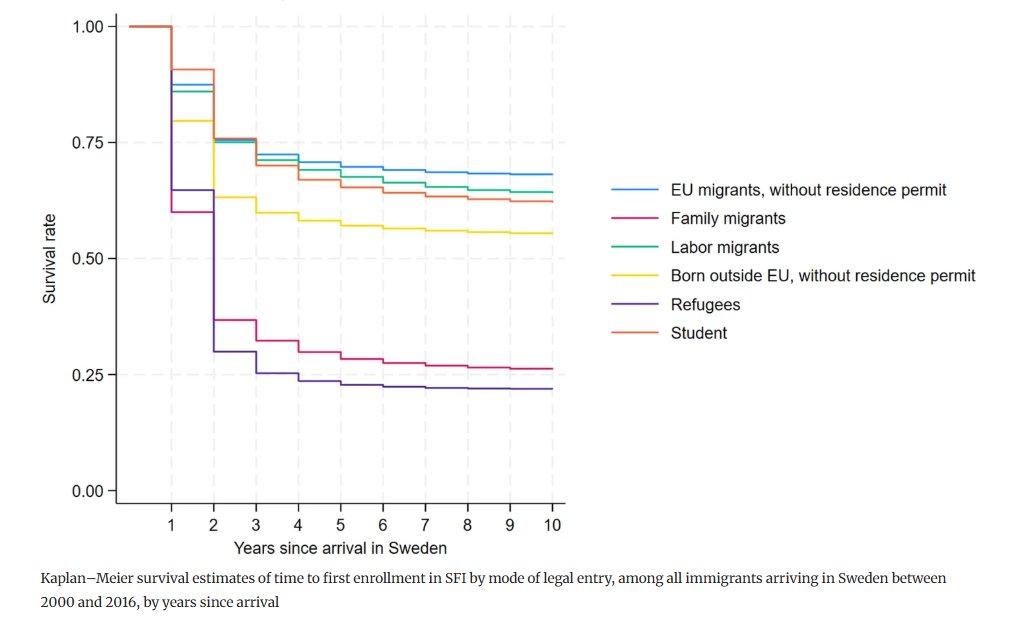
While Sweden is making language a requirement for citizenship, new study shows immigrants engage with SFI differently, reflecting motivations, inequalities, and challenges in accessing SFI and integration opportunities.
👉 New paper by Samaneh Khaef
🔗https://t.co/afuYAGdWBX
New publication! 🔥
Drawing on interviews with French same-sex couples, M. Carreira analyses how social class shapes mothers’ stigma management in schooling, generating inequalities in access to protection against homophobia.
🔗 https://t.co/9ostzTMY74
📣 New publication by Mimmi Lounela:
👉 In Sweden and Norway, non-Western migrants, especially men, are more likely to report positive fertility intentions under conditions of uncertainty - e.g. holding non-permanent contracts or anticipating job loss.
🔗https://t.co/oBAKk2vquv
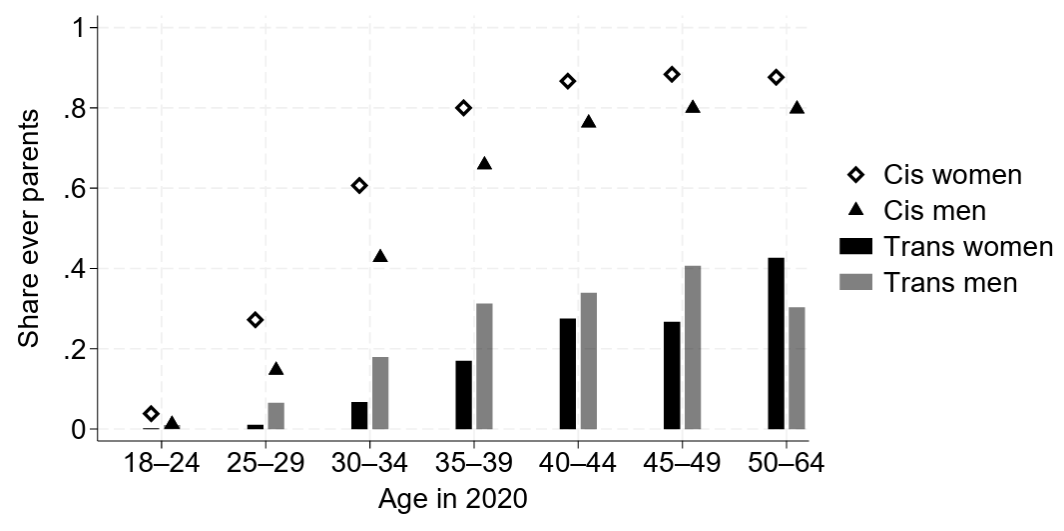
For trans people, parenthood rates vary by age, peaking at 41% for trans men aged 45–49 and 43% for trans women aged 50–64, about half the rates of cisgender peers.
👉 New publication by @ylvamoberg, Tilley, & von Essen about Sweden 🇸🇪
🔗https://t.co/lZSs0TmVGG
Double surnames have been legal in Italy since 2022.
Why are they still rare?
👉 A new study by Carriero, Dotti Sani, Ladini & Molteni shows that social expectations, more than legal change, shape people’s choices.
🔗https://t.co/XRxwH2jIO7
New publication by Ambrosetti (@elelona) & Hans Dietrich:
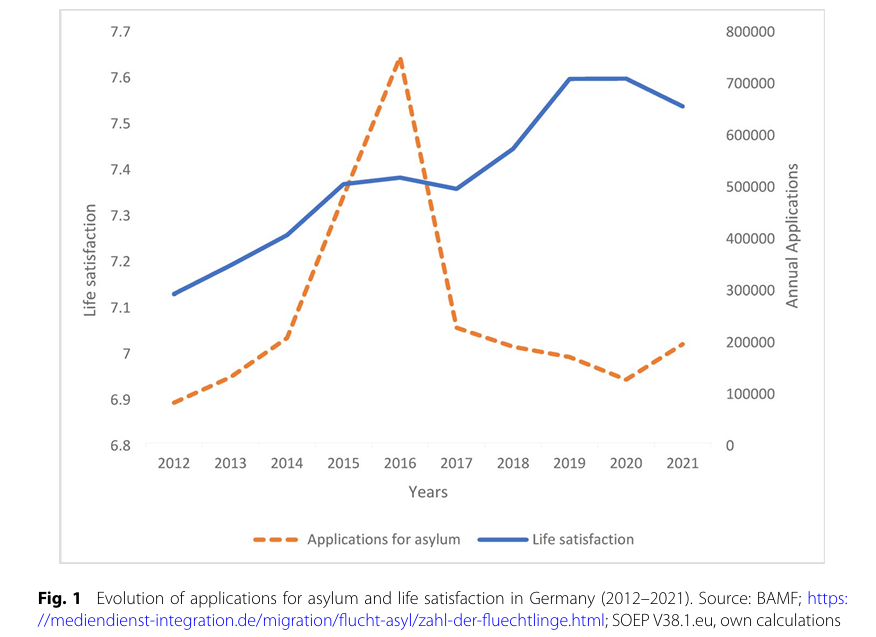
👉 The recent refugees’ inflow and the life satisfaction of residents in Germany 🇩🇪
Open access link:
🔗 https://t.co/t9yxAxBScB
⏳ First review: 23 March
Final deadline: 30 April 2026
🌍 Based abroad? You may be eligible for direct appointment (if in an equivalent position ≥3 years).
Details on equivalences:
https://t.co/LI7oELMXJL
Note: this is a call for expressions of interest (not a formal job ad).
The Department of Statistics @SapienzaRoma invites expressions of interest for faculty positions (TT assistant→full professor).
📊 Demographers especially welcome!
📩 Apply with CV + short research/teaching statement: [email protected]
Subject: “DSS call for interest”
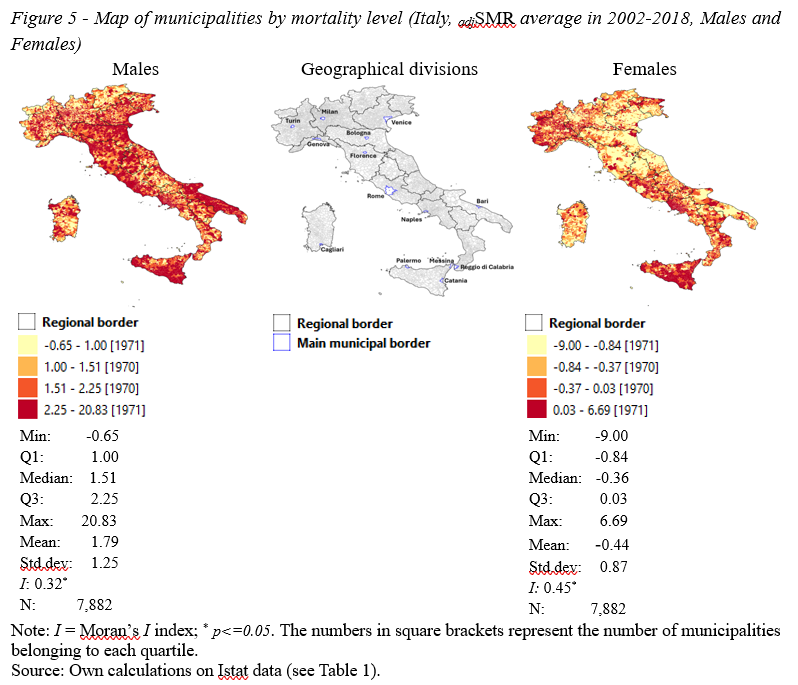
📣 New publication by De Santis, Benassi, Carboni & Maltagliati 👇
From trends to spillover effects: an improved standardization method coupled with spatial analysis reveals hidden patterns in Italy’s municipal #mortality, 2002–2018.
🔗https://t.co/3Z0tb9aopX
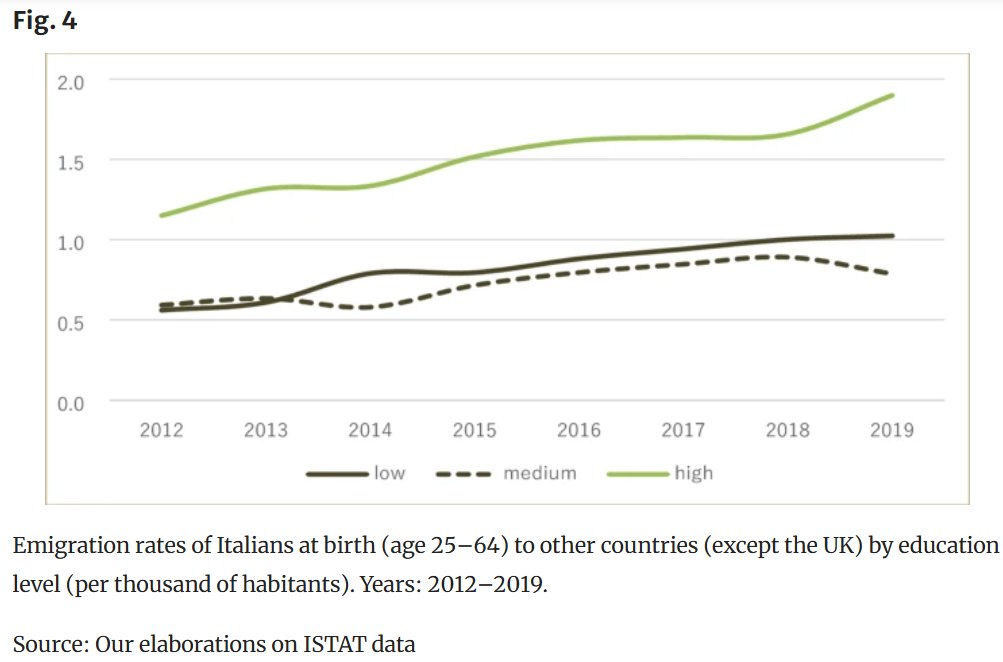
New publication by @francilic, Basile, Reynaud & Tucci 🔥
The uncertainty surrounding #Brexit has redirected Italian emigration: low-skilled Italian citizens and naturalized emigrants have chosen other destinations rather than the United Kingdom.
🔗 https://t.co/5IUUPtqkA7
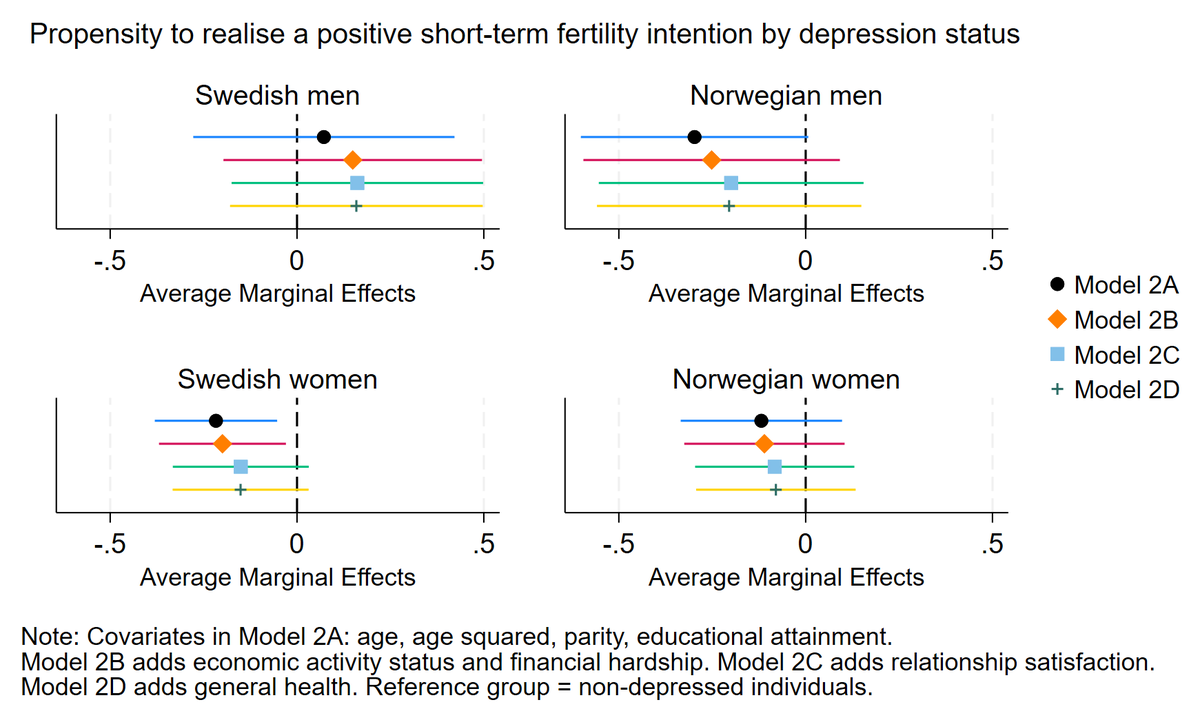
New paper by Carlsson & Kim available #openaccess!
👉 Using GGS data, this study links depression to a reduced propensity to state positive fertility intentions among Norwegian women and lower realisation of such intentions among Swedish women.
🔗 https://t.co/7y9ljnpJZo
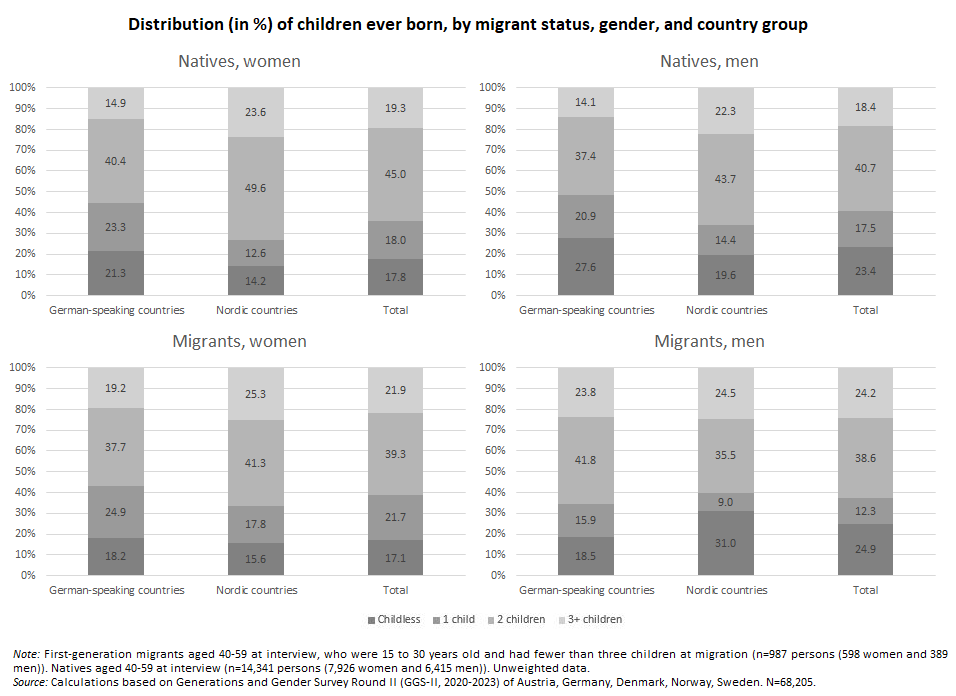
New publication by Friedrich & Milewski shows that👇
Migrant women’s fertility mirrors that of natives in Nordic & German-speaking countries but men face high childlessness in the Nordics. Migration disrupts men’s childbearing careers more than women’s.
🔗https://t.co/dEVN7SYPaF
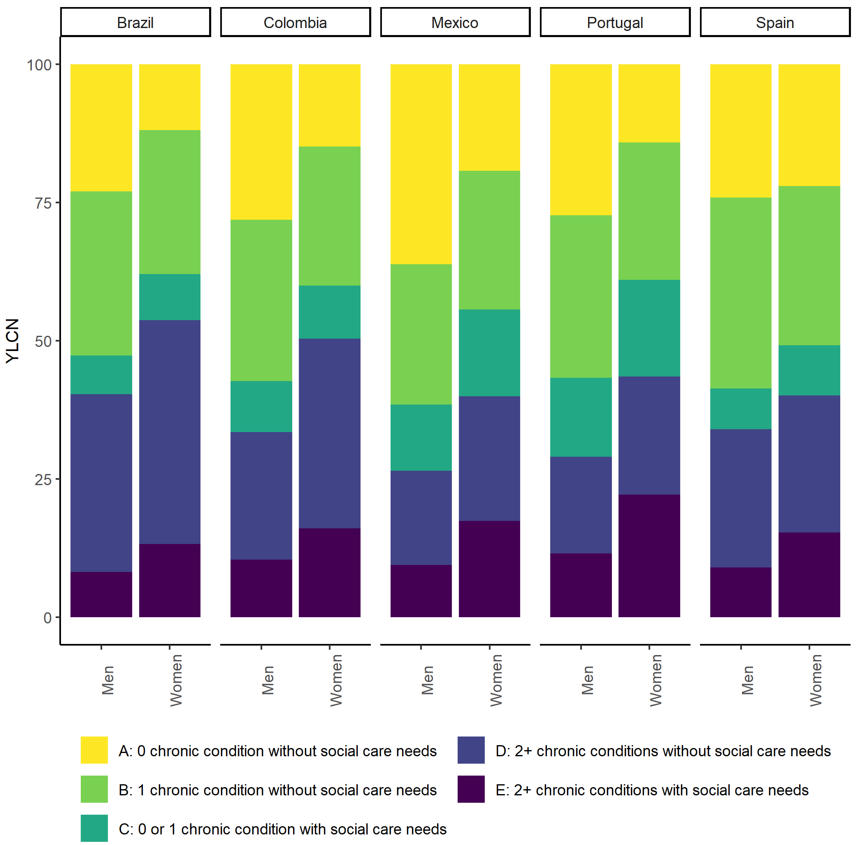
The Years of Life Expectancy with Care Needs (YLCN) allow cross-country comparisons of the average years individuals are expected to live in states combining healthcare & social care needs.
👉 New paper by Calderón-Jaramillo, Spijker, Rentería & Alves
🔗https://t.co/4mIWs5t54v
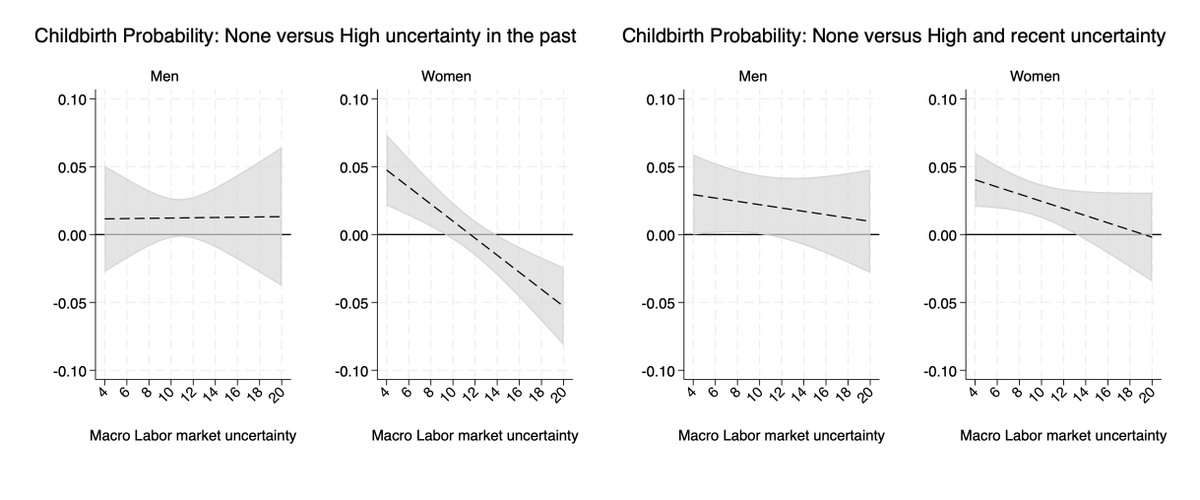
When uncertainty strikes, even a secure environment shakes: the childbearing advantage of secure employment fades once uncertainty enters one’s social context.
👉 New paper by Comolli & Albertini available on Genus!
🔗https://t.co/NMBZM1Gf0C
New study on divorce by Einio & Ponkilainen shows that women divorcing men face larger losses in homeownership & in retaining the marital home than both their former husbands and women divorcing women.
🔗https://t.co/ECYK1Rbzzi
PS. Happy New Year! 🥂
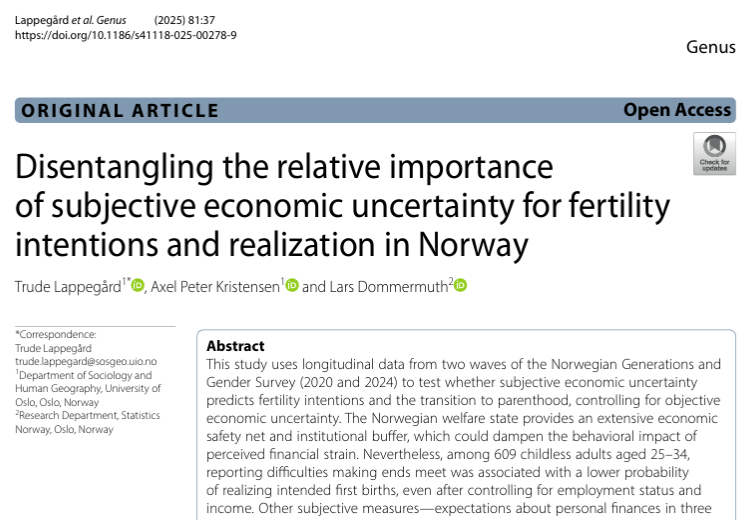
🔥New paper by @trudelapp, @AxelPKristensen & Dommermuth
👉The authors use GGS data to show that reporting difficulties making ends meet is linked to a lower probability of realizing intended 1st births, net of employment status and income, in Norway.
🔗https://t.co/EXDWmwPmjp
📣 New paper by @agnevitali & M. Juni!
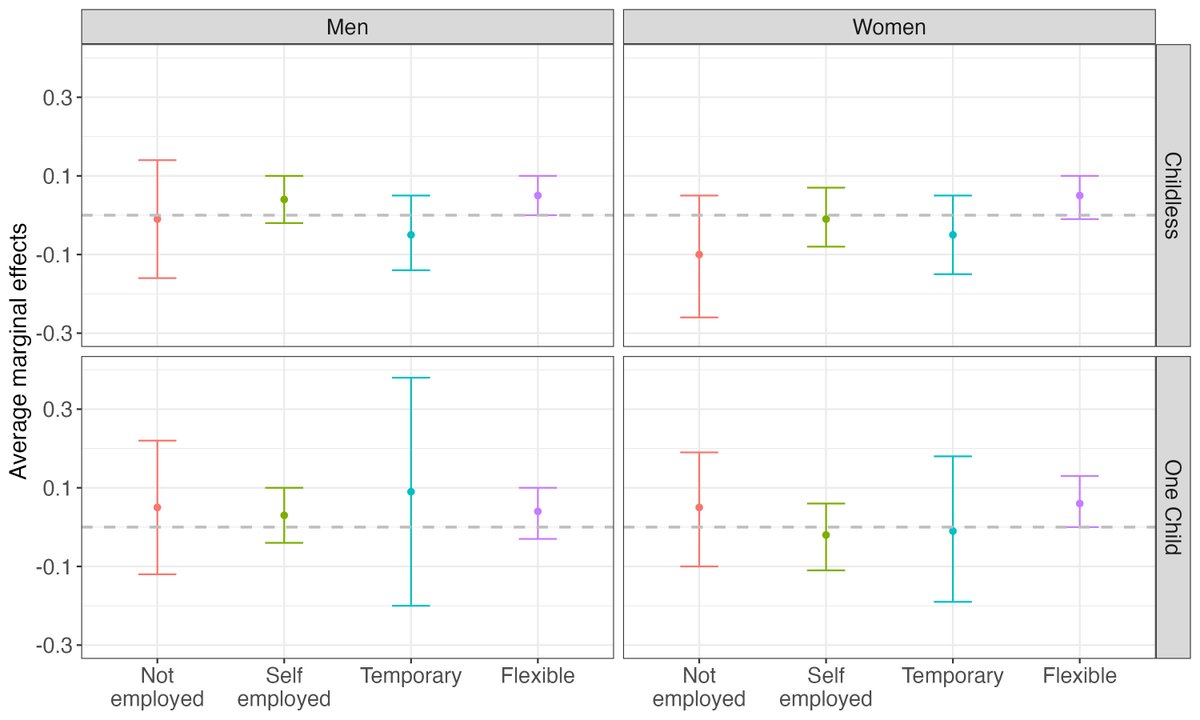
👉 Workplace-based family-friendly policies matter: flexible working arrangements are positively associated with #fertility intentions in Italy.
🔗 https://t.co/uHykHRcpfC
New in GENUS: how does parental relationship quality affect child wellbeing in step- vs. nuclear families? - By Wagner, @stefaniapmolina, @e_alonsop & @MKreyenfeld.
🔗https://t.co/qiZRiRliO2
New paper out in GENUS!
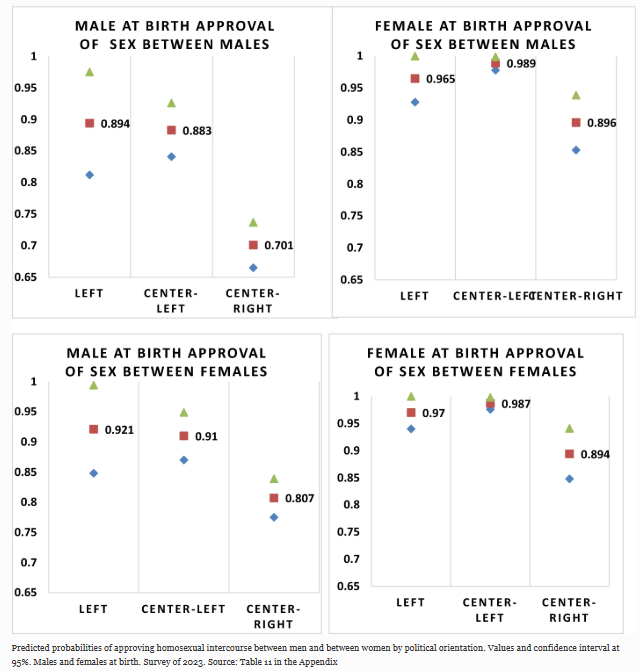
👉 "A recent fast change: diffusion and acceptance of homosexuality among university students in Northern Italy during the twenty-first century" - by Castiglioni, Dalla Zuanna & Colombo.
Available #openaccess here:
🔗https://t.co/35eOUBEwMj