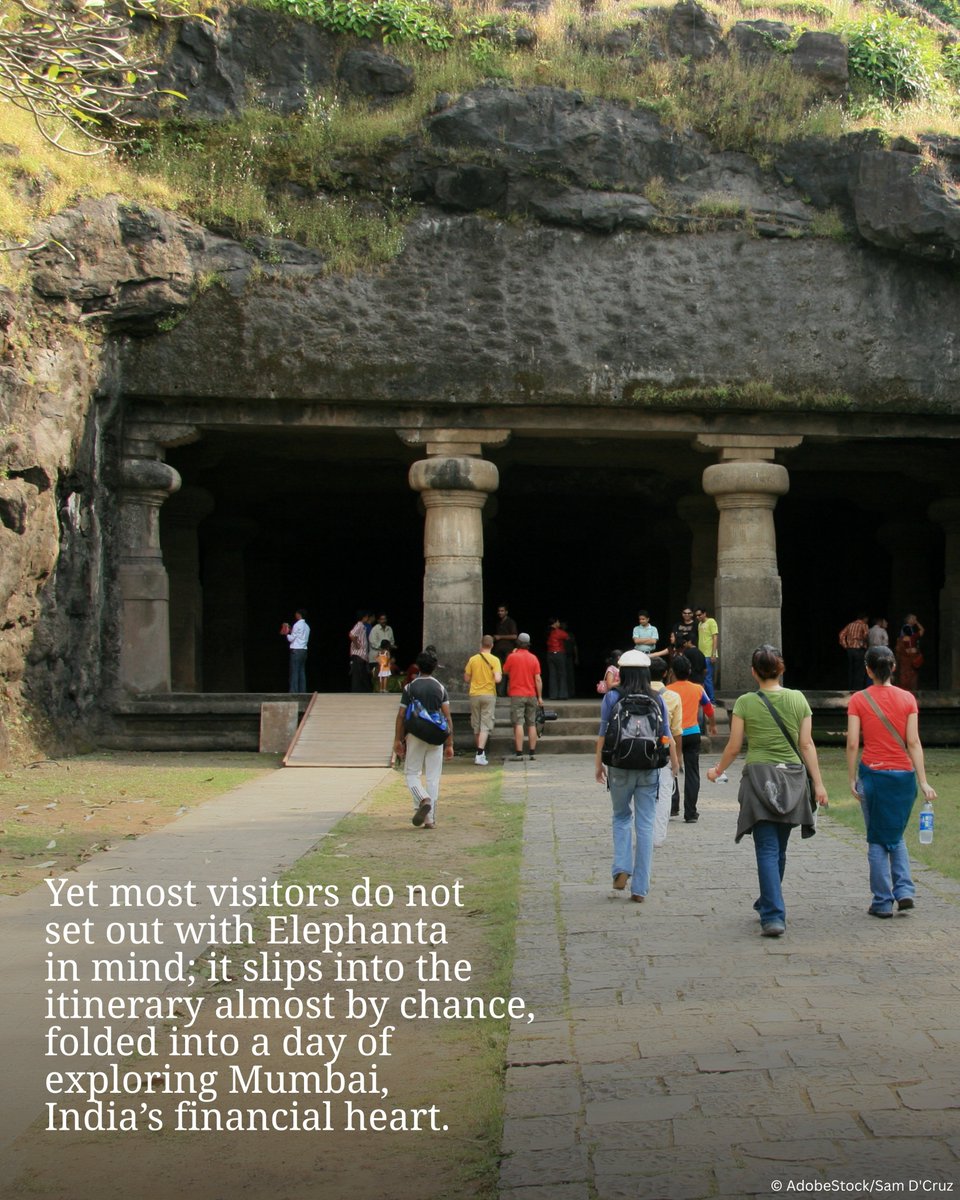
For some, it becomes a quiet counterpoint to the city’s rush—a slow boat ride from the bunder, a pause for vada pav, and time with fishing families and traders who keep the island’s everyday rhythms alive while guiding visitors through the caves.
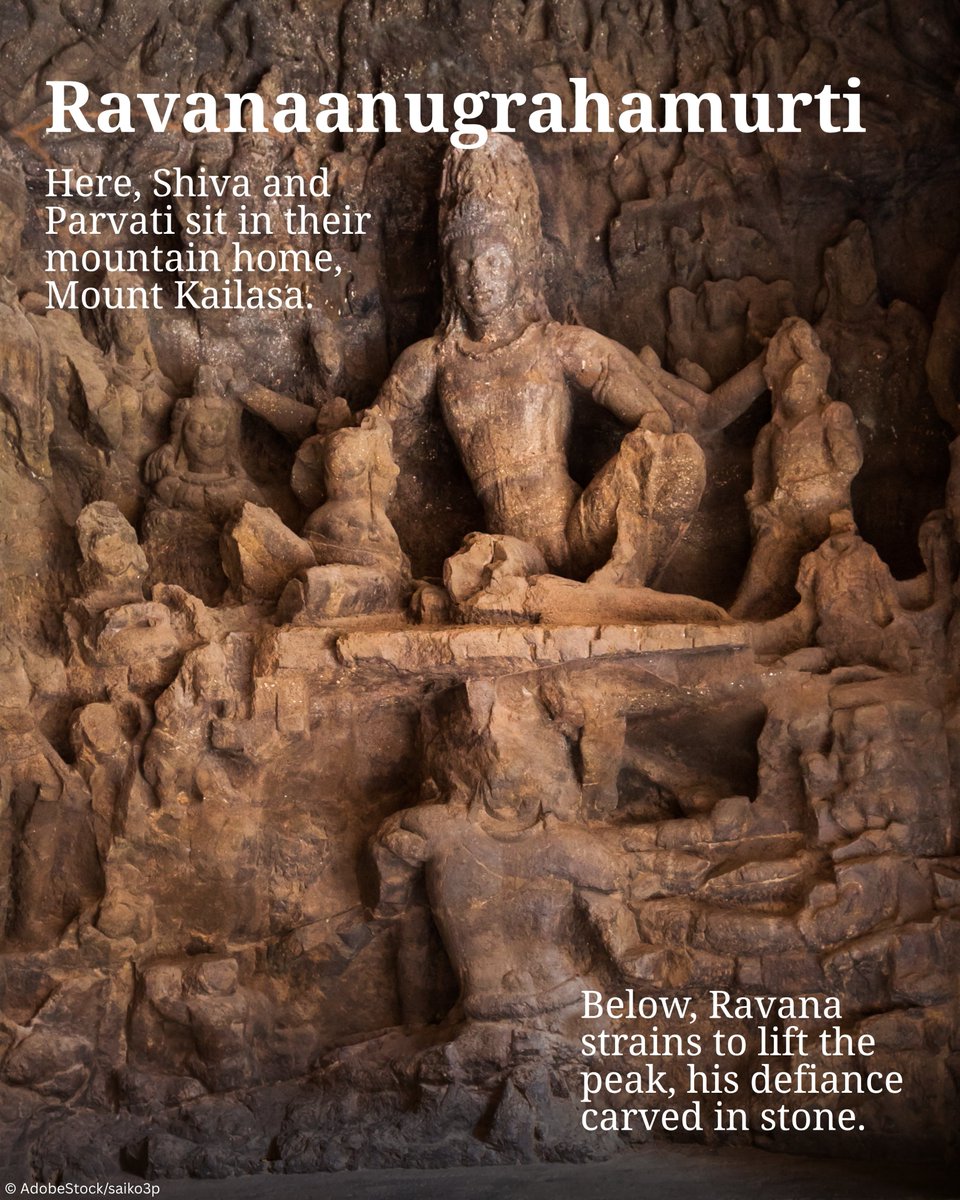
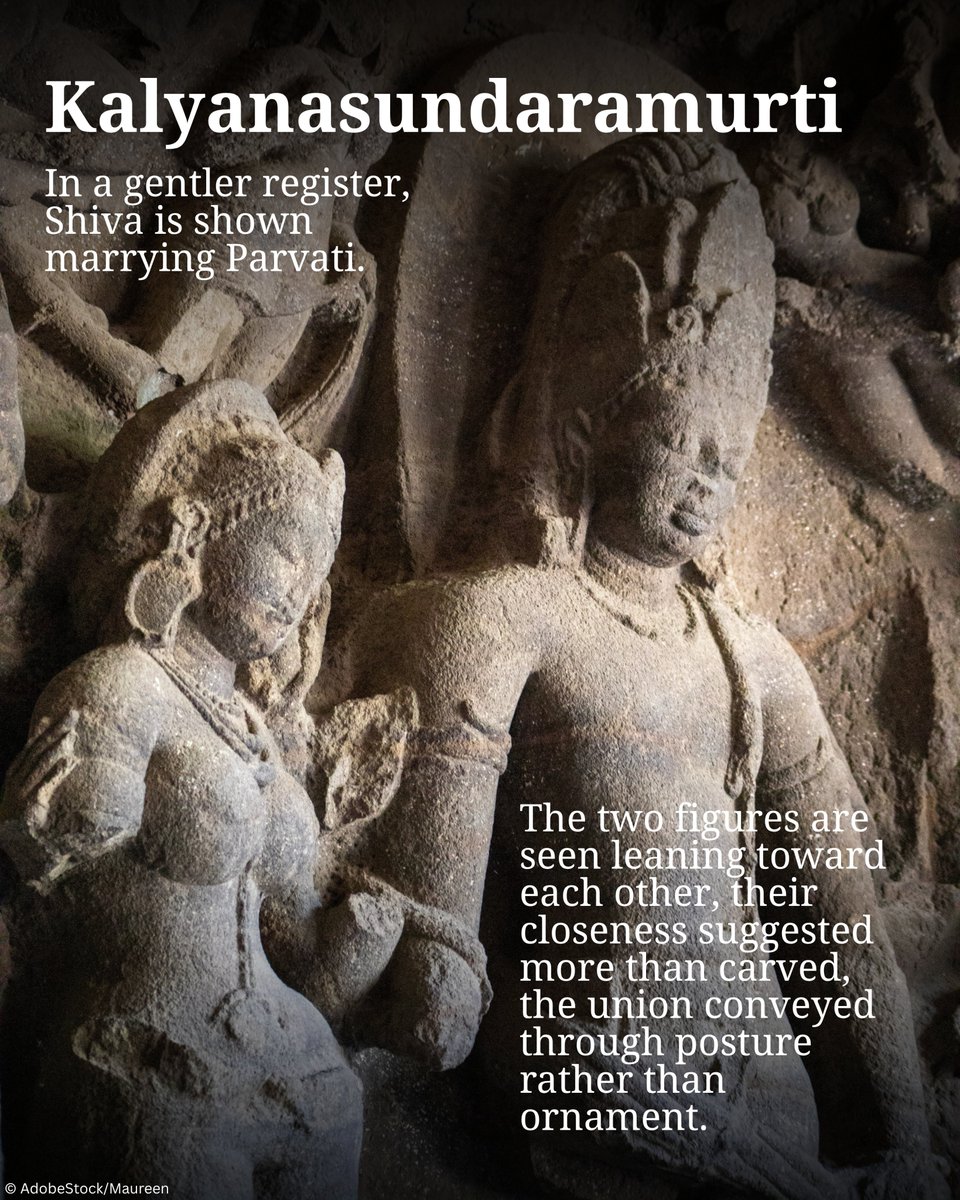
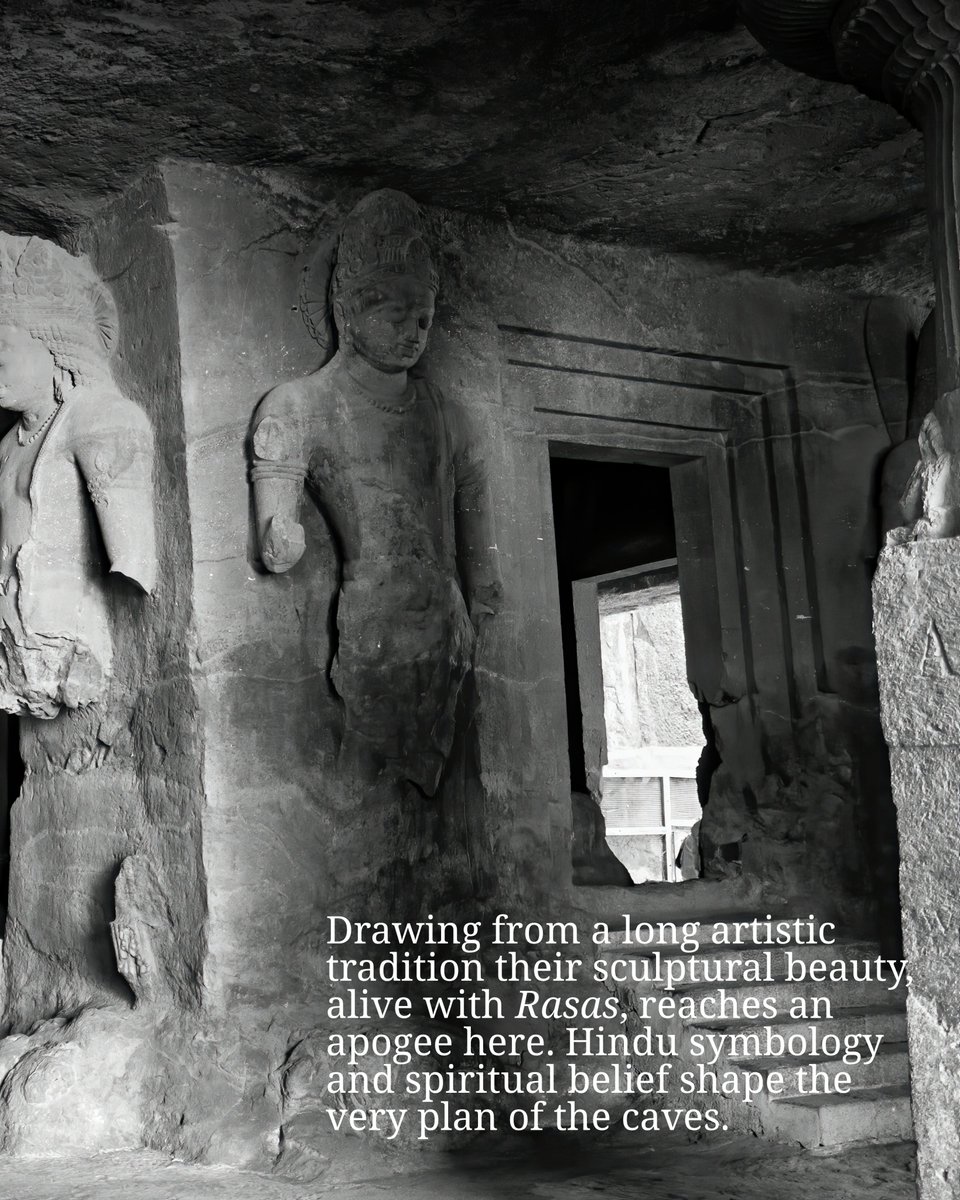
Carved in the mid‑5th to 6th centuries CE, these rock‑cut caves gather a collection of art linked to the cult of Shiva, where Indian art found one of its most perfect expressions, especially in the huge high reliefs of the main cave.
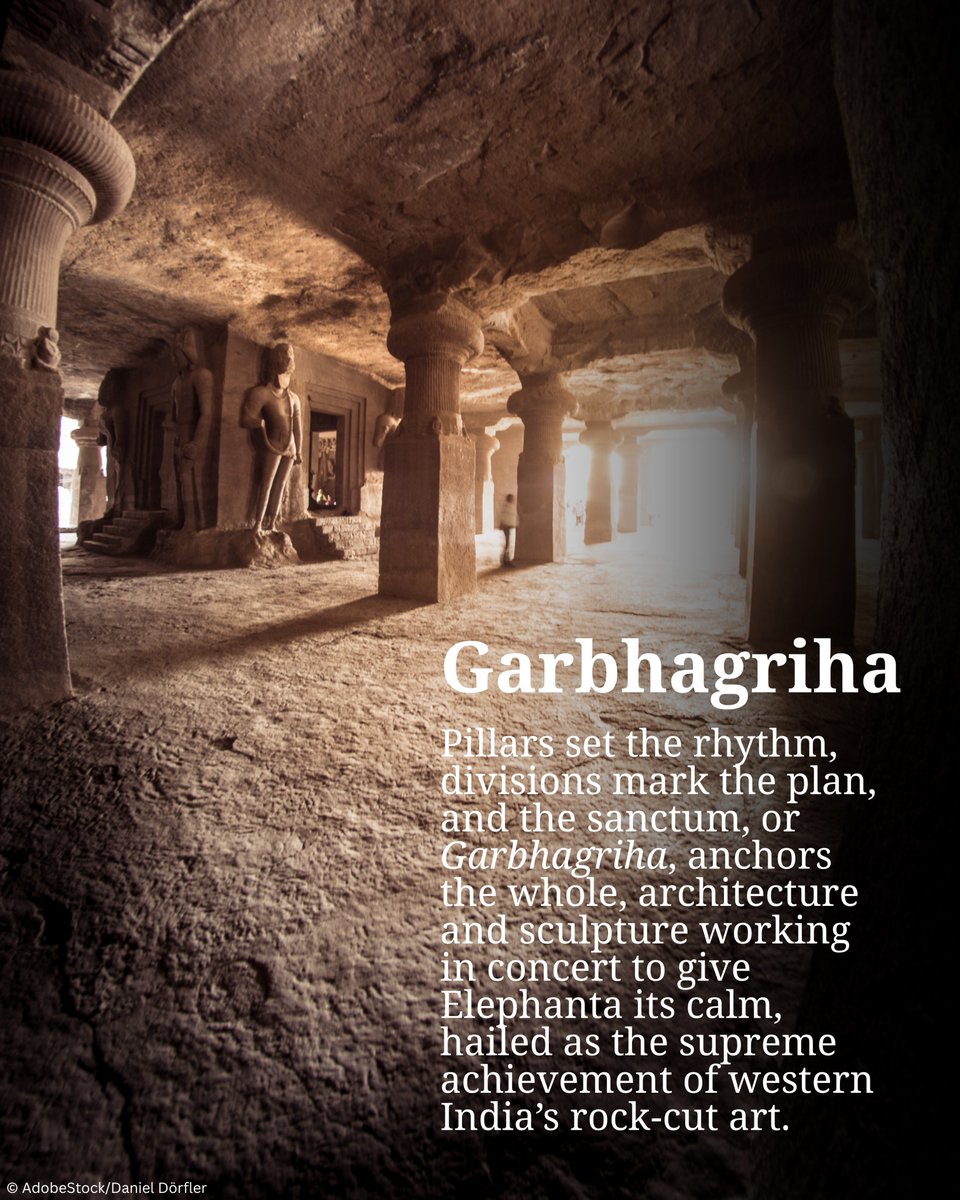
The layout itself is a milestone: rows of columns, carefully divided spaces, and a sanctum anchors the plan, blending aesthetic beauty with Hindu spiritual symbolism.