She had no money, no connections, and no business background.
Just a mop, an idea and the courage to begin.
Joy Mangano's story is a reminder that success starts with one small, fearless step.
read here: https://t.co/vhm4ilN7Cl
#PersonalFinance#growth#inspiration#tinystep
9. Try a no-spend day – A day when you spend nothing on unnecessary items. Mark a day of the week and make it a weekly routine. Again be mindful what you classify necessary.
8. Set a weekly spending limit for non-essentials – Be mindful of what you classify essentials and non-essentials. Ask yourself, do I really need this?
6. Count your paid subscriptions – Cancel the ones you no longer use. You will be surprised at the amount of money you are spending just because there is resistance in cancelling the subscriptions
5. Talk about money – Yes really! Discuss things you don’t understand with your friends and family. You may find others sailing in the same boat as your or perhaps you may get an insight. You won’t know until you talk.
4. Automate small savings – Extension of point no. 2. If you find it difficult to remember to put aside funds, automate it using your netbanking or mobile banking. Most banks give you the option to do a monthly transfer to a different account.
3. Pick a finance term a week – Big finance terms scare you? They are just words with fancy definitions. Explore one term each week and slowly you will become comfortable with them
2. Just watch your money flow – Make a note of all the money that comes in and goes out. No judgement, no guilt—just awareness. This will show you where you stand.
1. Start s small safety fund – It can be in the form of a drawer at home where you can stash the extra cash or a new savings bank account where you transfer a tiny sum each time you get your salary
Money feels overwhelming? You don’t need to know everything to start. Just take one small step—track your spending, save a little, or learn one new term. Confidence follows action.
I wrote a post on making money simple. Check it out! [https://t.co/3CC2MPw3eh] #MoneyMadeEasy
In 1998, Ford told Ratan Tata, “You don’t know anything about making cars.” A decade later, Tata bought Jaguar Land Rover from them. Never let doubt stop you. Stay the course. #Persistence#RatanTata
Trust the Jouney https://t.co/fTfRf9Nek3
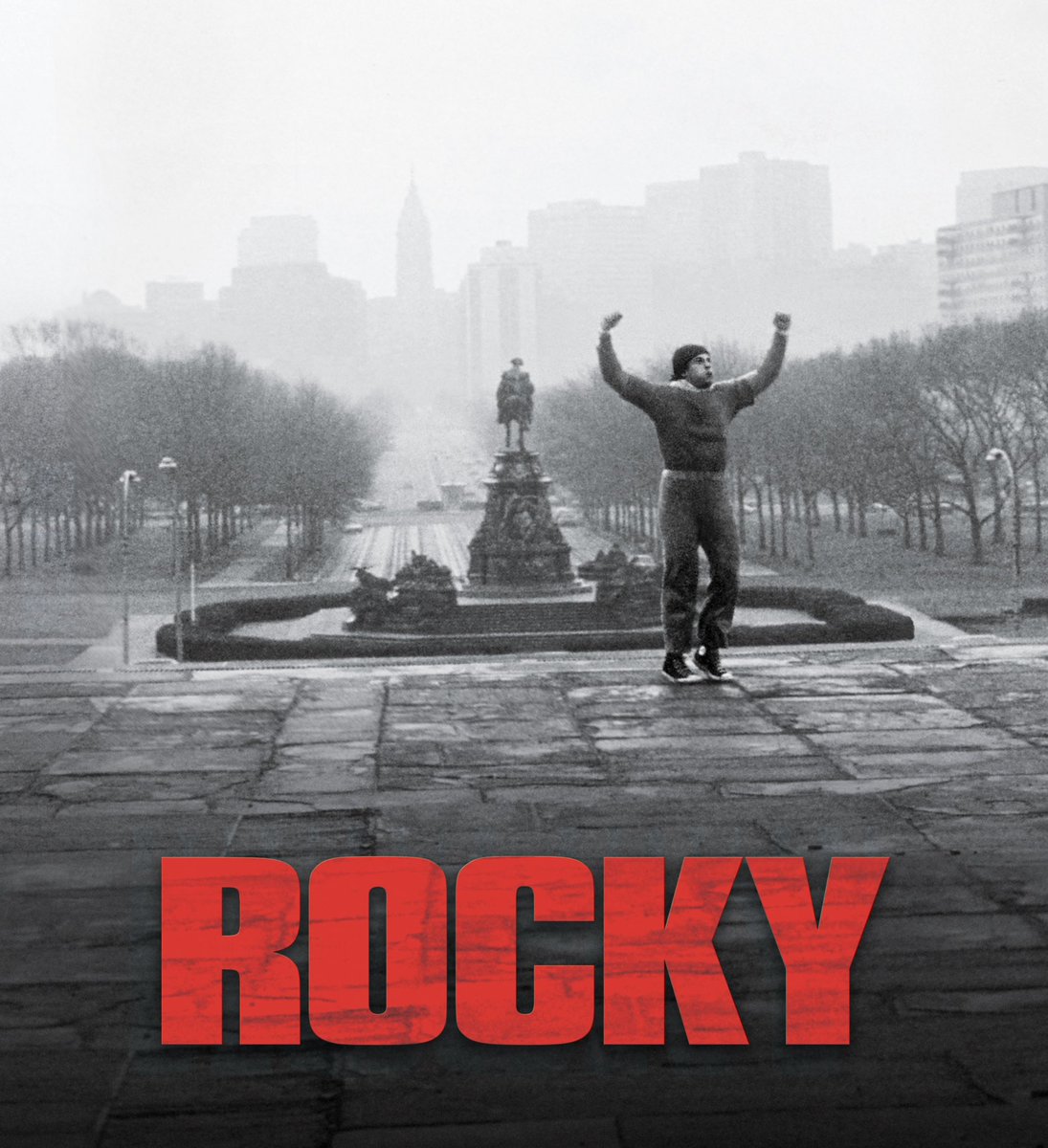
In 1975, Sylvester Stallone wrote the screenplay for "Rocky."
He shopped the script to every producer and studio in Hollywood, but he was repeatedly rejected.
Eventually, one production company, Chartoff-Winkler Productions, expressed interest.
But there was one condition...
They didn't want Stallone to play Rocky.
They wanted a "more marketable actor" for the leading role.
In fact, they were so desperate for Stallone to *not* play Rocky that they kept offering him increasingly large sums of money to go away.
"It went up to $360,000," Stallone said, "to go away, to 'get off my lawn boy.'"
Stallone didn't take the money for 2 reasons:
1) “I had learned to manage on very little money,” Stallone said. “I had it down to a science. I really didn't need much to live on.”
“But more than that...”
2) “There was something about the idea of unrealized dreams,” Stallone said. “I knew that if I sold the script—even for $500,000—I knew that after the money was gone, I would have become very bitter if I never realized my dream.”
Takeaway 1:
“The trick is,” Tom Rothman (CEO of Sony Pictures Motion Picture Group) says, “to be fiscally responsible so you can be creatively reckless.”
Hollywood is a ruthless business. If Rocky failed, that likely would have been the end of Stallone’s acting career.
But because he had his fiscal responsibilities down to a science, Stallone could make the reckless decision to turn down the money and gamble his career on Rocky.
Takeaway 2:
Stallone turned down the money because he feared the bitter person he would have become if he never went for his dream.
The screenwriter Brian Koppelman (Rounders, Ocean's Thirteen, Billions, etc.) talks about why, after many years of putting it off, he finally started writing:
“What I finally realized was that if I allowed these creative impulses to die, it would be like a real death, and like any form of death, it would be toxic and this toxicity would ooze out of me onto everyone and everything.”
- - -
"If you don’t take money, they can’t tell you what to do, kid…Money’s the cheapest thing. Liberty, freedom is the most expensive.” — Bill Cunningham
Follow @bpoppenheimer for more content like this!