New open-access corpus! The Mandarin–English Language Interview (MELI) Corpus contains high quality acoustic data from interviews focused on language ideology w/ 51 bilingual speakers. Interviewee speech has been fully transcribed and force-aligned. https://t.co/WeVuVBKGoX
Version 1.0 of the Grammaticon is now finally online! Quite a few of the entries are still preliminary, but I hope to expand and improve it over the coming months and years. Comments are welcome! An intro text is here: https://t.co/XCsLeUl04g
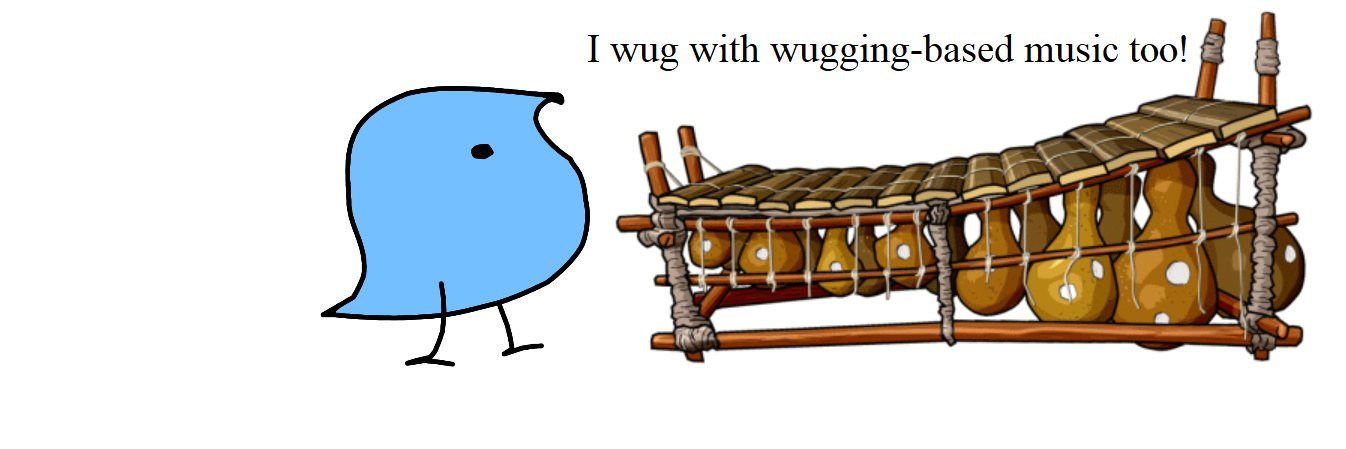
@cobbaltt@avzaagzonunaada All the ideophones we collected were targeted for verb derivation. Therefore, there is reason to believe that the majority of ideophones can undergo verb derivation. Also, the open-class lexical items in include both ideophonic and non-ideophonic forms (see this image).
Looking for opportunities in linguistics? Visit the LSA Job Board for the latest job postings & professional opportunities across the field. Whether you’re searching for your next role or ready to share your work, the Job Board is a great place to start. https://t.co/drgN5dKVIK
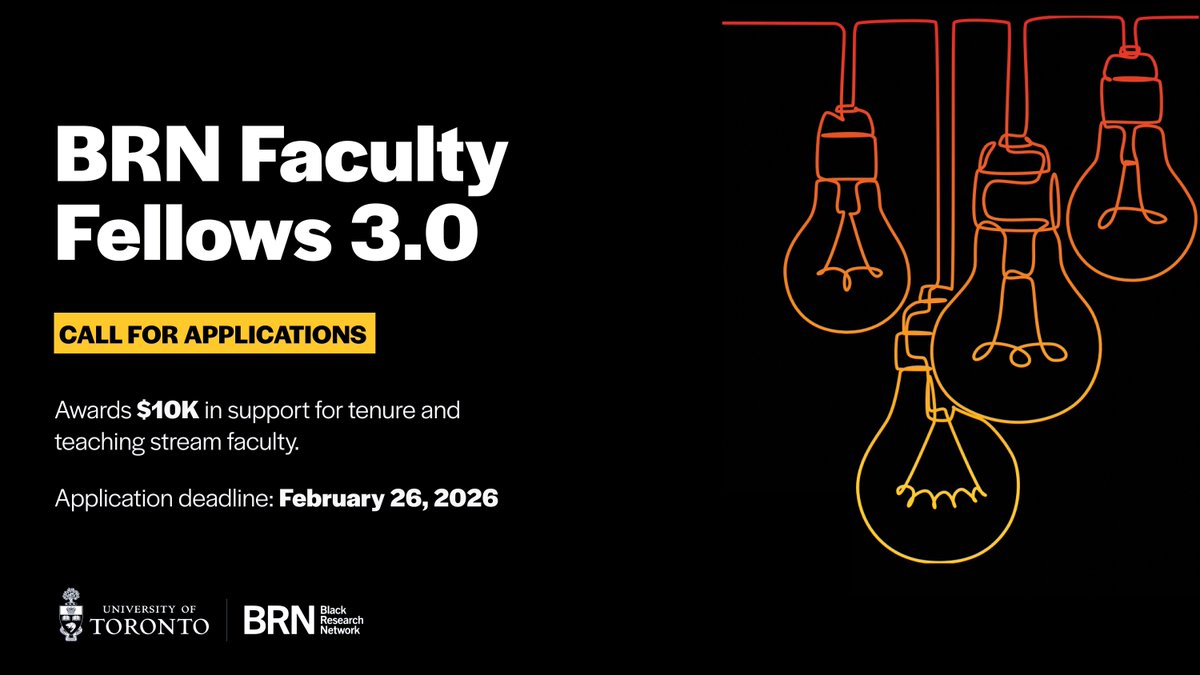
💡 Applications open: BRN Faculty Fellowship 3.0!
Advance your scholarship in any discipline and share knowledge across @UofT and beyond. $10K awards available for tenure and teaching-stream faculty. Apply by Feb. 26: https://t.co/4jH2mUmChG #UofT#BlackResearchNetwork
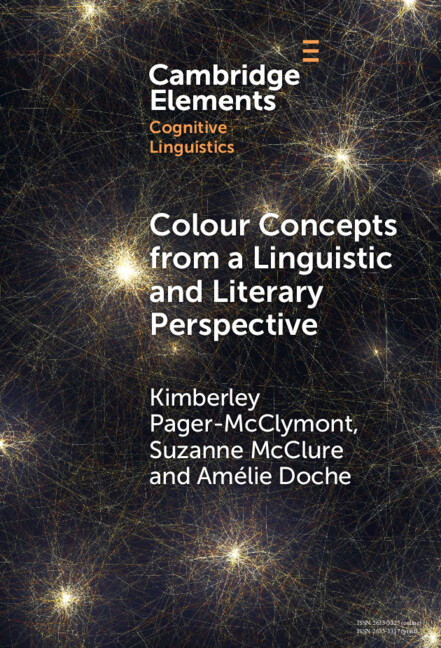
New Cambridge Element, Colour Concepts from a Linguistic and Literary Perspective, by Kimberley Pager-McClymont @kpager1, Suzanne McClure @Modernist_Lit and Amélie Doche @LaDoche, out now! Read for free for the next 2 weeks at
https://t.co/Mcf6drWk5Z
#languageandlinguistics
Literature and Art as Cognitive Objects by Patricia Kolaiti
Bringing together ideas from linguistics, philosophy and cognitive science, this book sets out a revolutionary theory of literature and art.
📚 https://t.co/B9cLbmtkdN