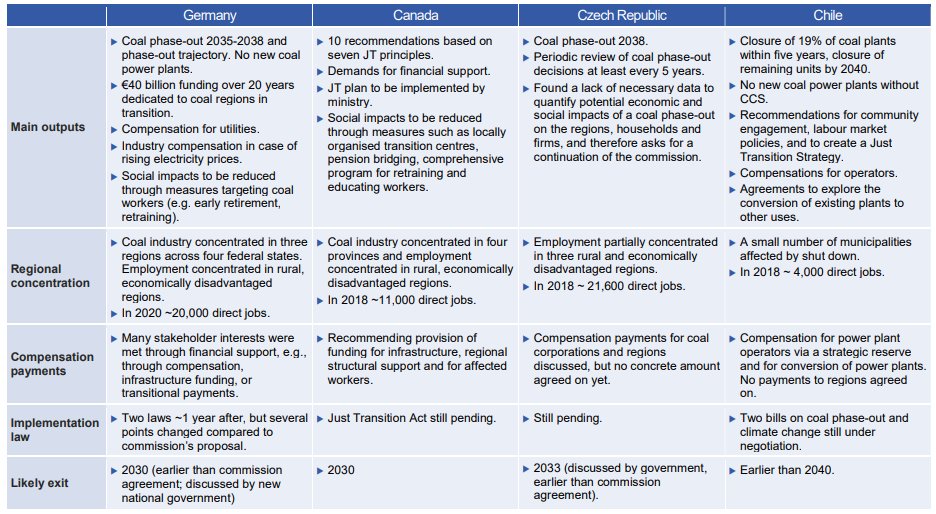
📢We are excited to announce that our paper titled “Overcoming political stalemates: The German stakeholder commission on phasing out coal”, an output of the #CINTRAN project, is published #openaccess in #ERSS :
https://t.co/7DrhPs029u
Unroll 🧵
How to resolve car dependency, transport-induced inequity, car traffic externalities, and public health issues, while saving energy, materials, and emissions? --> Sufficiency in passenger transport. This is no lifestyle trend, but a systemic transformation.
❗️Wir freuen uns, die Ausschreibung für drei neue Promotionsstipendien der Reiner Lemoine Stiftung im Graduiertenkolleg bekannt zu geben! Eine 4-jährige Forschungsfinanzierung sowie Mittel für Konferenzen, Reisen sind inklusive. Bewerbt euch.👩🎓 https://t.co/IB00QWLDjQ
Neue Kurzstudie erschienen:
"Stromnetze in der Gaskrise - Der Einfluss von elektrischen Heizgeräten auf deutsche Verteilnetze"
Zur Studie: https://t.co/wlEIf56egL
Ergebnisse im Thread 👇
#blackout
(1/5)
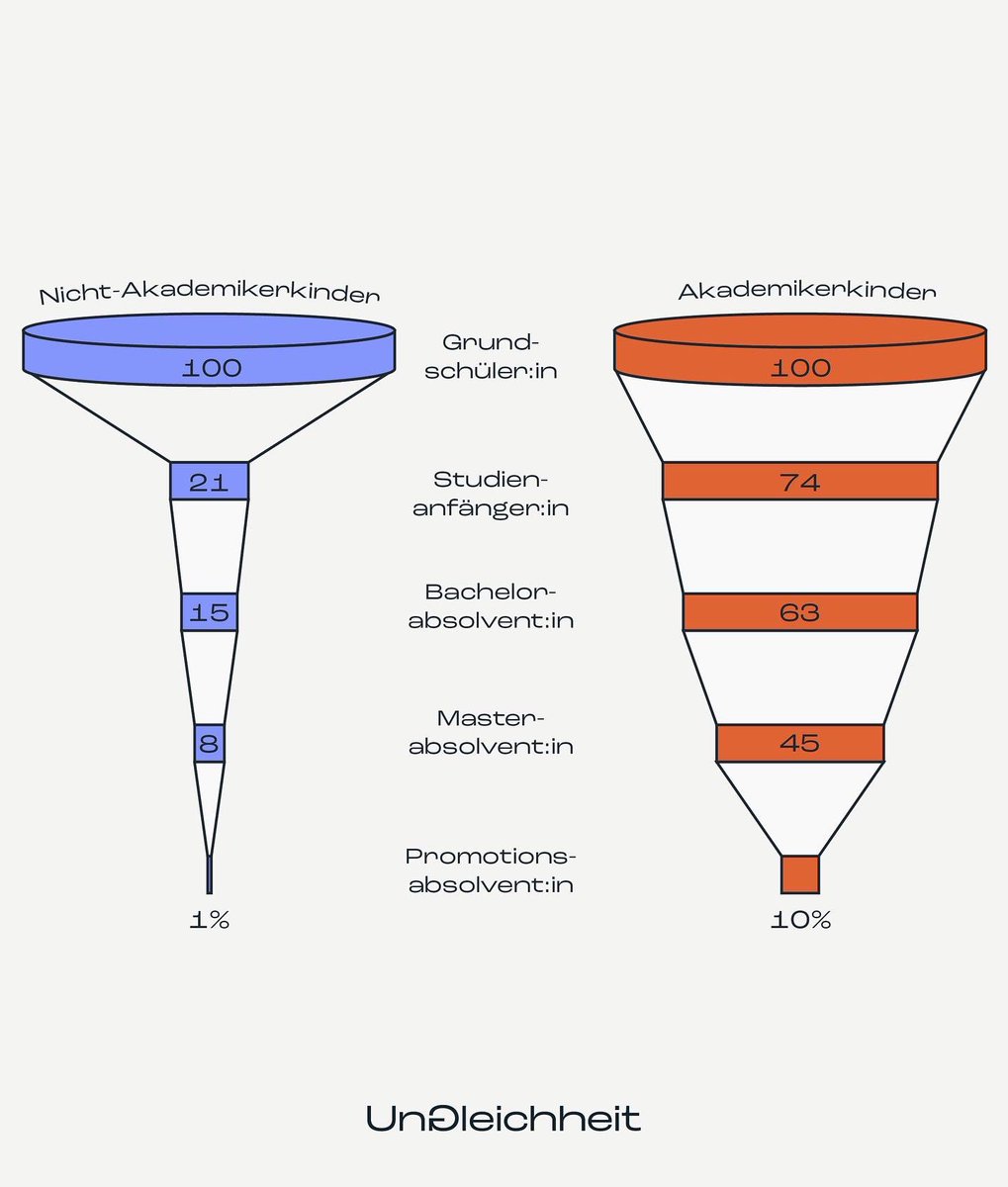
Jeder ist seines Glückes Schmied? #Chancengleichheit? Soziale Mobilität? Leider nein. In kaum einem anderen Land ist die soziale Herkunft so wichtig wie in D: 74% der Akademikerkinder gehen zur Uni und nur 21% der Nicht-Akademikerkinder.
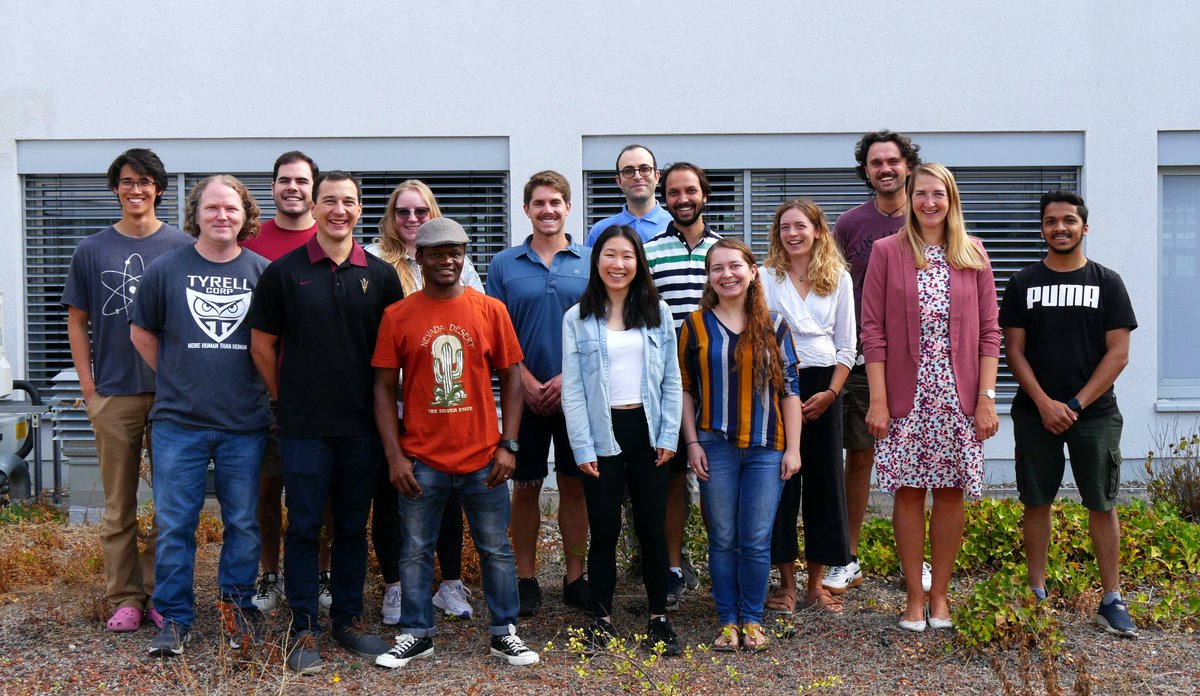
😀Smiling faces: A big welcome to the participants of this year’s summer school as part of our #CBEAR+ project. Students from the 🇺🇸 and 🇩🇪will work together on the topic of “#Transforming#Energy Systems on #Islands and in a #Development Context”. More👉https://t.co/HlELlFC63u
Have you ever wondered about different experiences of #coal commissions in 🇩🇪🇨🇦🇨🇿🇨🇱 or similar approaches in 🇪🇸🇿🇦 ?
Read our newest @CoalTransitions policy brief 📰 that looks at similarities & differences and gives recommendations for future transitions
https://t.co/BxLwQ9yPQP
Conclusion: If models can depict social realities of the energy transition better, they will be even more important support tools for the transition to a climate-neutral energy system.
Thank you for the great collaboration @IASS_Potsdam, @RL_Institut, @CoalExit, @RL_Kolleg (7/7)
Our new publication on “Modelling social aspects of the energy transition: What is the current representation of social factors in #energymodels?” is out now. @digreenenergy @PhilBlech
https://t.co/Y8GxLPwMaD
See the thread for main findings⬇️ (1/7)
We conclude that integrating social aspects in energy models is far from being standard and common practice, but approaches exist on how to model behavioural and social aspects of the energy transition. We see different ways to advance the integration of social aspects: (6/7)
Morgen ist der globale Klimastreik und wir sind auch dabei! Macht auch mit - vor Ort oder digital.
#NoMoreEmptyPromises!
#AlleFür1Komma5
https://t.co/9tBR97QJTt