Survivor (literally). May all aspects of the precious spirit of Awakening that are not born, be born in us! May those born without deteriorating, develop more
Dzogchen (རྫོགས་ཆེན་)
rdzogs – perfection/completion
chen – great
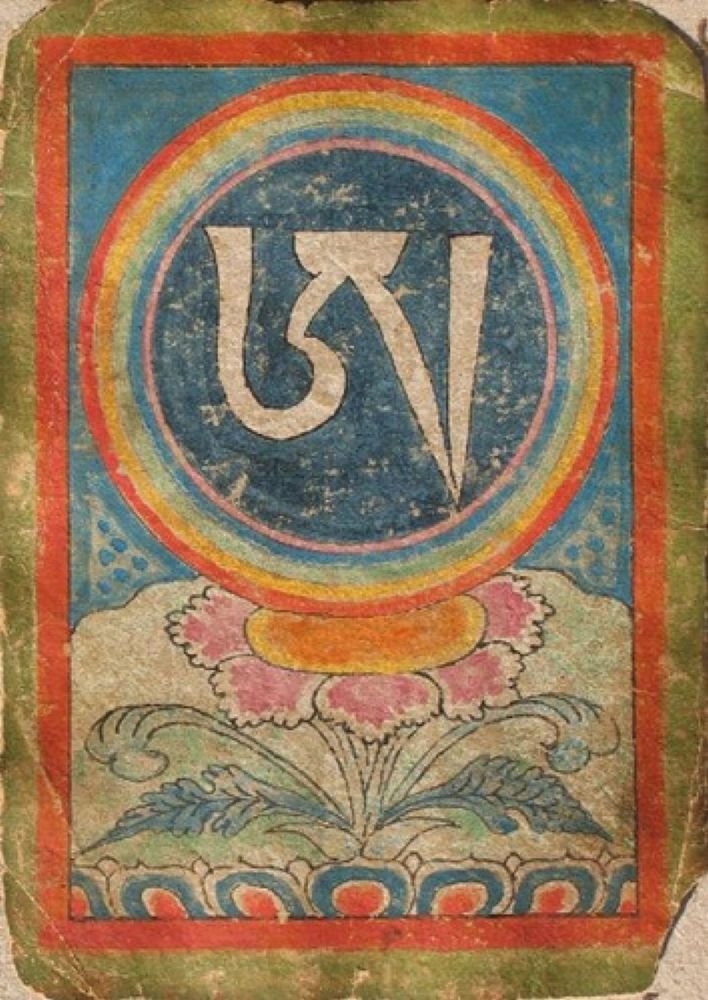
The Rainbow Spectrum represents the "five pure lights," symbolizing the radiant nature of the mind.
The central character "A" (ཨ) signifies the primordial state, non-duality, and the unborn nature of reality.
Gang Rinpoche (གངས་རིན་པོ་ཆེ།) in Tibetan.
Gang Ti-sé (གངས་ཏི་རྩེ།) in Zhangzhung meaning ‘water peak’.
Gang Rinpoche is one of the most sacred mountains in Ngari, Tibet, venerated across Tibetan Buddhism, Bon, Hinduism, and Jainism.
Paintings of a goddess and a bodhisattva in the interior of the Stupa. Noticeable is the ancient Kashmiri Buddhist art influences.
Tholing Monastery (མཐོ་ལྡིང་དགོན་པ་), Ngari, Western Tibet, 11th century CE.
Ngari Song: 'རང་སེམས་བབ་པའི་ཞབས་བྲོ' | Karma Tashi Choejor (ཀརྨ་བཀྲ་ཤིས་ཆོས་འབྱོར།)
Featuring the Tibetan Dramyen (སྒྲ་སྙན་), Rongchung(རོང་ཆུང་) tribe women, and men in royal Gochen Chubas (གོས་ཆེན་ཕྱུ་པ།). Performed in front of historic Tsaparang fortress ruins of Guge Kingdom
Sakya Legshé (ས་སྐྱ་ལེགས་བཤད་), or The Treasury of Good Advice, is one of the great classics of Tibetan Literature composed by the scholar Sakya Paṇḍita in the 13th century.
The text consists of poetic aphorisms and witty verses that emphasize wisdom, moral values, and ethics.
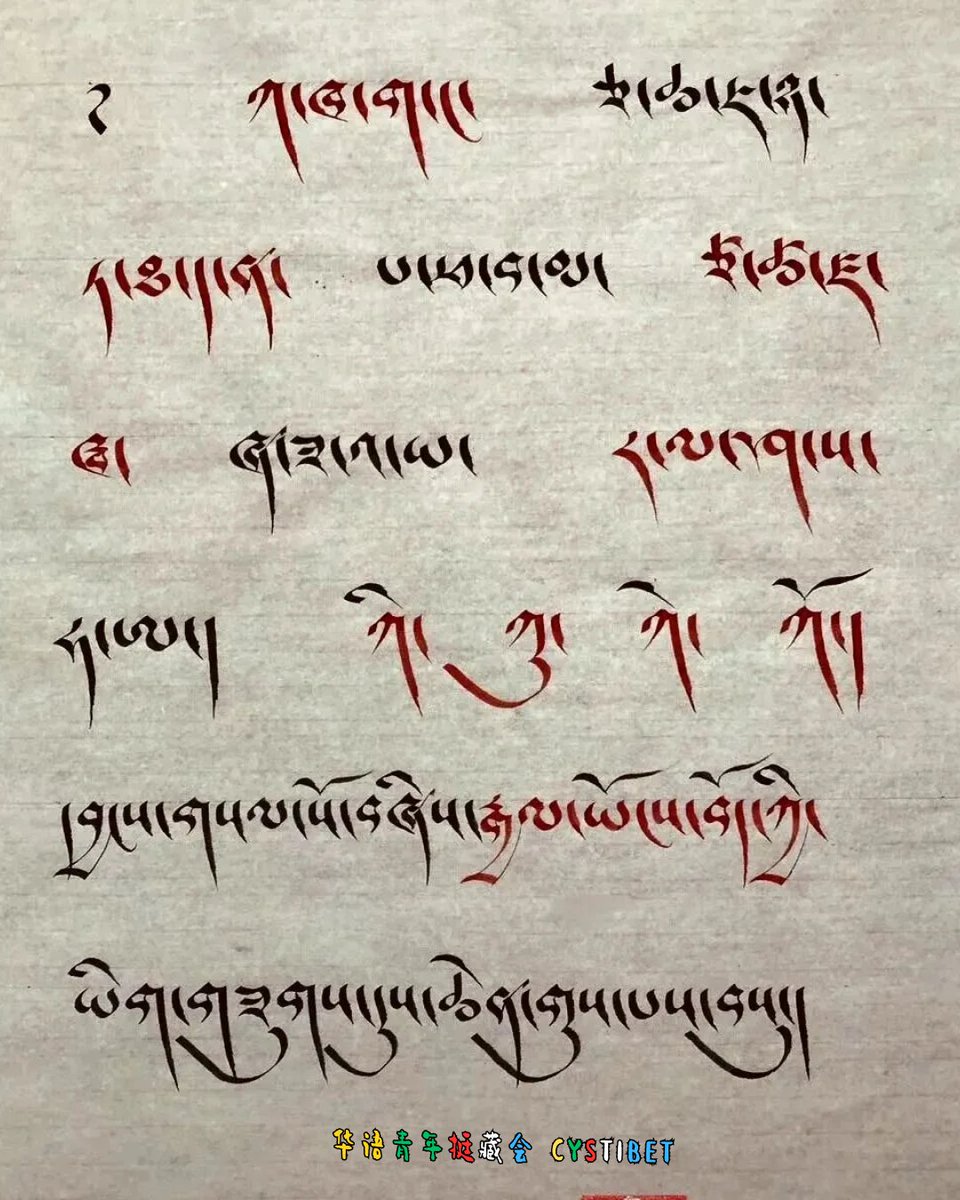
Tibetan calligraphy is an important part of Tibetan cultural art. In the 7th century AD, during the reign of Songtsen Gampo, the Tsampo (king) of the Tibetan Empire, his minister Thonmi Sambhota built upon the existing script and, drawing on the strengths of various ancient Indian writing systems while integrating Tibetan culture, created the refined Tibetan script still in use today. Following this, eight great calligraphers emerged, forming eight major calligraphic schools. The calligrapher Chungbu Yuchi scientifically standardized the "Uchen" script, which later became the most widely used typeface and came to be known as "Chungchi."
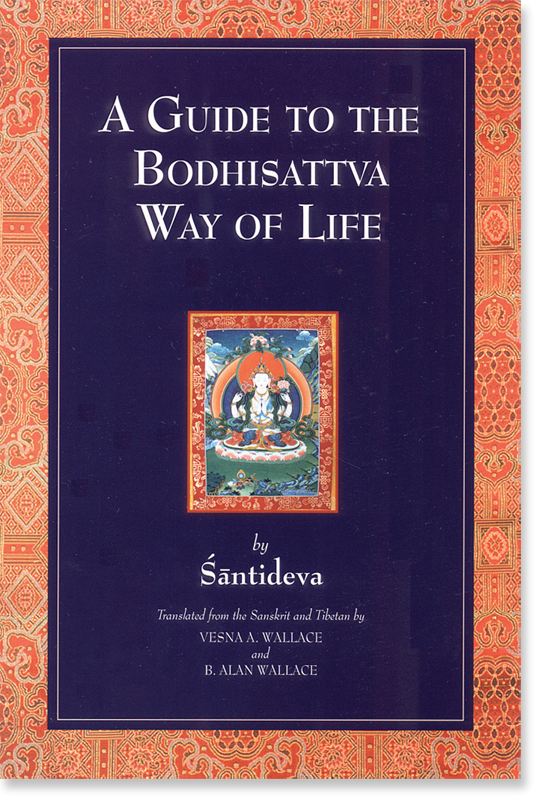
A verse inspired by Shantideva’s Bodhicaryavatara or "Guide to the Bodhisattva's Way of Life"
Chapter 6, Verse 10.
"If there is a remedy, then what is the use of frustration? If there is no remedy, then what is the use of frustration?"
བསོ་ལོ། (Solo Solo) by WINGS
The song blends nomadic vocals with a contemporary pop/rock edge. The lyrics celebrate the beauty and spirit of the grasslands.
About 80% of the Kangyur has been translated into English, with the Tengyur expected to be completed by 2110.
These major Buddhist canons, preserving important sections of human knowledge, exist only in Tibetan language.
https://t.co/knC7gTcH8r
When it comes abt our Rang women’s attire and jewelry gurll, we look like damm queens. The rich fabrics, traditional ornaments, and the whole look carry such elegance and pride. I have both the red and black Chungbala and honestly they look regal and powerful. Our traditional attite is truly unmatched.
In frame Ringshya (Sister) Rhea and her family during her wedding
#uttarakhand #Rangmang #Dharchula
#wedding
This is our Rang tribe theme folk song from our Byangkho region since 1976
lyrics: Dobai ta Tho dangyer khe chant lah kajjyar Mangla-takan-takan Mangla) means look at above to the mountains, how beautiful moon is shining in the sky but still missing you
#folksong#song#himalaya #Dharchula