https://t.co/yC1zjJxbCy
it happens more often than people would think. volcanic lightning occurs in the start of an eruption. #taysci1#volcano#stuscience
https://t.co/YdZtlb2gzH
scientist cant monitor the volcanic eruption, in fact its the other way around. scientist can use lightning to determine eruptions #taysci1#volcano#stuscience
https://t.co/yC1zjJxbCy
it happens more often than people would think. volcanic lightning occurs in the start of an eruption. #taysci1#volcano#stuscience
1. changes such as inflation or ground deformation. scientist look for volcanic activity or earthquakes. they use seismographs that record the length and strength of an earthquake and determine if an eruption is imminent
#taysc1#volcano#stuscience
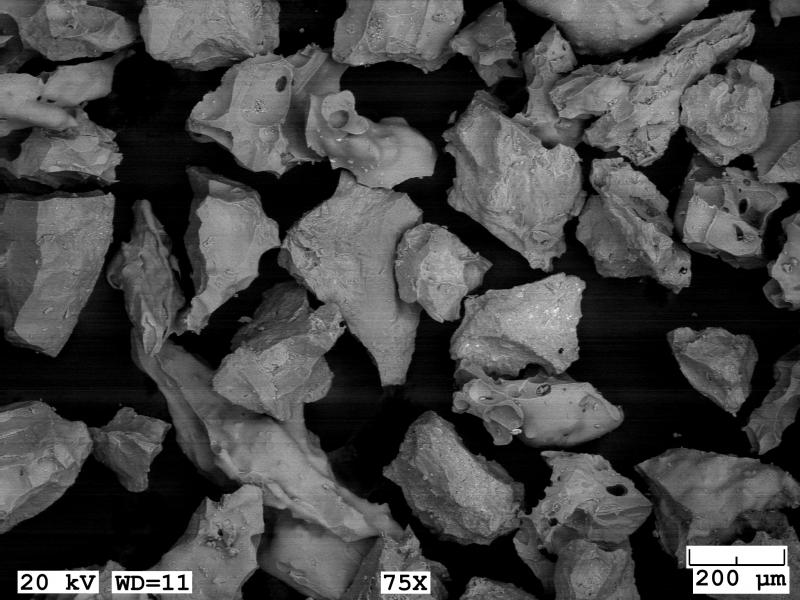
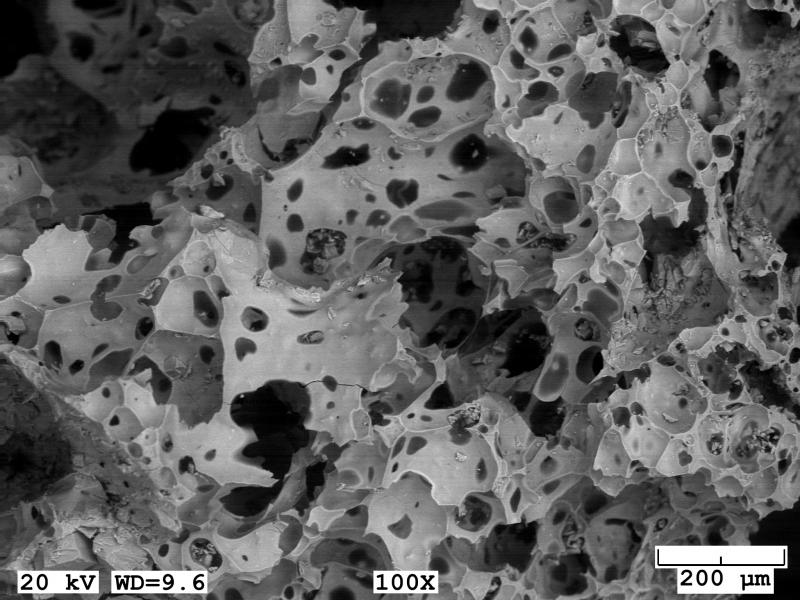
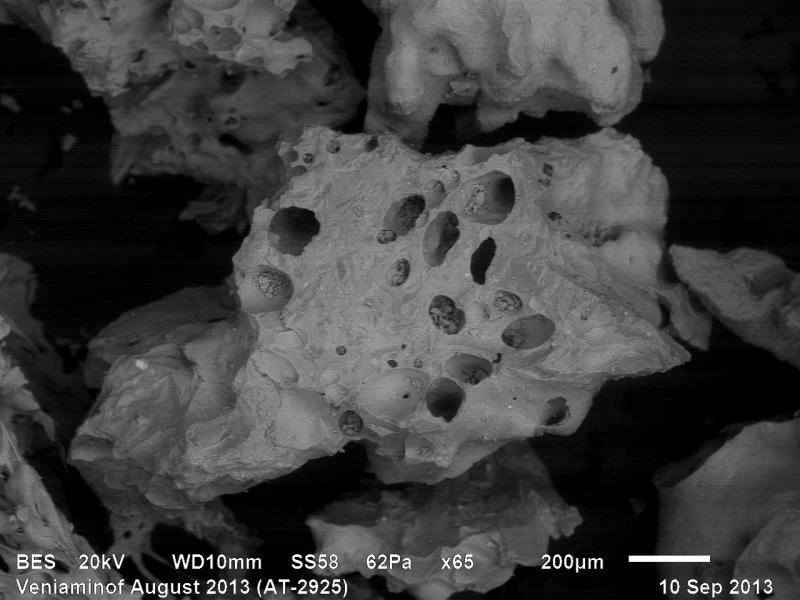
This is what volcanic ash looks like under a scanning electron microscope (SEM). The holes in the glassy bits are from expanding gas as the magma was rising & erupting. From Veniaminof, Alaska. Via @alaska_avo https://t.co/two8FJGrma
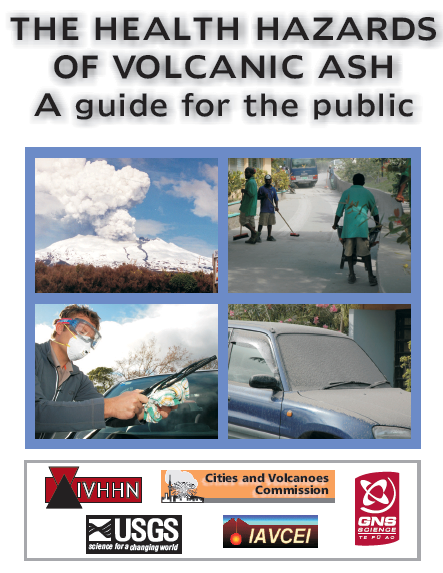
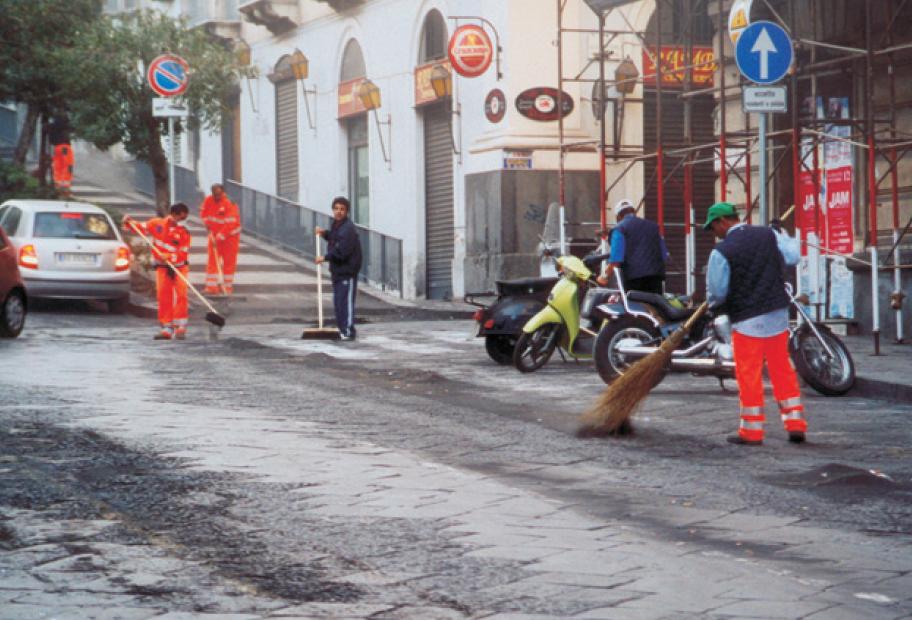
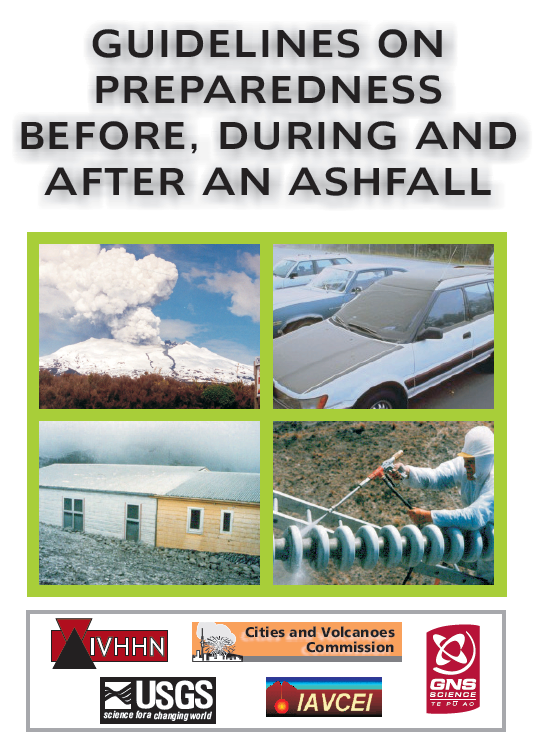
Looking at the images above, you can see why you might not want to inhale volcanic ash. You can find volcanic ash health & safety information here (by the group led by @claire_horwell): https://t.co/vysDfuG4E3