https://t.co/9iI7EUrzHE
Excellent stuff by Zaheem. Interesting and innovative take on what's happening in maritime affairs, both regionally and globally.
#SouthAsia#India#Pakistan#SSBNs#US#Russia#China
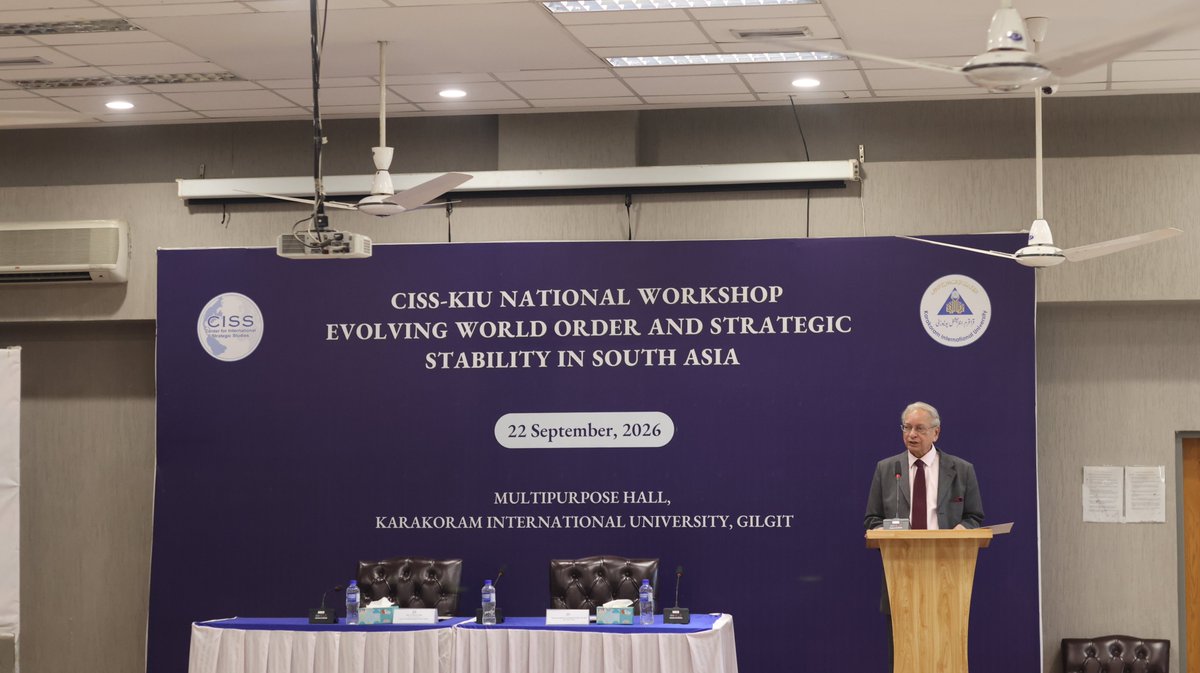
𝐂𝐈𝐒𝐒-𝐊𝐈𝐔 𝐍𝐚𝐭𝐢𝐨𝐧𝐚𝐥 𝐖𝐨𝐫𝐤𝐬𝐡𝐨𝐩 | 𝐄𝐯𝐨𝐥𝐯𝐢𝐧𝐠 𝐖𝐨𝐫𝐥𝐝 𝐎𝐫𝐝𝐞𝐫 𝐚𝐧𝐝 𝐒𝐭𝐫𝐚𝐭𝐞𝐠𝐢𝐜 𝐒𝐭𝐚𝐛𝐢𝐥𝐢𝐭𝐲 𝐢𝐧 𝐒𝐨𝐮𝐭𝐡 𝐀𝐬𝐢𝐚
𝐖𝐞𝐥𝐜𝐨𝐦𝐞 𝐀𝐝𝐝𝐫𝐞𝐬𝐬, 𝐀𝐦𝐛. 𝐀𝐥𝐢 𝐒𝐚𝐫𝐰𝐚𝐫 𝐍𝐚𝐪𝐯𝐢
𝐄𝐱𝐞𝐜𝐮𝐭𝐢𝐯𝐞 𝐃𝐢𝐫𝐞𝐜𝐭𝐨𝐫, 𝐂𝐈𝐒𝐒
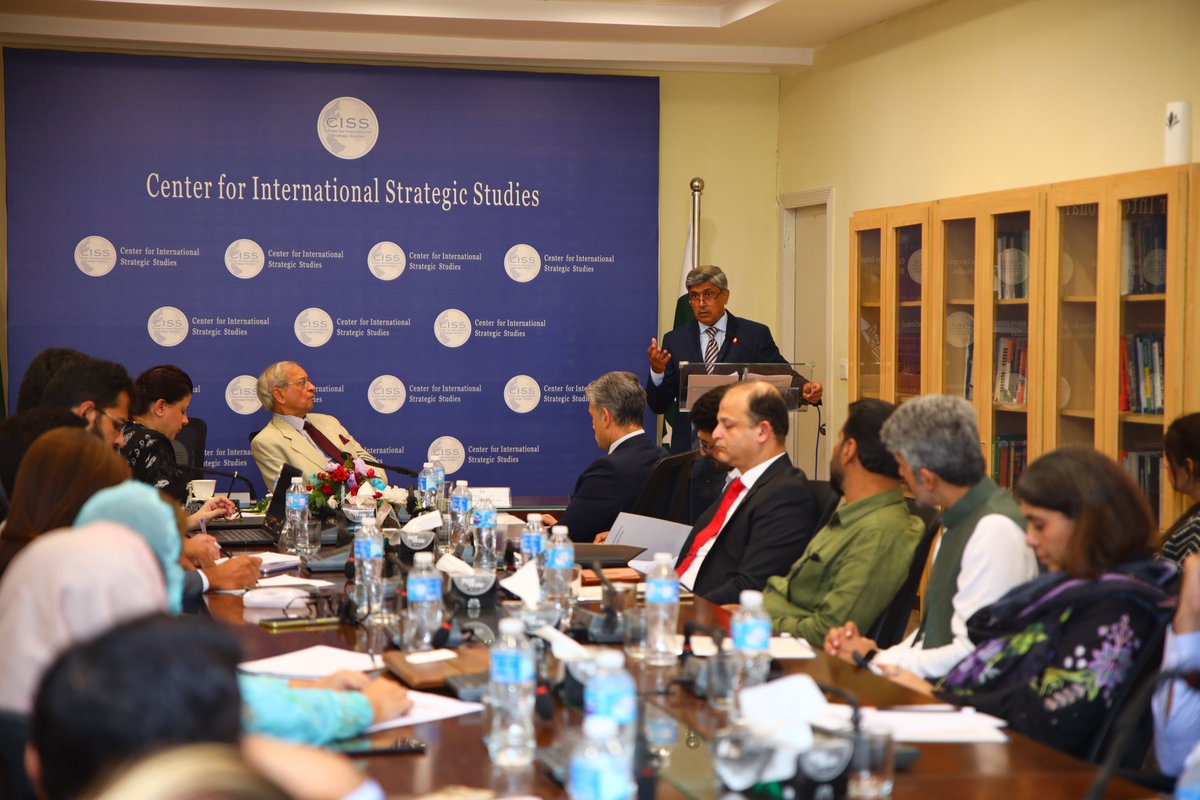
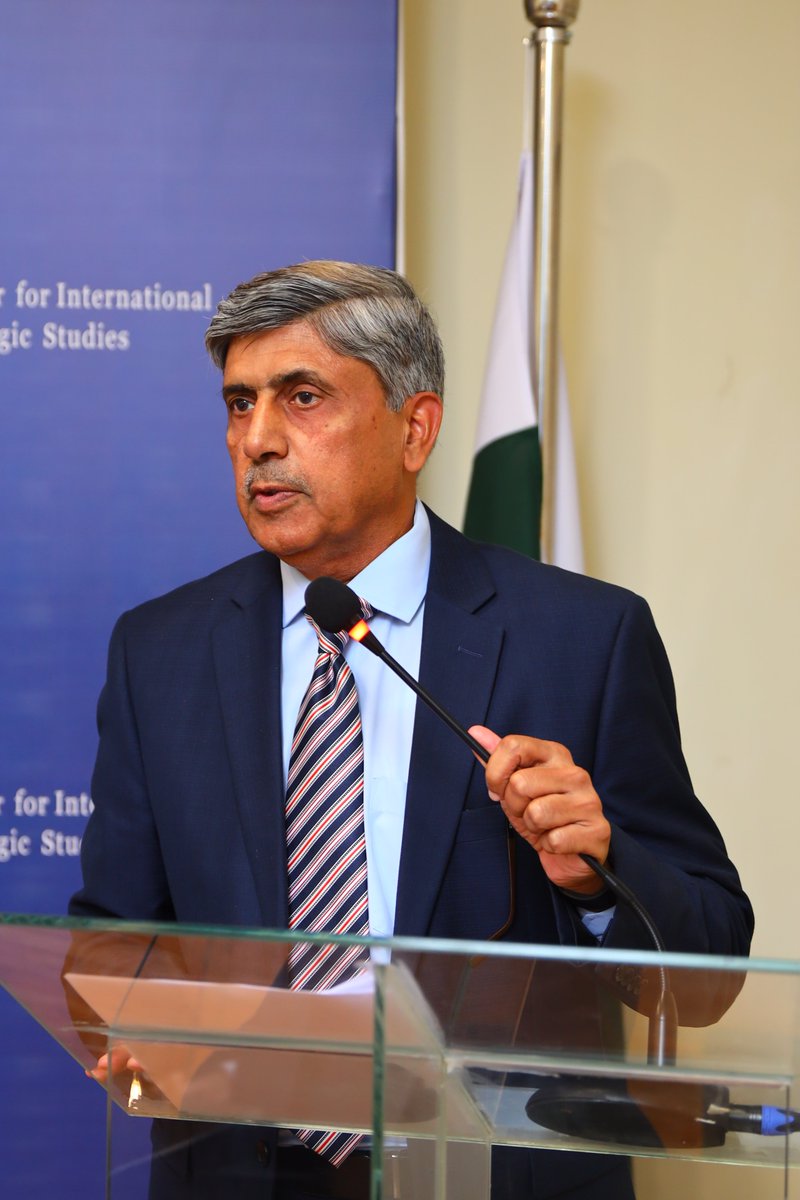
Amb. Ali Sarwar Naqvi delivered the welcome address at the CISS-KIU National Workshop on "Evolving World Order and Strategic Stability in South Asia", situating the workshop within CISS's broader mission of advancing strategic awareness across Pakistan's academic and research institutions.
He underscored the significance of bringing this conversation to Gilgit-Baltistan, a region whose geography and young intellectual community make it an important part of Pakistan's national security discourse.
He emphasised that understanding the evolving international nuclear order, South Asian strategic stability, and the challenges posed by emerging technologies is a national conversation that must engage every part of Pakistan.
#CISS #KIU #StrategicStability #SouthAsia #EvolvingWorldOrder #GilgitBaltistan #Pakistan #CISS
•
•
🔗 𝐡𝐭𝐭𝐩𝐬://𝐜𝐢𝐬𝐬.𝐨𝐫𝐠.𝐩𝐤
🏛 𝐂𝐞𝐧𝐭𝐞𝐫 𝐅𝐨𝐫 𝐈𝐧𝐭𝐞𝐫𝐧𝐚𝐭𝐢𝐨𝐧𝐚𝐥 𝐒𝐭𝐫𝐚𝐭𝐞𝐠𝐢𝐜 𝐒𝐭𝐮𝐝𝐢𝐞𝐬
📘 𝐅𝐨𝐥𝐥𝐨𝐰 𝐂𝐈𝐒𝐒: 𝐟 | 𝐗 | 𝐢𝐧 | 📸 | 📱
𝐂𝐈𝐒𝐒-𝐊𝐈𝐔 𝐍𝐚𝐭𝐢𝐨𝐧𝐚𝐥 𝐖𝐨𝐫𝐤𝐬𝐡𝐨𝐩 | 𝐄𝐯𝐨𝐥𝐯𝐢𝐧𝐠 𝐖𝐨𝐫𝐥𝐝 𝐎𝐫𝐝𝐞𝐫 𝐚𝐧𝐝 𝐒𝐭𝐫𝐚𝐭𝐞𝐠𝐢𝐜 𝐒𝐭𝐚𝐛𝐢𝐥𝐢𝐭𝐲 𝐢𝐧 𝐒𝐨𝐮𝐭𝐡 𝐀𝐬𝐢𝐚
𝐊𝐈𝐔, 𝐆𝐢𝐥𝐠𝐢𝐭
CISS and Karakoram International University are pleased to jointly host the National Workshop on "Evolving World Order and Strategic Stability in South Asia", Multipurpose Hall, KIU, Gilgit.
The workshop brings together scholars, researchers, and strategic affairs experts to examine the shifting dynamics of the international order and their implications for strategic stability in South Asia, extending the reach of Pakistan's strategic discourse to Gilgit-Baltistan.
#CISS #KIU #StrategicStability #SouthAsia #EvolvingWorldOrder #GilgitBaltistan #Pakistan #CISS
•
•
🔗 𝐡𝐭𝐭𝐩𝐬://𝐜𝐢𝐬𝐬.𝐨𝐫𝐠.𝐩𝐤
🏛 𝐂𝐞𝐧𝐭𝐞𝐫 𝐅𝐨𝐫 𝐈𝐧𝐭𝐞𝐫𝐧𝐚𝐭𝐢𝐨𝐧𝐚𝐥 𝐒𝐭𝐫𝐚𝐭𝐞𝐠𝐢𝐜 𝐒𝐭𝐮𝐝𝐢𝐞𝐬
📘 𝐅𝐨𝐥𝐥𝐨𝐰 𝐂𝐈𝐒𝐒: 𝐟 | 𝐗 | 𝐢𝐧 | 📸 | 📱
"Trump and the Prevailing Media Tension"
Even the Fox News, normally considered Donald Trump's favorite? Interesting. Where is Trump heading, and why is this occurring in such a difficult and complex time? Is Trump losing the mid-term?
https://t.co/SgaK4GvJ1u
An excellent piece by @LodhiMaleeha critically analysing the dangers of a wider war lurking in the background of the prevailing strategic environment in the Middle East.
The risk of a dangerous escalation trapping both the regional and international players.
#Iran #US #MiddleEast #Pakistan #Hormuz
"What is India up to"
Defence Minister Rajnath Singh challenges India's young scientists to produce disruptive technologies that may satisfy his ego, influence, and primacy in Indian politics.
This is without recognising the intended and unintended strategic consequences of producing such disruptive technologies, which may not only affect India's policies but also trigger a new arms race, escalation, and crisis instability.
He must challenge a political scientist to provide him with a way forward for a Composite Dialogue, Diplomacy, and Institutionalised Mechanisms between India and other states in South Asia to prevent future military crises, conflicts, and wars.
@IndianTechGuide
#India #technoligies #SouthAsia #hubris #primacy #Pakistan #conflict
A Peace Plan? A strategy of de-escalation?
Do Ukraine and the US really have a peace plan? Do they have a strategy for de-escalation in Europe?
Many do not think so.
The conflict appears to be prolonged. It is a protracted war that may not end soon. This is getting complex and more volatile, making Ukraine one of the world's most dangerous places – a nuclear flashpoint.
Many leading security analysts argue that Ukraine has to cut a deal with Russia that is more favourable to Russia before it is too late.
#Russia #Ukraine #US #Europe #escalation
The MBS makes sense, showing significant strategic restraint in this evolving, complex period in the Middle East, though the KSA has huge power potential.
Much then depends on how soon the actual warring parties, the US and Iran, end up prolonging the conflict in the region, which will have a broader effect on the global economy and regional peace.
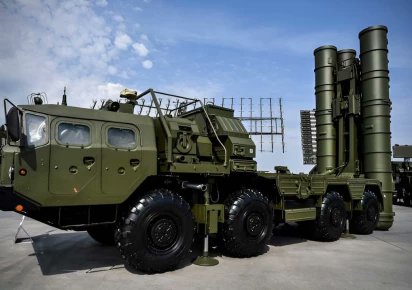
@BlackhawkqHawk Including the Russian supplied Indian S-400, which the Pakistani smart forces killed them.
Pakistan produces effective countermeasures against such Indian weapon systems to kill that are meant to target us.
#S400#Brahmos#Russia#India#Pakistan
"What is happening in Greenland”
Credible sources show this is a security agreement that may interest both the United States and Denmark because of Greenland's geopolitical and geostrategic location.
Competing powers have equal interest in that part of the world to begin with. The element of fear of one against the other can not be ignored.
That said, Denmark's self-determination and sovereignty will remain intact. This is not an annexation and transfer of sovereignty.
Denmark will continue to hold legal self-determination and sovereignty over Greenland that it secured in 1951.
Yes, Denmark is a founding member of NATO. The Greenland security agreement extends the security agreement that the United States had enjoyed long ago.
@Chesschick01
#NATO #Europe #US #Denmark #Greenland
” What is happening in the Middle East?
If the US has a military strategy of "escalation to de-escalation" while helping the KSA to meet the core military objectives in Yemen against the assertive Houthis, then this military operation might work.
Without such a strategy, which appears to be the case, it could have spiral effects that lead to a "dangerous escalation trap."
Strait of Hormuz has already been blockaded by both the Iranians and the US. Bab-el-Mandeb might have similar episodes. The blockades after blockades.
The global economy and regional security are already in tatters and could become even more chaotic and volatile.
The only way forward is to begin from where it started: Composite Dialogue with Iran to help resolve all the outstanding issues, including the issue of the Iranian nuclear development program.
#US #Iran #KSA #Houtis #Yemen #conflict #escalation #Hormuz #Mandeb
Statement by Ambassador Asim Iftikhar Ahmad,
Permanent Representative of Pakistan to the UN,
At the Security Council Debate on United Nations Peacekeeping Operations
(18 September 2026)
******
Mr. President,
I would like to thank French Presidency for convening this debate, and let me also welcome the participation of the distinguished Foreign Minister of Panama and we thank him for his comprehensive statement. President, Allow me to also thank the Secretary-General for his briefing and his report on the review of the future of United Nations peace operations. This discussion comes at a critical moment, offering Member States an opportunity to reflect on the Secretary-General’s recommendations and on how UN peacekeeping should evolve to remain relevant, strong, effective and fit for purpose in a changing environment.
Mr. President,
2. Pakistan brings to this debate the perspective of both, a major troop-contributing country and as a host State. For over six decades, Pakistan has remained among the largest troop contributors to United Nations peacekeeping, with more than 170,000 Pakistani blue helmets having served the UN and 183 of our peacekeepers having made the ultimate sacrifice for the cause of peace. Pakistan is also host to United Nations Military Observer Group in India and Pakistan (UNMOGIP), that is mandated to observe ceasefire in Jammu and Kashmir.
3. We have also contributed over the years to peacekeeping policy debate with the objective of adapting and strengthening UN peacekeeping. Let me briefly recall that in 2004, more than 20 years ago, under Pakistan’s presidency of the Security Council at that time, a Presidential Statement (number 16) of the Council was adopted, which for the first time, in the context of the debate around peacekeeping referred to and addressed the challenge that was at that time about the surge in demand in peacekeeping and also introduced to Council’s discussions concepts like robust mandates and rules of engagement for deploying missions with sufficient deterrence, even in risky situations. And then about ten years later in January 2013, in another presidency of Pakistan at the Security Council, the Council unanimously adopted resolution 2086 which was a first time standalone and dedicated resolution of the Security Council on peacekeeping. It dealt with multi-dimensional peacekeeping. And that provided a big momentum to Secretariat’s efforts to effectively deploy multidimensional peacekeeping missions. And forward ten years later, in last year July, with support of council members, we adopted resolution 2788 on peaceful settlement of disputes, and this is something the distinguished Minister of Panama also highlighted in his statement about the need for mediation, good offices, and advancing political processes, which are very important. Again, in June this year, Pakistan together with Denmark, worked on Resolution 2823 on accountability for attacks against peacekeepers which was adopted by consensus.
4. So, this experience gives us a practical appreciation of what peacekeeping requires: political support, credible mandates, sustainable resources, adequate capabilities, host-State cooperation and sustained commitment from the wider membership.
President,
5. Today, peacekeeping is under real pressure: no new mission has been established since 2014, several have closed or drawn down, and political and financial constraints have intensified. However, this should not be misread as decline for support of peacekeeping. Since, 1960s peacekeeping has moved in cycles of expansion and retrenchment, and the present moment can be seen as another period of realignment. Peacekeeping adapts because conflict changes and because international politics evolves.
President,
6. There is much to unpack on this subject, however, allow me to limit myself to four key points:
First, peacekeeping needs both political backing and a political strategy. The Council must provide clear direction, sustained political support and adequate resources. Host-State consent must also translate into practical cooperation, including freedom of movement, access and support for mandate implementation.
At the same time, the primacy of politics must be understood in its proper context: peacekeeping cannot substitute for a political process, but neither should the principle of “primacy of politics” become an argument for inaction. In fact, the pursuit of political solutions and peacekeeping should not be mutually exclusive. Even when political processes stall, peacekeeping can contain violence, protect civilians, preserve ceasefires and create space for politics to resume. We must use this key instrument to create and maintain space for politics.
Second, focused mandates must mean better peacekeeping, not less peacekeeping. A focused mandate is not necessarily a smaller one; it is one that aligns political objectives, tasks, capabilities and resources.
One situation may require a light observer presence; another scenario may entail, substantial mobility, aviation, engineering, medical and protection of civilian capabilities. There is no one-size-fits-all model.
The sequence should be clear: define the political objective; design the mandate; identify the capabilities required; and resource it accordingly. We must not start with a financial ceiling and then shrink the mission to fit it, irrespective of political objectives.
Let us recall that, in the context of UN, Peacekeeping is a proven cost-effective tool. We should reduce duplication, streamline processes and use technology better, and enhance partnerships with regional organizations, but efficiency and complementarity should strengthen delivery, not hollow out missions.
Third, we must prepare today for the capabilities peacekeeping will need tomorrow. We therefore welcome the Secretary-General’s review ’s proposal for a study of the key police and military capabilities required for future peace operations. Practical, forward-looking and undertaken in close consultation with TCCs and PCCs, and this study should inform future force generation, training and pledges.
Lastly, we must preserve peacekeeping as a genuinely collective UN instrument. Pakistan and Denmark, as the Council’s peacekeeping duo with the support of all council members, have sought to help sustain attention to this important instrument in the council. Resolution 2823 on accountability for crimes against peacekeepers, adopted unanimously and co-sponsored by a record 153 Member States, demonstrated the breadth of support for UN peacekeeping.
Similarly, this year’s C-34 report was adopted by consensus. At a time when we often speak of declining confidence in multilateralism, the wider membership has demonstrated its continuing interest in, and commitment to, peacekeeping.
That collective ownership is one of peacekeeping’s greatest strengths. It is therefore incumbent upon this Council to preserve its relevance, credibility and capacity - and, when circumstances require, to decide and use it.
Mr. President,
5. This is a period of challenges and realignment. The “reset” proposed by the Secretary General is necessary. But in resetting peacekeeping, we should be careful not to dismantle the very strengths we may need again tomorrow.
6. We should modernize the instrument while preserving what makes it uniquely United Nations: its universal legitimacy; its ability to draw personnel and capabilities from across the membership; its integrated structures; its sustainable financing mechanisms; its institutional knowledge; and the men and women willing to serve under the UN flag with pride, commitment and honor.
That should guide the future of United Nations peacekeeping.
I thank you.
**************
🌍 Publication | CISSAJK
Author: Rimsha Malik, Associate Research Officer, CISSAJK
Rapid advances in synthetic biology, gene editing, AI and laboratory automation are creating new opportunities as well as biological security challenges. The BWC needs stronger scientific engagement, responsible technology transfer, national biosafety capacity, practical confidence-building and flexible governance. Its priority should be anticipating emerging risks rather than regulating technologies only after threats become apparent.
🔗Read the complete analysis here:
https://t.co/Ak6ycgQCTI
“The AI-led Disruptive Technologies – Security Implications”
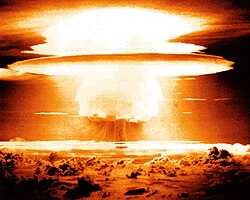
This reflects the disruptive implications of AI-led disruptive technologies that lead rivals to a miscalculation to a dangerous level, including the start of an “unthinkable nuclear war.
AI-led technologies and their applications need tight regulation among rivals as part of AI-led Confidence-Building Measures (CBMs), which are badly lacking between nuclear rivals.
The absence of this might lead to miscalculated events like this, endangering a nuclear war that no one wants in the first place.
@HormuzLetter@HormuzReport
#AI #US #China #ship #technologies #Hormuz #Iran #IranWar
North Korea acquired its nuclear weapons for security purposes. The obvious question is not when to get rid of North Korea's weapons, but how to prevent North Korea from using its nuclear weapons.
It is too late for the world to denuclearise North Korea.
#DPRK #NorthKorea #Nuclear #armsrace #SouthKorea #US #China
𝟕𝐭𝐡 𝐂𝐈𝐒𝐒 𝐖𝐨𝐫𝐤𝐬𝐡𝐨𝐩 𝐟𝐨𝐫 𝐓𝐫𝐚𝐢𝐧𝐞𝐫𝐬 𝐨𝐧 𝐒𝐭𝐫𝐚𝐭𝐞𝐠𝐢𝐜 𝐌𝐚𝐭𝐭𝐞𝐫𝐬 𝟐𝟎𝟐𝟔
𝐂𝐨𝐧𝐜𝐥𝐮𝐝𝐢𝐧𝐠 𝐊𝐞𝐲𝐧𝐨𝐭𝐞 | 𝐋𝐭. 𝐆𝐞𝐧. (𝐑) 𝐌𝐚𝐳𝐡𝐚𝐫 𝐉𝐚𝐦𝐢𝐥, 𝐇𝐈(𝐌)
𝐀𝐝𝐯𝐢𝐬𝐨𝐫 𝐍𝐂𝐀 & 𝐅𝐨𝐫𝐦𝐞𝐫 𝐃𝐆 𝐒𝐏𝐃
𝐒𝐭𝐫𝐚𝐭𝐞𝐠𝐢𝐜 𝐋𝐚𝐧𝐝𝐬𝐜𝐚𝐩𝐞 𝐨𝐟 𝐒𝐨𝐮𝐭𝐡 𝐀𝐬𝐢𝐚: 𝐏𝐨𝐬𝐭 𝐏𝐚𝐡𝐚𝐥𝐠𝐚𝐦
Lt. Gen. (R) Mazhar Jamil delivered the concluding keynote address, offering a wide-ranging and authoritative assessment of the evolving global and regional strategic landscape and its implications for South Asian stability.
He situated South Asia within a broader international order increasingly defined by the fragmentation of global governance, the diminished role of diplomacy and institutions in conflict resolution, the growing primacy of hard power, and the collapse of traditional arms control frameworks. He noted that major powers are simultaneously modernizing their nuclear arsenals and integrating disruptive military technologies, including hypersonics, artificial intelligence, cyber capabilities, and anti-satellite weapons, creating a more complex and unpredictable strategic environment.
On South Asia specifically, he emphasized that strategic stability in a nuclearized region cannot be discussed in isolation from its political realities. Longstanding unresolved disputes, including Kashmir, remain at the heart of regional instability, and a conducive political environment for conflict resolution is an essential prerequisite for durable strategic stability. He warned that strategic thinking oriented toward military adventurism or hegemonic ambitions carries unaffordable risks in a nuclearized South Asia.
He assessed that India's continued posture of coercion and threat has placed South Asia in a state of perpetual security tension. In response, Pakistan's strategic posture, anchored in a cohesive deterrence framework, credible conventional capabilities, and effective nuclear deterrence, is designed to deny any aggressor the achievement of its political and military objectives. Pakistan's response strategy, he noted, will impose unacceptable costs on any aggressor through the comprehensive application of national capabilities.
He also noted the growing role of ambitious middle powers in shaping the emerging global order and underscored Pakistan's consistent commitment to the right side of international law.
#CISS #StrategicMatters2026 #WorkshopForTrainers #SouthAsia #StrategicStability #Pakistan #CISS
•
•
🔗 𝐡𝐭𝐭𝐩𝐬://𝐜𝐢𝐬𝐬.𝐨𝐫𝐠.𝐩𝐤
🏛 𝐂𝐞𝐧𝐭𝐞𝐫 𝐅𝐨𝐫 𝐈𝐧𝐭𝐞𝐫𝐧𝐚𝐭𝐢𝐨𝐧𝐚𝐥 𝐒𝐭𝐫𝐚𝐭𝐞𝐠𝐢𝐜 𝐒𝐭𝐮𝐝𝐢𝐞𝐬
📘 𝐅𝐨𝐥𝐥𝐨𝐰 𝐂𝐈𝐒𝐒: 𝐟 | 𝐗 | 𝐢𝐧 | 📸 | 📱
🌍 Webinar| CISSAJK
CISS- AJK is inviting you to a scheduled Zoom meeting.
Topic: Arms control and Disarmament at a Crossroads
Time: Sep 17, 2026 10:00 AM Islamabad, Karachi, Tashkent
Join Zoom Meeting
https://t.co/YiOssM43Oa
Meeting chat link
https://t.co/oYMlseZuv1
Meeting ID: 861 9885 3881
Passcode: 611978
---
One tap mobile
+13863475053,,86198853881#,,,,*611978# US
+15074734847,,86198853881#,,,,*611978# US
---
Join by SIP
• [email protected]
Join instructions
https://t.co/SWG6m5M1XI