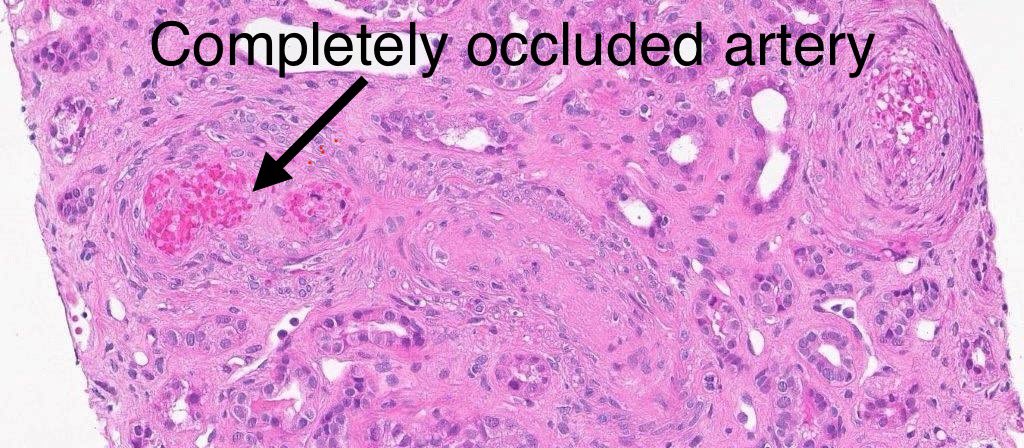
Great renal grand rounds @MGBKidneys Ritu Seethapathy discussing rare entity of podocyte infolding glomerulopathy(PIG) after kidney #transplantation in patient w/ lupus. PIG is a morphologic manifestation of chronic podocyte injury &interferon-driven immune dysregulation @AlJurdi
@WTC2025 congress showcased innovation that is shaping the future of beta-cell replacement therapy. Pancreas and islet transplantation continue to advance rapidly, with major progress in organ preservation, immunosuppression, and regenerative therapies. https://t.co/tAWqOJqIaZ
@Kdhchels_ If this is true, why Pedro Neto? Alonso should learn from RM lessons. He should not be preoccupied; he should assess first and then make a wise decision.
Don’t miss this timely seminar today!
One correction- Lecture will start at 7pm Egypt time (equivalent to 7 pm KSA and Kuwait time, 8 pm UAE time).
The rest of the timezones below (besides Egypt) is correct.
Thank you for your patience.
@GlomCon
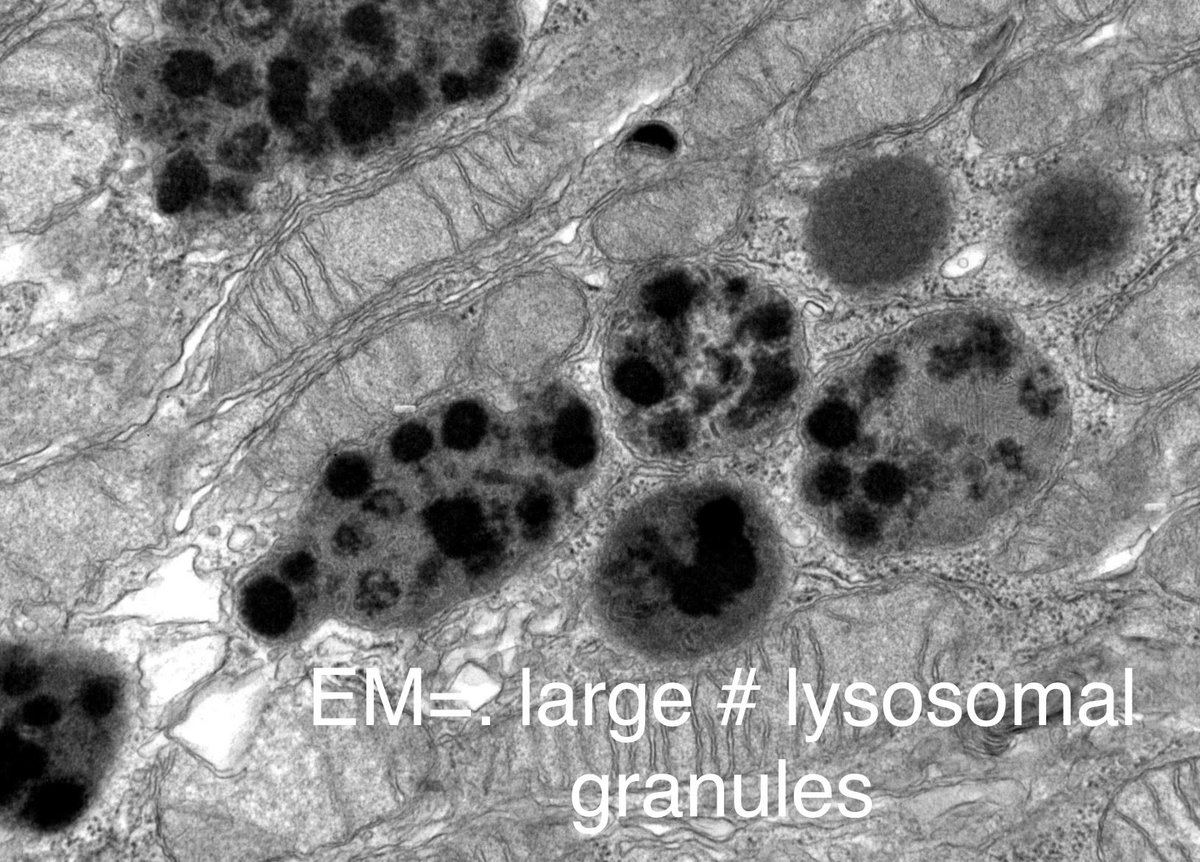
Difficult but good recent teaching case.
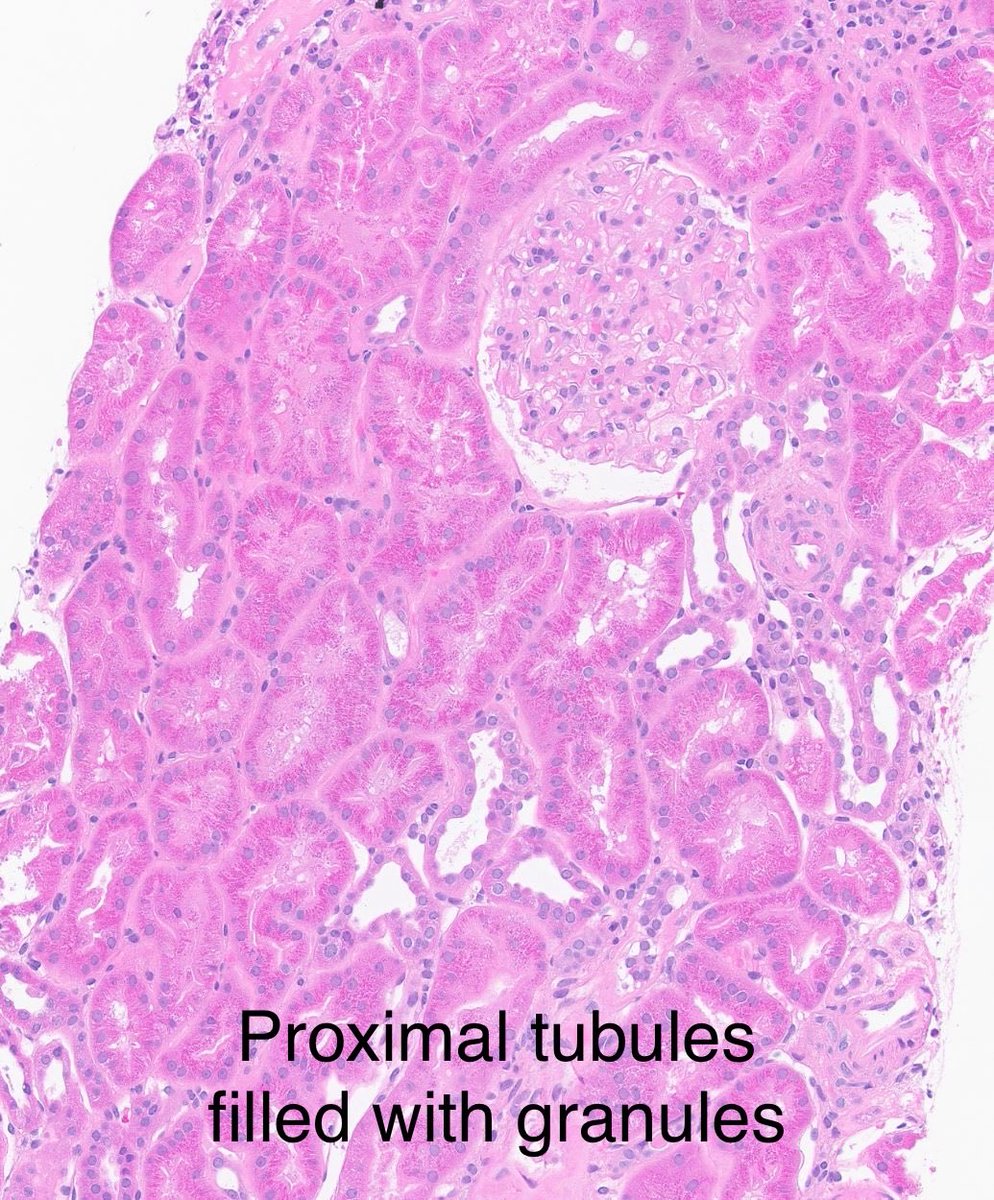
LM- normal appearing glomeruli but proximal tubules filled with eosinophilic granules.
IF- negative.
EM- large number of lysosomes, with degenerative changes.
Lysozyme stain 3+ positive in proximal tubules.
Dx: Lysozyme associated-tubulopathy (myelofibrosis/clinical).
Usually see this in patients with CML.
D/D: light chain proximal tubulopathy, but IF & pronase IF are negative.
60-yr old with chronic kidney disease, pulmonary nodules, and JAK2+ myelofibrosis.
Evaluation showed high levels of serum lysozyme, and lysozymuria.
🚨 Update Alert 👉 Immune Complex-Mediated Glomerulonephritis at https://t.co/S5Vy4yyvlg
ICGN represents a broad diagnostic umbrella. This dives into the heterogeneous etiologies characterized by granular immunoglobulin and complement deposition.
#GlomCon#Pathology#ICGN
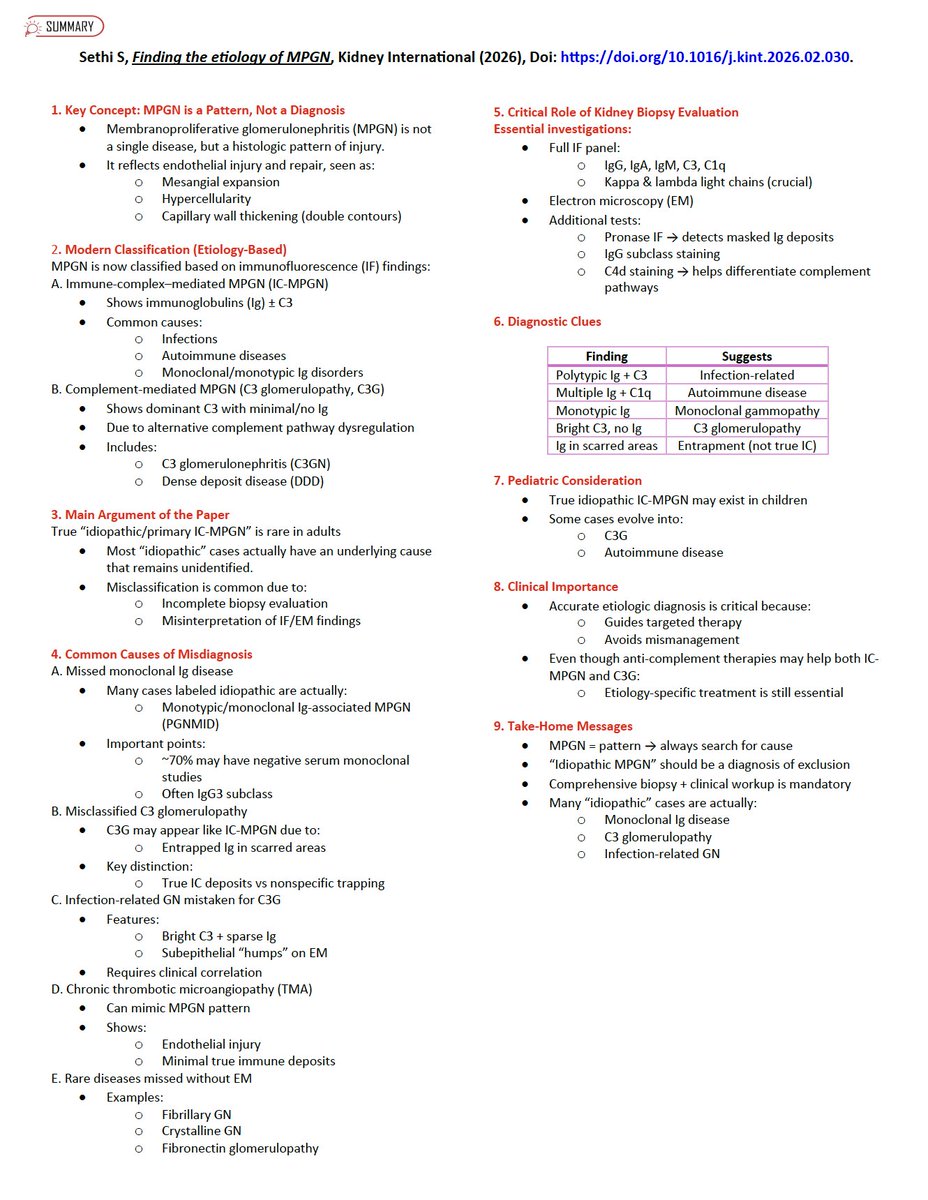
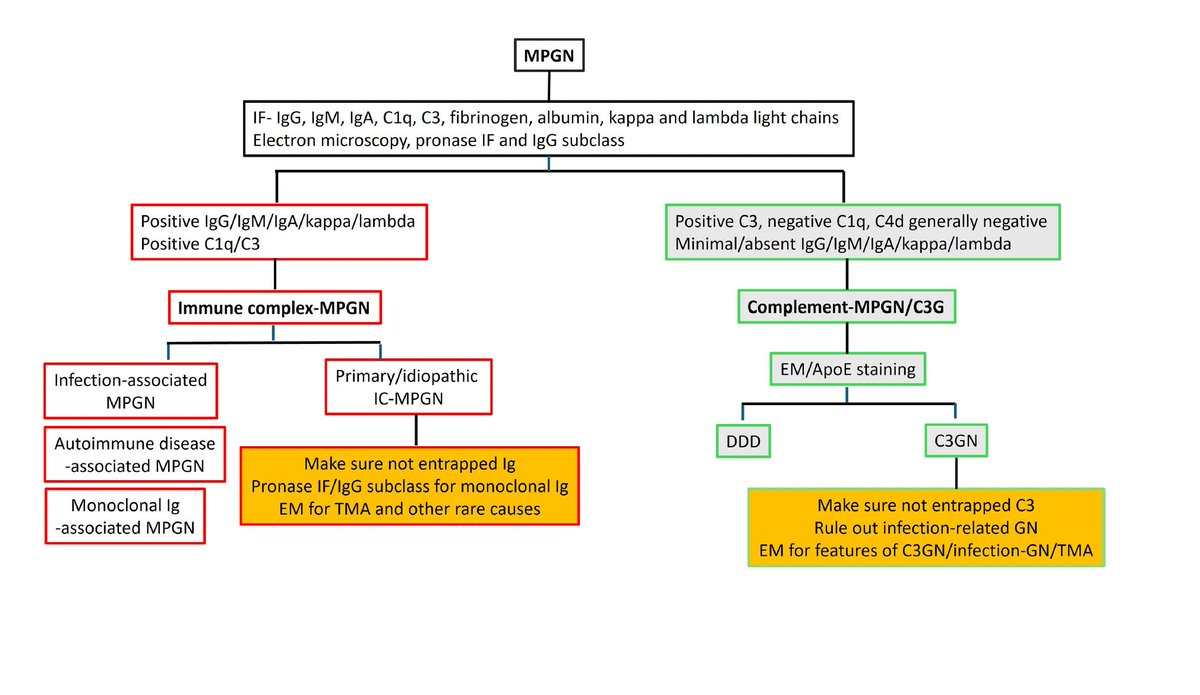
What a great paper by Professor @SethiRenalPath on "Finding the etiology of MPGN" in @Kidney_Int. It emphasizes the growing understanding of this GN pattern and paves the way for more personalized therapy.
https://t.co/sEKRs7rmxt
Summary
Join us tomorrow, April 10, 2026, on a knowledge rollercoaster road to the understanding of Targeted Therapy for C3GN by @GlomerGal
Join meeting here: https://t.co/kIt15Z5NeQ
Meeting ID: 884 4208 1901
Passcode: 100499 Visit us 👉https://t.co/9rPnSqpQR6
@GlomCon
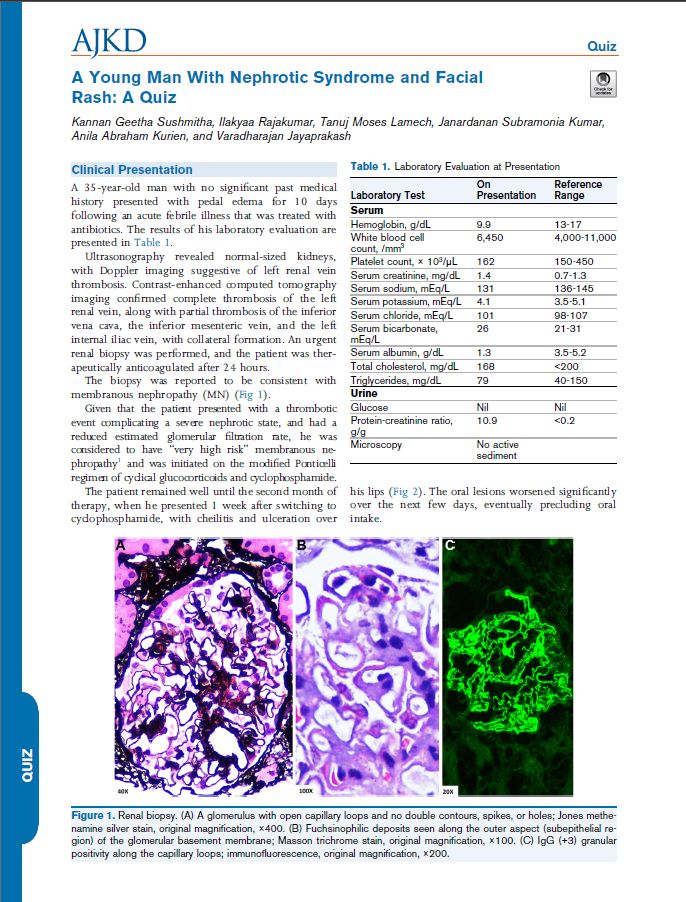
A Young Man With Nephrotic Syndrome and Facial Rash: A Quiz
https://t.co/GawXOnByGx (FREE)
•What further tests are needed to determine the etiology of the rash?
•What additional tests can be done?
•How would you treat this patient?
Dapagliflozin is not dialyzable and does not accumulate significantly in dialysis patients—supporting biological plausibility for safe use.
CME INDIA Clinical Pearls: SGLT2 Inhibitors in Dialysis (HD & PD)
▪️Evidence Gap Alert:
While SGLT2 inhibitors robustly reduce CKD progression, CV events, and mortality in non-dialysis CKD, patients on dialysis (HD/PD) were excluded from all landmark RCTs, creating a major evidence void.
▪️Mechanistic Shift in ESKD:
In dialysis patients, classical glucosuric/tubular effects are minimal due to low nephron mass; benefits are likely mediated via cardio-metabolic off-target pathways (↓ inflammation, ↓ oxidative stress, improved myocardial energetics).
▪️Pharmacokinetic Reassurance: Dapagliflozin is not dialyzable and does not accumulate significantly in dialysis patients—supporting biological plausibility for safe use.
▪️Signal from Early Data:
Small trials and observational cohorts suggest potential CV benefit, improved volume status, and preservation of residual kidney function, particularly in incremental dialysis—without major safety signals.
▪️Peritoneal Dialysis Uncertainty:
In PD, evidence is sparse and inconsistent—some studies show ↑ ultrafiltration and ↓ BP, while others show no effect on peritoneal glucose transport.
▪️Real-World Cohort Insight:
Retrospective analyses indicate lower CV events and mortality in dialysis patients using SGLT2i, but these are hypothesis-generating, not definitive.
▪️Safety Perspective:
No major red flags so far, but risk of volume depletion, hypotension, and rare euglycemic ketoacidosis warrants cautious patient selection.
▪️Clinical Position Today:
Routine use in dialysis cannot be recommended yet; use should be individualized and preferably within research settings or expert supervision.
▪️Future Direction:
Ongoing large RCTs are critical to define efficacy, safety, and patient selection—this could expand SGLT2i use into ESKD therapeutics beyond glycemia.
💢Take-Home Message:
👉 SGLT2 inhibitors in dialysis represent a promising but unproven frontier—mechanistically attractive, observationally encouraging, but awaiting definitive trial evidence before mainstream adoption.
https://t.co/wQHmRxBw6Q
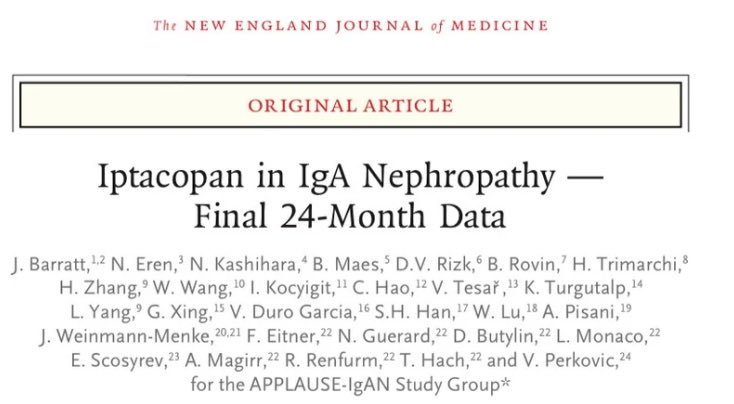
IgA nephropathy progresses to kidney failure in up to 50% of patients within 10–20 years.
On March 29th, the NEJM published the final 24-month data from APPLAUSE-IgAN and the results change the treatment landscape.
Here’s what every nephrologist needs to know 🧵
Barratt J et al. NEJM 2026. DOI: 10.1056/NEJMoa2600743