El calor es un “estresor” a tener muy en cuenta en el deporte.
No solo por cuestiones de rendimiento, que también, sino de salud.
En esta FSI talk, el prof Sebastien Racinais nos habla sobre ello (y nos da pequeños trucos)
https://t.co/62nDfesPUw
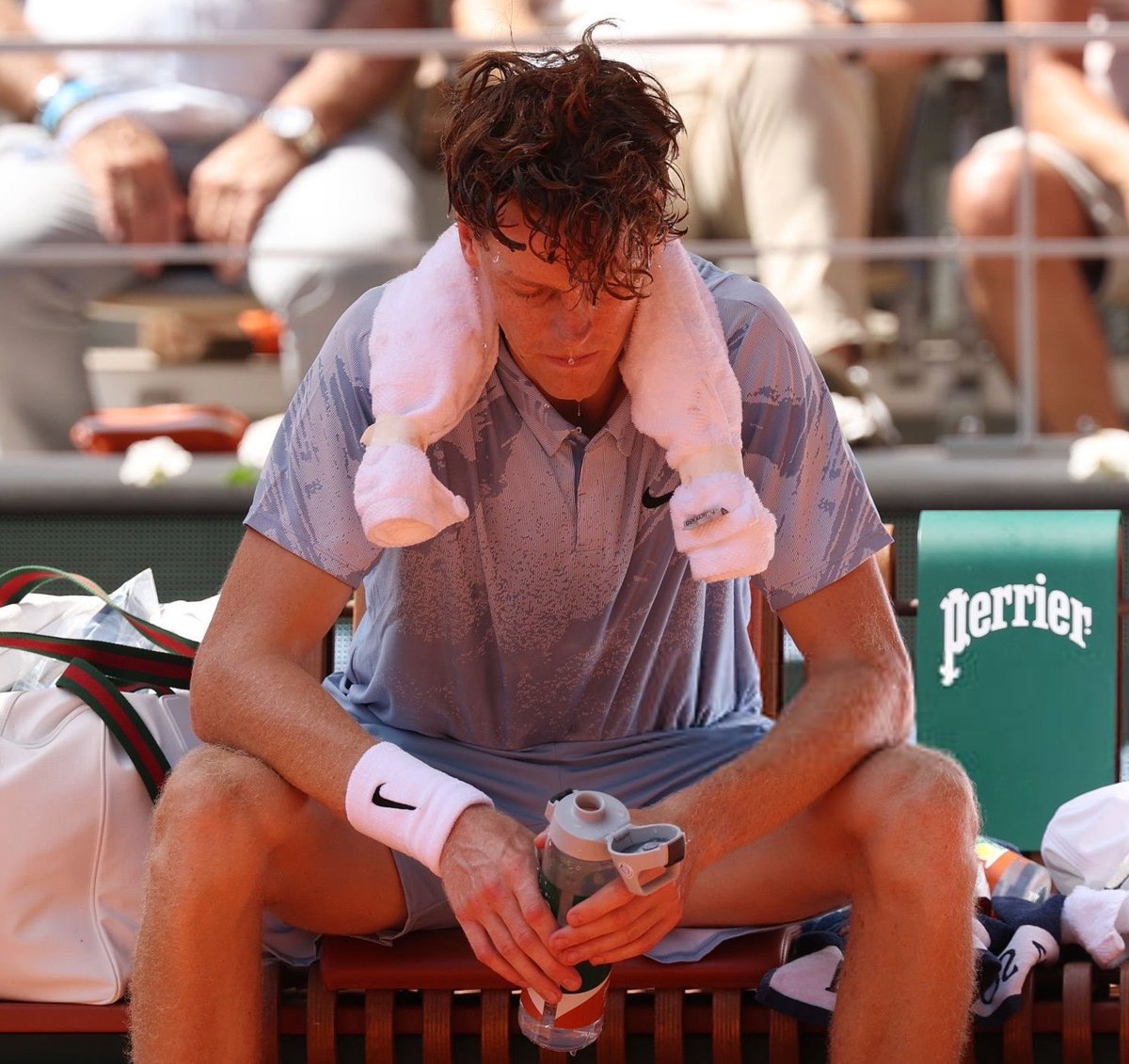
ROLAND GARROS ESTALLA POR LOS AIRES 😳
Sinner sufre un golpe de calor cuando estaba a UN juego de ganar a Cerúndolo y colapsa por completo, permitiendo que el argentino remonte un partido que parecía imposible.
Tremendo palo para un Jannik que era muy favorito a ganar en París.
🧊⚽ ¿Sirve realmente un chaleco de frío para acelerar la recuperación tras esfuerzos repetidos en condiciones de calor?
La ciencia empieza a dar respuestas 👇
👉 Artículo: https://t.co/lquXKUAlhz
🧵👇
🎙️ New Podcast Summary 🎙️
Curvilinear sprinting: How we can test and train this unique quality
with @AlbertoFilter
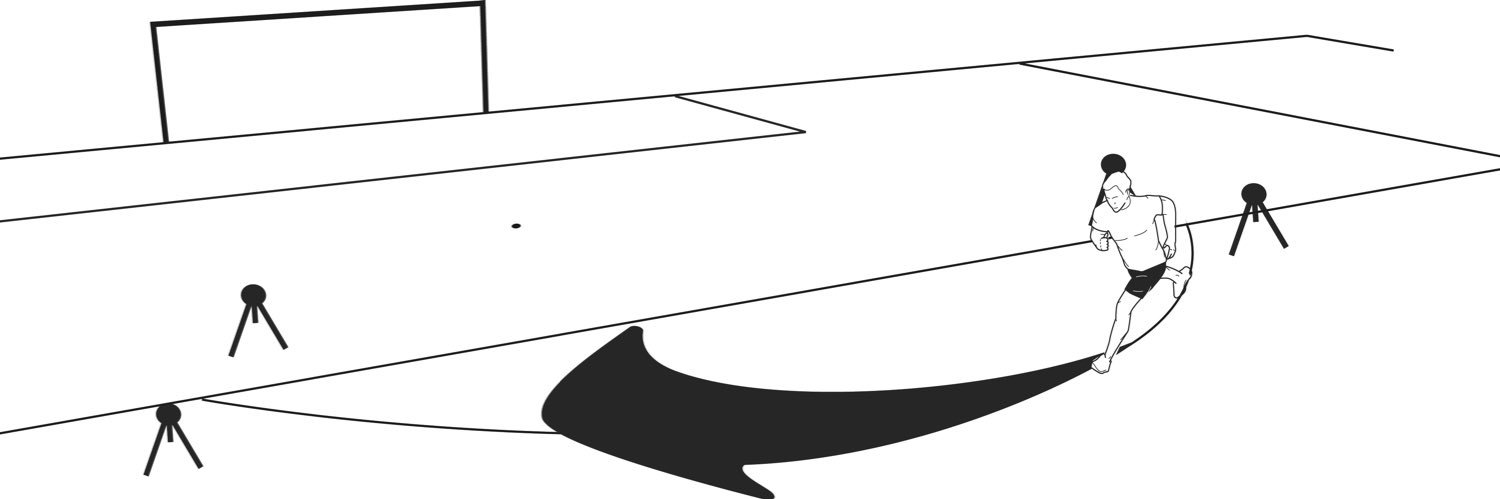
“We train footballers like Pac-Man but a lot of sprinting in football is not in straight lines, the game is parabolic”
🔗 https://t.co/gsDDKDj0Xf
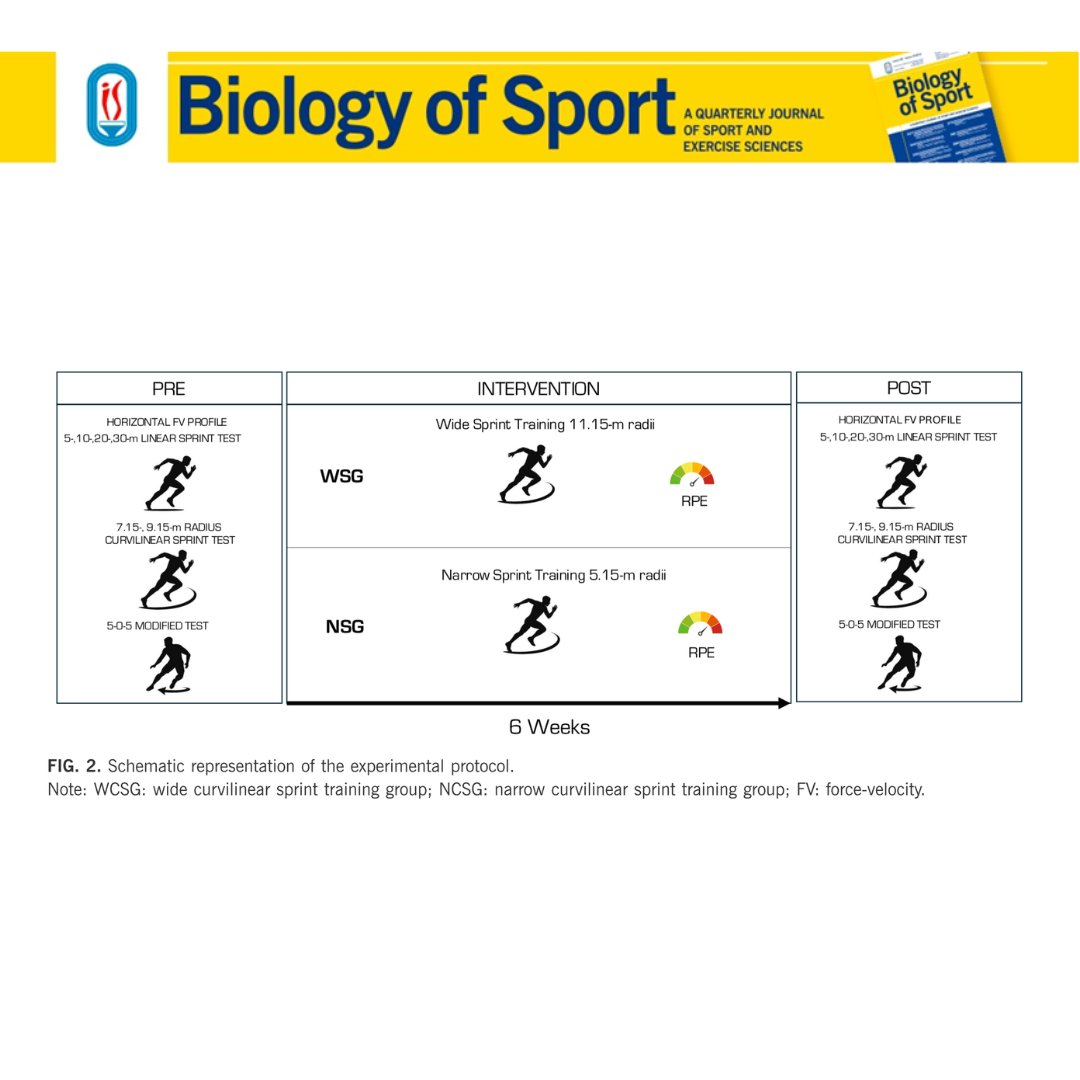
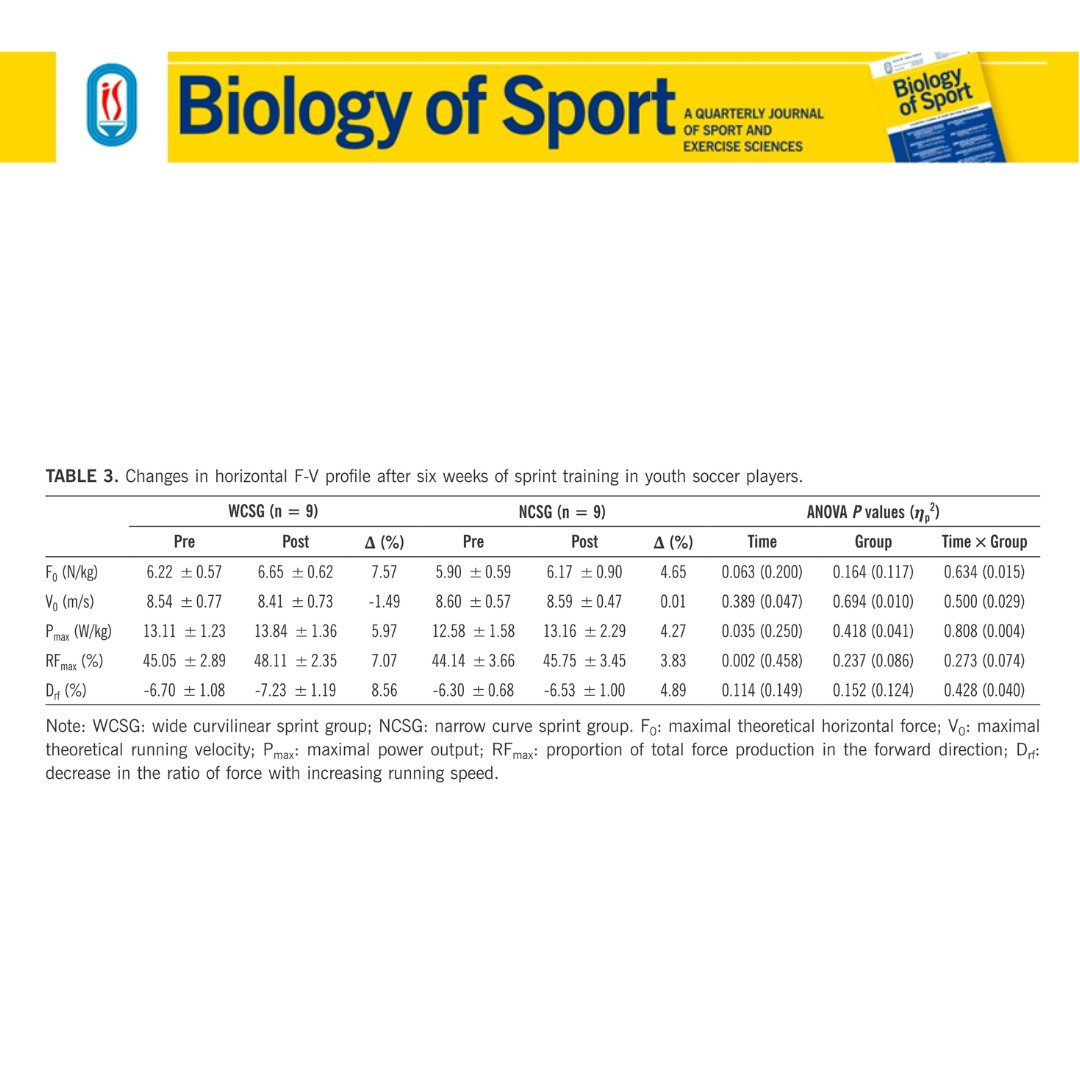
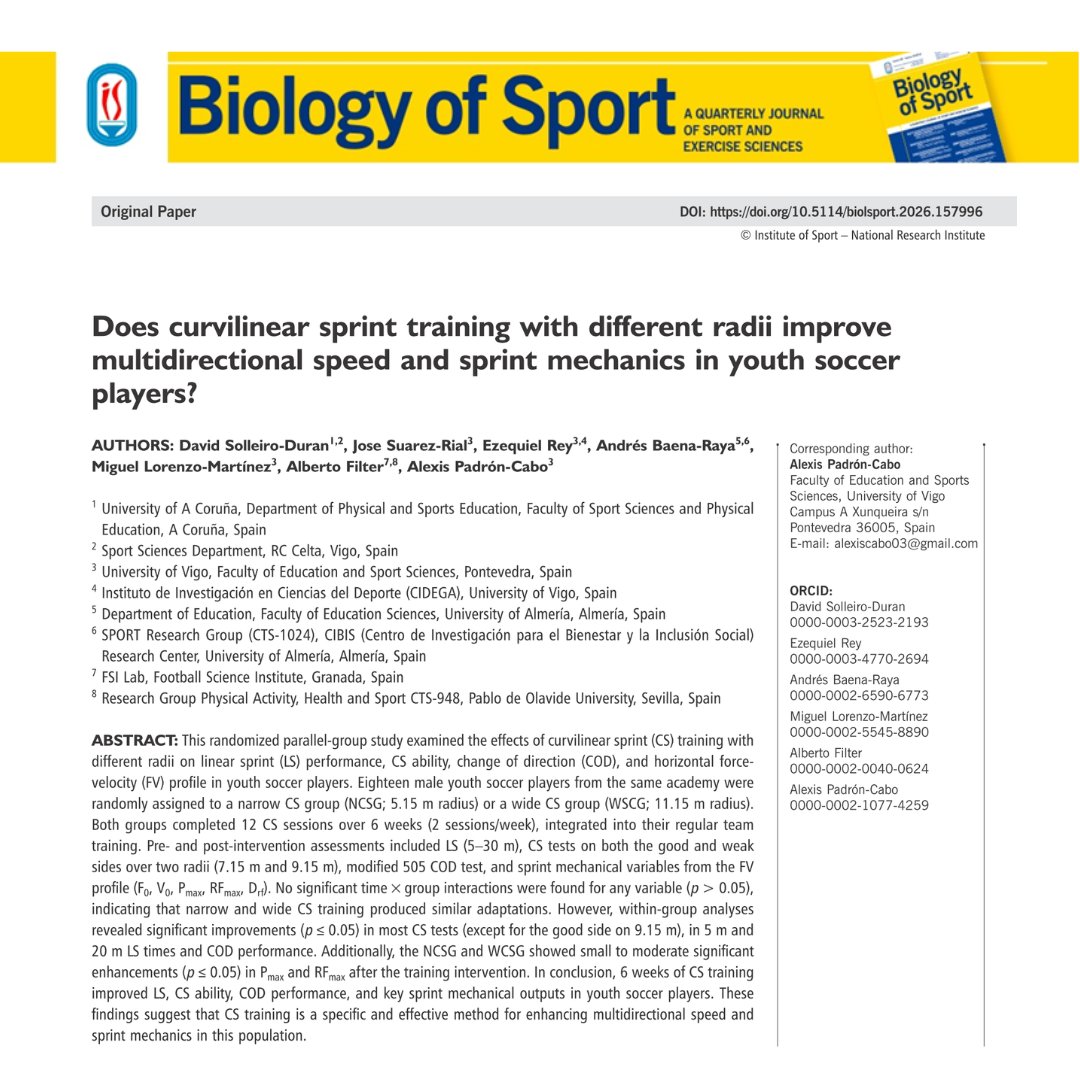
⚽️6 weeks of Curvilinear sprint training improved 5 m & 20 m sprint, COD, and sprint mechanics (↑Pmax, ↑RFmax; p≤0.05) in youth soccer players, with similar gains for narrow and wide curves.
Solleiro-Duran et al.:🔓🔗 DOI: https://t.co/JG56CdiMbQ
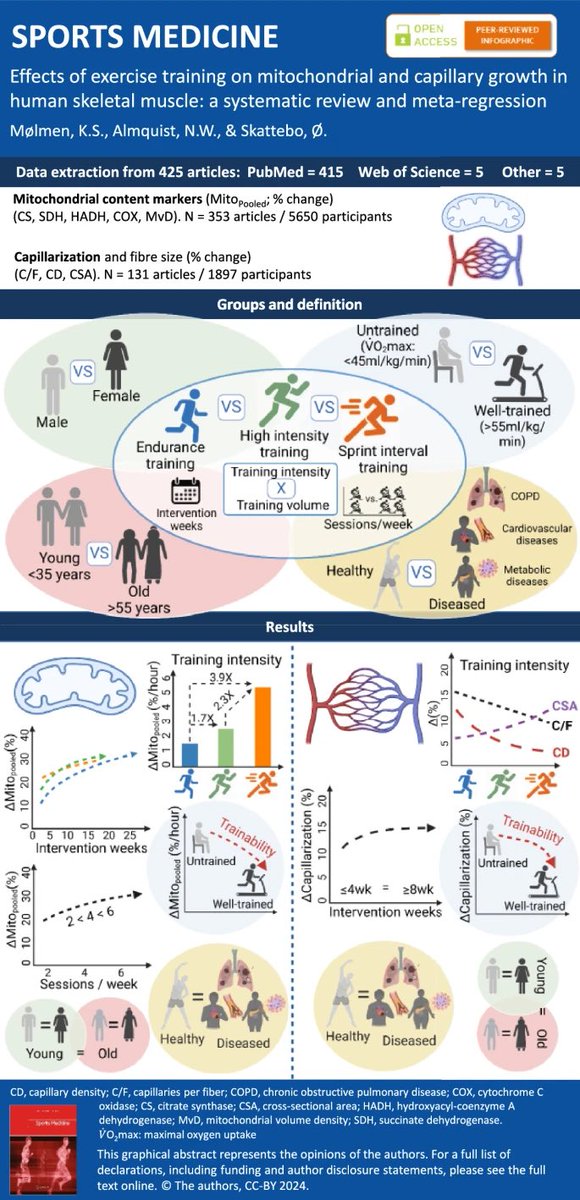
Intensity vs Volume: What Actually Builds Endurance?
Exercise science finally gives us a clear answer 👇
Here’s what a large science-backed meta-analysis found:
1. Training intensity drives mitochondrial growth
Higher intensity training led to up to 3.9x greater increases in mitochondrial content compared to lower intensity work.
2. Sprint interval training punches above its weight
Short, intense sessions produced stronger mitochondrial adaptations than longer endurance sessions.
3. Volume matters, but less than you think
More sessions help, but gains plateau faster than with increases in intensity.
4. Capillarization improves with consistency
Capillary growth increases over time, especially after 8 weeks, regardless of training style.
5. Untrained individuals adapt faster
Beginners see larger improvements than well trained athletes due to higher trainability.
6. Benefits apply across ages and health status
Young, old, healthy, and clinical populations all showed positive adaptations.
If time is limited, intensity delivers the biggest return.
Train smart, not just long.
En la misma revista científica @Vic_BelGa ha publicado también:
✅ Impacto del rol y tamaño del campo en juegos de posición
🔗https://t.co/hYz1uqSnwf
Y en @sportsbiomechj
✅ Validez de la app @MyJumpApp para cronometraje de sprints curvos
🔗 https://t.co/g2HCyP76Qe
Enhorabuena!
@spikesonly What capacity? What do you mean? 🤔IMO the best way to develop strength is through on-field exercises with added overload. The challenge is that we often lack enough training equipment to apply overload while respecting specificity
@spikesonly The specificity principle relates to transferring sport-specific movements (experienced athletes benefit most; beginners improve with any stimulus).
The ball can act as an intensifying element for jumps, sprints, and movement strategies.
We said it 6 years ago at FSI Lab - now more evidence: curvilinear sprinting is the one of main event in football
1️⃣ 85% of sprints
2️⃣ 52% of HSI sprint-related patterns (Gandarias, 2025)
3️⃣ Offside rule favors curved high-speed entries
4️⃣ COD without braking = energy-efficient
Image 1 📸
A player performing the drop vertical jump. It can be seen the support anchored to the goal, which was used to suspend the ball, externalising the footballer’s focus of attention during the jump🦿
Image 2📸
A player executing the COD for the frontal plane analysis through the CMAS🏃
Uncover which components may be effective in reducing injury incidence🔎👇
🔗 https://t.co/yBo5rCE4JJ
FSI Talks #16 is now available! 🎉
In this episode, we explore the power of sport science in leading performance teams with João Ribeiro
📺 Watch the full episode on YouTube: https://t.co/WMLMWRb070
🎧 Listen now on Spotify: https://t.co/uOFyYVsfaY
A combo drill of both curved and linear sprinting during a recent Liverpool training session.
Research indicates approx 85% of football sprints are curvilinear. And, separately, that 45% of goals scored are preceded by a linear sprint.
Makes sense to train both.