BSRWood project brings stakeholders from the Baltic countries to Skellefteå, a pioneer municipality in modern wood construction. First visit #SaraKulturhus, an iconic building with theatres, a library, restaurants and a 20m hotel tower.
Searching for inspirational examples to make the #greeneconomy come true? The BioBaltic project hosted a discussion together with #Nordic and #Baltic regions and municipalities. Here are the key learnings: https://t.co/Cr4ZRPzQSh
The BioBaltic project launches the storymap series on the #bioeconomy in the #Baltics! The first story brings us to #Vidzeme, #Latvia and its journey towards the knowledge-based bioeconomy: https://t.co/LY4vIaT58b
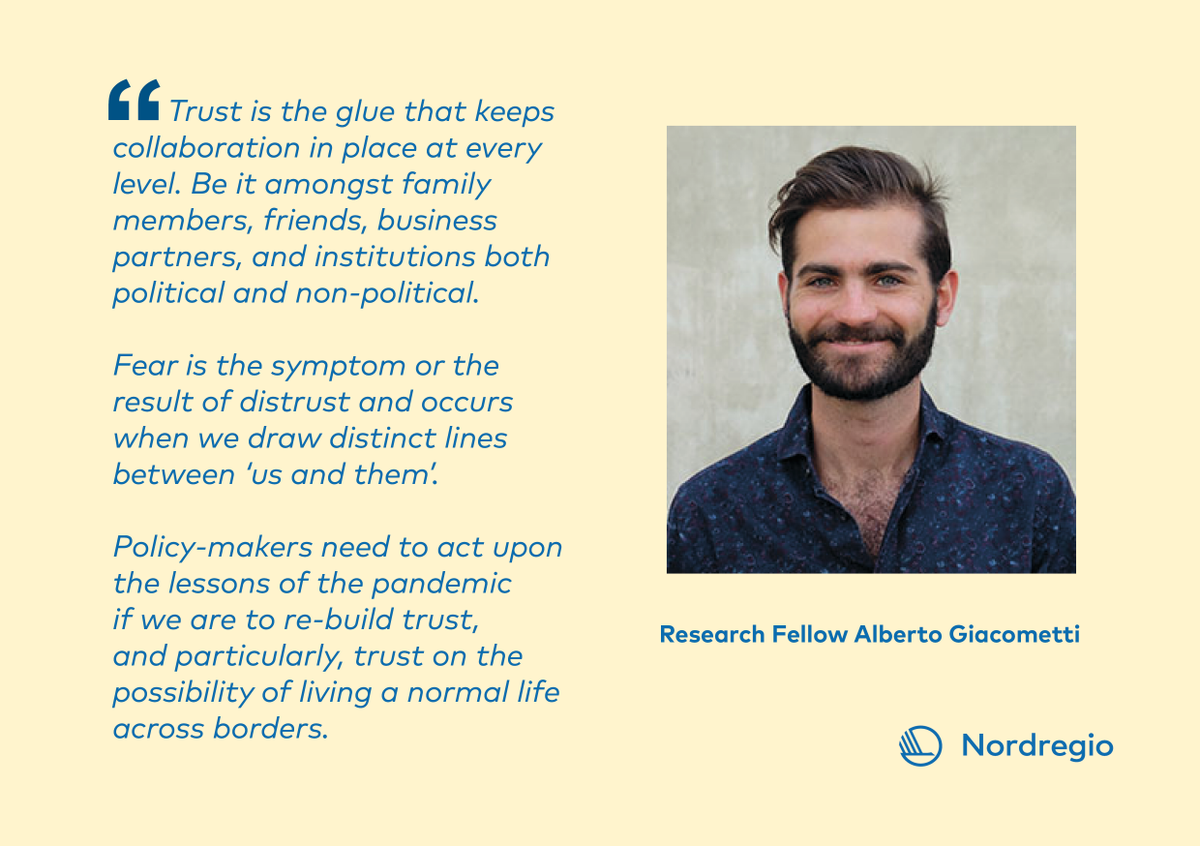
The pandemic has been a stress test for the #NordicRegion, as national measures challenged the basis of open borders and free movement. Nordregio published a new report, looking into the preparedness of the Nordic Region to jointly confront global crises: https://t.co/EnXzam4AaK
The wonderful research team was composed of @albertogpp Mari Woien Meijer, @kristinhaugevik@sofieberglu Ninna Nyberg Sorensen Telli Betul Karacan and Axa Lares.
”The new innovations, the exciting new companies, and the jobs will largely be in the bioeconomy sector." BeUBio #FundedbySI inspires young people to find their future in the growing bioeconomy sector. #EUSBSR https://t.co/lxQ8drwhqW
@santigom3x@LassoGuillermo Hay que tener la mente obtusa o muchísima pereza para tener una visión tan diminuta. Casi nada en la vida es blanco y negro, broder.
NEW: “A speed limit of 30km/h (18mph) has come into force across Paris in a drive to improve the environment. The aim is to cut accidents, and reduce noise & pollution.” Among many other transformative things @Anne_Hidalgo & her team are doing. @BBC https://t.co/IzmBZlgw79
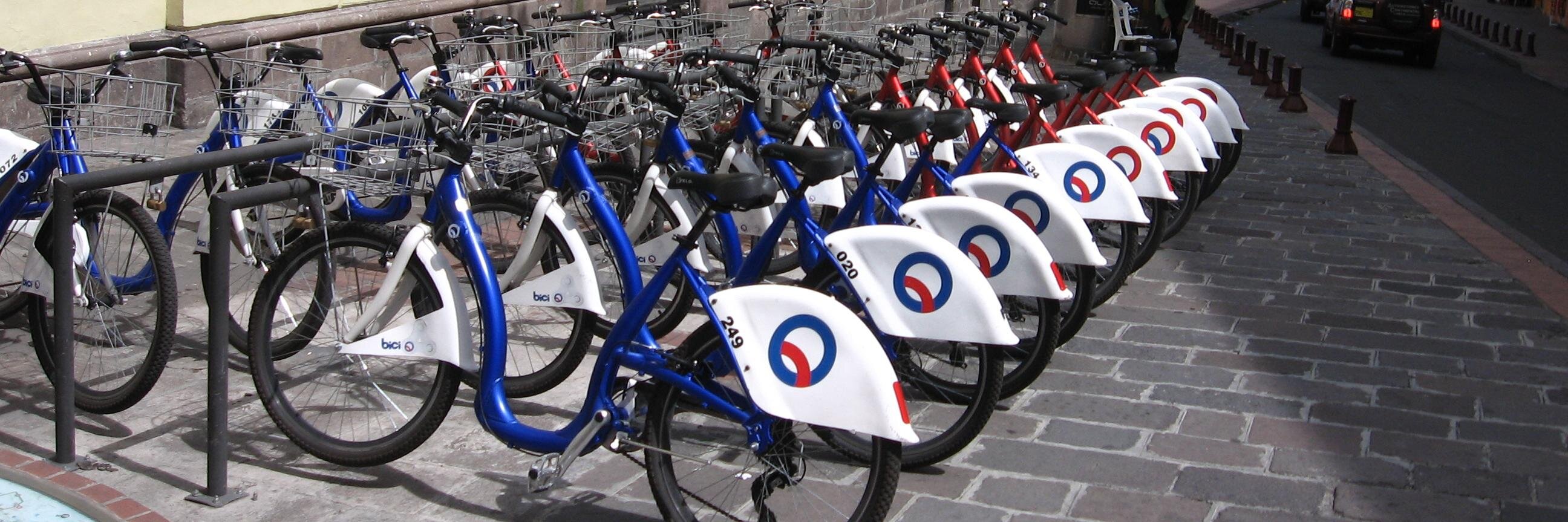
Mauricio Rodas destruyó el sistema de bicicletas públicas en Quito y en esta administración no se ha hecho nada para recuperarlo. Más de 500 bicis desaparecieron, otras que compraron a casi $3000 nunca se usaron.
https://t.co/EsI6XwJCDv
@GKecuador@GKecuador sería bueno agregar a esta la contra parte. ¿Qué opinan los redactores de esta ley? ¿Existe una verdadera intención de mejorar la ley o se pretende impedir que se impongan regulaciones ambientales?