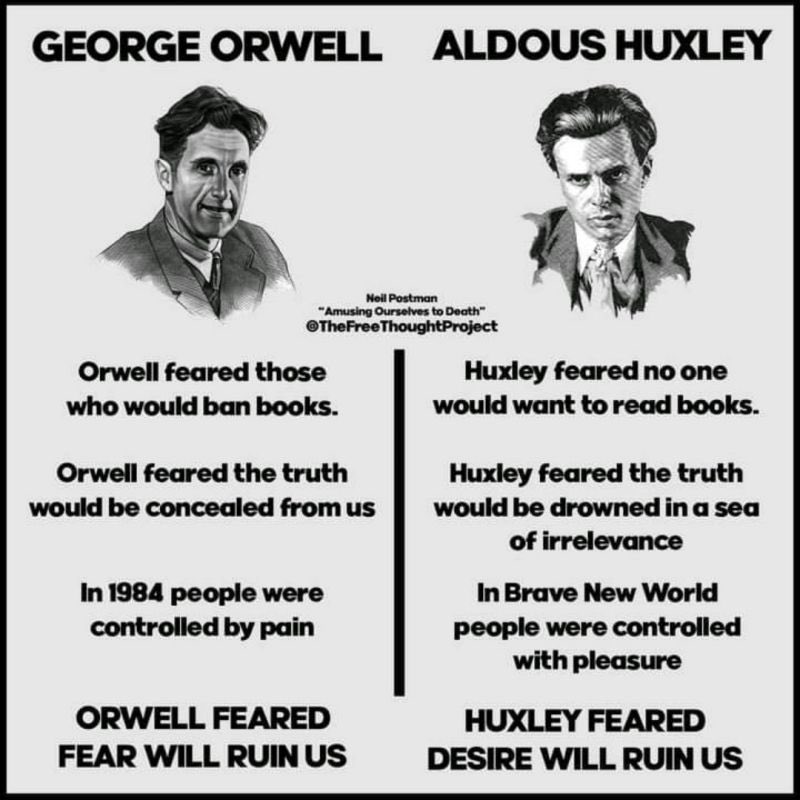
One of my longest-standing arguments is that we are not living in Orwell’s 1984, where truth is centrally suppressed and censored by force (that’s former communist societies, modern-day China, Russia, North Korea).
We are living in something much closer to Huxley’s Brave New World.
The truth is not hidden - it is almost always readily available. But it is buried beneath an industrial quantity of noise: propaganda, outrage, half-truths, conspiracy theories, influencer theatre, algorithmic rage bait and an endless stream of content designed not to inform us, but to keep us emotionally stimulated.
The modern information system does not need to censor the truth when it can simply drown it in noise.
A fact no longer has to be disproven - it only has to be surrounded by a hundred competing claims, stripped of context and nuance, turned into partisan ammunition and pushed into the same feed as celebrity gossip, memes and 15 second videos engineered to deliver the fastest possible dopamine hit. By the time the truth reaches us, it appears as just another piece of content competing for our attention.
That is the more sophisticated form of control: not preventing people from knowing, but exhausting their capacity to care.
Orwell feared a world in which people would be deprived of information. Huxley feared a world in which they would be given so much distraction, stimulation and triviality that they would lose the desire to seek it.
The defining struggle of our age is therefore not simply between truth and censorship, but between truth and indifference.
"No te des demasiada importancia. Cuidado con el ego y con darte demasiada importancia. No seas un escritor. Es una terrible forma de vivir tu vida. No ganarás nada con ello salvo pobreza, soledad y oscuridad. Así que si realmente quieres escribir, si te quemas por hacerlo, adelante. Pero no esperes nada de nadie. El mundo no te debe nada y nadie te lo ha pedido".
Paul Auster
Feliz al ver publicada mi investigación en este precioso libro, ya en mis manos.
Nancy Kingsbury Wollstonecraft ilustró y escribió un tratado de botánica latinoamericana. Por falta de apoyo, fue olvidado en un cajón. Se halló dos siglos después, maravillándonos con su historia.
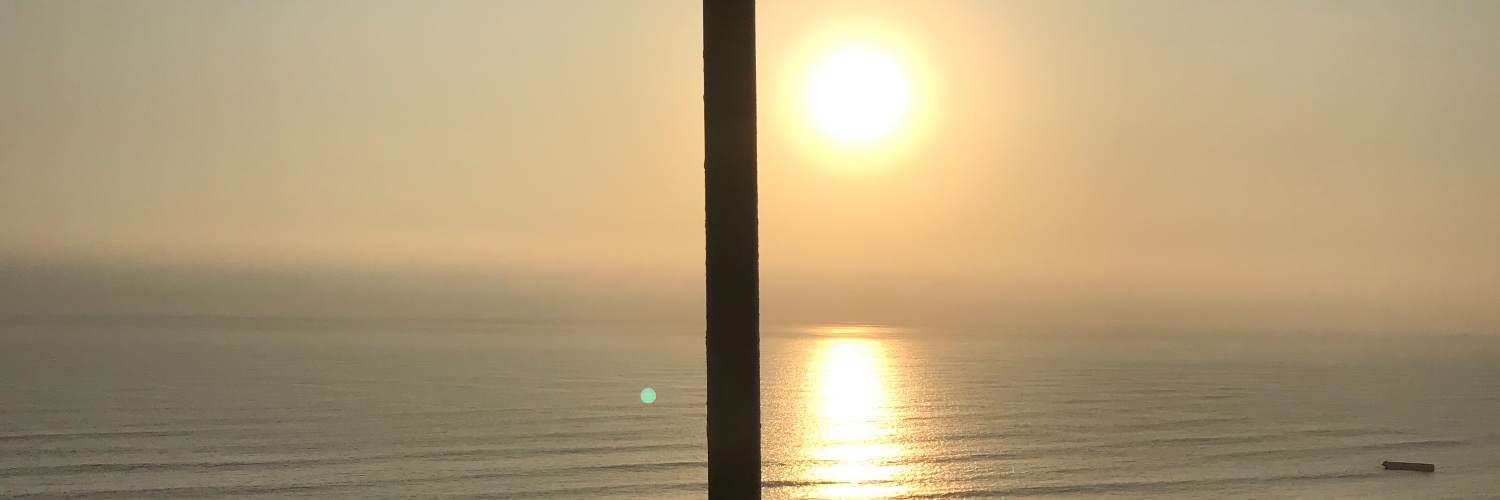
Este es el recorrido del sol desde junio 2025 hasta mayo 2026 en la bahía de Lima y Callao. Proyecto completado! Para recordarnos que todo es un ciclo y que todo da vueltas, y que lo que un día sube otro día baja. A veces hay que resistir el invierno, luego vendrá otra primavera.
Figuras, perseguidas en su tiempo, son hoy reconocidas como pioneros del pensamiento libre, se atrevieron a cuestionar el orden establecido y a exigir reformas profundas.
https://t.co/yeoeKZqCXa
En San Isidro, el distrito más pudiente del Perú y donde Fujimori ganó con el 85%, había 83,909 electores, pero 21,961 de ellos no fueron a votar, es decir casi la cuarta parte.
En Miraflores, Surco, Barranco, La Molina, Magdalena y San Borja el ausentismo también estuvo por ahí.