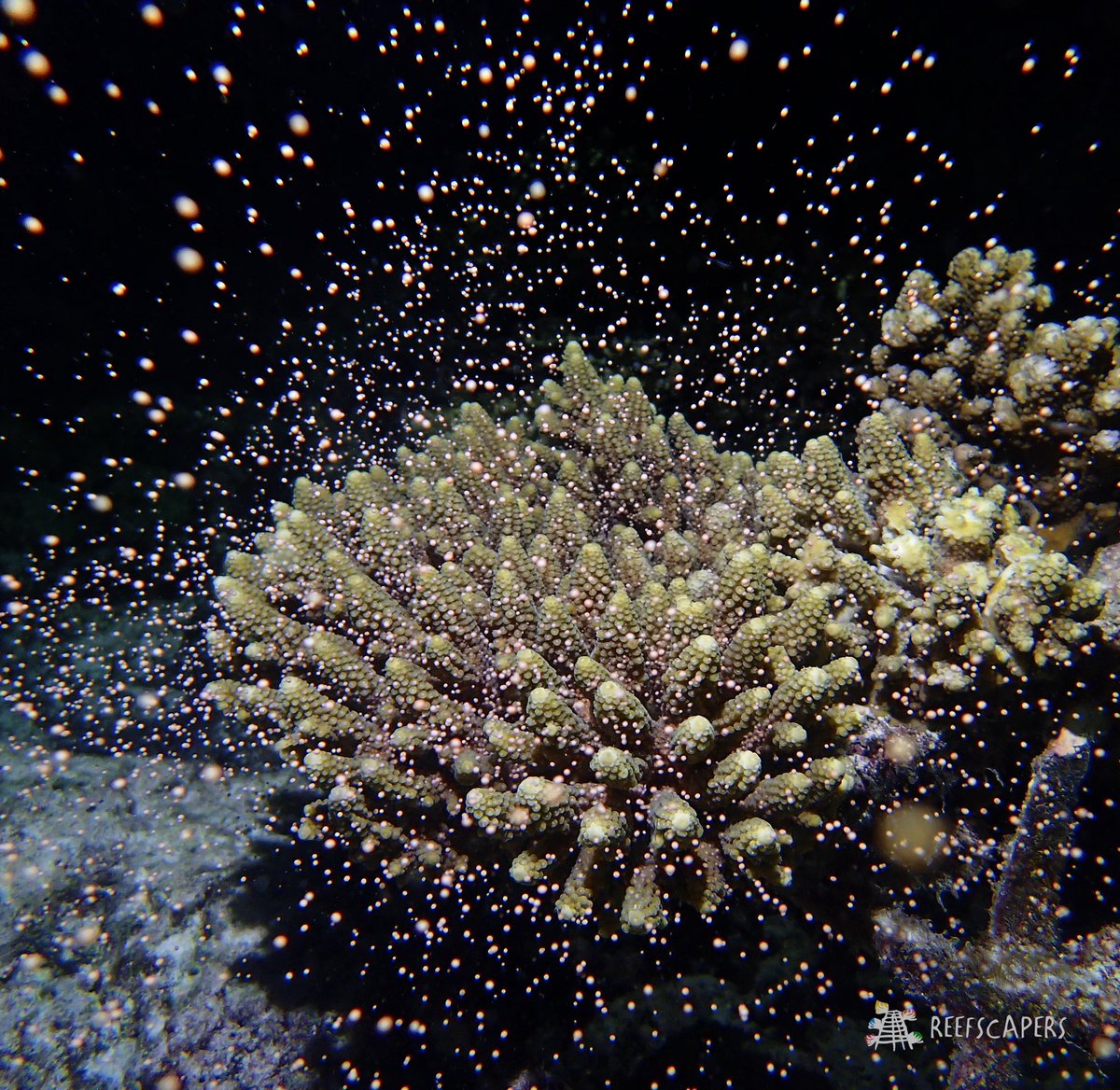
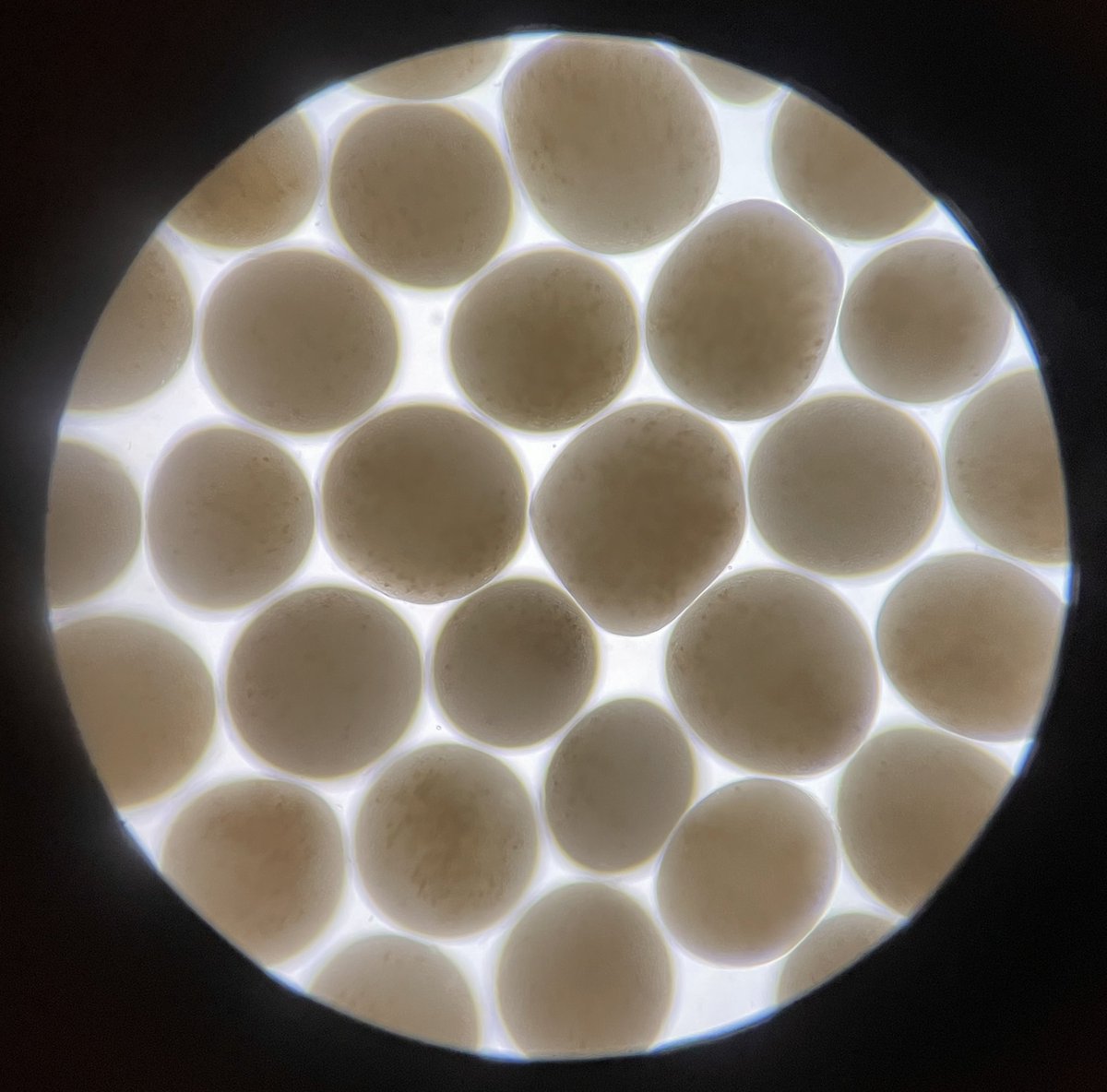
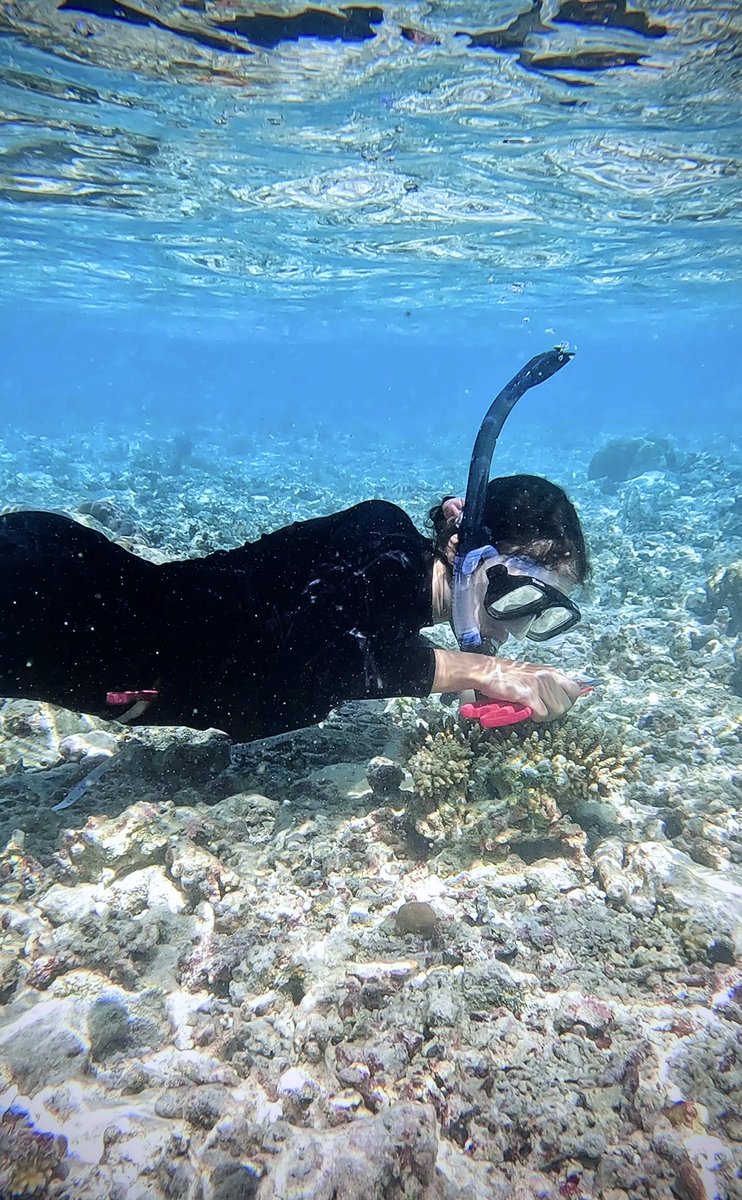
That’s a wrap on #reeffutures 2024!
Thank you from the bottom of our hearts for coming to Reef Futures with open ears and open hearts.
We hope you all made meaningful connections, felt a sense of strong community, learned lots, and are leaving with a sense of hope!
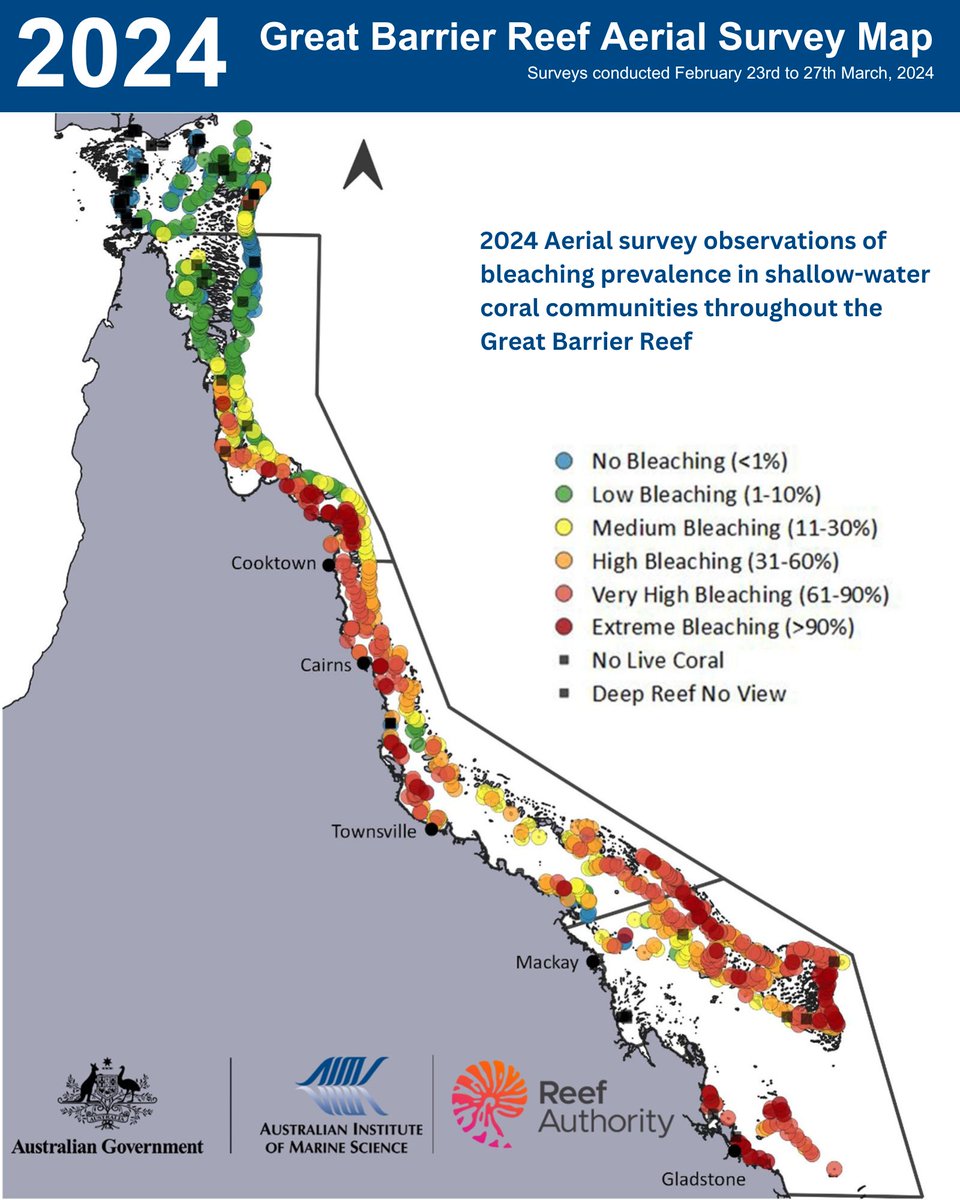
The #GreatBarrierReef faced many pressures this summer.
A marine heatwave caused a mass #coralbleaching event, the 5th since 2016.
Aerial surveys show the pattern of bleaching is largely consistent with the prolonged heat stress.
Detailed findings: https://t.co/gOUjIGgZno
Cheers to the brilliant minds shaping the future of coral research, conservation and restoration!
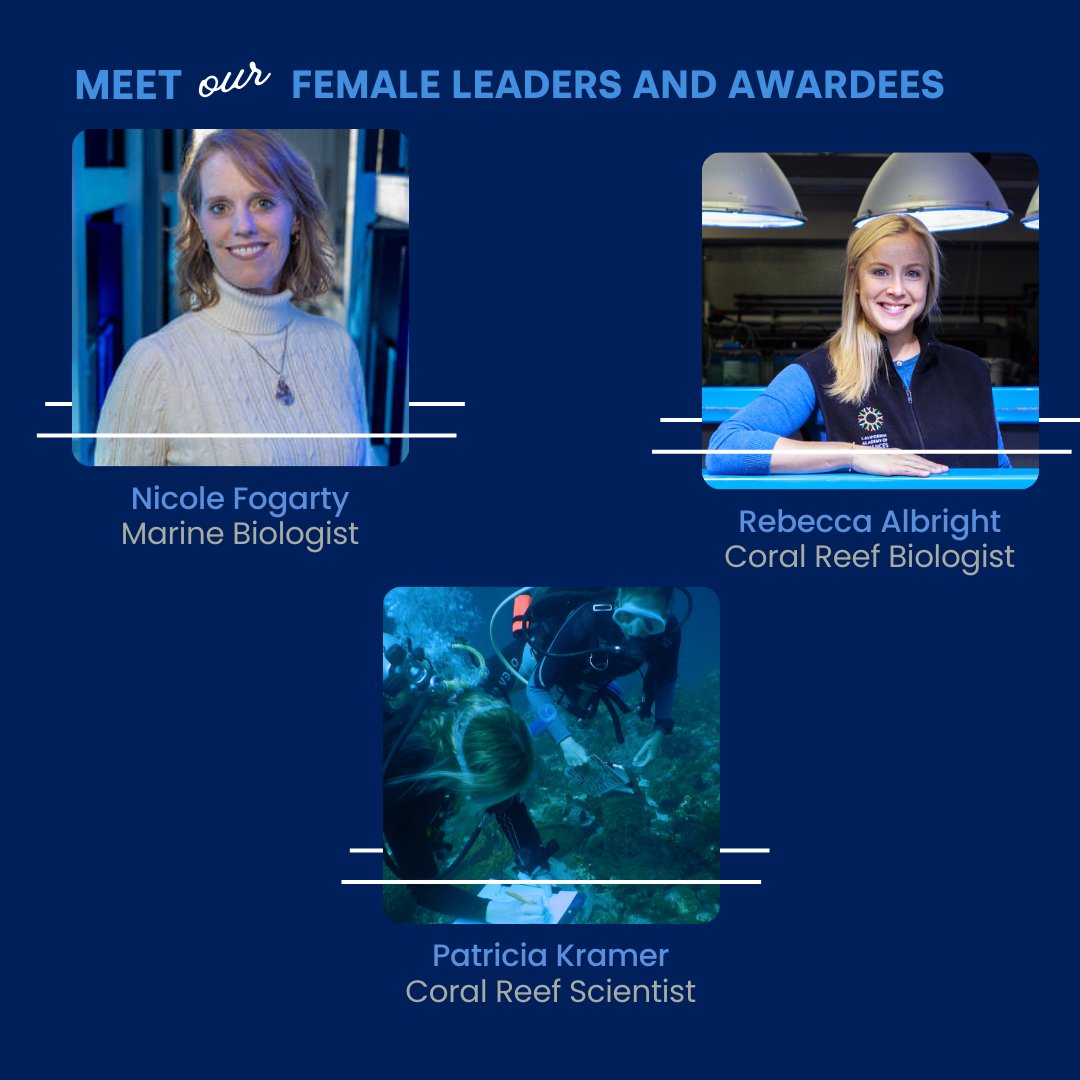
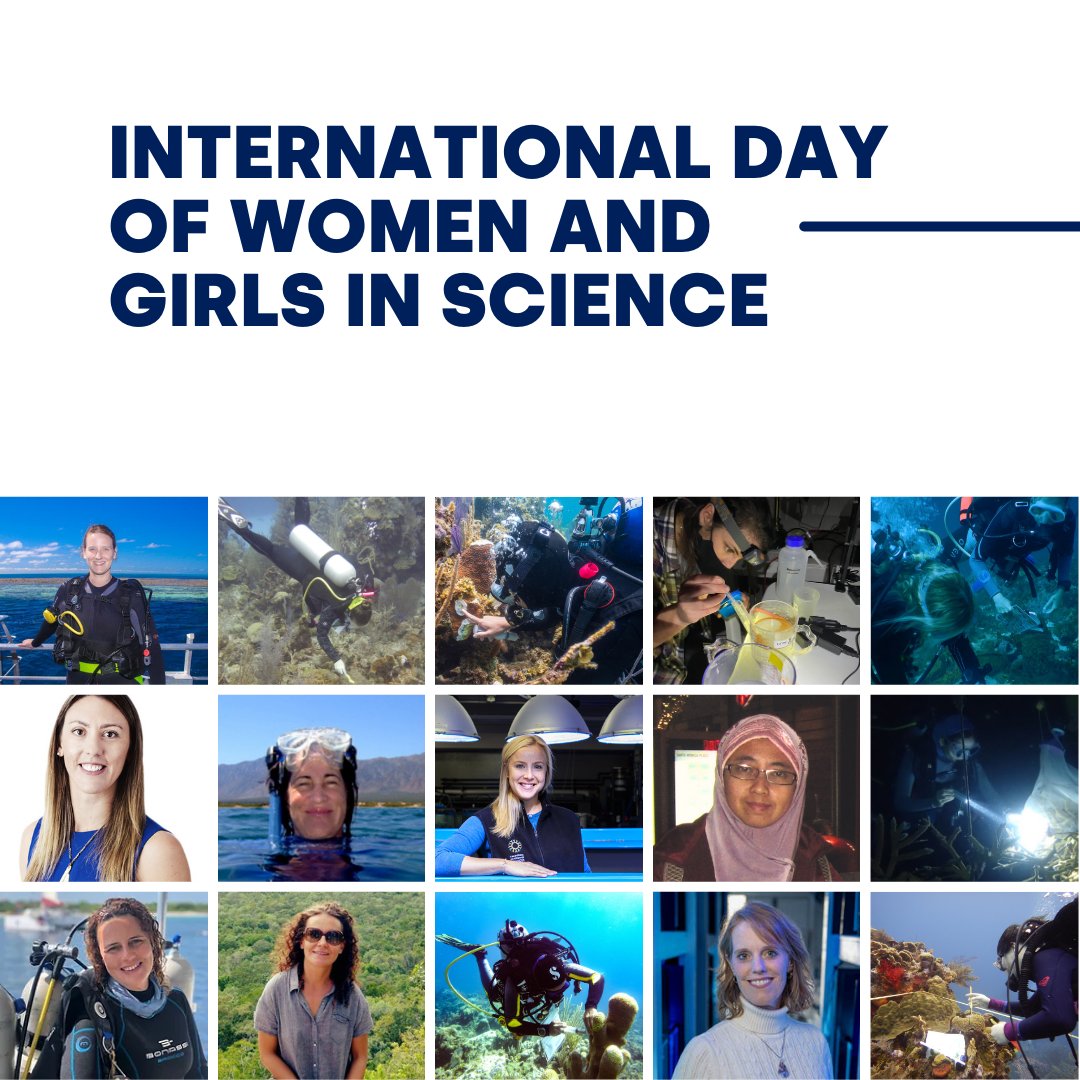
On this International Day of Women and Girls in Science, we celebrate the fierce dedication of ALL lady scientists – but we have a special place in our hearts for our coral reseachers.
Join us in honoring the incredible female leaders and CORDAP awardees shaping the destiny of coral conservation. Their courage, brilliance, and boundless dedication are the driving force behind a wave of positive change.`
Learn more about the game-changing projects on coral science, conservation and restoration funded by CORDAP – and their inspiring leaders - in #LinkInBio
#womeninscience #girlsinscience
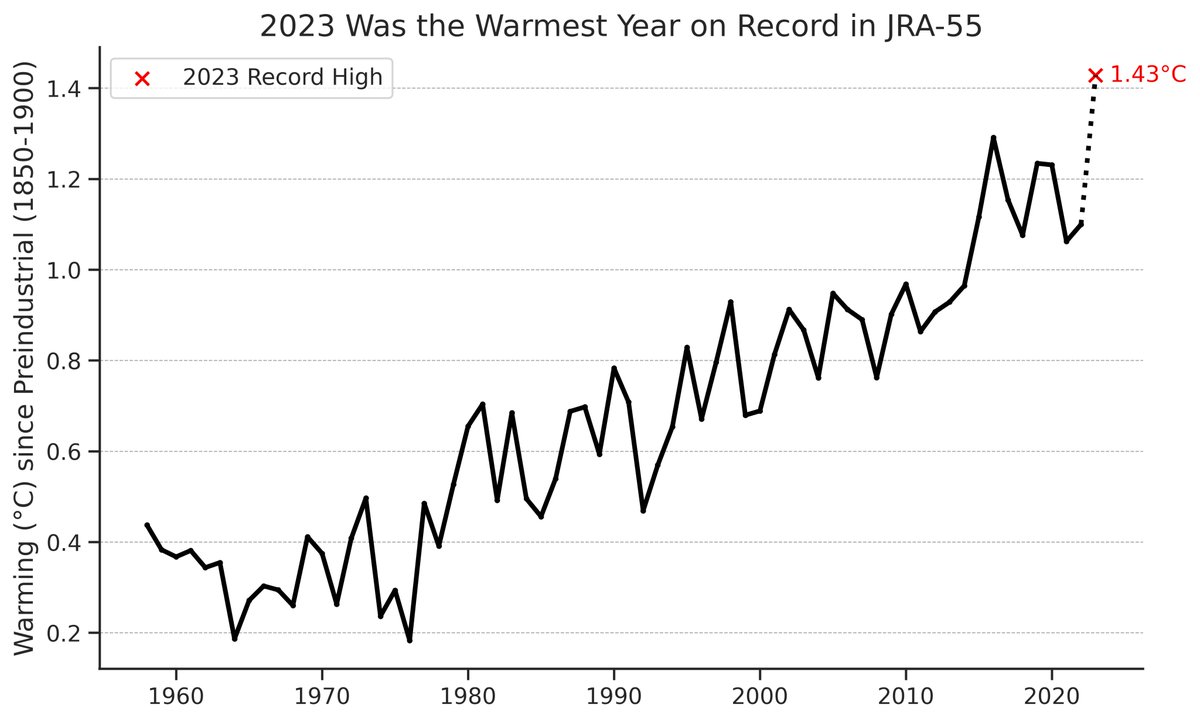
Its now official: 2023 was the warmest year on record in the JRA-55 dataset, at 1.43C above preindustrial levels.
It beat the prior record set in 2016 by 0.14C, and continues a rapid warming trend thats seen global temperatures rise around 1C since 1970.
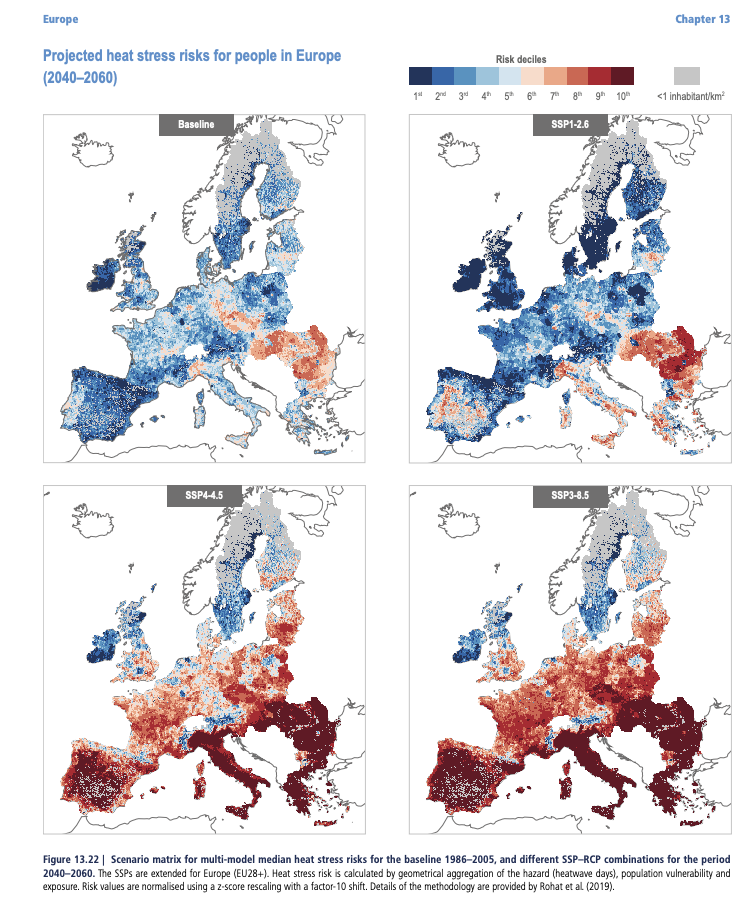
Heatwaves in Europe will become more frequent, more intense & will last longer.
By 2050, about half of the European population may be exposed to high or very high risk of heat stress during summer.
#IPCC#ClimateReport FAQ 13.3 ➡️ https://t.co/EMoI90R4bn
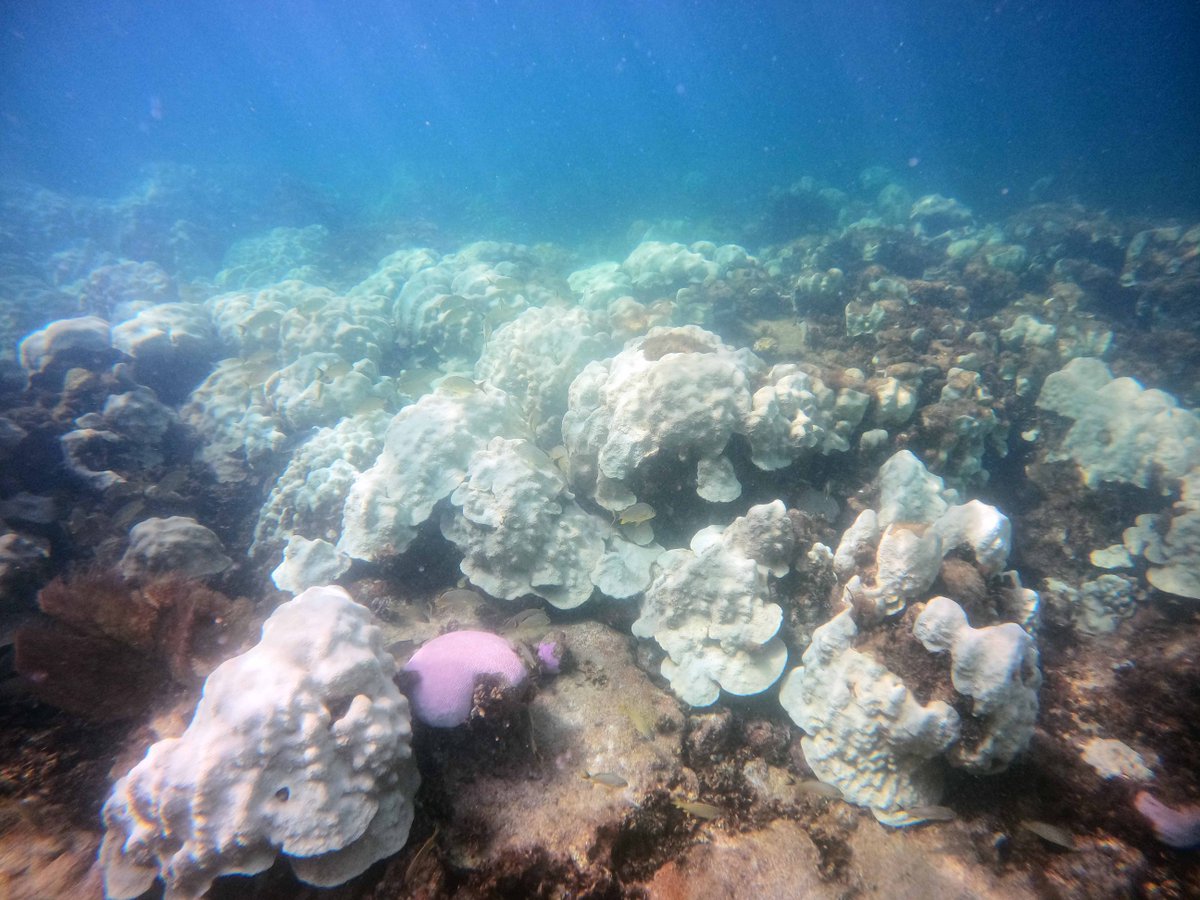
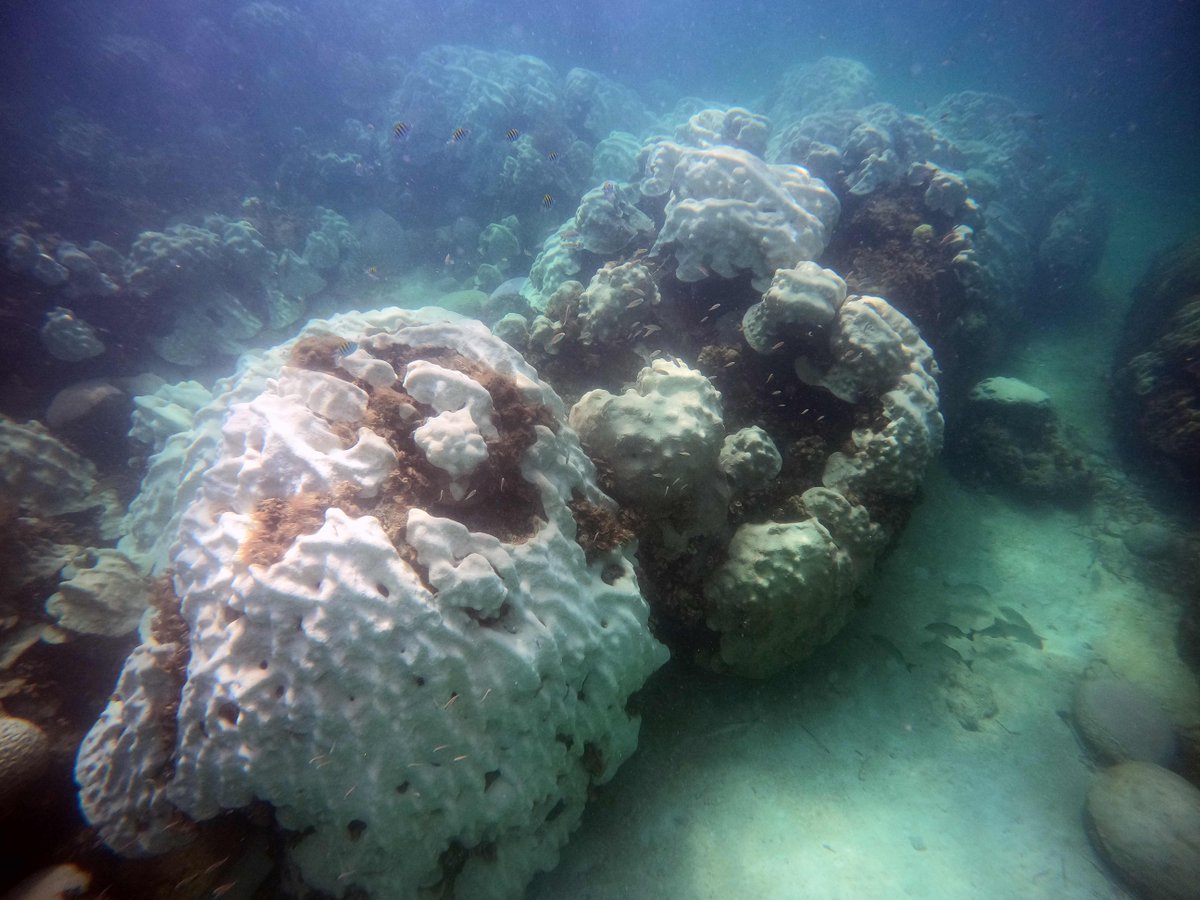
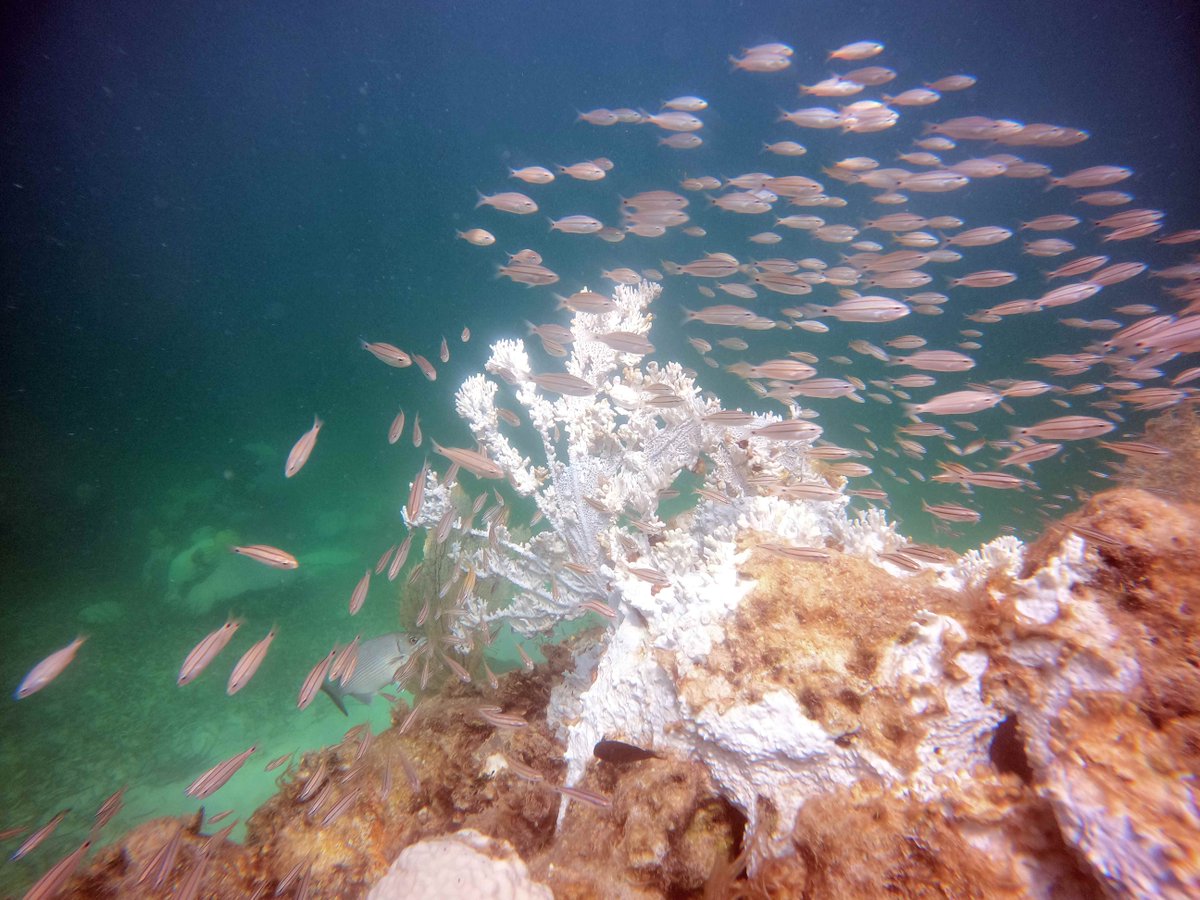
The ongoing heat wave is devastating Caribbean coral reefs. Coral bleaching is now transitioning into widespread coral mortality in some reefs. One of the most affected species is the Elkhorn coral, a major reef-building coral that has undergone severe declines since the 1970s
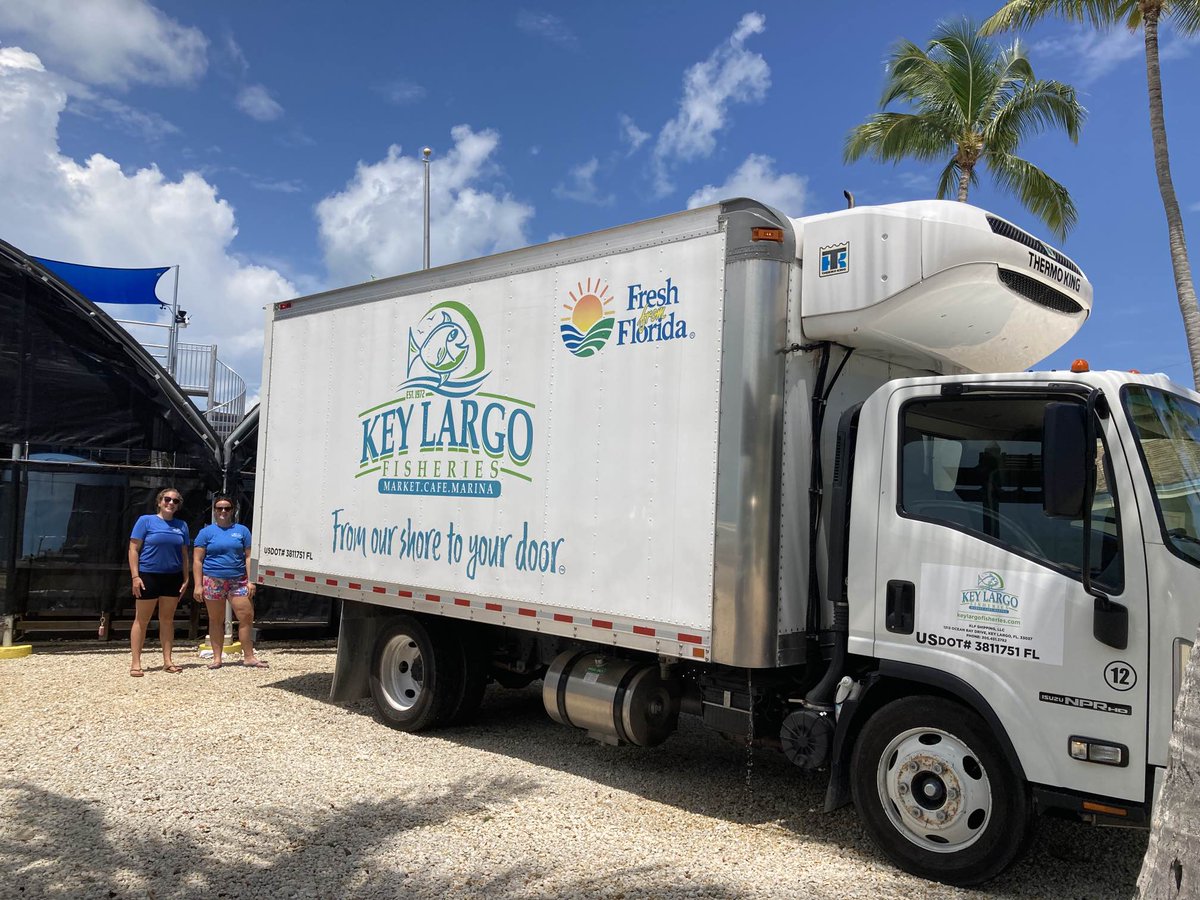
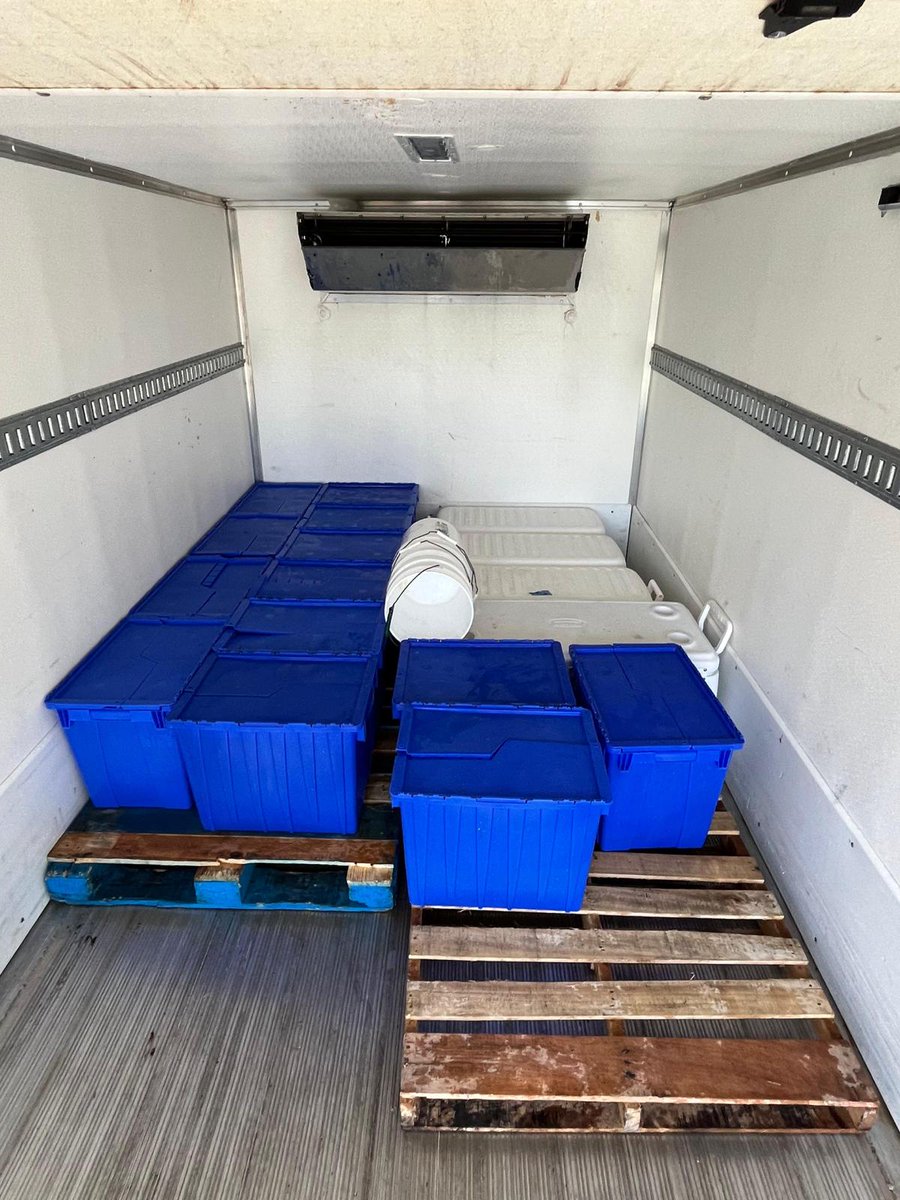
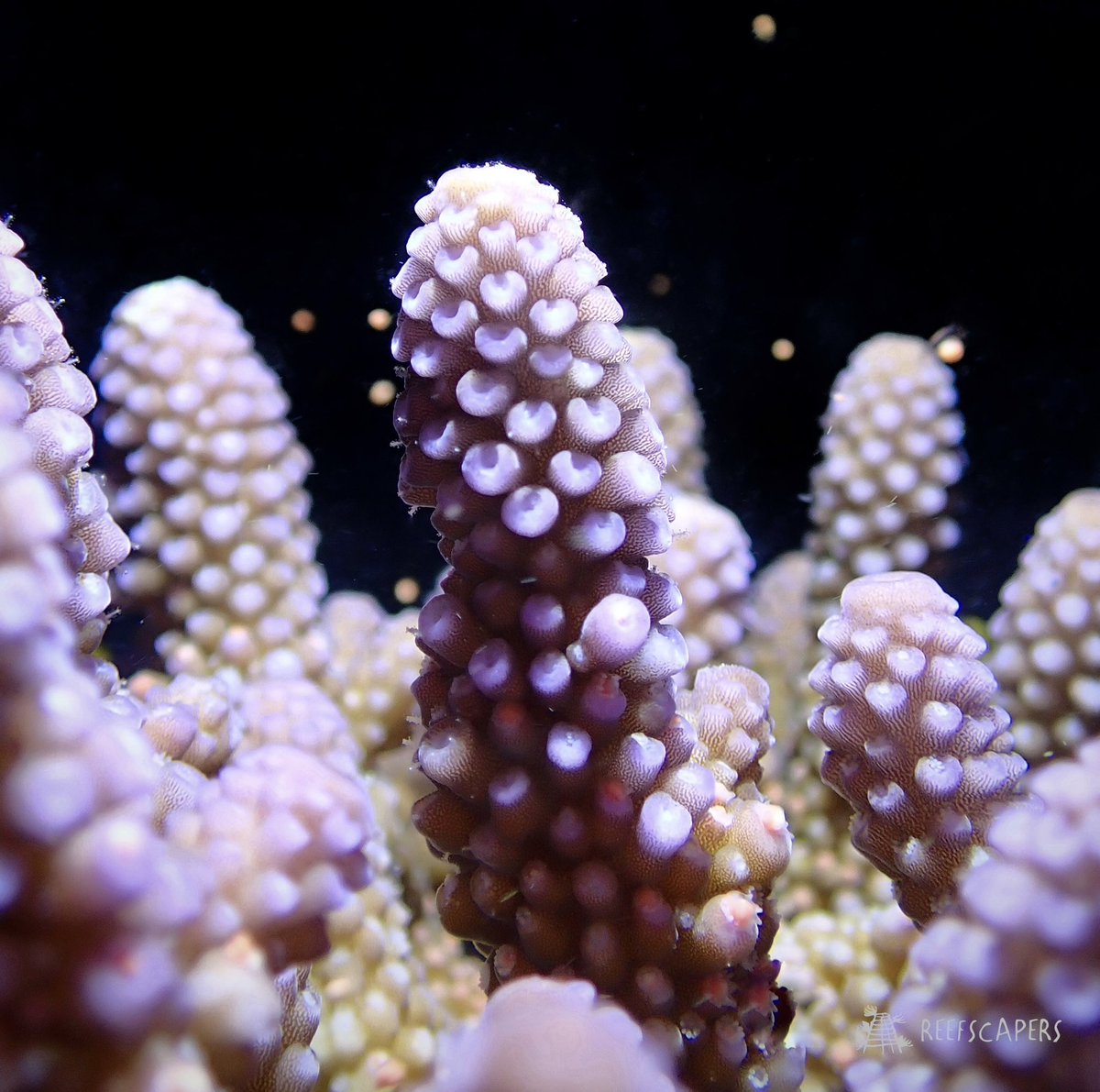
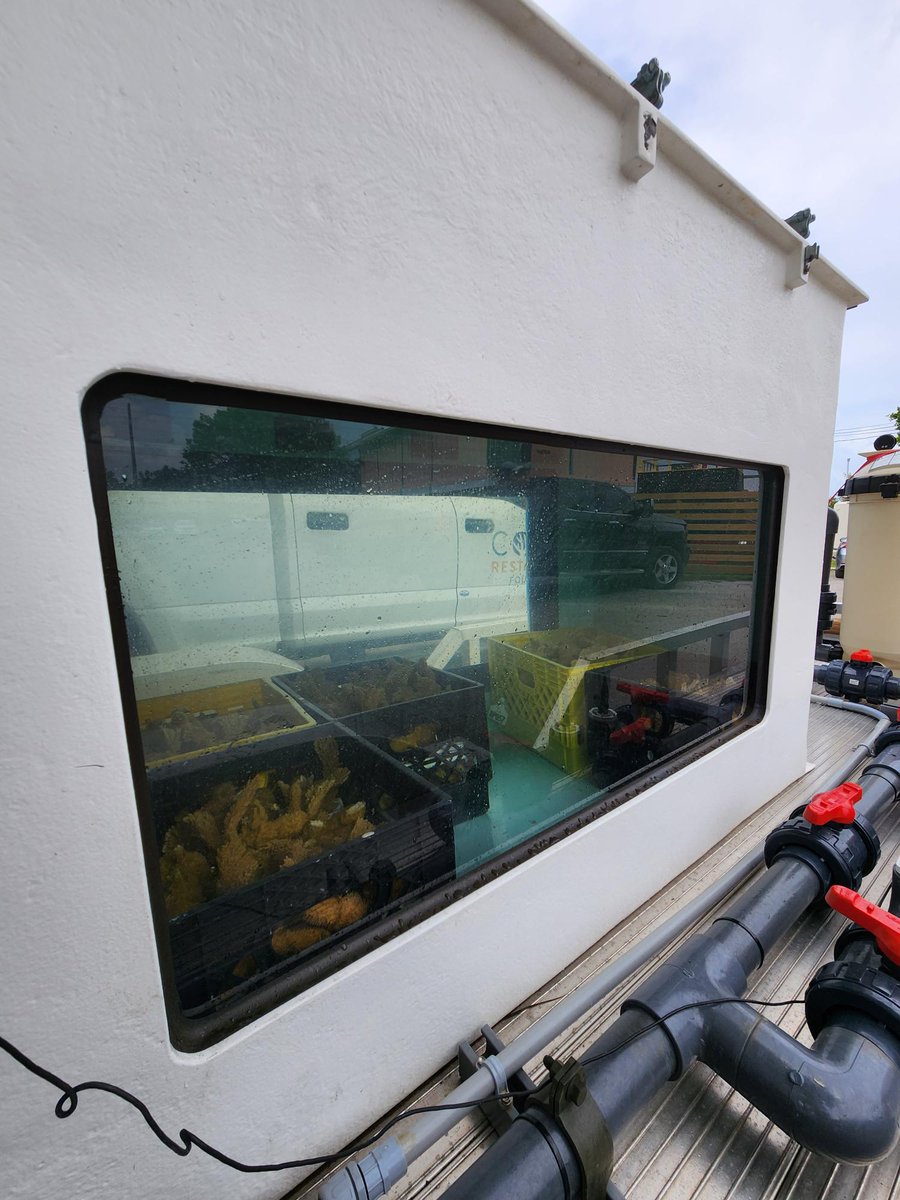
In this week’s #FridayFieldUpdate, we rescued about 500 fragments from 25 high-risk Acropora genotypes that were represented only in one nursery and low in stock. These corals are now at KML, thanks to the help of Key Largo Fisheries and their temperature-controlled truck!
🌊Heartbreaking scenes from the #FloridaKeys: At Cheeca Rocks, renowned for its high live stony coral coverage, 99% of corals are bleached. Even the resilient 'massives' are struggling. Rising water temperatures are to blame. It's time for #ClimateAction. #SaveTheCorals
Archaeologists have utilized LIDAR to explore Calakmul, a vast urban area located in southern Mexico. By utilising this tech scientists were able to remove the dense rainforest cover & uncover the remnants of an ancient Mayan city, nearly twice the size of the City of Vancouver.
This book will be released by CRC Press by the end of the year. The 28 chapters focus is on interactions between currents, waves, sediments and the dynamics of coastal and reef based ecosystems, with an emphasis on the Great Barrier Reef. @enviro_sci @CoralCoE
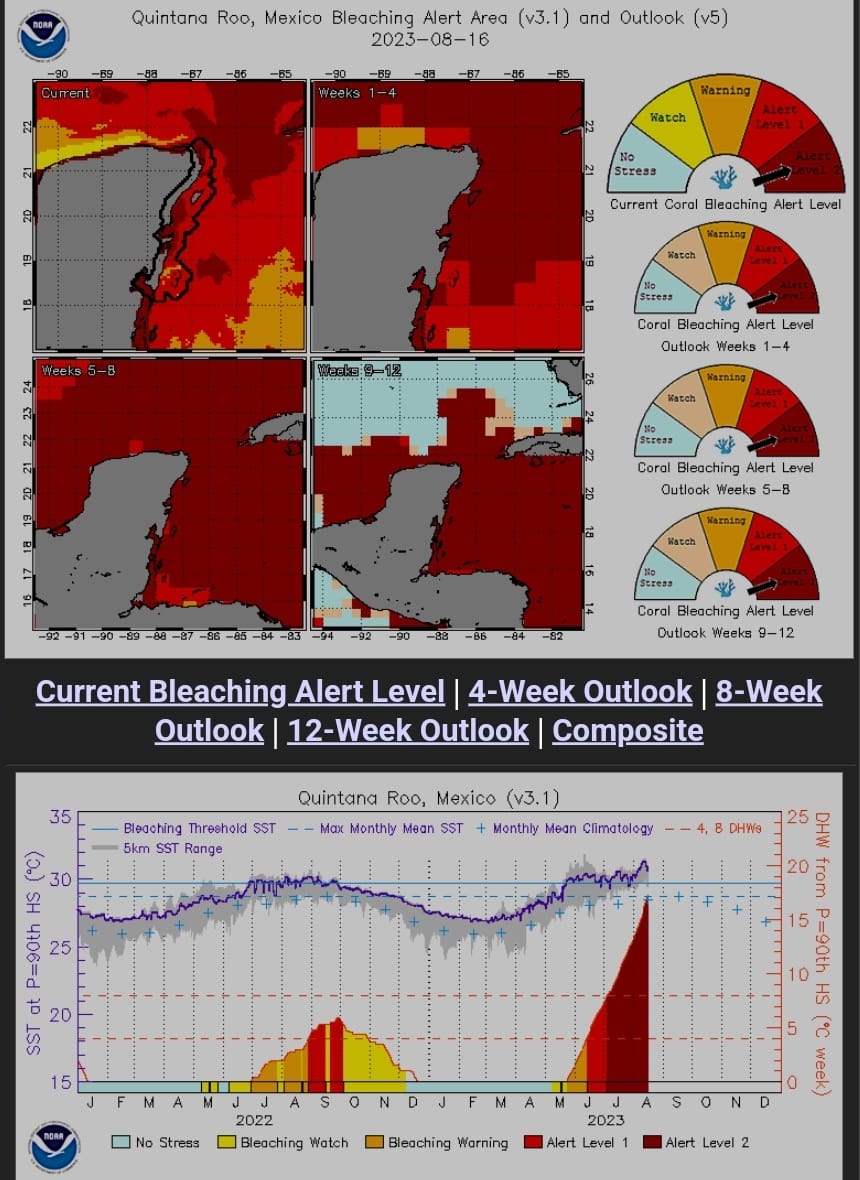
Sea surface temperatures are expected to continue to rise even further over the next weeks. With the current NOAA predictions, we strongly encourage folks to keep an eye on the reef and to report any instances of bleaching to us via our forms https://t.co/zUQXdvblCB
Even a diatom bloom that is waning is stunningly, beautiful. Living cells among empty glass cases. My plankton sample off Plymouth yesterday. @zeiss_micro