¡ARMY! 🇲🇽
Sabemos que muchos estamos esperando la oportunidad de adquirir productos oficiales de los chicos en el país. Sin embargo, también hemos visto como personas externas aprovechan la alta demanda para comprar en cantidades grandes con el objetivo de revender la mercancía a precios excesivos.
No apoyemos la reventa, si ven a gente vendiendo a precios excesivos (las galletas oreo) eviten comprarles. Entre todos podemos ser parte de un cambio y evitar que estas prácticas continúen. 💜
I remember when The Weeknd said he was done with the Grammys, but I swear I don't remember this barrage of news coverage. Like there are hundreds of articles about BTS (and they keep coming), along with news coverage, and the main concern is the economic impact. Commercial air time is priced based on engagement. BTS brings millions perhaps even billions of raw engagement. So, that one statement from BTS is potentially millions maybe even billions of dollars of revenue LOST–and EVERYONE knows it.
2013 BTS and ARMY never saw this coming on our bingo cards.
When Namjoon said, "We'll find a way, and if there's no way, we'll draw the map again." HE MEANT THAT ISH!
Imagínate una escuela que tuviera un cuadro de honor al mejor alumno asiático, al mejor alumno hispano, al mejor alumno africano, etc. Pues así se escuchan los Grammys. Y no estamos hablando de categorías musicales, sino de evidente discriminación por el lugar de origen.
Mind you BTS have been on hiatus for 4 years. Kpop (and other industries across the continent of Asia) never stopped releasing music
But it’s only when BTS return that this “Asian pop” category is introduced
To say that this is about inclusivity is just a bold faced lie
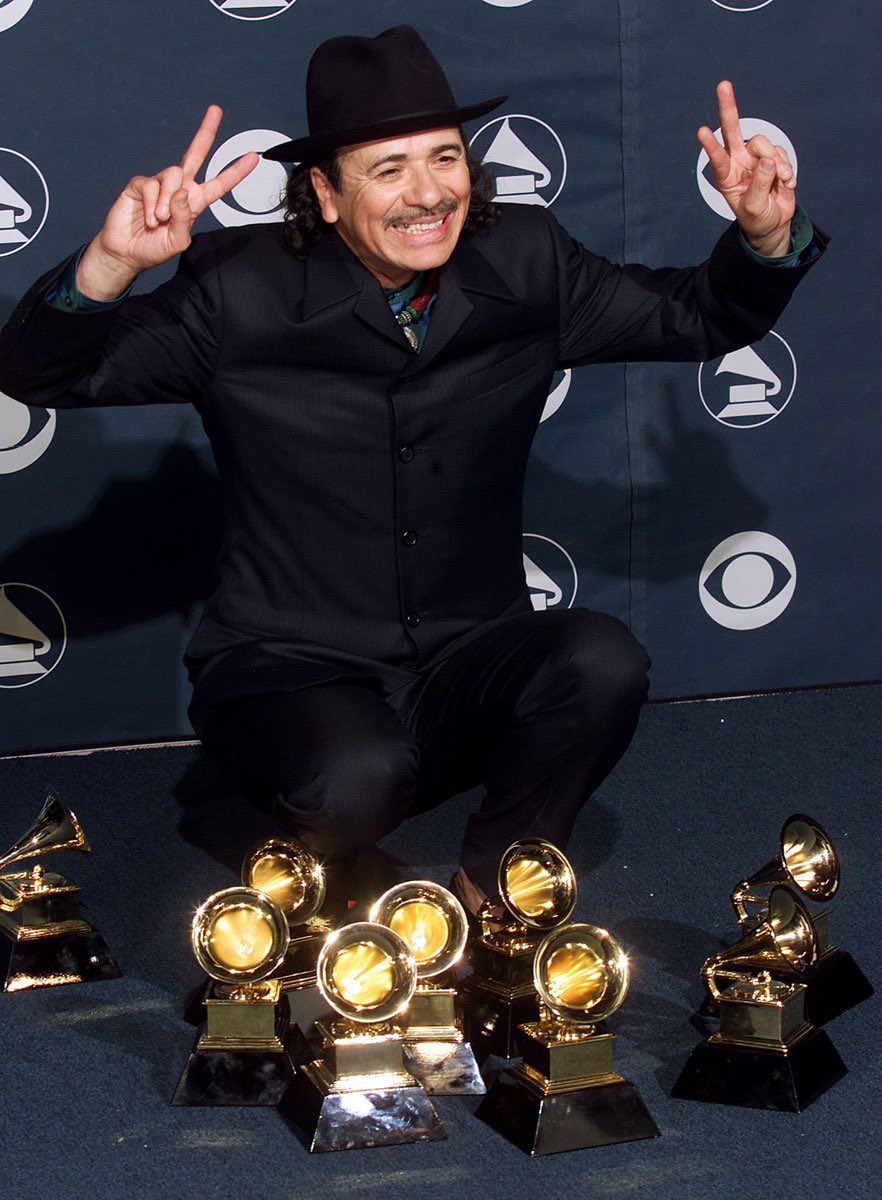
btw, los grammys latinos empezaron justo después de que carlos santana un artista mexicano arrasó con todos premios uniéndose al récord de michael jackson con thriller
Bella: Você passa a impressão de ser uma pessoa muito reflexiva. Você costuma citar influências literárias, como George Orwell, Haruki Murakami e até Carl Jung. Qual foi o primeiro livro que realmente mudou a sua vida?
RM: Acho que... (suspiro). Bem, preciso dizer que, quando era mais novo, eu lia muito mais. As redes sociais estão me fazendo perder o hábito da leitura. (risos). Está cada vez mais difícil assistir a filmes e ler livros, porque às vezes tudo parece entediante.
Posso colocar um filme na Netflix e pausar a qualquer momento. Por isso, hoje em dia, ir ao cinema e deixar o celular no modo avião parece um luxo. Permitir-se seguir a visão e a arte de um único diretor se tornou uma experiência cada vez mais rara.
Acho que o primeiro livro que me causou uma espécie de "síndrome de Stendhal" foi Demian, de Hermann Hesse.
Bella: Ah, sim.
RM: Sim. Foi ali que descobri a essência e a realidade da minha... como posso dizer... da minha inveja.
Bella: Que interessante.
RM: Porque Demian é retratado como uma pessoa ideal, um ser quase elevado. E as frases do início do livro eram extremamente marcantes — a metáfora do pássaro e do ovo, e a ideia de Abraxas. Acho que reli esse livro cinco ou seis vezes na adolescência.
Bella: Sério? Meu Deus.
RM: Acho que preciso lê-lo novamente. Naquela época, ele parecia representar exatamente a vida escolar. Todos aqueles sentimentos ruins, a inveja dos colegas — dos que eram altos, bonitos, inteligentes, bons nos esportes e sempre faziam sucesso com as garotas... (risos). Mesmo adolescente, eu conseguia enxergar minha própria vida refletida naquele livro.
Bella: Sim, eu me lembro dessa sensação. É um ótimo livro, especialmente porque a inveja pode ser um sentimento muito destrutivo e sufocante. Lembro que meu terapeuta me disse, quando conversávamos sobre como é difícil competir com alguém, que era possível enxergar isso como um jogo.
Ler algo assim tão jovem é muito filosófico. E, na verdade, sentir inveja não é necessariamente algo ruim. Faz parte do caminho para entender aquilo que você é capaz de enfrentar. É um livro extraordinário. Como você o encontrou?
RM: Era considerado um clássico e era muito recomendado pelos meus pais e professores. (risos). Todos os fins de semana meus pais me levavam à biblioteca da cidade. Acho que essa é uma das melhores coisas que os pais podem fazer pelos filhos: dar a eles a oportunidade de entrar em contato com grandes ideias e com todo esse conhecimento que as gerações anteriores nos deixaram.
“🎤: Si pudieras hacer algo con ARMY, ¿qué te gustaría hacer?
🐹: Me gustaría alquilar una isla desierta, pescar, cazar, construir una casa… Creo que si pasáramos unos dos días haciendo todo eso, sería realmente divertido.
🎤: ¿Y qué tarea te gustaría asumir?
🐹: Yo solo quiero observar desde arriba”
KIM SEOKJIN ALDJKAKAKAKAKA LO AMO
JIN X ELLE KOREA
JIN FOR ELLE KOREA
JIN GUCCI GLOBAL AMBASSADOR
#JinxELLEKorea #JinxGucci
BTS tomó la decisión de actuar en el show de medio tiempo de la Copa Mundial por su propia voluntad para recaudar fondos para el Fondo de Educación Global Citizen de la FIFA.
Por favor, apoyen su elección y cualquier canción que decidan interpretar. Sean respetuosos y estén listos para promocionar. SOLO interacciones positivas.
BTS AT WORLD CUP
BTS PAVED THE WAY
BTS THE LEGENDS
#BTSXWorldCup2026
Your analysis is good but it ignores one thing. When the Beatles were first rising to fame, it was women who supported them. Women, who were ridiculed for fangirling and “Beatlemania”.
As the Beatles gained more pop culture legitimacy (and as their lyrics and legacy got more misogynistic), more men became Beatles fans. Every Beatles ‘expert’ was a man. A Rolling Stone list of 10 “best books” on the Beatles are all written by male authors.
Today, the Beatles are thought of as “classic dad rock”. There is a masculine, classic edge to them. Men have taken over their fandom, and play the role of gatekeepers and tastemakers - while avid female interest in the Beatles gets treated with the same degree of suspicion directed at young women wearing band T-shirts. Female Beatles fans are subjected to questions from male fans “testing their knowledge” on the band, and suggesting that even if they do know the band, they aren’t appreciating them properly. How ironic, when it was women who first spotted a diamond in the rough.
This is the underlying misogyny underpinning the likes of what men like Gene Simmons had to say about BTS. It is not the number of fans, but the number of MALE fans, by whom the seriousness and worthiness of music is measured.
Misogyny, and a contempt for anything women support and enjoy, is what your analysis was missing.
A few years ago, Gene Simmons of the famous 70s metal band KISS was asked whether BTS could become the next Beatles. He dismissed the idea almost immediately. He said he didn't know any BTS songs and asserted that, unlike the Beatles, no one would start a garage band because of BTS. He went even further, saying that boy bands like BTS don't change the world; they simply make teenage girls' hearts flutter before eventually disappearing, and that they have no gravitas.
Why am I suddenly bringing this up? Today, on an online community I frequent—members mostly professionals in their 40s and 50s with progressive political views—a post about BTS really caught my attention.
He said he had finally realized that BTS is 대체불가. This word means "irreplaceable." It describes something so unique that nothing else can truly take its place. Words like singular, peerless, or one of a kind also come close to capture the meaning.
He admitted that he used to believe BTS's success had more to do with the global popularity of K-pop than with BTS themselves. He assumed that groups like BLACKPINK or Stray Kids would eventually replace them. Like most Koreans, he also believed military service would effectively end BTS's career. After all, that's what had happened to previous idol groups. They enlist, newer groups debut, and they never quite regain the same level of popularity.
But over the past few months, simply watching the news about BTS's worldwide concerts, seeing the sold-out stadium crowds, reading international media coverage, and watching presidents, celebrities, and people from all over the world react, he suddenly realized something. No, BTS really is different. He compared them to the Beatles, and now believes that no matter how many new idol groups debut from now on, no one will match what BTS has achieved. 대체불가.
His post has already been read by more than 8,000 people today alone, and among them were people who immediately lost their minds the moment they saw BTS and the Beatles mentioned in the same sentence. Some insisted that BTS could never be compared to the Beatles because there aren't BTS songs that "everyone" can sing along to like "Hey Jude," basically echoing almost exactly what Gene Simmons said a few years ago.
Reading those comments, I couldn't help shaking my head. They are judging BTS using standards from a completely different era. During the Beatles' time, British and American popular music dominated the world in a way that's difficult to imagine today. Radio, a handful of television networks, and record stores were the only ways people discovered music. Also, there were relatively few artists and genres competing for people's attention, and almost everyone was exposed to the same songs over and over again.
You didn't really choose whether to hear "Yesterday" or "Penny Lane." Radio stations played them constantly. Record stores played them constantly. Those songs became part of everyday life because nearly everyone was consuming music through the same limited channels.
Today's world couldn't be more different. There are hundreds of genres, tens of thousands of artists, YouTube, Spotify, Apple Music, TikTok, Instagram, and countless other ways to listen to music. Every listener can build a completely different musical world with just a few taps on a phone. That also means it's much harder for any artist to become a truly universal phenomenon.
Over the past ten years, has there really been a song like "Hey Jude" that almost everyone in the world could sing together? I’m sorry but I can't think of one. In fact, the closest examples I can think of aren't even songs by pop stars. They're one-time phenomena like Disney's "Let It Go" or, more recently, Netflix’s "Golden."
That's why I think comparing BTS and the Beatles simply by asking whether everyone can sing one of their songs misses the point entirely. If anything, becoming a global phenomenon in today's fragmented digital media landscape is much more difficult. That's precisely what makes BTS's extraordinary worldwide popularity all the more incredible. If the Beatles were debuting today, their path to global dominance would have been far more difficult than it was in the mid-1960s.
Another commenter claimed that considering the Beatles' musicality and the sheer breadth of their popularity during their era, suggesting that BTS belongs in the same conversation was preposterous. This commenter says that with complete confidence because, like many other Koreans, he doesn't realize how deeply BTS's music has resonated with people around the world. Nor does he realize how highly respected the members are for their songwriting and producing abilities. That's partly because Korean media rarely discusses those aspects of BTS.
Korean media mostly reports BTS's achievements by talking about sold-out concerts, Billboard rankings, awards, or the number of tourists visiting Korea because of BTS. But I don't remember seeing serious discussions about why BTS became this popular in the first place. Very few journalists or programs explore their musicality, the members' songwriting and producing abilities, or why millions of people around the world feel such a deep connection to them and their music. Journalist Kim Ou-joon and the late music critic Kim Young-dae are the only people I can think of who tried.
To me, BTS isn't just a musical phenomenon. They're a cultural phenomenon. Millions of people didn't simply become fans of seven people. They became interested in Korea itself. They started learning Korean. They began reading Korean literature, visiting Korean museums, eating Korean food, and traveling to Korea. That's an extraordinary kind of influence. People didn't begin learning English because of Taylor Swift, nor did they suddenly become fascinated with Britain because of Coldplay. Their music is loved by many, but BTS became something more than a musical phenomenon.
And finally, BTS is also 대체불가 because ARMY is 대체불가. There has never been another fandom quite like it, and I doubt there ever will be.
BTS ARIRANG WORLD TOUR in Mexico was held in front of a crowd of 145,763, with a gross of $27,808,809🔥
Multiple armys stood outside the Stadium to listen to the performance as well!!
#BTS_WORLDTOUR#BTS